Cart
0
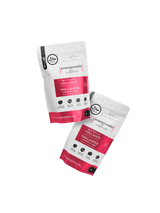
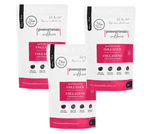
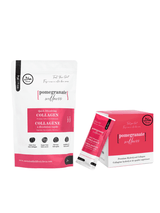
Table of Contents
- Understanding Halal Bovine Collagen
- How to Verify Halal Collagen Certification
- Best Ways to Consume Unflavored Collagen
- Daily Serving Size and Consistency
- Bovine Collagen vs. Marine Collagen for Halal Diets
- Common Mistakes to Avoid
- Getting Started With Your Halal Collagen Routine
- Frequently Asked Questions
Last Updated: October 13, 2026
Understanding Halal Bovine Collagen
How to incorporate bovine collagen into a halal diet starts with understanding what makes it permissible under Islamic dietary law. Bovine collagen is a protein derived from cattle bones, hides, and connective tissue. When sourced and processed to halal standards, it supports hair growth, skin health, joint function, and gut wellness without compromising faith-based dietary choices.
The difference between halal-certified collagen and one that merely claims halal status comes down to sourcing, processing, and third-party verification. Understanding these distinctions helps you choose products that align with your values.
What Makes Collagen Halal
Halal collagen is bovine collagen sourced from cattle slaughtered according to Islamic law and processed without haram (forbidden) ingredients or cross-contamination. The halal status depends on three key factors: the animal source, the slaughter method, and the processing ingredients.

Cattle are halal only when slaughtered using the Zabiha method, performed by a Muslim with the intention of honoring Allah, swiftly and with minimal suffering.
Processing matters equally. Even if the bovine source is halal, the collagen can become haram if it's processed with:
- Pork-derived enzymes or processing aids
- Alcohol-based extraction methods
- Non-halal gelatin additives
- Cross-contamination from non-halal facilities
A supplement labeled "bovine" might come from cattle, but if hydrolysis uses pork enzymes, it fails halal standards. Hydrolysis is essential for mixability and absorption, but the method matters.
Pro Tip
Check the ingredient list for processing aids. Legitimate halal-certified collagen lists only "hydrolyzed bovine collagen peptides" or specifies "processed with microbial enzymes." Vague ingredient lists are a red flag.
Sourcing and Processing Standards
Halal bovine collagen begins with grass-fed, pasture-raised cattle from farms that meet Islamic animal welfare standards. Grass-fed cattle graze naturally and are not confined in feedlots, aligning with Islamic principles of animal care.
Halal compliance becomes technical during processing:
- Cleaning and preparation: Raw bovine hides and bones are cleaned to remove contaminants
- Hydrolysis: The collagen is broken down using enzymes (typically microbial enzymes, not pork-derived ones) to create peptides that dissolve easily
- Drying and packaging: The hydrolyzed collagen is dried into a powder and packaged in clean facilities
Each step requires oversight to prevent cross-contamination. A halal-certified facility maintains separate equipment and supply chains so pork, alcohol, or other forbidden substances never contact the collagen.
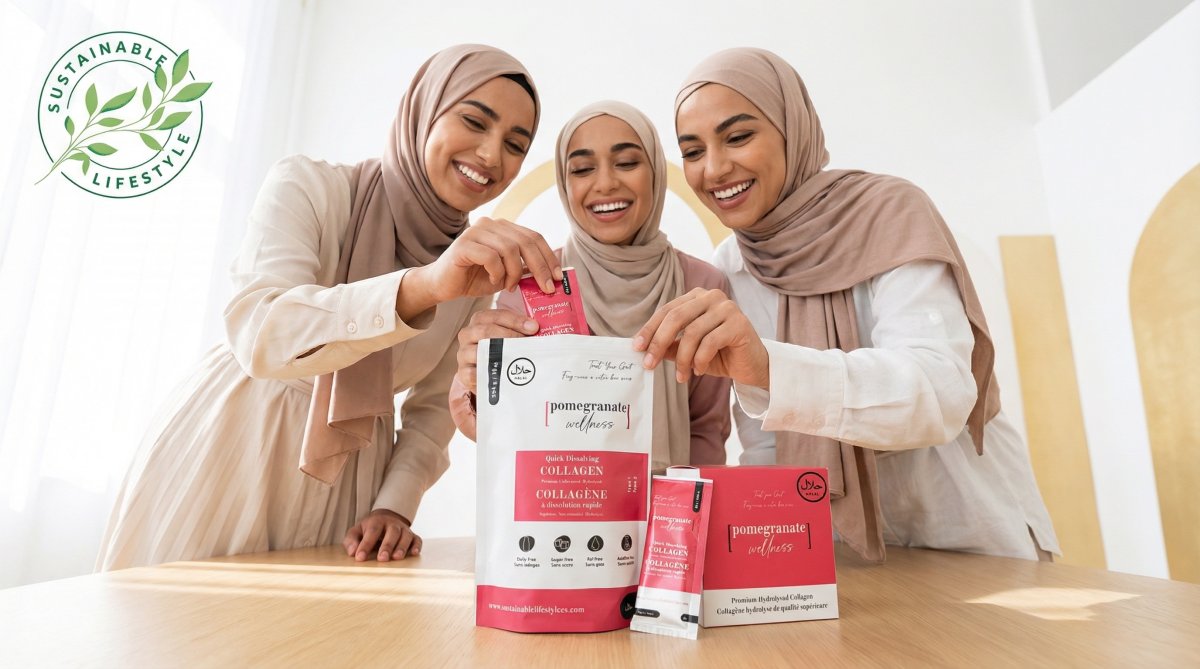
Sustainable Lifestyle sources grass-fed bovine collagen from suppliers who maintain strict halal protocols throughout the chain. The result is a completely unflavored, odorless, pure Halal bovine collagen powder that dissolves instantly into any hot or cold beverage without changing the taste.
How to Verify Halal Collagen Certification
Not all collagen labeled "halal" has undergone third-party verification. Knowing how to verify authentic halal status protects you from greenwashing.
Reading Product Labels and Certificates
A legitimate halal-certified collagen product displays a certification mark from a recognized halal certifying body, such as the Halal Monitoring Committee (HMC) in Canada.
When you examine a product label, look for:
- Certifying body name: HMC, or another recognized halal authority
- Certification number: A reference code that can be verified on the certifier's website
- Ingredient list: Should state "hydrolyzed bovine collagen peptides" with no ambiguous processing aids
- Source statement: Ideally, it specifies "grass-fed bovine" or "pasture-raised cattle"
- Manufacturing facility information: Shows where the collagen was processed
The ingredient list matters as much as the certification mark. If a product lists "enzymes" without specifying the source, ask the manufacturer directly. Microbial enzymes are halal; pork-derived enzymes are not.
Watch Out
Avoid products that say "may contain traces of" pork or non-halal ingredients. Halal-certified collagen should explicitly state it is free from haram substances, not just claim to minimize them.
Checking for Halal-Certified Status
To verify a collagen's halal certification:
-
Find the certifying body's name on the product. Note the certification number.
-
Visit the certifier's website. Most halal authorities maintain searchable databases of certified products. Enter the brand name or certification number to confirm the product is listed and current.
-
Check the certificate's validity date. Halal certification must be renewed regularly; an expired certificate means the product no longer meets halal standards.
-
Contact the manufacturer directly. If the certification is unclear or the product isn't listed on the certifier's database, email the brand and ask for proof of certification. Legitimate companies provide this without hesitation.
-
Verify the bovine source. Ask whether the cattle were slaughtered using Zabiha methods and whether the facility maintains halal separation.
Sustainable Lifestyle's collagen is Halal-certified, ensuring every step from cattle sourcing to hydrolysis to packaging meets Islamic dietary standards. The certification is current and verifiable.

Best Ways to Consume Unflavored Collagen
The unflavored, odorless nature of bovine collagen peptides makes it one of the most versatile supplements for daily meals and drinks. It dissolves instantly without altering the taste of your beverages or foods.
Dissolving Collagen in Hot Beverages
Hot beverages are the easiest entry point for daily collagen intake. The heat accelerates dissolution, and morning coffee or tea provides a consistent habit anchor.
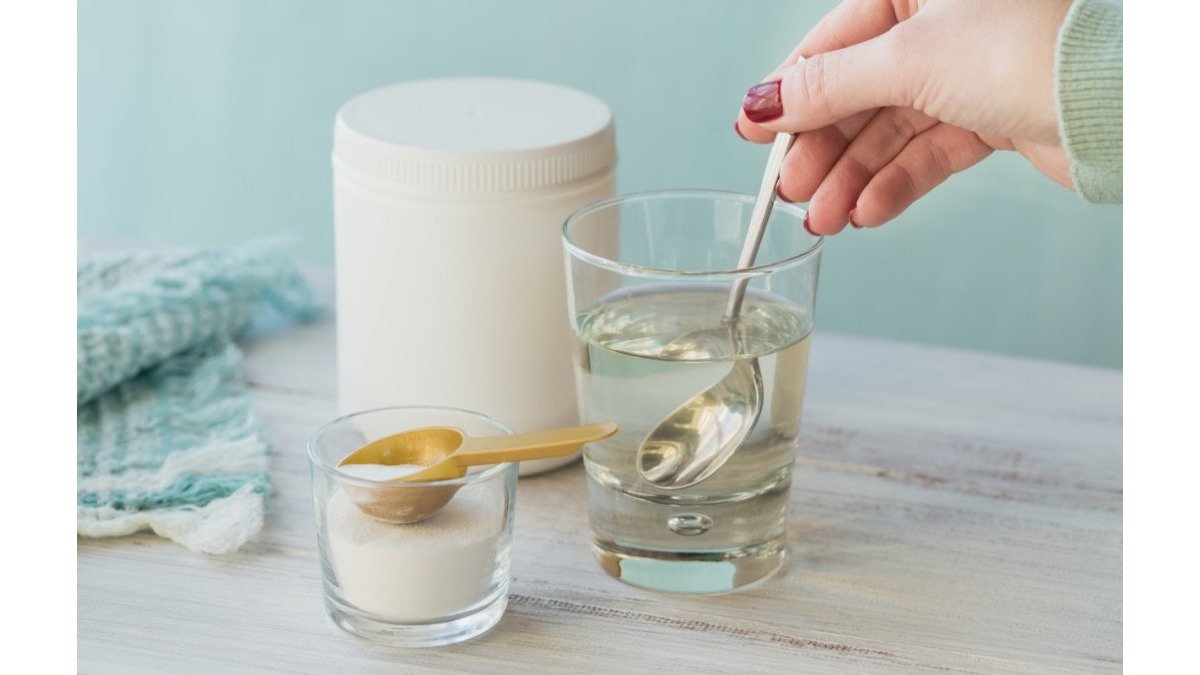
Morning coffee: Stir a serving of collagen into your coffee immediately after brewing. The powder dissolves within seconds without clumping.
Tea: Green tea, black tea, herbal blends, or bone broth all work. Add collagen after steeping; the warmth ensures complete mixing without extended stirring.
Warm water or herbal infusions: For caffeine-free options, warm water with lemon, ginger tea, or turmeric milk all work. The collagen dissolves so completely you won't taste it.
Soups and broths: Stir collagen into warm soups, lentil broths, or vegetable dishes. The heat helps it dissolve evenly, making this popular during winter months.
Adding Collagen to Cold Drinks and Foods
Cold beverages and foods require slightly more attention to mix evenly, but the process remains straightforward.
Smoothies and protein shakes: Blend collagen with your smoothie ingredients. The blender ensures complete mixing and masks any texture in cold drinks.
Iced coffee and cold tea: Stir collagen into iced coffee or cold brew and let it sit 30-60 seconds, stirring occasionally.
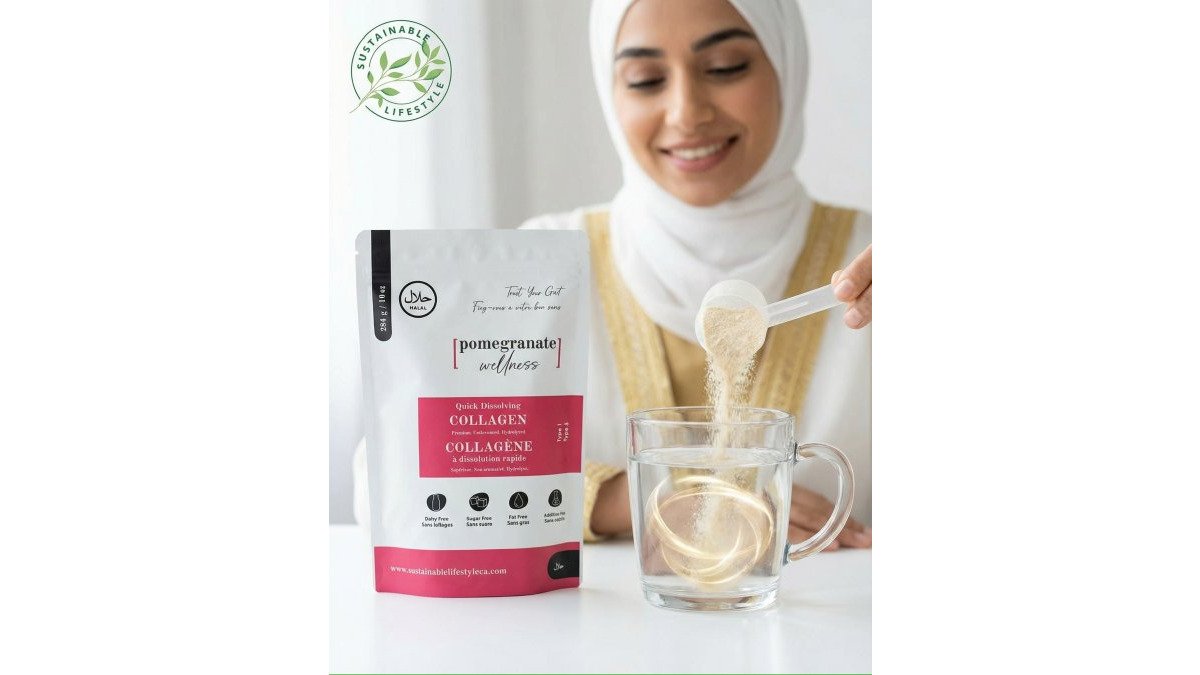
Starter Pouch : Unflavoured Halal Collagen Powder 10oz (284g) →
Yogurt and puddings: Mix collagen into plain yogurt, Greek yogurt, or pudding. The thickness helps distribute the powder evenly; stir well to avoid clumping.
Oatmeal and porridge: Add collagen to oatmeal immediately after cooking while still warm and stir thoroughly. As it cools, the collagen stays integrated without settling.
Baking and cooking: Add collagen to wet ingredients before mixing with dry for pancakes, muffins, or baked goods.
Daily Serving Size and Consistency
The most common questions about collagen are how much to take daily and how long before results appear.
A standard serving is 10 grams (about 2 teaspoons or 1 tablespoon) daily, providing a meaningful dose of amino acids that support skin, joint, and gut health.
Consistency matters more than quantity. Taking 10 grams daily for 8-12 weeks beats 30 grams sporadically. Amino acids like glycine, proline, and hydroxyproline integrate into connective tissues gradually over time.
Most people notice changes between 8-12 weeks of daily use: improved hair texture, skin hydration, and joint comfort. Results vary by age, diet, hydration, and health; some notice joint benefits in 6-8 weeks, others need 12-16.
| Timeframe | What to Expect |
|---|---|
| Weeks 1-4 | Improved hydration, potential energy boost from amino acids |
| Weeks 5-8 | Possible hair texture changes, skin clarity improvements |
| Weeks 9-12 | Joint comfort may increase, visible skin elasticity improvements |
| Weeks 13+ | Sustained benefits, cumulative improvements in hair, skin, and joint health |
Key Takeaway
Daily consistency is the key to collagen benefits. Missing days resets your progress. If you forget some days, simply resume the next day, one missed day doesn't erase weeks of progress, but skipping weeks does slow results.
Anchor your collagen routine to an existing habit, such as morning coffee, a post-workout smoothie, or evening tea. Fewer decisions mean better consistency.
Bovine Collagen vs. Marine Collagen for Halal Diets
Bovine and marine collagen differ in halal status, amino acid composition, and practical use.
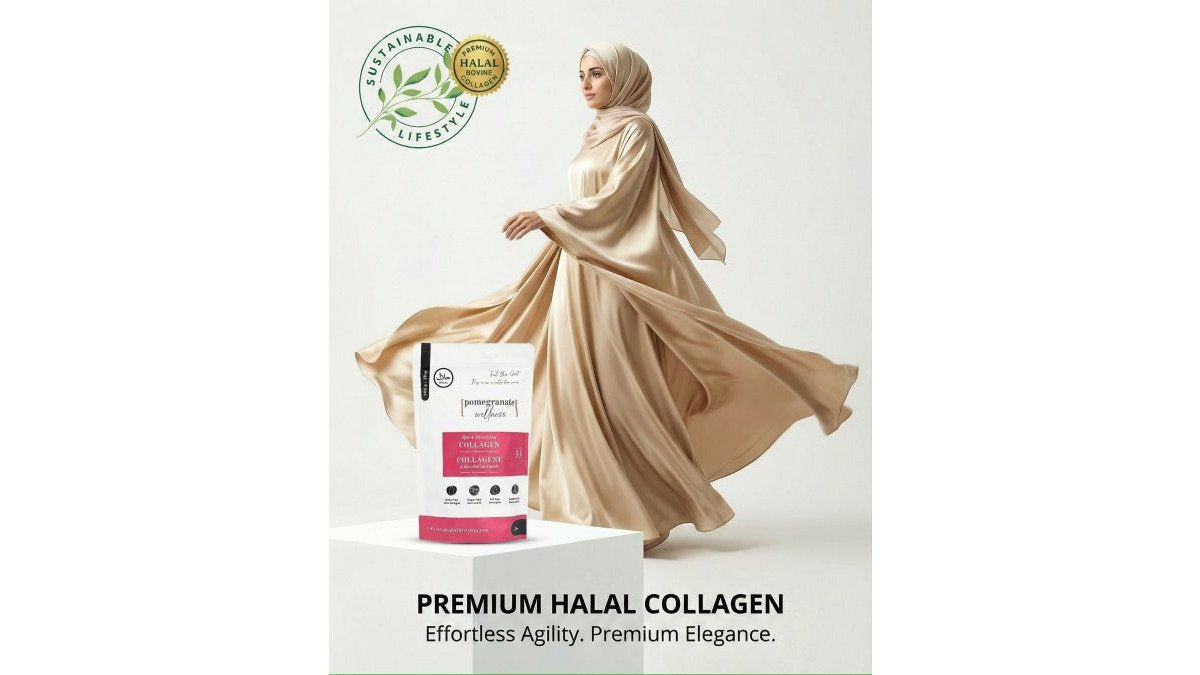
Bovine collagen comes from cattle bones, hides, and connective tissue and contains Type I and Type III collagen, supporting skin elasticity, hair strength, and joint health. It is halal when sourced from Zabiha-slaughtered cattle and processed without haram ingredients. Sustainable Lifestyle's bovine collagen is grass-fed and Halal-certified.
Marine collagen comes from fish scales, skin, and bones and contains primarily Type I collagen, excellent for skin but with less joint support than bovine.
For halal compliance and broad health benefits, bovine collagen is the more straightforward choice: clear halal sourcing from Zabiha-slaughtered cattle, a comprehensive amino acid profile, easier verification through halal certification bodies, and grass-fed sourcing aligned with Islamic animal welfare principles.
Common Mistakes to Avoid
Mistake 1: Assuming all "bovine collagen" is halal. "Bovine" refers only to the animal source, not the processing method.
Mistake 2: Expecting instant results. Collagen works gradually; a high dose for one week won't deliver benefits. Consistency over 8-12 weeks is the realistic timeline.
Mistake 3: Mixing collagen in cold liquid without stirring. Collagen settles in cold beverages.
Mistake 4: Choosing price over certification. Cheaper collagen often lacks proper halal verification. Investing in Halal-certified collagen ensures you avoid forbidden ingredients.
Mistake 5: Taking collagen inconsistently. Missing days disrupts accumulation; skipping a week essentially starts you over. Find a routine that fits your lifestyle.
Mistake 6: Ignoring ingredient lists. Read the full statement. "Hydrolyzed bovine collagen peptides" is clear; vague terms like "enzymes" or "processing aids" are warning signs.
Watch Out
Do not purchase collagen from sellers who cannot provide proof of halal certification. Unverified claims put your faith-based dietary choices at risk.
Getting Started With Your Halal Collagen Routine
Starting a collagen routine requires three steps: choose a Halal-certified product, pick a consumption method, and commit to daily consistency.
Step 1: Select a Halal-certified collagen product. Verify certification through the certifying body's database and confirm grass-fed sourcing and microbial enzyme processing. Sustainable Lifestyle's Unflavoured Halal Collagen Powder is Halal-certified, grass-fed, and dissolves instantly into any beverage without changing taste.
Step 2: Choose your consumption method. Add collagen to morning coffee, post-workout smoothies, evening tea, or soups. Pick what fits your routine most naturally for better consistency.
Step 3: Establish a daily habit. Take 10 grams (about 1 tablespoon or 2 teaspoons) daily.
Step 4: Monitor your experience. After 8-12 weeks, assess changes in hair texture, skin hydration, joint comfort, or energy.
Sustainable Lifestyle's Starter Pouch: Unflavoured Halal Collagen Powder 10oz (284g) provides 28 servings, giving you a full month to establish your routine. For those ready to commit longer term, the Value Upgrade: Unflavoured Halal Collagen Powder 16oz (454g) offers 45 servings.
Incorporating bovine collagen into a halal diet is straightforward when you prioritize Halal-certified products, verify sourcing and processing standards, and commit to daily consistency.
Start with Sustainable Lifestyle's Halal-certified bovine collagen and build a routine that fits your lifestyle. Consistency over 8-12 weeks delivers measurable improvements in hair, skin, joint, and gut health.
Frequently Asked Questions
How can I verify if my collagen supplement is Halal-certified?
Check the product label for a Halal-certified mark from a recognized certifying body. Look for documentation on the brand's website showing their certification status and the certifying organization's name. Verify the collagen source is bovine from animals slaughtered according to Islamic dietary law. Ask the manufacturer directly if you cannot find certification information. Reputable brands like Sustainable Lifestyle display their Halal-certified status prominently and can provide proof upon request.
Does bovine collagen powder affect the taste of food or drinks?
No. Unflavored, odorless bovine collagen dissolves instantly into any hot or cold beverage without changing the taste. You can add it to coffee, tea, smoothies, soups, or baking recipes without any noticeable flavor impact. This makes it ideal for incorporating into your daily routine without altering your meals. The powder's neutral profile means you maintain full control over your food and drink flavors while gaining the benefits of collagen peptides.
What is the recommended daily serving size for bovine collagen?
Most Halal-certified bovine collagen powders provide serving guidelines on their packaging. A typical daily serving is one scoop or sachet mixed into your preferred beverage. Consistency matters more than occasional high doses. Start with one serving daily and maintain this routine for best results. If you have specific health concerns or are pregnant, consult a healthcare provider about the right amount for your needs. The key is making it part of your daily habit rather than taking it sporadically.
What makes bovine collagen different from marine collagen for Halal diets?
Bovine collagen comes from cattle, which can be Halal-certified when slaughtered according to Islamic dietary law. Marine collagen comes from fish or shellfish, which are permissible under Islamic dietary guidelines but lack the Halal slaughter requirement that applies to land animals. Bovine collagen contains Type 1 and Type 3 collagen, supporting skin, joint, and connective tissue health. Both are valid Halal options, but bovine collagen offers the added assurance of proper animal handling and slaughter practices aligned with Islamic standards.