Cart
0
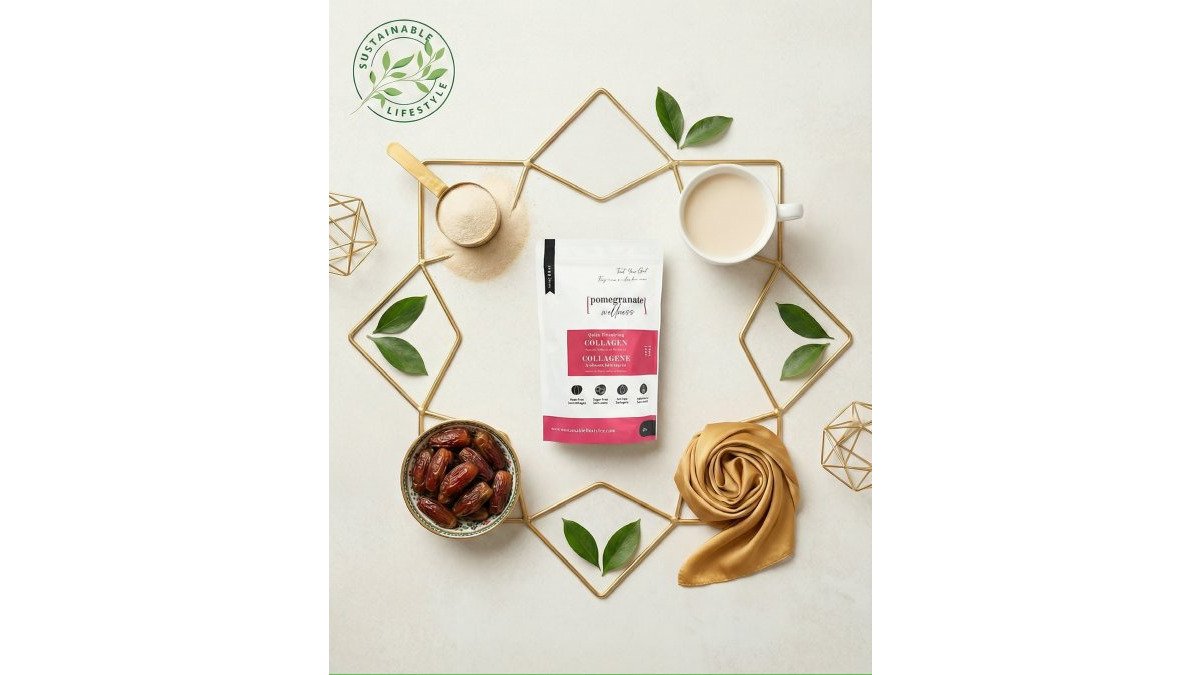
Table of Contents
- Why Halal Collagen Certification Verification Matters
- Halal Monitoring Authority Canada Standards You Should Know
- Step 1: Check the Certificate Number and Certification Body
- Step 2: Match the Product Scope and Validity Period
- Identifying Authentic Halal Supplement Labels
- Bovine Collagen Sourcing Transparency: What to Look For
- Step 3: Spot Fake or Misleading Halal Claims
- Frequently Asked Questions
Last Updated: September 24, 2026
Why Halal Collagen Certification Verification Matters
Verifying halal collagen certification comes down to one habit: check the certificate, not the label. A product can print "halal" on the box with no third-party review behind it. Real certification leaves a paper trail.
Halal collagen certification is a claim about the entire supply chain, from animal source to the facility that turns hide and bone into peptides.
Key Takeaway
Certification is only as strong as the body behind it. A logo with no certificate number, no expiry date, and no named certifier is decoration, not proof.
Halal Monitoring Authority Canada Standards You Should Know
Halal certification in Canada is issued by private certifying bodies, not a single government agency. The strength of a claim depends on which organization stands behind it.
- Inspecting the manufacturing facility, not just the ingredient list
- Confirming the animal source and slaughtering standards
- Reviewing the supply chain for cross-contamination risks
- Issuing a certificate with a defined product scope and validity period
- Re-auditing the facility at renewal
- Maintaining accreditation so the certificate is recognized outside its home region
Step 1: Check the Certificate Number and Certification Body
Every legitimate halal collagen certification carries two identifiers: a certificate number and the name of the certifying body. Find both before you buy.
Then run these checks:
- Search the certificate number on the certifying body's own website.
- Confirm the brand name on the certificate matches the brand on the box.
- Check that the certificate lists the specific product, not just the company.
- Note the certificate's issue date and expiry date.
- Save a screenshot of the listing in case it changes later.
Watch Out
If a brand shows a logo but no certificate number, or the number returns nothing on the certifier's site, treat the claim as unverified. You are not being paranoid. You are doing exactly what the certifier expects buyers to do.
Step 2: Match the Product Scope and Validity Period
A certificate is only valid for what it names. Read the product scope line by line: it should name the exact product you are holding. A certificate covering "beef gelatin" does not cover hydrolyzed bovine collagen peptides.
Why Gelatin and Collagen Peptides Need Separate Scrutiny
Gelatin and collagen peptides start from the same raw material, typically bovine hide, bone, or connective tissue, but diverge at processing:
- Gelatin is produced through partial hydrolysis, which leaves longer protein chains that gel when cooled. It is used in gummies, capsules, marshmallows, and desserts.
- Collagen peptides (also called hydrolyzed collagen) go through further enzymatic hydrolysis, breaking the protein into shorter chains that dissolve in liquid and do not gel.
International Certificates Versus Local Recognition
Many collagen products sold here are manufactured overseas and carry a certificate from a foreign certifying body. That certificate may be genuine and still not recognized by every local retailer, importer, or halal authority.
Here is how to check:
- Identify the certifying body named on the certificate.
- Look for the accreditation body that oversees it, usually printed on the certificate or listed on the certifier's website.
- Ask the brand whether that accreditation is recognized by the retailers or authorities they sell through locally.
- If the brand cannot answer, the certificate may still be valid in its country of origin but narrower in reach than the marketing implies.
The Validity Period Check
Certificates expire. A facility audited three years ago is not the same as one audited last quarter, and a lapsed validity period makes the claim stale even if the logo is still printed on the box.
Look for three dates:
- Issue date, when the audit was completed and the certificate granted.
- Expiry date, when the certificate must be renewed, typically after a re-audit.
- Surveillance or interim review dates, some schemes require periodic spot checks between full audits.
| What to check | Where to find it | Red flag |
|---|---|---|
| Certificate number | Label, product page, or certifier site | No number shown |
| Certifying body | Logo or certificate document | Body cannot be found online |
| Accreditation body | Certificate document or certifier website | No accreditation listed |
| Product scope | Certificate document | Lists gelatin, extract, or a different product |
| Validity period | Certificate document | Expired, undated, or no renewal cycle |
| Facility name | Certificate document | Does not match the maker |
Pro Tip
Photograph or screenshot the certificate page showing the scope line and both dates. If the brand updates its website later, you have a record of what was claimed at the time of purchase.
Identifying Authentic Halal Supplement Labels
Authentic halal supplement labels name the certifying body in full, show a certificate reference, and list ingredients plainly with no vague "natural flavors" hiding a carrier agent.
On-the-Go Pocket Sticks: 2 boxes of →
Bovine Collagen Sourcing Transparency: What to Look For
Sourcing transparency means the brand can tell you where the cattle came from and how the material was handled. Without it, certification is hard to trust.
Cross-Contamination: The Risk Nobody Explains
Collagen and gelatin are often produced in facilities that also run non-halal lines, porcine gelatin, standard beef gelatin from non-halal slaughter, or shared equipment. Halal status depends on three things:
- Dedicated equipment. Does the collagen line use machinery that never touches non-halal material? Shared extruders, dryers, and packaging lines are the most common contamination points.
- Cleaning protocols between runs. If equipment is shared, the certifier must approve a specific cleaning method, typically a ritual purification wash, and verify it is followed. A generic "we clean between batches" statement is not enough.
- Storage and transport separation. Raw materials and finished powders must be stored and moved to prevent physical contact with non-halal ingredients.
Signals of Real Transparency
Watch for these specific, checkable signals:
- A stated animal source, such as bovine rather than a generic "collagen"
- A named country or region of origin for the raw material
- A description of how the facility prevents cross-contamination with non-halal lines, not just a claim that it does
- Batch or lot numbers that let you trace a specific container
- A certificate of analysis available on request
- The name of the slaughterhouse or supplier standard, if the brand will share it
The last two points matter more than people expect. A certificate of analysis is a lab document, separate from the halal certificate, reporting what was tested in a batch, heavy metals, microbial counts, protein content. Together, the two documents confirm the process was compliant and the powder is what the label says.
A Copy-Paste Request You Can Send Today
Assalamu alaikum. I am evaluating your bovine collagen product for halal compliance. Could you please confirm:
- The name of your halal certifying body and their accreditation body.
- Your certificate number, issue date, and expiry date.
- Whether the certificate scope explicitly names hydrolyzed bovine collagen peptides (not gelatin or extract).
- Whether the collagen is produced on dedicated halal equipment or shared lines, and if shared, what cleaning protocol is certified.
- The certificate of analysis for the current batch, including the batch number.
Thank you.
Pro Tip
Ask for the certificate of analysis for the batch number printed on your container. A brand that can produce it within a day or two is running a real quality system. A brand that cannot is guessing alongside you.
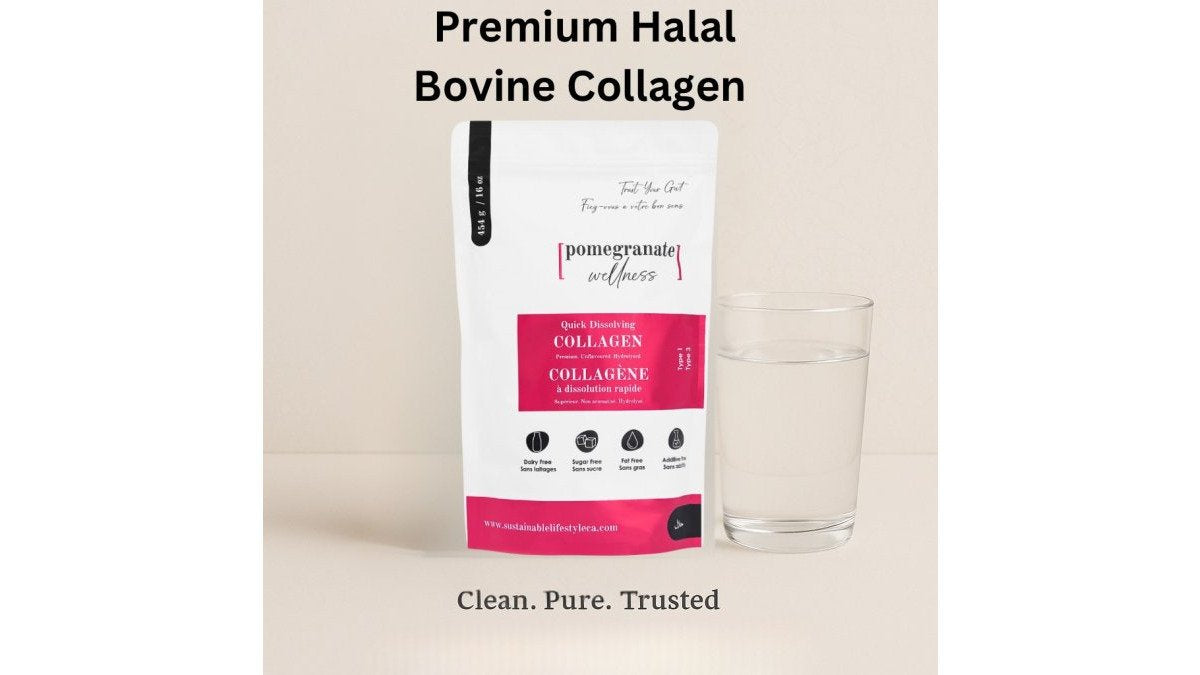
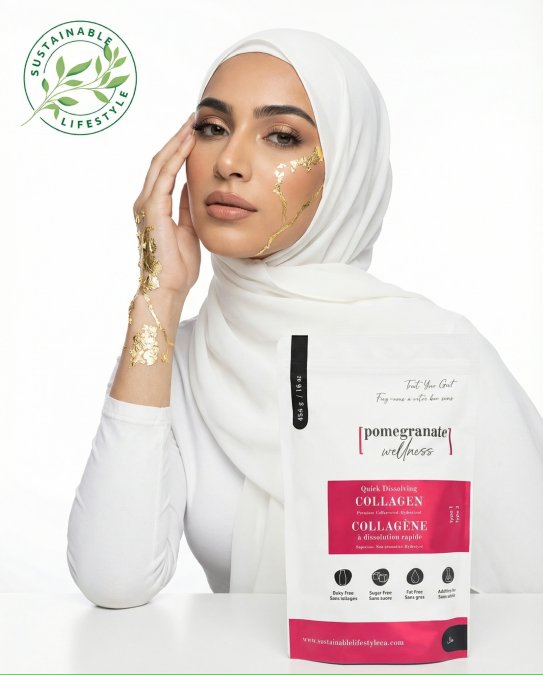
Sustainable Lifestyle takes this approach with its Halal-certified bovine collagen, a completely unflavored, odorless, pure powder that dissolves instantly into any hot or cold beverage without changing the taste. The ingredient panel lists one item: hydrolyzed bovine collagen peptides.
Step 3: Spot Fake or Misleading Halal Claims
- Borrowed logos. A badge that looks like a known certifier's mark but carries a different name.
- Self-declared halal. The brand certifies itself with no outside audit.
- Expired certificates. A real certificate from a real body, displayed years after it lapsed.
- Scope creep. A certificate for one product used to sell an entire range.
- Vague sourcing. "Halal-friendly" or "made with halal ingredients" instead of a named certifier.
- No contact route. No way to reach the certifier or the brand to confirm anything.
Assalamu alaikum. I am considering your collagen product. Could you please share: (1) the name of your halal certifying body, (2) your certificate number and expiry date, (3) confirmation that the certificate covers this exact product, and (4) the certificate of analysis for the current batch? Thank you.
Frequently Asked Questions
How do I verify a halal certificate for collagen supplements?
Start by locating the certificate number on the product label, then visit the certification body's official website to confirm it. Check that the certificate lists collagen peptides specifically, not just general food items. Verify the validity period has not expired and the manufacturing facility matches the brand. For halal collagen certification, look for recognized bodies like the Halal Monitoring Authority of Canada. If the brand cannot provide a certificate number or the body has no record, treat the claim as unverified.
What should I look for on a collagen label to confirm it is halal?
Look for a certification logo from a recognized halal certification body, a certificate number, and a clear statement that the product is halal-certified. Check the ingredient list for only hydrolyzed bovine collagen peptides with no gelatin, porcine derivatives, or alcohol-based carriers. The label should also state the source (bovine vs. marine) and confirm the facility handles halal compliance. Identifying authentic halal supplement labels means verifying the logo is not just a generic symbol but one tied to a real certifying organization.
How do I distinguish between self-certified and third-party certified halal collagen?
Self-certified brands simply print 'halal' on the label without independent oversight. Third-party certified products carry a certificate from an accredited halal certification body that audits the supply chain, slaughtering standards, and manufacturing facility. To tell them apart, ask for the certificate number and the certifying body's name. Then contact that body directly or check its online database. If the brand cannot name a specific certifier or provide a verifiable number, it is likely self-certified and lacks halal integrity assurance.
Why is bovine source verification important for halal collagen?
Bovine source verification confirms the cattle were raised and slaughtered according to halal standards. Collagen can come from bovine, marine, or porcine sources, and porcine-derived collagen is never halal. Even bovine collagen may be processed with non-halal methods or cross-contaminated in facilities handling pork. Checking bovine collagen sourcing transparency means confirming the cattle are grass-fed, pasture-raised, and processed in a halal-certified facility. This traceability protects halal compliance from farm to finished product.