Cart
0
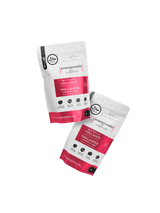
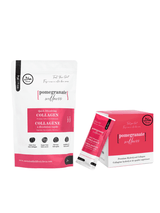

Table of Contents
- Why Sensitive Stomachs React to Some Collagen Powders
- Collagen Powder Ingredients to Avoid If You Have a Sensitive Stomach
- How to Choose a Collagen Supplement for Digestive Comfort
- Collagen Supplement Side Effects: What to Expect and When to Adjust
- Why Unflavored Collagen Powder Works Best for Sensitive Stomachs
- How to Introduce Collagen Slowly: Serving Size, Timing, and Preparation
- Conclusion: Finding Your Clean Label Collagen Match
- Frequently Asked Questions
Last Updated: October 12, 2026
Why Sensitive Stomachs React to Some Collagen Powders
A clean label collagen for sensitive stomachs comes down to one thing: what else is in the scoop. The collagen peptide itself is rarely the problem.

This guide covers the ingredients most likely to cause trouble, how to read a label, and how to introduce collagen at a pace your gut can handle.
Collagen peptides are short amino acid chains made by breaking down larger collagen proteins through hydrolysis, which makes them easier to dissolve and absorb.
Additives and Fillers That Trigger Bloating and Gas
Sugar alcohols sit at the top of the list. Maltitol, sorbitol, xylitol, and erythritol add sweetness without sugar, but they ferment in the colon, producing gas and loose stools in many people, some react to small amounts.
Other frequent offenders include inulin and chicory root fiber, fermentable fibers added for "gut health" claims that can worsen a sensitive digestive tract.
Collagen Powder Ingredients to Avoid If You Have a Sensitive Stomach
The shortest ingredient list is usually the safest one. A clean label collagen product should list collagen peptides and little else.
Here is what to scan for and skip:
| Ingredient | Why It Causes Trouble | What to Look For Instead |
|---|---|---|
| Sugar alcohols (maltitol, sorbitol, xylitol) | Ferment in the colon, causing gas and bloating | No sweeteners at all |
| Artificial sweeteners (sucralose, aspartame) | Linked to digestive discomfort in some people | Unflavored powder |
| Added fiber (inulin, chicory root) | Fermentable, can worsen bloating | Plain collagen peptides |
| Artificial flavors and colors | Unnecessary additives | Nothing but collagen |
| Dairy, gluten, soy fillers | Allergen triggers | Allergen-free formula |
Artificial Sweeteners, Flavors, and Sugar Alcohols
Flavored collagen exists because plain collagen has no taste, but the trade-off is a longer ingredient list. Sucralose and aspartame have been associated with digestive complaints in sensitive people, and sugar alcohols are worse because they pull water into the intestine and ferment. Anyone with IBS should be extra cautious: many react to fermentable carbohydrates, and sugar alcohols are among the most common triggers.
Hidden Allergens: Dairy, Gluten, and Soy
Collagen is an animal protein, so it is naturally dairy-free and gluten-free on its own. Problems appear when manufacturers add creamers, thickeners, or flavor carriers. A "vanilla" collagen might contain milk powder.
For anyone with lactose intolerance or celiac disease, the label is the only reliable guide. Look for explicit statements that the product is free from gluten, dairy, and soy, never assume it from the word "collagen" alone.
How to Choose a Collagen Supplement for Digestive Comfort
Choosing a collagen supplement for a sensitive stomach means prioritizing purity over flavor and marketing. Five things matter most.
- Ingredient count: Fewer than three ingredients is ideal. One is best.
- Sweeteners: None. Not sugar, not sugar alcohols, not artificial sweeteners.
- Allergen statements: Explicitly free from gluten, dairy, and soy.
What Third-Party Testing Can and Cannot Tell You
Collagen comes from animal tissue, and heavy metals like lead can concentrate in bone and hide. Independent testing is how a buyer knows what is actually in the pouch; without it, "clean label" is just a phrase on the front of the package. But testing has limits:
- It is a snapshot, not a guarantee. A certificate reflects the batch tested, not every batch ever produced. Ask whether the brand tests each lot or ran a one-time panel.
- Different labs test for different things. A heavy-metal panel (lead, cadmium, arsenic, mercury) is not the same as a microbial panel (salmonella, E. coli, yeast and mold), and neither matches an allergen or gluten test.
- Detection limits matter. A "not detected" result depends on how sensitive the method was; a very low limit of detection is more reassuring than a vague pass.
A practical habit: look for a brand that publishes batch-level results or sends them on request and names the laboratory. If a company will not share that, treat the claim as marketing.
Reading Sourcing Claims Without Getting Fooled
"Grass-fed" and "pasture-raised" are meaningful when defined, but they are not regulated the same way across every label. Two things help:
- Look for a named standard or certifier rather than a standalone adjective. A claim tied to a recognizable certification or a stated feeding and living standard is stronger than a word in a large font.
- Check that the species is stated. Bovine, marine, porcine, and eggshell sources behave differently and carry different allergen and dietary considerations. For Halal requirements, the source and the certification both need to be explicit.
Pro Tip
A label that lists one ingredient, hydrolyzed bovine collagen peptides, tells you more than a label with ten ingredients and a "clean" badge. Certifications matter, but the ingredient list is where the real answer lives.
Sustainable Lifestyle builds its formula around this principle: completely unflavored, odorless, pure Halal bovine collagen powder with a single ingredient, hydrolyzed bovine collagen peptides. It dissolves instantly in any hot or cold beverage without changing the taste, making it easy to test in plain water first.

A Quick Additive and Allergen Checklist
Before buying, scan the panel for these categories. Each is a common trigger worth ruling out when your gut is reactive:
- Sweeteners: sugar alcohols (maltitol, sorbitol, xylitol, erythritol), artificial sweeteners (sucralose, aspartame), and added sugars.
- Added fibers: inulin, chicory root, and other fermentable fibers marketed for gut health.
- Flavors and colors: natural and artificial flavors, plus any color additive.
If a product passes this scan and still bothers you, the next variable to check is dose, not ingredients.
Collagen Supplement Side Effects: What to Expect and When to Adjust
Most people notice nothing at all. When side effects occur, they tend to be mild and short-lived:
- Bloating or a heavy feeling after the first few servings
- Gas, usually from additives rather than collagen itself
- Loose stools, often tied to sugar alcohols or magnesium fillers
Portion size is a less obvious issue: a full scoop on day one gives the digestive tract more protein than it may be used to, and starting smaller avoids most of this.
Starter Pouch : Unflavoured Halal Collagen Powder 10oz (284g) →
General Sensitivity vs. a Diagnosed Condition
A sensitive stomach and a diagnosed digestive condition are not the same, and the guidance differs for each.
- General sensitivity is occasional, mild, and often tied to a specific product or a large dose. It usually settles when you switch to a single-ingredient powder and start small.
- GERD (gastroesophageal reflux disease) involves frequent acid reflux. Taking any supplement on an empty stomach, or lying down soon after, can worsen symptoms; taking collagen with food and staying upright is a common adjustment, but frequent or painful reflux needs clinical care.
- IBS (irritable bowel syndrome) is a diagnosed functional disorder, and many people with it react to fermentable carbohydrates. That is why sugar alcohols and added fibers are the first things to remove from a collagen blend.
If you have any of these diagnosed conditions, treat collagen as something to discuss with your care team before adding, not as a self-treatment. This article is general information, not medical advice.
When Symptoms May Not Be Caused by Collagen
Before blaming the collagen, rule out the more likely explanations. People often change several things at once and credit the wrong one.
- Serving size: A full scoop is a meaningful amount of protein; a third of a serving is a fair starting point.
- Other ingredients in the same product: Sweeteners, fibers, gums, and flavor carriers cause most reported symptoms.
- What you take it with: Coffee, a high-fat meal, or a large smoothie can each trigger symptoms on their own.
Watch Out
If you have a diagnosed digestive condition, are pregnant or breastfeeding, or take prescription medication, talk to your care team before adding any supplement. Stop and seek care if you develop severe pain, persistent vomiting, blood in your stool, or unexplained weight loss.
A Stepwise Way to Test Tolerance
Rather than trusting a product claim, test your own response:
- Start with one variable. Use a single-ingredient, unflavored powder so nothing else can confuse the result.
- Begin small. Take about one-third of a standard serving once daily for three days.
- Track symptoms. Note bloating, gas, stool changes, and reflux each day, along with what else you ate and drank.
- Increase slowly. If you feel fine, step up to two-thirds of a serving for a few days, then a full serving.
- Pause if symptoms appear. Drop back to the previous dose for a few more days, or stop and reassess.
- Reintroduce one thing at a time. If you later add a flavored product, change only that, so you can tell what caused any reaction.
This is a personal tolerance test, not a diagnostic tool. It cannot tell you whether you have a condition, only whether this product at this dose agrees with you.
Why Unflavored Collagen Powder Works Best for Sensitive Stomachs
Unflavored collagen powder removes the entire category of additives that cause problems: no sweeteners, flavors, colors, or thickeners. The ingredient list is one line long.

It also gives the user control. Plain collagen goes into coffee, tea, water, smoothies, soup, or baking, and someone testing tolerance can stir it into warm water and taste nothing, separating a reaction to collagen from one to a flavoring agent.
Watch Out
Switching from a flavored collagen to an unflavored one and still feeling bloated usually points to dose, not ingredients. Reduce the serving size before giving up on collagen entirely.
For anyone following Halal dietary requirements, unflavored also means fewer hidden ingredients to vet. A single-ingredient bovine collagen from a Halal-certified source removes most of the guesswork.
How to Introduce Collagen Slowly: Serving Size, Timing, and Preparation
A slow introduction is the most reliable way to find out whether collagen works for a given digestive system. The method below takes about two weeks.
- Week 1, days 1-3: Take one-third of a standard serving, once daily.
- Week 1, days 4-7: Increase to two-thirds of a serving if no symptoms appear.
- Week 2: Move to a full serving, once daily.
- Week 3 onward: Keep the full serving, or split it into two smaller doses if that feels better.
Timing matters too. Taking collagen with food slows absorption and tends to reduce stomach upset. Morning coffee works well because the powder dissolves cleanly and the drink is already part of a routine; some prefer it before bed.
Key Takeaway
Start at one-third of a serving for three days. Most tolerance problems come from starting too fast, not from collagen itself.
If symptoms appear at any stage, drop back to the previous dose for a few more days before trying again.
Conclusion: Finding Your Clean Label Collagen Match
The right clean label collagen for sensitive stomachs has one ingredient, no sweeteners, and a clear sourcing story.
Sustainable Lifestyle makes an unflavored, odorless Halal bovine collagen powder from grass-fed, pasture-raised cattle, with a single ingredient and no gluten, dairy, soy, sugar, or artificial preservatives. It dissolves in hot or cold drinks without changing the taste, making it simple to test at a low dose and build up from there.
Frequently Asked Questions
What is the best collagen for a sensitive stomach?
Unflavored, hydrolyzed collagen peptides with a short ingredient list work best for sensitive stomachs. Look for products that are free from artificial sweeteners, flavors, and common allergens like dairy, gluten, and soy. Hydrolyzed collagen is broken into smaller peptides that dissolve easily in hot or cold liquids and are typically easier to digest than non-hydrolyzed forms. Start with a smaller serving size and increase gradually over one to two weeks to assess your tolerance.
Is collagen hard on your stomach?
Hydrolyzed collagen peptides are generally well tolerated because the hydrolysis process breaks the protein into smaller chains that are easier to absorb. However, some people experience bloating or gas if the powder contains additives like sugar alcohols, artificial sweeteners, or added fibers. Choosing a clean label collagen with minimal ingredients reduces that risk. If discomfort continues after two weeks, reduce your serving size or pause and reintroduce slowly to identify the trigger.
Which collagen ingredients may be difficult for some people to tolerate?
Ingredients that commonly cause digestive discomfort include sugar alcohols like sorbitol and maltitol, artificial sweeteners such as sucralose and aspartame, added fibers like inulin or chicory root, and artificial flavors or colors. Some people also react to dairy-derived ingredients or gluten-based fillers. Reading the full ingredient list before buying helps you avoid these triggers. A product with only hydrolyzed collagen peptides and no extras is the safest starting point for a sensitive stomach.
How should I introduce collagen if I have a sensitive stomach?
Start with half the standard serving size, about 5 grams, mixed into a warm or cold beverage once daily for the first week. If you tolerate it well, increase to the full serving in the second week. Take it at the same time each day, ideally with food, to reduce the chance of stomach upset. Keep a simple log of what you ate and how you felt so you can spot any patterns. If symptoms appear, pause for three days and reintroduce at the lower amount.
Sorting through flavored powders and hidden additives takes time most people would rather spend elsewhere. Sustainable Lifestyle removes that step with a Halal-certified, single-ingredient bovine collagen that mixes into any drink without altering the taste. It is grass-fed, free from gluten, dairy, soy, and artificial preservatives, and ships across Canada with no duties or border fees. Add to Cart and start with a small daily serving.