Cart
0
Table of Contents
- Unflavoured vs Flavoured Collagen: What Actually Differs
- Does Collagen Improve Skin Elasticity?
- Best Type of Collagen for Skin
- Oral vs. Topical Collagen: Where Each One Fits
- How Long Does Collagen Take to Work for Skin?
- Ingredient Check: Reading a Flavoured Collagen Label
- Choosing an Unflavoured Collagen Powder for Skin
- Frequently Asked Questions
Last Updated: October 18, 2026
Unflavoured vs Flavoured Collagen: What Actually Differs
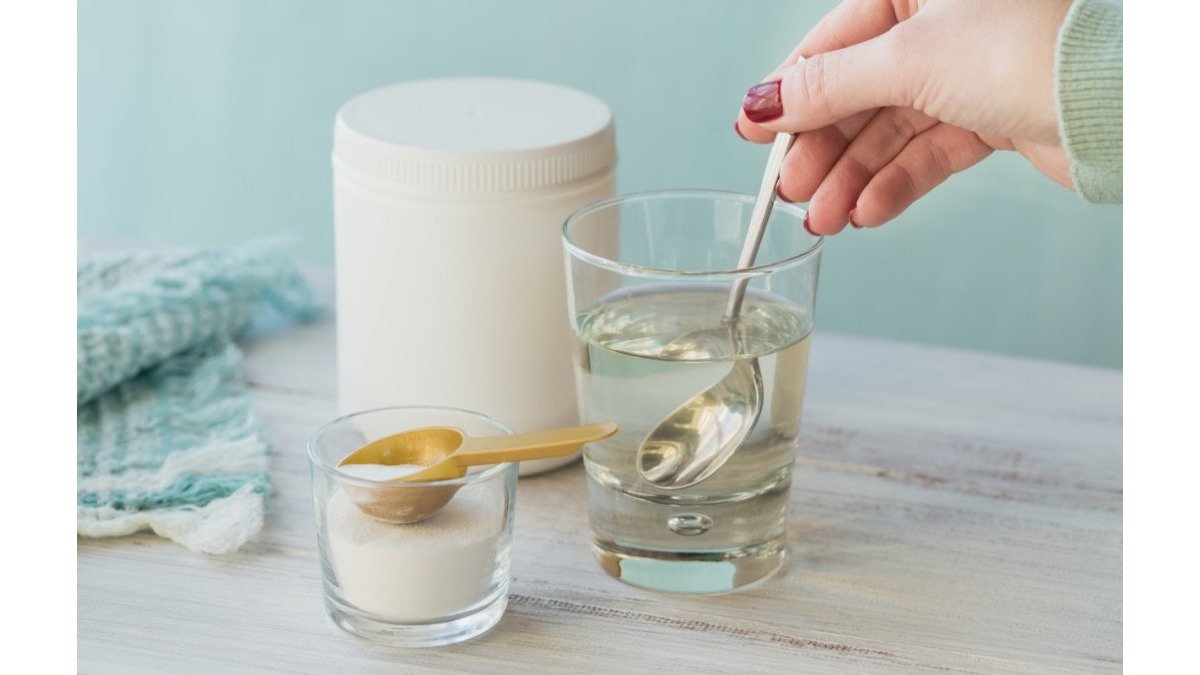
If you are asking whether unflavoured collagen is better for skin, the short answer is yes for most people, because flavour has nothing to do with skin results. Unflavoured collagen is a hydrolyzed protein powder with no added sweeteners, acids, or colouring, while flavoured versions mix collagen peptides with sugar, citric acid, or artificial flavour to make the drink taste like something. The collagen itself is often identical.
That is the part most guides skip. Sustainable Lifestyle sells a Halal-certified, grass-fed bovine collagen that is completely unflavoured and odourless, and the reason is simple: what helps your skin is the peptide. Below, this comparison breaks down what actually differs, what the evidence supports, and how to read a label before you buy.

Taste, Odour and What Gets Added
Flavoured collagen exists to solve a problem that unflavoured collagen does not have. A clean hydrolyzed peptide powder dissolves into water with almost no taste and no smell. A flavoured version adds ingredients to mask a flavour that is not really there, and those additions are what you end up paying for.
Common additions in flavoured collagen powders include:
- Sweeteners such as cane sugar, stevia, or monk fruit
- Citric acid or malic acid for tartness
- Natural and artificial flavours
- Fruit powders, which often carry a small sugar load
- Anti-caking agents and colouring
None of these improve skin. Some add calories or sugar you did not plan for. An unflavoured powder keeps the ingredient list to one line, which makes label transparency easy to check.
Pro Tip
Flip the tub over. If the ingredient list runs past collagen peptides into flavours, acids, and sweeteners, you are buying a drink mix with collagen in it, not a collagen supplement.
Mixability in Hot and Cold Drinks
Unflavoured collagen wins on versatility, and it is not close. A hydrolyzed peptide powder dissolves quickly in cold water, hot coffee, tea, smoothies, soups, and baking without clumping. Flavoured powders are formulated for one drink, usually cold water or a shake, and they can separate or turn grainy in hot liquids.
This matters for daily use. The easiest routine is the one you will actually repeat, and a powder that disappears into whatever you already drink makes consistency simple. Stir it into your morning coffee, blend it into a smoothie, or whisk it into soup.
Does Collagen Improve Skin Elasticity?
Collagen may modestly improve skin elasticity and hydration, but the honest answer is that the evidence is promising rather than proven, and the size of the effect is smaller than marketing suggests.
Here is the mechanism in plain terms. Collagen is the most abundant structural protein in your skin, and production declines with age.
What the research does not support is the idea that flavour plays any role. A flavoured and an unflavoured powder deliver the same peptides. The variables that matter are dose, consistency, source, and the rest of your diet and sun exposure, not whether your drink tastes like berries.
A realistic expectation looks like this:
- Hydration is often the first change people notice, sometimes within 4 to 8 weeks.
- Elasticity and firmness changes tend to appear later, often after 8 to 12 weeks of daily use.
- Wrinkle depth improvements in trials are usually small and measured instrumentally, not the kind of transformation a before-and-after photo implies.
- Non-responders exist. Some people see little change even with consistent use, and that is normal variation, not a sign the product is fake.
Key Takeaway
Treat oral collagen as a low-risk support for skin structure, not a treatment. Judge it after a full 12 weeks of consistent daily use, and pair it with sun protection and a protein-rich diet, which have stronger evidence behind them.
For a plain-language overview of what the research does and does not show, the NIH Office of Dietary Supplements overview of collagen is a reasonable starting point. The key takeaway for buyers is that flavour is not a variable in skin outcomes, formulation and consistency are.
Best Type of Collagen for Skin
Type I and Type III collagen are the best types for skin, because those are the forms found in skin, hair, and nails. Bovine collagen naturally contains both. Look for hydrolyzed collagen peptides, which are broken into smaller pieces for easier absorption.
Marine collagen is also popular for skin and is rich in Type I. Bovine collagen offers Type I and Type III together, which is why it is a common choice for people focused on skin, hair, and joints at once. The source matters less than the certification and the processing.
What most guides miss is that "best type" is a smaller factor than most people think. A well-sourced, hydrolyzed bovine peptide taken daily will outperform a fancy-sounding collagen taken sporadically.
Starter Pouch : Unflavoured Halal Collagen Powder 10oz (284g) →
Oral vs. Topical Collagen: Where Each One Fits
Oral and topical collagen do different jobs, and neither replaces the other. Oral collagen peptides are absorbed and support skin from within. Topical collagen sits on the skin surface and acts mainly as a moisturizer, because collagen molecules are too large to penetrate deeply.
| Approach | How It Works | Best For | Limitation |
|---|---|---|---|
| Oral collagen | Peptides absorbed and used throughout the body | Skin hydration, firmness, hair, nails, joints | Takes weeks to months to notice |
| Topical collagen | Sits on skin surface, holds moisture | Immediate surface hydration | Does not rebuild skin structure |
| Both together | Inside-out support plus surface care | A complete routine | Requires consistency |
A practical routine uses both: a daily oral powder for structural support and a topical moisturizer for surface hydration. If you had to pick one, oral collagen has the stronger case for skin appearance over time.
How Long Does Collagen Take to Work for Skin?
Collagen typically takes eight to twelve weeks of daily use before you notice skin changes, and some people need longer. Hydration often improves first, while firmness and elasticity changes show up later. This is not a fast-acting supplement.
Set expectations before you start. Take it every day at the same time, keep the dose consistent, and give it a full three months before judging results. If you are also focused on hair, that timeline stretches further, since hair grows slowly.
Watch Out
The most common mistake is quitting at week four. Collagen needs weeks of steady daily use to build up, and stopping early guarantees you will not see the benefit you paid for.
Ingredient Check: Reading a Flavoured Collagen Label
Reading a flavoured collagen label is where most buyers get caught. The front of the tub says "collagen" in large letters. The back tells a different story. Flavoured products vary widely in what they add, and those additions are the main practical difference between one tub and another. Check these categories before you buy.
- Collagen dose per serving. Confirm the grams of actual collagen peptides, not the total scoop weight. A 10-gram scoop may contain only 5 to 8 grams of collagen once flavourings and sweeteners are included. Compare dose per serving across products, not scoop size.
- Added sugar. Flavoured powders often carry cane sugar, fruit powders, or syrups. Check the grams of sugar per serving and multiply by your daily servings to see the weekly load. A product with 4 grams per serving adds 28 grams a week at one scoop a day.
- Non-sugar sweeteners. Stevia, monk fruit, sucralose, and maltitol appear frequently. Some people notice digestive effects from sugar alcohols like maltitol, and some prefer to avoid certain sweeteners entirely. The label tells you which one you are getting.
- Acids and flavourings. Citric acid, malic acid, and natural or artificial flavours are added for tartness and taste. They do not improve skin, and in hot drinks they can contribute to a sharper taste or separation.
- Vitamins and "beauty" add-ons. Some flavoured products add vitamin C, biotin, or hyaluronic acid. These can be useful, but they also raise the price and make it harder to tell which ingredient is doing what. Check whether the add-on is at a meaningful dose or just a label claim.
- Anti-caking agents and colouring. Silicon dioxide and similar agents keep powder from clumping; colouring is cosmetic. Neither affects skin.
- Certification. For Halal buyers, look for a clear Halal-certified claim, not a vague "suitable for" note.
An unflavoured powder makes this check easy because there is almost nothing to read. That transparency is the real advantage: you can see the dose, confirm there is no added sugar or sweetener, and know exactly what you are taking.
Pro Tip
Compare two tubs side by side using the nutrition panel, not the front label. Line up collagen grams per serving, sugar grams per serving, and the number of non-collagen ingredients. The product with the shortest ingredient list and the highest collagen dose per serving is usually the better value for skin.
Choosing an Unflavoured Collagen Powder for Skin
Choosing an unflavoured collagen powder comes down to source, certification, and how it mixes. For skin, prioritize hydrolyzed bovine peptides with Type I and Type III, a clean ingredient list, and a certification you trust.
Sustainable Lifestyle's unflavoured Halal collagen fits that brief. It is Halal-certified, made from grass-fed, pasture-raised cattle, and free from gluten, dairy, soy, sugar, and artificial preservatives. It is odourless and dissolves without clumping in hot or cold drinks. The Starter Pouch at $39.99 gives 28 servings, and the Value Upgrade at $59.99 gives 45. Larger bundles lower the cost per serving for anyone building a long-term routine.
If you want a Halal-certified powder that will not change the taste of your coffee or smoothie, this is the straightforward pick. Add it to your cart and start a daily routine you can actually keep.
Frequently Asked Questions
Is unflavoured collagen better for skin than flavoured collagen?
Flavour has no effect on how well collagen supports skin. What changes is everything added alongside it. Flavoured powders usually carry sweeteners, flavourings and sometimes extra sugar, which add ingredients you did not ask for. Unflavoured collagen is simply hydrolyzed collagen peptides, so you get the same protein with a shorter ingredient list. The practical advantage of unflavoured collagen is that you can add it to coffee, tea, smoothies or soup without changing the taste of any of them.
How long does collagen take to work for skin?
Most people should plan on a matter of months, not days. Collagen is a protein you top up daily, and skin turnover is slow, so visible changes in firmness or hydration are gradual. Consistency matters more than dose spikes: a daily serving taken at roughly the same time is the habit that supports results. If you stop, levels return to where they were. Set a three-month checkpoint and judge from there rather than from week two.
Can unflavoured collagen powder be mixed into hot or cold drinks?
Yes. Hydrolyzed collagen peptides dissolve in both hot and cold liquids. Stir a serving into water, coffee, tea, smoothies, soups or baking recipes. Hot drinks are fine, though very high heat for long periods is not necessary. Unflavoured powder is odourless, so it will not alter the taste of coffee or tea, which is the main reason people choose it over flavoured versions.
What should you look for in a collagen powder for skin?
Check four things: the collagen type (Type I and Type III are the ones studied for skin), the source (bovine or marine), the ingredient list (ideally just hydrolyzed collagen peptides), and certification if you need Halal. A clean label with no added sugar, sweeteners or artificial preservatives tells you what you are actually taking. Serving count per pouch matters too, since cost per serving is the number that reflects real value.
Is oral collagen more effective for skin than topical collagen?
They work in different ways. Oral collagen is digested and distributed through the body, so it supports skin from the inside and reaches areas a cream cannot. Topical collagen sits on the skin surface and mainly helps with hydration and barrier feel rather than rebuilding structure. Many people use both: a daily oral serving for overall support and a topical product for surface moisture. Neither replaces sun protection, which remains the biggest factor in skin aging.
The challenge with collagen is not finding a product, it is finding one that fits your faith, your routine, and your label standards. Sustainable Lifestyle offers a Halal-certified, grass-fed bovine collagen that is unflavoured, odourless, and free from sugar and artificial preservatives, so it disappears into any drink without changing the taste. Get started with Sustainable Lifestyle and build a daily skin routine that respects both your health and your values.