Cart
0
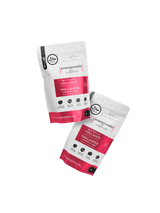
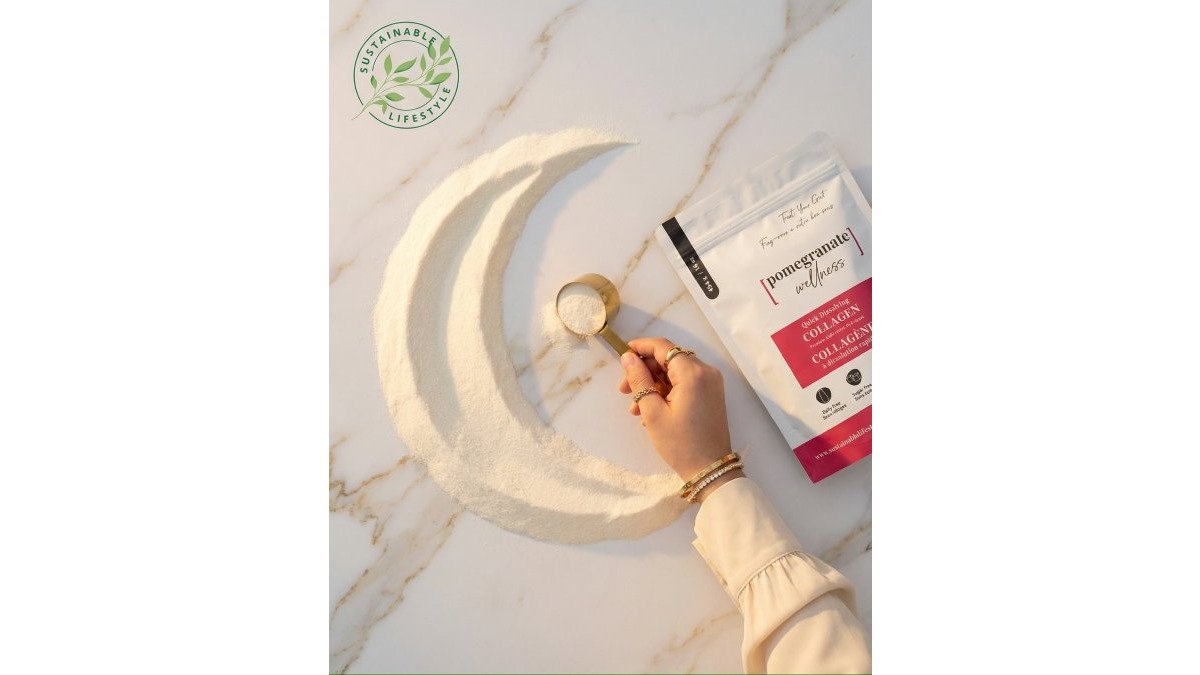
Table of Contents
- How Collagen Supports Gut Health
- Collagen and Gut Health: What Research Shows
- Collagen Peptides for Digestion: Types and Forms
- How Long Does Collagen Take to Work for Gut Health
- Collagen Side Effects and Safety Considerations
- Practical Dosing and Integration into Your Routine
- Collagen Versus Other Gut-Support Strategies
- Frequently Asked Questions
Last Updated: October 15, 2026
How Collagen Supports Gut Health
Collagen for gut health support has become increasingly relevant as people seek natural approaches to digestive wellness. The intestinal lining, a thin, permeable barrier, depends on structural proteins to maintain its integrity and function.
The intestinal lining sits between your digestive tract and your bloodstream. When functioning optimally, it allows nutrients to pass through while blocking unwanted substances.
Pomegranate Wellness's Halal-certified bovine collagen powder delivers these amino acids in a form your digestive system can readily absorb. The hydrolyzed collagen peptides dissolve instantly into any beverage, hot coffee, cold water, warm tea, without altering taste or texture.
The intestinal lining and barrier function
Your intestinal lining renews itself constantly, replacing damaged cells roughly every 3-5 days. This rapid turnover demands a steady supply of amino acids, particularly those abundant in collagen.
The intestinal barrier performs dual functions: selective permeability and immune defense. It must allow beneficial nutrients through while preventing bacterial endotoxins and undigested food particles from entering the bloodstream. When the lining weakens, this selective barrier function deteriorates.
Research from the University of Alberta's nutrition research department has examined how amino acid profiles in dietary proteins influence digestive tissue repair. Collagen's amino acid composition aligns closely with what intestinal tissue requires for maintenance and regeneration.
Amino acids that support digestive tissue
Glycine, proline, and hydroxyproline together comprise roughly 50% of collagen's amino acid content. Glycine plays multiple roles: it supports collagen synthesis, reduces inflammation markers, and enhances stomach acid production, all relevant to digestive function. Proline contributes to collagen cross-linking, which strengthens tissue structure.
Glutamine, another amino acid present in collagen, serves as fuel for intestinal cells. When your digestive tract experiences stress, whether from diet, lifestyle, or environmental factors, glutamine becomes depleted. Collagen supplementation replenishes this supply, supporting cell energy and repair.
Pro Tip
Collagen works best as part of a consistent routine rather than occasional use. Three to four weeks of daily intake allows your intestinal tissue sufficient time to incorporate these amino acids into new structural proteins.
Collagen and Gut Health: What Research Shows
The evidence connecting collagen to digestive health exists but carries important limitations. Human studies specifically examining collagen supplementation for gut health remain relatively sparse compared to research on other supplements. Most evidence comes from animal studies, in vitro research, and studies examining collagen's effects on related conditions like joint health and skin elasticity.
Evidence grading and research limitations
Many studies on collagen examine its effects on skin elasticity, joint pain, or bone density rather than digestive health specifically. When researchers do study digestive applications, sample sizes are often small and study durations brief.
The distinction matters for realistic expectations. A common mistake is treating preliminary evidence as proven fact. Collagen shows promise for supporting gut health based on its amino acid profile and theoretical mechanisms, but strong human clinical trials specifically measuring digestive outcomes remain limited.
When evaluating any supplement, consider the evidence hierarchy: human studies rank higher than animal studies, larger studies outweigh smaller ones, and longer follow-up periods provide better data than brief observations.
Inflammation and digestive tract health
Low-grade inflammation in the digestive tract contributes to multiple digestive complaints: bloating, discomfort, and irregular digestion. Collagen peptides may influence inflammation through multiple pathways. Glycine itself has been shown in research to have anti-inflammatory properties, though most studies examined this in non-digestive contexts.
The amino acid profile of collagen supports your body's natural anti-inflammatory mechanisms. When your intestinal lining receives adequate collagen precursors, tissue repair accelerates, potentially reducing the chronic irritation that drives inflammation.
McMaster University's digestive health research group has published on how dietary protein quality influences inflammatory markers in the digestive tract. Collagen's amino acid composition aligns with protein profiles that support this process.
Collagen Peptides for Digestion: Types and Forms
Not all collagen supplements deliver identical benefits. The type of collagen, processing method, and molecular size all influence how your body utilizes the product. Understanding these distinctions helps you choose appropriately.
Hydrolyzed collagen and peptide differences
Hydrolyzed collagen, also called collagen peptides, undergoes enzymatic breakdown that reduces molecular weight. This smaller size allows faster absorption compared to whole collagen or gelatin.
Gelatin represents a partially hydrolyzed form, it gels when cooled but still contains larger peptide chains than fully hydrolyzed collagen. Collagen peptides dissolve instantly in any temperature liquid without gelling. For someone seeking to add collagen to daily beverages, peptides offer superior convenience.
Pomegranate Wellness's collagen powder contains 100% hydrolyzed bovine collagen peptides. The unflavoured, odourless formula means you control the taste entirely, add it to coffee, tea, soup, or smoothies without altering the beverage's flavor profile.
Type I and type III collagen for digestive support
Bovine collagen contains primarily type I and type III collagen. Type I collagen provides tensile strength, it resists pulling and stretching forces. Type III collagen offers elasticity and supports blood vessel integrity. Together, these types create resilient tissue structure throughout your digestive tract.
Type II collagen, abundant in cartilage, supports joint health more directly than digestive function. Most collagen supplements marketed for general wellness contain type I and III, making bovine collagen appropriate for digestive support.
The combination of type I and III in bovine collagen addresses multiple structural needs within the digestive system: the intestinal lining requires both strength and elasticity to function optimally.
How Long Does Collagen Take to Work for Gut Health
Patience represents one of the most underestimated factors in collagen supplementation. Your intestinal lining renews continuously, but this process unfolds over weeks, not days. Realistic timelines help distinguish genuine results from placebo effects.
Timeline for noticing digestive improvements
Many people report initial digestive changes within 2-3 weeks of consistent daily collagen intake. These early changes often involve subtle shifts: slightly less bloating, improved regularity, or reduced post-meal discomfort. These observations suggest the collagen is being incorporated into tissue repair processes.
Ultimate Value Bundle – 2 x 16oz (454g) Pouches →
More substantial improvements typically emerge between 4-8 weeks of consistent use. By this point, your intestinal lining has undergone multiple renewal cycles, and collagen peptides have been incorporated into new structural proteins. Digestive comfort may improve noticeably, and some people report better nutrient absorption reflected in improved energy or skin appearance.
Watch Out
Stopping collagen after 2-3 weeks because you haven't seen dramatic results is a common mistake. Your intestinal tissue requires time to rebuild. Consistency matters far more than intensity, daily intake of a moderate amount outperforms sporadic high doses.
Factors that affect results and consistency
Individual variables significantly influence how quickly you notice changes. Your current digestive health serves as a baseline: someone with significant digestive distress may notice improvements sooner than someone with mild symptoms, simply because the changes are more obvious.
Age influences collagen metabolism. Younger adults typically synthesize collagen more efficiently, potentially experiencing benefits sooner. Older adults may require longer periods to notice changes, though collagen remains beneficial across age groups.
Consistency determines outcomes more reliably than any other factor. Taking collagen daily for four weeks produces measurable results far more often than sporadic use.
Collagen Side Effects and Safety Considerations
Collagen supplements rank among the safest supplements available, but individual responses vary. Understanding potential reactions helps you use collagen confidently and recognize when an adjustment might be needed.
Common digestive responses and sensitivities
Some people experience temporary digestive changes when starting collagen. These typically include mild bloating, slight changes in digestion, or minimal stomach discomfort. These responses usually resolve within 3-7 days as your digestive system adapts.
Allergic reactions to collagen remain rare but possible. Bovine collagen could theoretically trigger reactions in people with severe beef allergies, though the processing removes most allergenic proteins. If you have a documented beef allergy, consult a healthcare provider before starting collagen supplementation.
Some people report improved digestion immediately, experiencing less bloating or better regularity within days. Others notice no change for several weeks. Both responses fall within normal ranges.
Who should exercise caution
Pregnant and nursing individuals should consult their healthcare provider before starting any new supplement, including collagen. While collagen itself appears safe, pregnancy and nursing involve unique nutritional considerations that warrant professional guidance.
People taking blood-thinning medications should discuss collagen supplementation with their healthcare provider, as collagen may have minor effects on blood clotting. This represents a precautionary measure rather than a known serious interaction.
Those with diagnosed digestive conditions, inflammatory bowel disease, severe IBS, or other inflammatory digestive disorders, should introduce collagen gradually and under professional guidance. While collagen may eventually support digestive health, starting too aggressively could temporarily worsen symptoms in sensitive individuals.
Practical Dosing and Integration into Your Routine
Consistency matters more than perfection. A modest daily amount taken every day produces better results than sporadic larger doses.

Recommended daily servings typically range from 10-20 grams of collagen peptides for digestive support. The Ultimate Value Bundle (2 x 16oz pouches, $112.99) offers 90 servings, roughly three months of daily intake, at better value for those committed to longer-term use.

Timing matters less than consistency. Take collagen whenever fits your routine: morning coffee, afternoon tea, evening soup, or bedtime beverage.
Mix collagen into any beverage at any temperature. The hydrolyzed peptides dissolve instantly in hot or cold liquids without altering taste, texture, or appearance. This versatility removes barriers to consistent use.
Key Takeaway
Start with 10 grams daily for two weeks to assess tolerance, then increase to your target amount (typically 15-20 grams daily) for the next 4-6 weeks. This gradual approach minimizes adjustment reactions while allowing your body to adapt.
Collagen Versus Other Gut-Support Strategies
Collagen represents one approach among several for supporting digestive health. Understanding how it compares to alternatives helps you make informed choices.
Many people combine collagen with other strategies: adequate hydration, fiber-rich foods, stress management, and quality sleep all support digestive function. Collagen works synergistically with these approaches rather than replacing them.
Probiotics support gut microbiome balance, a different mechanism than collagen's structural support. Some people benefit from both. Bone broth contains collagen but in lower concentrations than collagen peptides and requires cooking time.
The most effective approach combines multiple supportive strategies: collagen for tissue structure, adequate water intake for hydration, dietary fiber for microbiome health, and stress management for nervous system regulation.
Digestive health depends on a resilient intestinal lining, consistent nutrient absorption, and manageable inflammation. Start with the Starter Pouch ($39.99) to assess your response, or choose the Ultimate Value Bundle ($112.99) for three months of consistent daily intake.

Frequently Asked Questions
Can collagen help support gut health?
Collagen contains amino acids like glycine and glutamine that support the intestinal lining and digestive tract. The intestinal barrier plays a key role in nutrient absorption and digestive comfort. While human research is still developing, collagen peptides are commonly used to support gut health as part of a broader wellness routine. Results vary by individual, and consistency matters, most people trial collagen for 4-12 weeks to assess effectiveness.
How long does collagen take to work for digestive support?
Most people notice changes in digestive comfort within 4 to 8 weeks of daily use, though some report improvements within 2-3 weeks. Hair, skin, and joint benefits typically appear after 8-12 weeks of consistent supplementation. Results depend on your baseline health, daily serving size, diet quality, hydration, and stress levels. Starting with a standard serving (10-15 grams daily) and maintaining consistency is key to seeing results.
What are the side effects of collagen supplements?
Most people tolerate collagen powder well. Some experience mild bloating, constipation, or a feeling of fullness when starting, especially if they increase their serving too quickly. These effects typically resolve within a few days as your digestive system adapts. If you have sensitive digestion, start with a smaller serving (5 grams) and gradually increase. Avoid collagen if you have a known allergy to bovine products or are taking blood-thinning medications without consulting your healthcare provider.
Why choose Halal-certified collagen for gut support?
Halal-certified collagen, like our grass-fed bovine formula, meets strict Islamic dietary laws and quality standards. The certification ensures the source is ethically raised and processed according to faith-based principles. Our unflavoured, odourless powder dissolves instantly into any hot or cold beverage without changing taste, making it easy to add to your daily routine. Grass-fed sourcing also means higher-quality amino acid profiles compared to grain-fed alternatives.