Cart
0
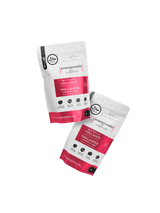
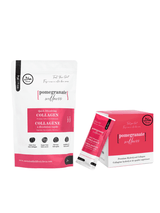

Table of Contents
- Is Bovine Collagen Safe While Breastfeeding? The Short Answer
- Collagen Supplements Breastfeeding Safety: What the Evidence Actually Shows
- Collagen Powder While Breastfeeding: Types, Sources, and What to Look For
- Bovine Collagen Sourcing, Purity, and Halal Certification
- Collagen Allergy Symptoms and Other Reactions to Watch For
- How Long Does Collagen Take to Work, and How to Introduce It Safely
- Medications, Health Conditions, and When to Ask Your Healthcare Provider
- Conclusion
- Frequently Asked Questions
Last Updated: October 20, 2026
Is Bovine Collagen Safe While Breastfeeding? The Short Answer
The short answer is that bovine collagen is generally considered safe while breastfeeding for most nursing mothers, based on its nature as a food-derived protein rather than a drug.

Bovine collagen is a protein supplement made from cattle connective tissue, usually sold as a powder that mixes into drinks.
Here is the honest caveat: there is little research looking specifically at collagen supplements in nursing women. That does not make collagen risky.
Below, we'll show you exactly what to check before you buy, how to introduce a powder safely, and the warning signs worth watching for.
Key Takeaway
Collagen is a protein, not a medication. The real questions are product quality, sourcing, and your own tolerance, not whether the ingredient itself is off-limits.
Collagen Supplements Breastfeeding Safety: What the Evidence Actually Shows
Collagen supplements breastfeeding safety comes down to one key fact: hydrolyzed collagen breaks down into ordinary amino acids during digestion. Your body does not recognize it as "collagen" by the time it reaches your bloodstream. But "generally considered safe" is doing a lot of work in most articles on this topic, so it is worth separating what is actually established from what is assumed.
How Collagen Is Digested and Absorbed
Hydrolyzed collagen peptides are short chains of amino acids. Stomach acid and enzymes split them further into single amino acids and small peptides. These are absorbed in the small intestine and used wherever the body needs protein.
That process matters for nursing mothers. The amino acids from a collagen powder join the same pool your body draws on for breast milk production, tissue repair, and energy. They are not a foreign substance passing through unchanged.
What Is Established vs. What Is Unknown
It helps to sort the evidence into two buckets.
Well established:
- Collagen is a protein, and protein is a required part of a nursing mother's diet. Health authorities consistently emphasize adequate protein intake during lactation.
- Hydrolyzed collagen is digested into amino acids and small peptides, the same building blocks supplied by ordinary foods.
- Protein from food sources is not transmitted intact into breast milk; the mammary gland assembles milk from the amino acid and nutrient pool in the bloodstream.
- Collagen has a long history of use as a food-derived ingredient, and serious adverse events are uncommon in the general population.
Not established:
- There are no large, long-term clinical trials of collagen supplements specifically in breastfeeding women. Most collagen research looks at skin, joint, or bone outcomes in general adult populations.
- There is limited direct data on how supplement-level doses affect milk composition, milk volume, or infant tolerance over months of use.
- Long-term outcomes for exclusively breastfed infants whose mothers take collagen have not been studied in a controlled way.
That gap does not make collagen risky. It means the reassurance rests on the safety of protein as a category, not on breastfeeding-specific trials. A cautious reader should treat "generally considered safe" as a reasonable inference, not a proven finding.
What Nursing Mothers Might Expect From Collagen
Many women look to collagen for postpartum hair shedding, skin changes, and joint comfort. These are common concerns after pregnancy, and collagen is a popular choice for them.
Be realistic about what a supplement can do:
- It supports the raw materials your body uses for skin, hair, and connective tissue.
- It does not replace a balanced diet or treat a medical condition.
- Results build slowly, over weeks rather than days.
Most studies on collagen look at skin or joint outcomes in general adult populations, not at nursing women specifically. That gap is worth knowing before you set expectations, and before you assume a powder will fix postpartum hair loss, which is driven largely by hormone shifts and usually resolves on its own timeline.
Key Takeaway
The honest position: collagen is a protein your body already knows how to handle, but breastfeeding-specific research is thin. Use it as a dietary supplement, not a treatment, and let your tolerance and your baby's responses guide you.
Collagen Powder While Breastfeeding: Types, Sources, and What to Look For
Collagen powder while breastfeeding deserves a careful look at the label, because not all powders are built the same way. Type and source matter as much as the brand name on the front.

Most powders fall into a few categories:
- Bovine collagen: Sourced from cattle. Typically supplies Type 1 and Type 3 collagen, the types linked to skin, hair, and joint support.
- Marine collagen: Sourced from fish. Popular, but not suitable for anyone avoiding fish or following certain dietary rules.
- Multi-collagen blends: Combine several animal sources. Convenient, but harder to trace each ingredient.
- Hydrolyzed collagen peptides: Pre-broken down for easier mixing and absorption. This is the form most powders use.
A Practical Label-Reading Checklist
Use this checklist before you commit to any powder:
- The collagen type is stated clearly (for example, Type 1 and Type 3)
- The animal source is named, not hidden behind "gelatin" or "protein blend"
- The ingredient list is short and free of added sugar, fillers, or artificial colors
- A recognized Halal certification is displayed, not just claimed in marketing copy
- The label states whether the powder is flavored or unflavored
- Allergen information is easy to find
- The serving size and servings per container are clear
Watch Out
A powder that lists "collagen blend" without naming the source or type is a red flag. You cannot assess purity or suitability for your diet if the label stays vague.
Bovine Collagen Sourcing, Purity, and Halal Certification
Sourcing is where most collagen products either earn trust or lose it.
Purity concerns are real for any dietary supplement. Contaminants, heavy metals, and undeclared additives are the usual worries.
For Muslim families, Halal certification is not a nice extra. It is the deciding factor.
The powder is Halal-certified, made from grass-fed bovine sources, and completely unflavored and odorless. It dissolves instantly into hot or cold drinks without changing the taste.
Starter Pouch : Unflavoured Halal Collagen Powder 10oz (284g) →
The brand also states the formula is free from gluten, dairy, soy, sugar, and artificial preservatives, which keeps the ingredient list simple for anyone watching their intake.
Collagen Allergy Symptoms and Other Reactions to Watch For
Collagen allergy symptoms are uncommon, but they are worth knowing before your first serving. Most reactions trace back to the animal source rather than the collagen itself.
Watch for these signs after trying a new powder:
- Hives, itching, or a rash
- Swelling of the lips, face, or throat
- Stomach upset, nausea, or loose stools
- Headache or a general feeling of unease
A true allergy is rare. More often, people experience mild digestive discomfort when they start a new supplement. That usually settles as the body adjusts.
If you have a known allergy to beef or cattle-derived products, skip bovine collagen entirely and speak to your healthcare provider first. The same applies if your baby has shown sensitivity to foods you eat.
Pro Tip
Start with half a serving for the first few days. If nothing changes, move to a full serving. This makes it much easier to spot a reaction and rule out other causes.
How Long Does Collagen Take to Work, and How to Introduce It Safely
How long does collagen take to work? Most people notice gradual changes over four to twelve weeks, not overnight. Hair and skin turnover is slow, so patience is part of the process.
A safe introduction looks like this:
- Check with your healthcare provider or midwife first, especially in the early postpartum weeks.
- Start with a small serving, mixed into water, coffee, tea, or a smoothie.
- Take it at the same time each day to build a routine.
- Watch for changes in digestion, skin, or how you feel.
- Increase slowly only after a week or two of comfortable use.
Many nursing mothers find a morning drink is the easiest anchor. An unflavored powder slips into coffee or tea without altering the taste, which makes consistency simpler.
Medications, Health Conditions, and When to Ask Your Healthcare Provider
Some situations call for a conversation before you start, not after. A healthcare provider can weigh your full picture in a way no label can.
Ask first if any of these apply:
- You take prescription medication of any kind
- You have a diagnosed health condition affecting digestion, kidneys, or liver
- You have a known food allergy to beef or animal proteins
- Your baby has shown reactions to foods in your diet
- You are unsure whether a supplement fits your postpartum plan
A midwife or doctor can also flag interactions or timing issues that a general guide cannot. This article offers general information, not medical advice for your specific situation.
If you or your baby has a reaction after starting collagen, stop using it and seek medical guidance. Bring the product label with you so the provider can see exactly what you took.
Conclusion
Choosing a supplement while nursing comes with real questions, and the answers should be clear, not buried in fine print. Bovine collagen is generally considered safe for most nursing mothers, but quality, sourcing, and Halal certification are what separate a good product from a gamble.
We offer a Halal-certified, grass-fed bovine collagen powder that is completely unflavored and odorless. For families who want clean-label support for hair, skin, joints, and gut wellness, it is a straightforward fit.
Add a clean, Halal-certified collagen to your daily routine with confidence.
Frequently Asked Questions
Is it safe to take collagen supplements while breastfeeding?
For most nursing mothers, a clean bovine collagen supplement taken in normal amounts is considered a low-risk addition, but breastfeeding-specific research is limited. Collagen is a protein that breaks down into amino acids during digestion, and those amino acids are already present in breast milk. The bigger variables are product quality and your own tolerance. Choose a supplement with a short ingredient list, check for allergens, and introduce it gradually so you can notice any reaction in yourself or your baby. Speak with your healthcare provider or midwife before starting, especially if you have allergies or a health condition.
Can bovine collagen cause allergic reactions?
Yes, though reactions are uncommon. Collagen allergy symptoms can include hives, itching, swelling of the lips or face, stomach upset, or worsening eczema. Because bovine collagen comes from cattle, anyone with a known beef allergy should be cautious and ask a healthcare provider first. Stop using the product and seek medical advice if you notice swelling, difficulty breathing, or a rash after taking it. If you are nursing and your baby develops a new rash, fussiness, or digestive change after you start a supplement, pause it and check with your baby's doctor.
How long does collagen take to work?
Most people who notice changes in skin, hair, or joints report them after several weeks to a few months of consistent daily use, not days. Collagen is not a quick fix, and results vary by person, dose, and overall diet. Set a realistic window of eight to twelve weeks before judging whether it is helping. Keep a simple note of what you notice, and remember that postpartum hair shedding often resolves on its own as hormone levels settle. If nothing changes after a few months, it may not be the right fit for you.
What should I check on a collagen supplement label while nursing?
Look at four things: the ingredient list, the protein source, allergens, and added extras. A clean product lists hydrolyzed bovine collagen peptides and little else. Avoid formulas with added sugar, artificial flavors, or stimulants. Check for dairy, soy, gluten, or egg if you or your baby are sensitive. Confirm the collagen comes from grass-fed, pasture-raised cattle and that the brand states its certification clearly. If a label is vague about sourcing or ingredients, treat that as a reason to keep looking.
Should I ask a healthcare provider before taking collagen while breastfeeding?
Yes, and it is a short conversation worth having. Your healthcare provider or midwife knows your health history, medications, and any allergy concerns, and can tell you whether collagen fits your situation. This matters most if you take prescription medication, have a diagnosed condition, or have had reactions to supplements before. Bring the product label with you so they can review the ingredients. A quick check gives you a clearer answer than guessing, and it keeps your baby's wellbeing at the center of the decision.