Cart
0

Last Updated: October 22, 2026
Quick Summary
To support joint health, combine low-impact movement like walking or swimming with resistance training two to three times weekly, daily stretching, anti-inflammatory nutrition including fatty fish and leafy greens, and adequate hydration. This integrated approach keeps joints mobile, reduces inflammation, and builds the strength needed for pain-free movement across all life stages.
- Aim for 150 minutes of moderate-intensity cardiovascular activity weekly, focusing on low-impact exercises like walking, swimming, or cycling.
- Perform resistance training two to three times per week targeting legs, back, core, and shoulders to support joint stability.
- Eat fatty fish two to three times weekly, nuts, berries, and leafy greens to reduce inflammation and support joint function.
- Stretch daily or at least five days per week, holding each stretch for 15 to 30 seconds after your body is warm.
- Even a 5 to 10 percent reduction in body weight meaningfully improves comfort in weight-bearing joints like knees and hips.
Table of Contents
- Understanding Joint Health and Mobility
- Exercises for Joint Health and Strength
- Stretches for Joint Pain Relief and Flexibility
- Foods for Joint Health and Anti-Inflammatory Nutrition
- Supplements for Joint Pain and Joint Function
- Weight Management and Joint Stress Reduction
- When to Seek Medical Assessment for Joint Concerns
- Building Your Joint Health Routine
- Frequently Asked Questions
Understanding Joint Health and Mobility
Joint health determines how freely the body moves.
Joints are where two bones meet, held together by ligaments, cushioned by cartilage, and lubricated by fluid. When inflammation builds or cartilage wears down, stiffness and discomfort follow.
Supporting joint health isn't about waiting for problems to appear. It's about building habits now that keep joints resilient, across every life stage.
The approach to support joint health combines movement, nutrition, strength, and flexibility. Skip one and the others become less effective.
Exercises for Joint Health and Strength
Movement is non-negotiable for joint health. Sedentary joints stiffen. Active joints stay mobile and resilient.
The best exercises for joint health are low-impact. High-impact activities like running or jumping place sudden stress on joints, while low-impact alternatives deliver cardiovascular benefits and strength without that stress.
Low-Impact Cardiovascular Activity
Walking is the simplest and most accessible cardiovascular exercise.
Swimming and aqua fitness are exceptional for joint health.
Cycling, stationary or outdoor, builds leg strength and cardiovascular fitness, and the seated position and smooth pedaling motion protect knees and hips from impact.
Aim for 150 minutes of moderate-intensity cardiovascular activity each week. This breaks down to roughly 30 minutes five days per week.
Resistance Training for Joint Support
Muscle strength directly supports joint stability. Strong muscles around joints absorb stress and protect cartilage; without them, joints bear too much load.
Resistance training doesn't require heavy weights. Bodyweight exercises like squats, modified push-ups, and wall sits build strength effectively, and resistance bands offer adjustable difficulty for those starting out.
Focus on the major muscle groups: legs, back, core, and shoulders. Stronger quadriceps support knees. Strong glutes and hip muscles support the pelvis and lower back.
Perform resistance exercises two to three times per week with at least one rest day between sessions. Start with lighter resistance and focus on proper form to prevent injury and maximize benefit.
Stretches for Joint Pain Relief and Flexibility
Flexibility directly impacts mobility. Tight muscles limit range of motion and place stress on joints. Stretching counteracts this tightness.
Dynamic stretches before activity prepare joints for movement; static stretches after activity improve flexibility and reduce soreness.
Key stretches for joint health include:
- Hamstring stretches to support knee and hip function
- Hip flexor stretches to improve hip mobility
- Shoulder stretches to maintain upper body flexibility
Perform stretching routines daily or at least five days per week. Morning stretches reduce stiffness from sleep. Evening stretches improve flexibility and promote relaxation.
Pro Tip
Stretching is most effective after the body is warm. Stretch after light activity or a warm shower rather than before. Warm muscles are more pliable and respond better to stretching.
Foods for Joint Health and Anti-Inflammatory Nutrition
Nutrition directly influences inflammation and joint function.
Fatty fish like salmon, mackerel, and sardines contain omega-3 fatty acids that reduce inflammation and support joint lubrication. Aim for two to three servings per week.
Nuts and seeds, almonds, walnuts, flaxseeds, and chia seeds, provide omega-3s and other anti-inflammatory compounds.
Berries including blueberries, strawberries, and raspberries contain antioxidants that combat inflammation.
Leafy greens like spinach and kale are nutrient-dense and anti-inflammatory.
Hydration matters more than most people realize. Water keeps cartilage hydrated and joints lubricated.
| Food Category | Examples | Benefit |
|---|---|---|
| Fatty Fish | Salmon, mackerel, sardines | Omega-3 fatty acids reduce inflammation |
| Nuts & Seeds | Almonds, walnuts, flaxseeds | Anti-inflammatory compounds |
| Berries | Blueberries, strawberries, raspberries | Antioxidants combat inflammation |
| Healthy Oils | Olive oil, avocado oil | Polyphenols reduce inflammation |
| Spices | Turmeric, ginger | Curcumin and gingerol reduce inflammation |
Supplements for Joint Pain and Joint Function
Supplements are the most overhyped and least understood part of joint health. Most joint products have modest or mixed evidence, and quality varies widely. Grade the evidence, understand the mechanism, and know the safety limits before spending money.
Collagen
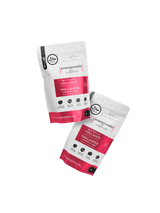
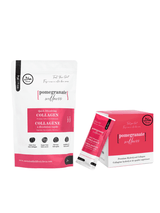
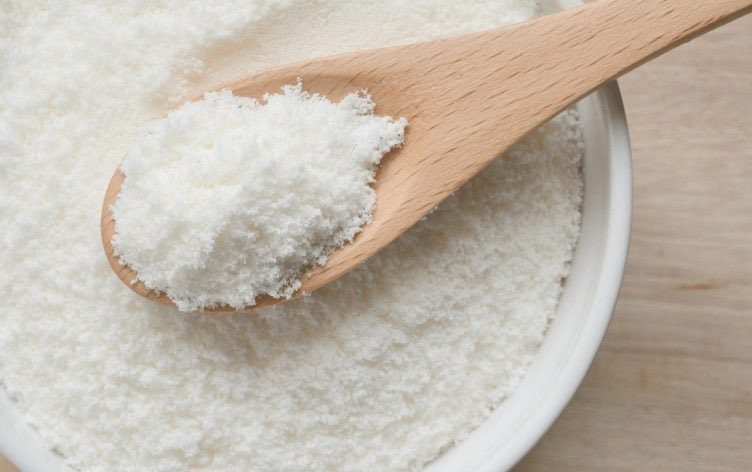
Collagen is a structural protein in cartilage, tendons, and ligaments. Bovine collagen from grass-fed cattle is highly bioavailable, with Type 1 and Type 3 peptides most often discussed for joint and connective tissue support. Sustainable Lifestyle's Halal-certified collagen powder is completely unflavored, odorless, and pure Halal-certified bovine collagen powder that dissolves instantly into any hot or cold beverage without changing the taste, which makes daily use easy to sustain.

Evidence quality: moderate but not definitive. Some trials suggest small improvements in joint comfort and function with consistent daily use, but results are not uniform and effects are typically modest. Collagen is generally well tolerated; the main considerations are sourcing, certification, and whether the product is third-party tested for heavy metals and contaminants.
Starter Pouch : Unflavoured Halal Collagen Powder 10oz (284g) →
Glucosamine and Chondroitin
These compounds are found naturally in cartilage and are among the most studied joint supplements, but the evidence is mixed: some report reduced discomfort, while larger trials show effects similar to placebo. Evidence quality: low to moderate. Safety: generally well tolerated, but glucosamine can affect blood sugar and may interact with blood thinners, and chondroitin may interact with anticoagulants.
Vitamin D
Vitamin D supports bone health, immune function, and muscle function, and many people don't get enough from sunlight and food alone, particularly in northern climates during winter. Evidence quality for joint-specific outcomes: low, but the case for adequate status for bone and muscle health is stronger. Safety: fat-soluble, so excessive doses can accumulate; testing and professional guidance beat guessing at a dose.
Turmeric and Curcumin
Curcumin, the active compound in turmeric, has anti-inflammatory properties in laboratory studies, but human trials for joint discomfort show mixed results, often limited by poor absorption unless formulated with black pepper extract or other enhancers. Evidence quality: low to moderate. Safety: generally well tolerated at food-level amounts; concentrated extracts can interact with blood thinners and may cause digestive upset.
Omega-3 Fatty Acids
Fish oil and algal oil provide EPA and DHA, which reduce inflammation through well-described pathways. Evidence quality for joint comfort: moderate for some populations, modest in effect size. Safety: high doses can increase bleeding risk and interact with anticoagulants; choose products tested for oxidation and contaminants.
| Supplement | Evidence Quality | Typical Mechanism | Key Safety Considerations |
|---|---|---|---|
| Collagen peptides | Moderate | Provides amino acids for connective tissue | Sourcing, certification, contaminant testing |
| Glucosamine/chondroitin | Low to moderate | Cartilage building blocks | Blood sugar, anticoagulant interactions |
| Vitamin D | Low for joints; stronger for bone/muscle | Bone and muscle function | Fat-soluble; avoid excess dosing |
| Curcumin | Low to moderate | Anti-inflammatory | Anticoagulant interactions, digestive upset |
| Omega-3s | Moderate | Anti-inflammatory | Bleeding risk at high doses |
Watch Out
Supplements support joint health but do not replace movement, strength training, and nutrition. They work best as part of a complete approach. Consistency matters; sporadic use is less effective than daily use. If you take prescription medication, have a chronic condition, or are pregnant or breastfeeding, check with a healthcare provider or pharmacist before starting any supplement.
A practical rule: prioritize the basics (movement, strength, nutrition, sleep) before adding supplements, choose products with transparent sourcing and third-party testing, and give any supplement several weeks before judging whether it helps.
Weight Management and Joint Stress Reduction
Body weight directly affects joint stress, but the effect is not uniform across joints. The knees and hips bear the most weight-related load, followed by the lower back and ankles. Understanding which joints carry load helps you prioritize strategies.
How Load Works on Different Joints
During walking, the force through the knee can be several times body weight with each step, and the hip carries similar or greater loads depending on gait and terrain. The spine carries compressive load that increases with bending, lifting, and prolonged sitting, while the hands and shoulders carry less body-weight load but are vulnerable to repetitive strain.
What a Modest Reduction Can Do
Even a 5 to 10 percent reduction in body weight can meaningfully improve comfort and mobility for weight-bearing joints. Less mass means less force through the joint with every step, stair, and sit-to-stand, which can lower irritation of cartilage and surrounding tissues and make movement feel easier.
Practical Approach
Focus on sustainable changes rather than rapid weight loss. Combine calorie-controlled nutrition with regular physical activity, and prioritize protein and fiber to support satiety and muscle preservation.
Strength training during weight loss preserves muscle mass, which supports joints and metabolism. Without it, the body loses both fat and muscle, leaving joints less supported even as scale weight drops.
Low-impact activity is the safest way to increase energy expenditure while reducing joint stress.
Joint-Specific Considerations
- Knees: prioritize quadriceps and glute strength, choose low-impact cardio, and manage stairs and hills gradually.
- Hips: focus on hip abductor and glute strength, maintain range of motion, and avoid prolonged sitting.
- Lower back: build core and posterior chain strength, break up sitting, and use proper lifting mechanics.
Pro Tip
Track how joints feel after activity rather than only tracking weight. A routine that reduces discomfort is more likely to be sustained, and sustained activity is what drives long-term joint health.
Weight management is not about perfection. It is about reducing load on the joints that carry the most stress while building the strength and habits that keep you moving.
When to Seek Medical Assessment for Joint Concerns
Some joint discomfort is normal, particularly after new activity or increased intensity. Other signs suggest the need for professional assessment.
A healthcare provider can identify underlying conditions like arthritis, tendinitis, or ligament damage, and early identification allows for more effective management.
If you experience sudden onset of severe pain, inability to bear weight, or signs of infection like warmth and redness, seek immediate medical attention.
Building Your Joint Health Routine
Success with joint health comes from consistency, not perfection.
Start with what's manageable. If you're currently inactive, begin with 10 to 15 minutes of walking daily.
Once these habits feel automatic, add the next element. Progress gradually over weeks and months.
Track what works.
Review your routine seasonally.
Sustainable Lifestyle's Halal-certified collagen powder fits easily into any routine.
Frequently Asked Questions
What exercises are most effective for supporting joint health?
Low-impact activities like walking, swimming, and cycling protect joints while building strength. These exercises reduce joint stress and improve mobility without jarring impact. Resistance training 2-3 times weekly strengthens the muscles and ligaments around joints, providing better support. Stretching daily maintains flexibility and range of motion. The key is consistency, start gradually and increase intensity over time.
Can stretches help relieve joint pain?
Yes. Regular stretching improves flexibility and range of motion, reducing stiffness and discomfort. Gentle stretches held for 20-30 seconds help lengthen muscles and connective tissue around joints. Stretching is most effective when done daily, ideally after warming up with light activity. Avoid bouncing or forcing stretches, as this can aggravate joints.
What foods support joint health best?
Anti-inflammatory foods reduce joint swelling and support long-term health. Fatty fish like salmon provide omega-3 fatty acids, while nuts, seeds, and avocado offer healthy fats. Berries contain antioxidants, and turmeric has anti-inflammatory compounds. Staying hydrated supports joint lubrication. A diet rich in whole foods, vegetables, and lean protein reduces inflammation and supports muscle strength around joints.
Do collagen supplements help support joint function?
Collagen is a structural protein found in cartilage, ligaments, and tendons. Type 1 and Type 3 collagen peptides may support joint structure and flexibility. Halal-certified bovine collagen powder dissolves easily into hot or cold beverages without changing taste, making it simple to add to your daily routine. Combine supplementation with exercise, stretching, and a nutrient-dense diet for best results.
When should I talk to a health professional about joint pain?
Seek medical assessment if joint pain persists beyond 2 weeks, limits daily activity, involves swelling or redness, or follows an injury. A healthcare provider can rule out underlying conditions and recommend appropriate treatment. Professional guidance is especially important if pain affects multiple joints or worsens despite self-care efforts.
How does body weight affect joint health?
Excess body weight increases stress on weight-bearing joints like knees, hips, and ankles. Maintaining a healthy body weight through balanced nutrition and regular activity reduces joint strain and supports long-term mobility. Even modest weight reduction can improve joint comfort and flexibility, making movement easier and more enjoyable.
What role does hydration play in joint health?
Hydration supports joint lubrication and cartilage health. Cartilage contains water, which helps absorb shock and maintain flexibility. Drinking adequate water daily supports this natural cushioning effect. Combined with nutrient-dense foods and regular movement, proper hydration contributes to overall joint function and mobility.
Supporting joint health is an investment in your long-term mobility and quality of life. The strategies in this guide, low-impact exercise, strength training, stretching, anti-inflammatory nutrition, and targeted supplementation, work together to keep joints resilient. Sustainable Lifestyle's grass-fed, Halal-certified collagen powder provides convenient daily support for your joints, connective tissue, and overall wellness. Start with one habit this week and build from there.