Cart
0
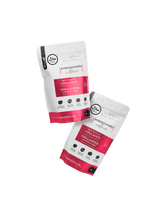
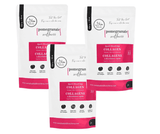
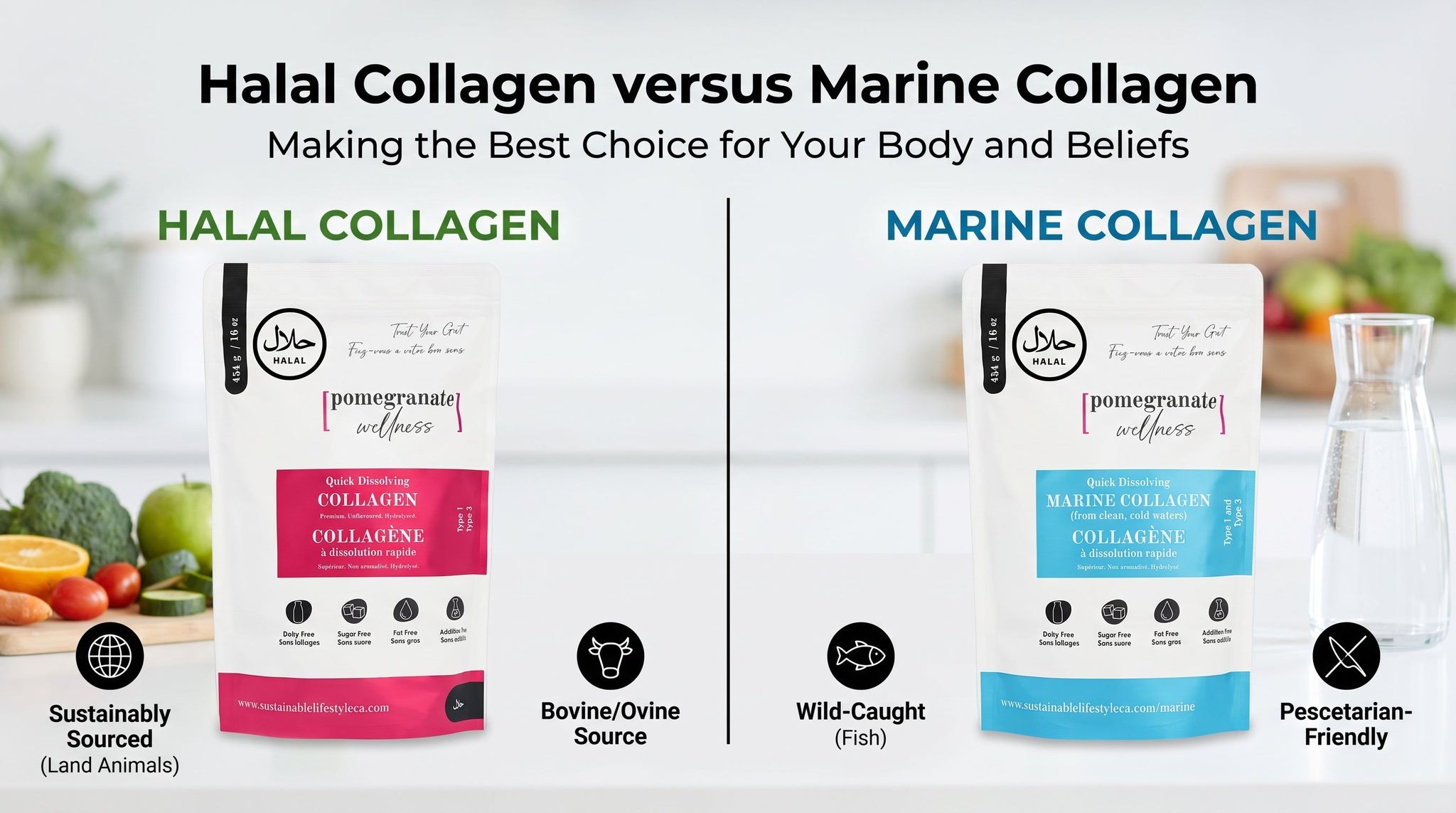
If you are comparing halal collagen vs marine collagen, you are probably not just asking which one has collagen. You are asking which one fits your routine, your values, and your health goals without creating doubt around ingredients or sourcing. That is a smarter question, especially if you want daily support for hair, skin, nails, and overall protein intake.
For many shoppers, marine collagen sounds appealing because it comes from fish and is often marketed for beauty. But halal collagen answers a different need - one that matters just as much. It offers faith-aligned supplementation, clear certification, and a dependable way to support wellness without second-guessing what you are taking every day.
Halal collagen vs marine collagen: the real difference
The biggest difference is not simply animal source. Halal collagen is defined by compliance with halal standards, including the sourcing, processing, and certification behind it. Marine collagen is usually made from fish skin or scales, but marine does not automatically mean halal. A fish-based product may seem permissible at first glance, yet other ingredients, manufacturing steps, flavor systems, capsules, or cross-contamination risks can still matter.
That is why these two categories are not direct substitutes in every case. One describes a religious and quality standard. The other describes a source. A collagen product can be marine and halal if it is made and certified that way. But many marine collagen products are sold mainly on trend appeal, not on halal transparency.
For Muslim consumers, that distinction matters. If your wellness routine needs to align with your faith, halal certification is not a bonus feature. It is part of the buying decision.
Source matters, but so does certification
Marine collagen is sourced from fish. Halal collagen can come from bovine sources if the animals and processing meet halal requirements. In practice, that means a halal-certified bovine collagen product may offer more clarity than a marine product with no certification at all.
This is where a lot of confusion happens. Some shoppers assume fish collagen is automatically the safer option because fish are generally considered halal. But supplements are rarely just one raw ingredient. They may include flavorings, anti-caking agents, sweeteners, or processing aids that are not clearly disclosed in a way that gives full confidence.
A halal-certified collagen product removes much of that uncertainty. It gives you a clearer standard to trust, especially if you are using collagen every day and not just occasionally.
Which one is better for skin and hair?
This is where marketing can get loud. Marine collagen is often promoted as the beauty collagen because it is rich in Type I collagen, which is closely associated with skin structure. That sounds compelling, and for some people it is enough to make the choice.
But halal bovine collagen can also support skin, hair, nails, and joints very effectively, especially when used consistently. Bovine collagen typically contains both Type I and Type III collagen, which are also valuable for skin elasticity and connective tissue support. For many people, the more important factor is not chasing a single collagen type. It is taking a clean, high-quality product regularly enough to make it part of a real routine.
If your goal is stronger hair, healthier-looking skin, and simple daily nutrition, both categories can play a role. The better question is which one you will actually trust and use consistently. A collagen powder that fits your beliefs, mixes easily, and does not come with ingredient concerns is often the more practical long-term choice.
Absorption and effectiveness
You will often hear that marine collagen is better absorbed because its peptides are smaller. There is some basis for that claim, but it is usually overstated in marketing. Hydrolyzed collagen, whether marine or bovine, is broken down into peptides designed for easy digestion.
For everyday users, the absorption difference is rarely the only thing that determines results. Dosage, product quality, consistency, and what else is in the formula matter too. If one product is easy to take daily and another sits in your cabinet because you are unsure about the source or taste, the more "optimized" option does not really win.
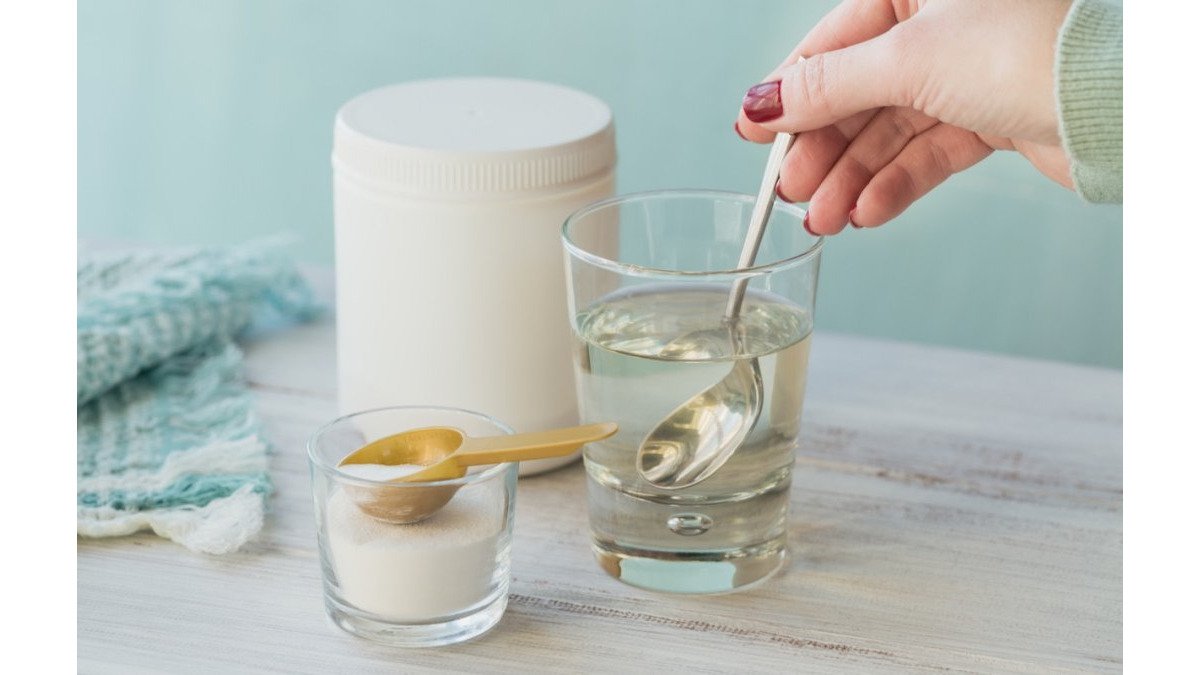
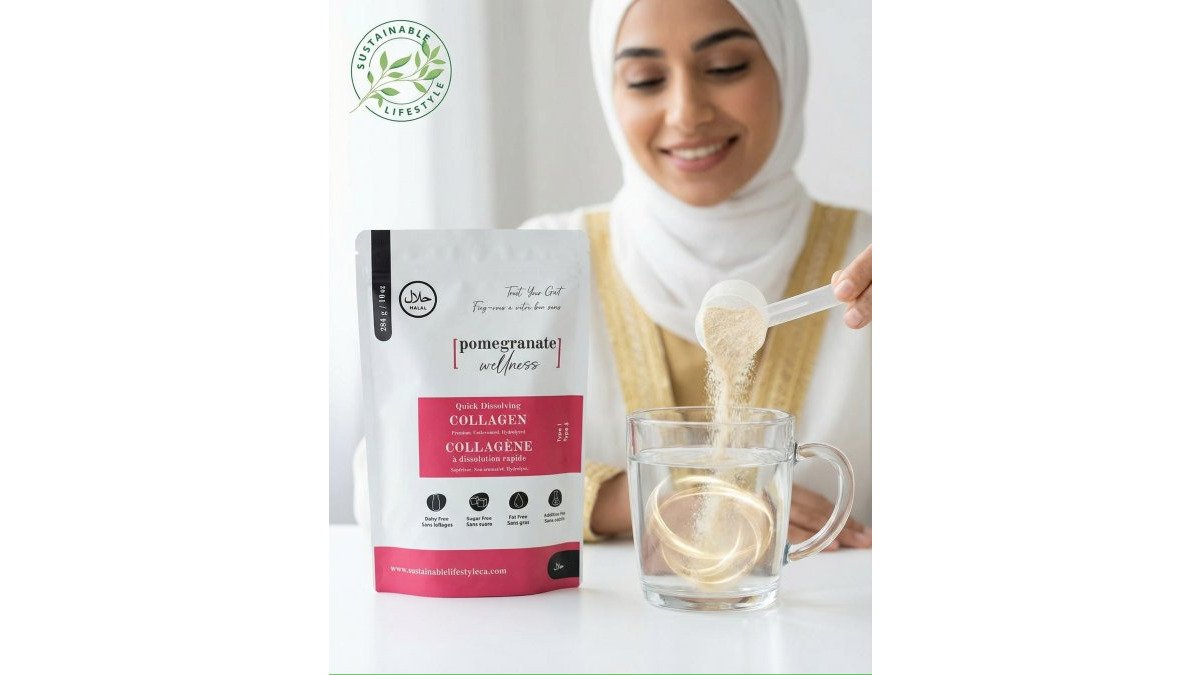
That is why many shoppers do better with a simple, unflavored halal bovine collagen they can add to coffee, tea, smoothies, or water without much effort. Routine beats hype.
Taste, smell, and mixability
Marine collagen can have a noticeable fishy smell or aftertaste, even when brands try to mask it. Some people do not mind it. Others find that it makes daily use harder, especially in hot drinks.
Halal bovine collagen is often the easier option for neutral taste and flexibility, particularly in unflavored formats. It tends to fit more naturally into a morning routine because it can disappear into coffee, oatmeal, soup, or a smoothie without changing the flavor much.
That may sound like a small detail, but it is not. Supplements only work when they become sustainable habits. If a collagen powder tastes clean and simple, you are more likely to keep using it.
Purity and ingredient expectations
When people search halal collagen vs marine collagen, they are often comparing more than source. They are comparing trust.
Many marine products are sold as premium beauty supplements, but some come with extra ingredients that are not always necessary - sweeteners, flavor blends, fillers, or additives meant to improve taste or shelf appeal. If you want a cleaner label, that can be frustrating.
A well-made halal bovine collagen product is often built around simplicity: collagen peptides, no sugar, no dairy, no gluten, no fillers, and no unnecessary extras. That kind of formula is easier to evaluate and easier to fit into a clean daily wellness routine.
For customers who care about purity and faith at the same time, clean-label halal collagen can feel like the more complete answer.
Price and long-term value
Marine collagen is often priced at a premium. Part of that is branding. Part of it is supply chain positioning. Either way, shoppers frequently end up paying more per serving for a product that may offer less flexibility and less certainty around halal compliance.
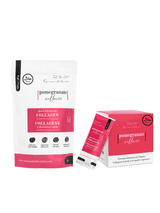
Halal bovine collagen often gives better value, especially for households or daily users who want a practical supplement rather than a trendy beauty item. If you are planning to take collagen consistently, price per serving matters. So does whether the product comes in formats that fit real life, such as larger pouches for home or sachets for travel and work.
This is one of the strongest reasons many buyers move toward halal-certified bovine collagen. It supports the same general wellness goals while making daily use more affordable and more dependable.
Who should choose marine collagen?
Marine collagen may make sense if you avoid bovine products altogether, prefer fish-based supplements, and have confirmed that the product meets your halal standards if that is important to you. It can also appeal to shoppers who are specifically focused on beauty messaging and are comfortable paying more for that positioning.
But it is not automatically the better product. If certification is unclear, if the taste is harder to tolerate, or if the price makes consistency difficult, those are real drawbacks.
Who should choose halal collagen?
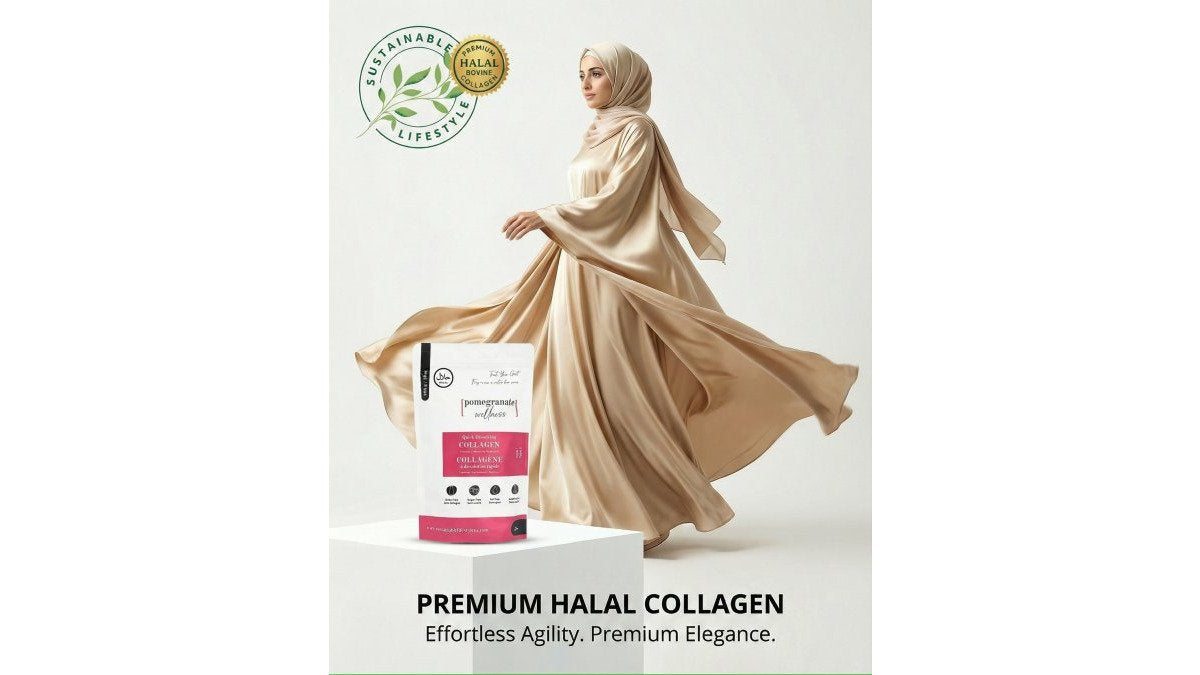
Halal collagen is the stronger choice for Muslim consumers who want confidence from the start. It is especially well suited for people who care about halal certification, clean ingredients, daily hair and skin support, and a simple supplement they can use without friction.
It also makes sense for families and regular users who want better value over time. A halal-certified bovine collagen powder can be straightforward, versatile, and easier to trust than many marine products marketed mainly through beauty claims.
For a Muslim-owned wellness brand like Sustainable Lifestyle, that trust gap is exactly where the difference becomes clear. Shoppers are not only buying collagen. They are buying reassurance, purity, and a routine that matches both wellness goals and religious values.
The better question is not trendy or premium
The better question is whether the collagen you choose fits your life well enough to stay in your life. Marine collagen may sound fashionable, but halal-certified collagen gives many people something more useful - clarity.
When your supplement is clean, easy to use, aligned with your beliefs, and priced for real consistency, it stops feeling like a beauty experiment and starts feeling like a smart daily habit. Choose the option that gives you confidence every single scoop.