Cart
0
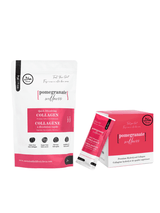

Table of Contents
- What Collagen Is and Why Your Body Needs It
- Collagen Benefits for Skin Elasticity and Hydration
- Collagen for Joint Health and Mobility Support
- Hair, Nails, Bones, and Connective Tissue Support
- How to Use Unflavoured Collagen Powder in Daily Routines
- How Long Does Collagen Take to Work
- Safety, Absorption, and Who Should Consult a Healthcare Provider
- Frequently Asked Questions
Last Updated: October 11, 2026
What Collagen Is and Why Your Body Needs It
Collagen is the most abundant protein in the human body, making up roughly one-third of total protein content. It forms the structural foundation of skin, bones, joints, hair, and connective tissues throughout your body.
The body produces collagen naturally, but production declines significantly after age 30, accelerating around menopause and during postpartum recovery. Environmental stress, sun exposure, poor nutrition, and lifestyle factors speed up collagen breakdown. Unflavoured collagen powder provides bioavailable amino acids, glycine, proline, and hydroxyproline, that your body uses to rebuild and maintain collagen structures.
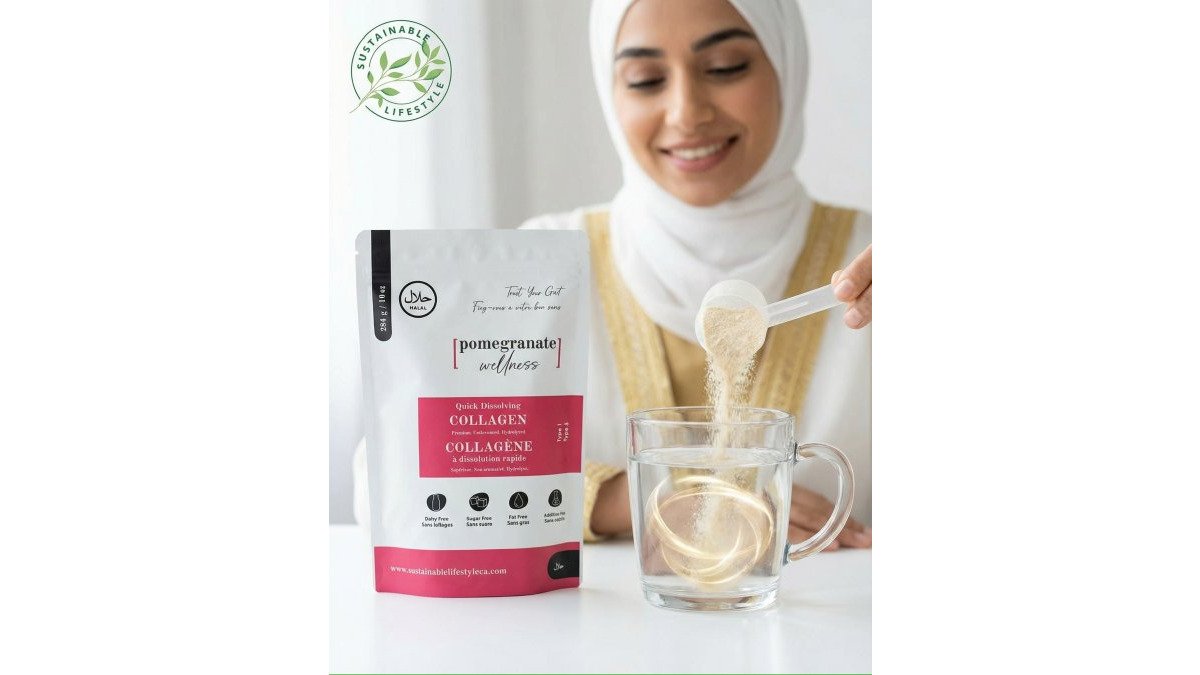
Our unflavoured collagen powder is sourced from grass-fed, pasture-raised cattle and is Halal-certified. The powder dissolves instantly into any beverage without altering taste, texture, or flavor profile, making consistent daily use straightforward.

Pro Tip
The amino acid composition of collagen differs from other proteins. Glycine and proline together make up nearly 50% of collagen's amino acid profile, far higher than in plant proteins or other animal sources. This specific ratio is what makes collagen supplementation distinct from general protein intake.
Collagen Benefits for Skin Elasticity and Hydration
Type 1 and Type 3 collagen are the primary forms responsible for skin structure. Type 1 provides firmness; Type 3 supports elasticity. When collagen levels decline, skin loses its ability to bounce back, resulting in sagging, fine lines, and reduced hydration.
What the Evidence Actually Shows
Skin hydration is the most consistently supported benefit: multiple 8-12 week studies show that oral collagen peptides increase skin moisture content, measurable by dermatological instruments.
Skin elasticity and firmness show moderate support. Several 8-12 week studies report improvements measured by cutometry, particularly in women over 40, though effect sizes are modest and results vary by age and sun exposure history.
Fine lines and wrinkle reduction have the weakest evidence. Short-term studies report minor improvements based on subjective assessment, but no study has shown collagen supplementation reverses deep wrinkles or replaces topical retinoids or professional treatments.
Mechanism: Collagen peptides are hydrolyzed into amino acids that your digestive system absorbs. These amino acids, particularly glycine and proline, circulate in the bloodstream and may be incorporated into skin collagen or stimulate fibroblasts to increase synthesis.
Timeline and Individual Variation
Most published studies run 8-12 weeks, the timeframe in which hydration improvements are most visible. Skin changes depend heavily on your age, baseline collagen levels, sun exposure history, overall nutrition, hydration, and sleep. Stopping after 2-3 weeks prevents your body from accumulating the amino acids needed for measurable change.
Postpartum Skin Recovery
Hormonal fluctuations, nutrient depletion, and sleep deprivation during and after pregnancy accelerate collagen breakdown. Adding unflavoured collagen powder to morning coffee or tea supports skin recovery without special preparation. Postpartum women often report improvements in skin hydration and firmness within 8-12 weeks when combined with adequate sleep and hydration.
Key Takeaway
Collagen supplementation works best as part of a broader wellness approach that includes adequate hydration, sun protection, sleep, and nutritious whole foods. Hydration and elasticity improvements are the most evidence-supported benefits; wrinkle reversal is not. No supplement alone reverses skin aging, but collagen peptides address a specific structural gap that diet alone may not fill.
Collagen for Joint Health and Mobility Support
Collagen is the primary structural component of cartilage, which cushions joints and enables smooth movement. As collagen degrades with age, cartilage becomes thinner, leading to stiffness, discomfort, and reduced mobility.
The amino acids in collagen peptides, particularly glycine and proline, support cartilage maintenance and may help reduce joint discomfort. Our formula contains Type 1 and Type 3 collagen, which support the connective tissues surrounding joints, tendons, and ligaments.
Many people notice improved comfort and easier movement after 8-12 weeks of consistent supplementation. Combined with regular movement, strength training, and hydration, collagen powder supports joint health as part of a broader strategy.
Hair, Nails, Bones, and Connective Tissue Support
Collagen provides structural support for hair follicles, the nail bed, and bone matrix. Hair loss and thinning accelerate during hormonal change, nutritional stress, or physical trauma. Collagen supplementation supplies amino acids that support hair follicle health and may help reduce excessive shedding when combined with adequate protein, iron, and micronutrients.
Nails depend on collagen for strength and flexibility. Many people report stronger, faster-growing nails within 6-8 weeks of daily use.
Bone health depends on collagen's role as the structural matrix that gives bone flexibility and resilience. While calcium and vitamin D are essential for bone density, collagen provides the framework that prevents brittleness. Connective tissues, tendons, ligaments, and fascia similarly rely on collagen for tensile strength. Athletes and active individuals benefit from supplementation to support recovery and prevent injury.
How to Use Unflavoured Collagen Powder in Daily Routines
Mixing in Hot and Cold Beverages
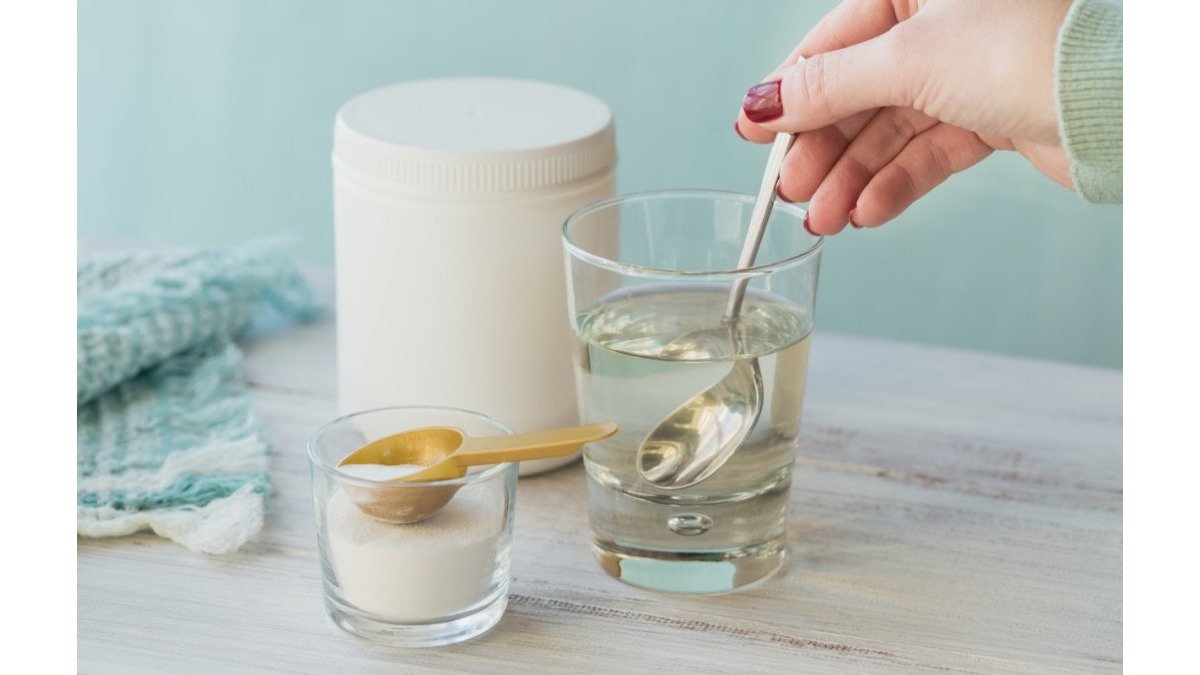
Unflavoured collagen powder dissolves instantly without clumping in hot and cold drinks. The powder has no taste, smell, or texture, it simply disappears into your beverage. This makes it far more convenient than flavored alternatives, which limit drink options and can clash with other flavors.
Add one scoop (approximately 10g) to your morning coffee, tea, or hot water. Stir for 10-15 seconds. For cold drinks, mix thoroughly and consume within a few minutes. The powder integrates seamlessly without altering taste.

Simple Recipe Ideas
Collagen powder works in any beverage or recipe where you want added protein without flavor interference:
- Morning coffee or tea: One scoop in your regular morning drink.
- Bone broth or soup: Stir into warm broth.
- Smoothies: Blend with fruit, yogurt, and liquid.
- Baking: Mix into muffin or pancake batter.
- Oatmeal: Stir into warm oatmeal.
- Herbal infusions: Add to chamomile, peppermint, or other herbal teas.
The unflavoured nature means it works in both sweet and savory applications, making it easier to maintain consistent daily intake.
Value Upgrade: Unflavoured Halal Collagen Powder 16oz (454g) →
How Long Does Collagen Take to Work
Results from collagen supplementation depend on several variables: your age, baseline collagen levels, overall nutrition, hydration, sleep quality, and whether you're addressing a specific concern like postpartum hair loss or joint discomfort.
Most people notice initial changes in skin hydration and general wellness within 2-4 weeks of daily use. More visible changes, improved skin firmness, reduced fine lines, stronger nails, or reduced joint discomfort, typically emerge between 6-12 weeks of consistent supplementation.
The timeline also depends on consistency. Sporadic use produces minimal results. Daily supplementation, ideally the same amount each day, allows your body to maintain elevated amino acid availability for collagen synthesis. Our products are designed for daily use, with the Starter Pouch providing 28 servings and the Value Upgrade offering 45 servings per pouch.
Watch Out
Expecting overnight results sets you up for disappointment. Collagen supplementation is a long-term investment in structural health. If you're managing joint discomfort or postpartum changes, give yourself at least 8-12 weeks of consistent daily use before evaluating effectiveness. Stopping after 2-3 weeks because you "don't see results yet" prevents your body from accumulating the amino acids needed for visible change.
Safety, Absorption, and Who Should Consult a Healthcare Provider
Product Quality and Label Assessment
When evaluating any unflavoured collagen product, use this checklist to assess quality and transparency:
Protein Content and Serving Size
- Check the label for grams of protein per serving. Most collagen powders deliver 8-12 grams of protein per scoop (approximately 10 grams of powder). Products listing less than 8 grams of protein per serving are likely diluted with fillers.
- Verify serving size in grams. A standard serving is 10 grams.
Source and Sourcing Transparency
- Look for clear identification of collagen source: bovine (beef), marine (fish), or porcine (pork). Bovine collagen is most common and typically the most affordable.
- Check whether the product specifies grass-fed, pasture-raised, or conventional cattle.
- Verify country of origin if it matters to you.
Hydrolysis and Bioavailability
- Confirm the collagen is hydrolyzed (broken down into peptides with molecular weight below 5,000 Daltons).
- Look for the term "collagen peptides" or "hydrolyzed collagen," which indicate the product is processed for absorption.
Additives, Fillers, and Allergens
- Review the full ingredient list. Pure collagen powder should list only hydrolyzed collagen (or collagen peptides) and possibly a minimal flow agent. Avoid products with added sugars, artificial sweeteners, thickeners, or flavoring agents unless desired.
- Check for common allergens: gluten, soy, dairy, and tree nuts.
- If you have a shellfish allergy, marine collagen may pose a risk; bovine collagen is safer.
Third-Party Testing and Certification
- Look for third-party testing seals from organizations such as NSF International or Informed Choice that verify label claims and screen for contaminants.
- Halal certification is relevant for Muslim consumers; verify the certifying body and that the certificate is current.
- Some brands publish heavy metal testing results on their website; this transparency is a positive sign.
Price and Value
- Compare cost per serving, not total price.
- Extremely low prices may indicate lower quality or dilution.
Absorption and Bioavailability
Collagen peptides are hydrolyzed into smaller molecular structures (typically 2,000-5,000 Daltons) that your digestive system can absorb efficiently. Once absorbed, collagen amino acids circulate in the bloodstream for 12-24 hours. Your body does not preferentially direct them to skin, joints, or bones, they compete with amino acids from other protein sources for incorporation. Supplementation is most effective when combined with adequate total protein intake, vitamin C, and consistent daily use.
Safety and Tolerance
Unflavoured collagen powder from grass-fed bovine sources is well-tolerated by most adults. The powder contains no additives, fillers, sugar, dairy, soy, or gluten, just pure hydrolyzed collagen peptides. Some people experience mild digestive adjustment when first adding collagen, which typically resolves within a few days. Starting with half a scoop and gradually increasing to a full scoop can minimize this transition.
Who Should Consult a Healthcare Provider
Allergies and Sensitivities
- People with known allergies to beef should avoid bovine collagen entirely.
- Those with shellfish allergies should avoid marine collagen.
- If you have a history of severe food allergies or autoimmune conditions, consult a healthcare provider before starting any new supplement.
Medical Conditions and Medications
- People taking blood thinners should consult a healthcare provider, as high-dose collagen supplementation may theoretically interact with anticoagulation.
- Those with kidney disease or on dialysis should seek guidance, as collagen supplementation increases protein intake.
- People with gout or a history of gout should be cautious, as collagen is high in glycine, which the body converts to uric acid.
- If you are taking medications for bone health or have osteoporosis, collagen supplementation is generally safe, but discuss timing and dosage with your healthcare provider.
Pregnancy and Breastfeeding
- Pregnant individuals should consult a healthcare provider before starting collagen supplementation.
- Collagen supplementation is not contraindicated during breastfeeding, but guidance from a healthcare provider is prudent.
Realistic Expectations
- Collagen supplementation works best alongside adequate water intake, balanced nutrition, and consistent sleep.
- Results vary by individual, baseline health, age, and consistency of use.
Watch Out
Collagen supplementation is not a substitute for medical treatment. If you have joint pain, skin conditions, or bone health concerns, consult a healthcare provider for diagnosis and treatment before relying on supplementation alone.
Frequently Asked Questions
How long does it take to see results from unflavoured collagen powder?
Results vary by individual and benefit. Most people notice improvements in skin hydration and hair texture within 4 to 12 weeks of consistent daily use. Joint comfort and mobility may take 8 to 12 weeks to become noticeable. Bone density changes require longer observation. Consistency matters, daily intake and adequate vitamin C support absorption and collagen synthesis in your body.
Does unflavoured collagen powder change the taste of my drinks?
No. Unflavoured collagen powder is completely odorless and dissolves instantly into hot or cold beverages without altering taste. It mixes seamlessly into coffee, tea, smoothies, soups, and water. This makes it ideal for those who want the benefits of collagen without flavor interference or texture changes to their favorite drinks.
Can unflavoured collagen powder support both skin elasticity and joint health?
Yes. Collagen contains amino acids like glycine, proline, and hydroxyproline that support skin elasticity, hydration, and firmness while also strengthening cartilage and connective tissue in joints. Type 1 and Type 3 collagen, both present in grass-fed bovine collagen, work across multiple systems. Many people experience improvements in both skin appearance and joint comfort with regular use.
Is Halal-certified collagen safe for daily consumption?
Yes. Halal-certified bovine collagen from grass-fed, pasture-raised cattle is safe for daily use when sourced from reputable suppliers. It is free from gluten, dairy, soy, and artificial preservatives. However, if you have digestive sensitivities, allergies to beef, or are taking medications, consult a healthcare provider before starting. Most people tolerate collagen well when taken consistently with adequate water intake.