Cart
0
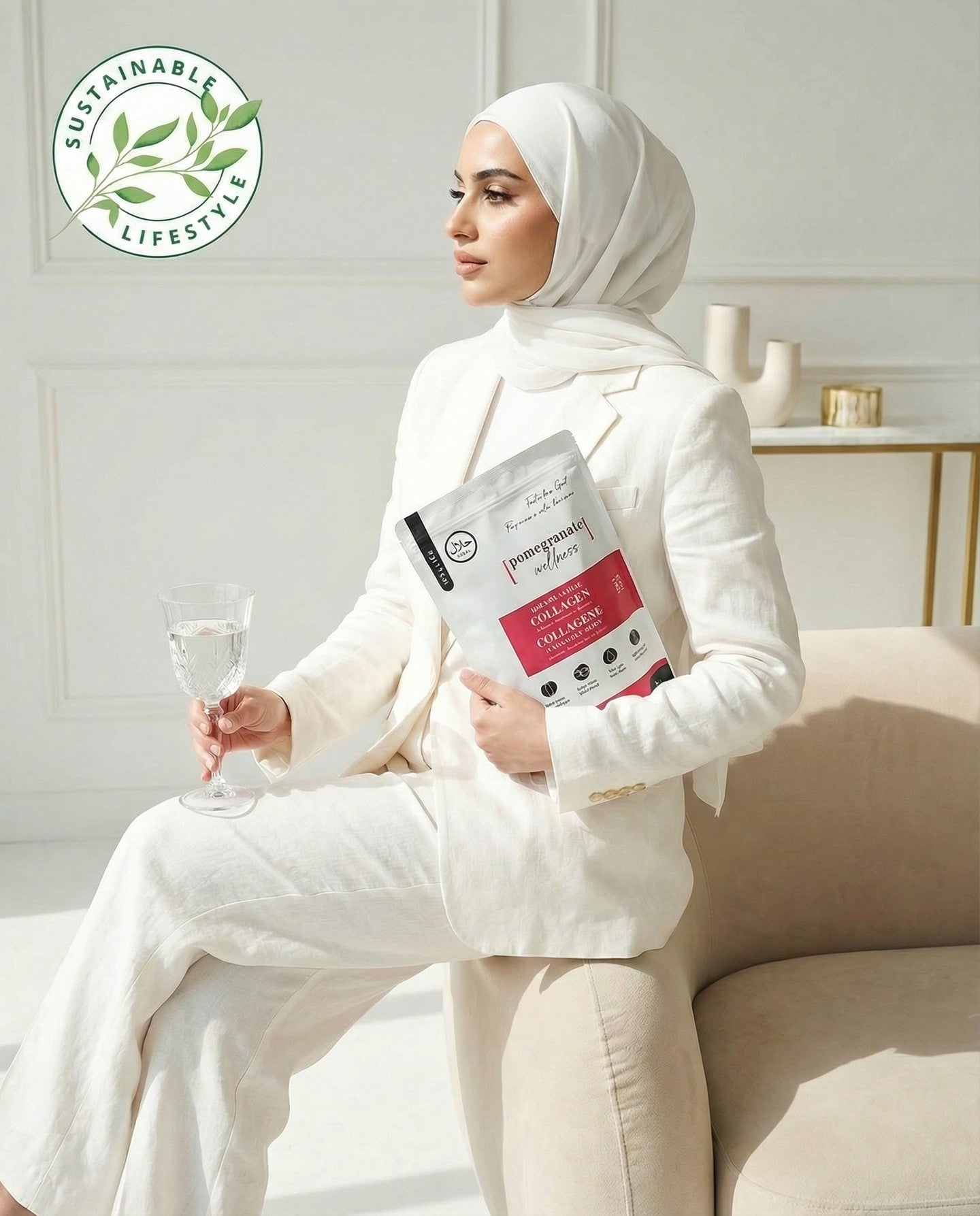
A collagen tub can look clean on the shelf and still leave the biggest question unanswered: is it genuinely halal? A useful halal collagen powder review starts there, then looks beyond the front-label promises at animal source, certification, ingredients, and whether the powder is practical enough to use every day.
For Muslim shoppers building a hair, skin, or wellness routine, collagen should not be a compromise. The right product can support daily protein intake in a simple format while respecting the standards behind your food and supplements. The wrong one may be vague about sourcing, loaded with unnecessary extras, or inconvenient enough to sit unused in the pantry.
What a halal collagen powder review should actually assess
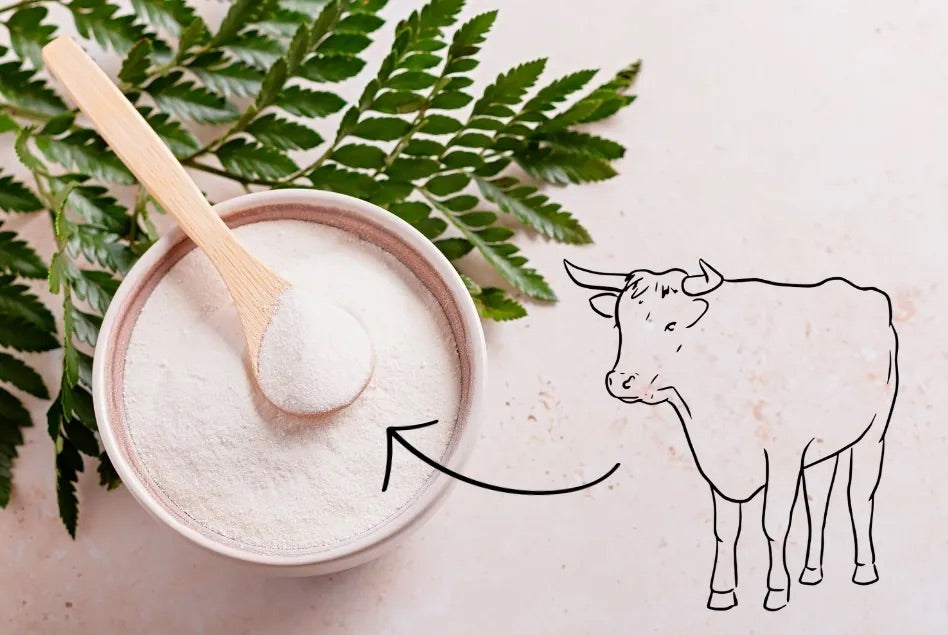
Collagen is a protein found naturally in connective tissue. Most collagen powders are made from bovine, marine, or chicken sources, then hydrolyzed into smaller peptides designed to dissolve more easily. That process does not make every collagen powder halal. The animal source, handling, production process, and certification all matter.
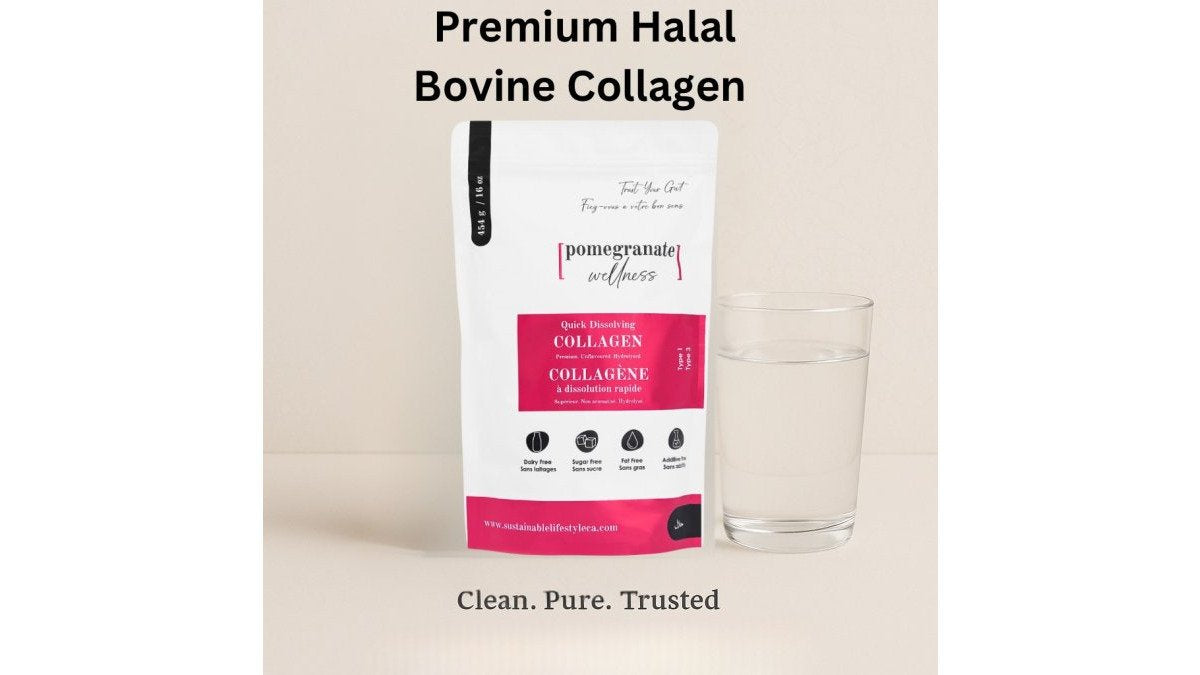
Start by looking for clear halal certification rather than broad wording such as “halal friendly” or “suitable for Muslims.” A credible brand should be able to state that its collagen is halal certified and identify the source of its bovine collagen. This gives you a more reliable standard than assumptions based on an ingredient list alone.
Next, check the formula. Unflavored collagen should ideally be straightforward: hydrolyzed bovine collagen peptides, without sugar, artificial flavors, dairy, gluten, or filler ingredients that do not serve your routine. Simplicity is valuable here. It makes the product easier to add to coffee, tea, smoothies, oatmeal, soups, or water without forcing you into one flavor profile.
Finally, judge the product by repeatability. Collagen works best as a consistent habit, not an occasional beauty purchase. A powder that mixes well, tastes neutral, and comes in a format that fits your schedule has a real advantage over one with attractive marketing but poor daily usability.
The details that separate a clean collagen from a generic one
A strong halal collagen powder review should examine the full label, not just the collagen headline. Grass-fed, GMO-free bovine collagen is a meaningful starting point for shoppers who care about sourcing, but it should sit alongside transparent certification and a clean ingredient standard.
Unflavored collagen has another practical benefit: you control the rest of your nutrition. You can mix it into a protein-rich breakfast, a warm drink, or a post-workout smoothie without adding sweeteners you did not ask for. If you prefer flavored supplements, that can be a good fit too, but review the sweeteners and additives closely. A pleasant flavor is not automatically a better formula.
Here is what to compare before choosing a powder:
| Review point | What to look for | Why it matters |
|---|---|---|
| Halal status | Clear halal certification | Provides confidence in sourcing and production standards |
| Collagen source | Clearly identified bovine source | Avoids vague animal-origin claims |
| Formula | No sugar, dairy, gluten, fillers, or unnecessary additives | Supports a cleaner daily routine |
| Format | Pouch for home use and sachets for travel | Makes consistency more realistic |
| Cost per serving | Serving count and price, not tub size alone | Shows the true day-to-day value |
| Mixability | Fine, hydrolyzed powder that dissolves easily | Reduces clumps and wasted servings |
Price deserves more attention than it usually gets. A low sticker price may come with fewer servings, a smaller collagen dose, or ingredients that dilute the formula. Compare the cost per serving and the ingredient quality together. A family-size option or bundle can be especially useful when more than one person in the household plans to use collagen regularly.
Hair and skin benefits: keep expectations realistic
People often choose collagen for stronger-looking hair, skin hydration, skin elasticity, nails, or general beauty-from-within support. These goals are reasonable, but collagen is not an overnight solution and should not replace a balanced diet, sleep, hydration, or medical care for sudden hair shedding or skin concerns.
Your results can depend on your overall protein intake, stress levels, hormonal health, age, and consistency. Some people notice that collagen becomes an easy way to support their routine because it is simple to take. Others may prefer to focus first on dietary protein from whole foods. Both approaches can have a place.
The best way to evaluate a collagen powder is to use it consistently for several weeks as part of a realistic routine. Take it at a time you will remember, whether that is in morning coffee, afternoon tea, or a smoothie after the gym. Photographing hair or skin changes in the same lighting can be more useful than relying on day-to-day impressions.
If you are pregnant, nursing, managing a health condition, or taking medication, speak with a qualified health professional before adding a new supplement. This is especially wise when you are addressing significant hair loss, digestive symptoms, or a diagnosed nutrient deficiency.
Powder or sachets? Choose the format you will use
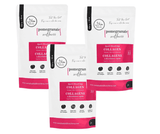
A large collagen pouch is usually the better value for home use. It suits people who have a stable morning routine and want to measure a serving into drinks or meals. It also creates less individual packaging than relying only on single-serve options.
Sachets solve a different problem: missed days. They are easy to keep at work, in a gym bag, or in a carry-on. For busy professionals, parents, and frequent travelers, the convenience can be worth it. A combination of a home pouch and travel sachets often makes the most sense because it protects the habit in both settings.
Look for packaging that keeps the powder dry and easy to scoop. Collagen is meant to be simple. If opening, measuring, and mixing it feels annoying, even a premium product becomes a poor value.
How to mix unflavored collagen without changing your meal
Unflavored bovine collagen is designed to fit into what you already drink or eat. In hot beverages, add the powder gradually while stirring well. In cold drinks, shake it in a bottle or blend it into a smoothie for the smoothest result. If you find it clumps, try adding it before ice or use a small frother.
You do not need a complicated recipe. One serving in coffee, tea, oatmeal, yogurt, a smoothie, or soup is enough to make collagen part of an existing meal. Avoid treating it as a replacement for complete meals or varied protein sources. It is a supplement, not a shortcut around nourishing food.
Why faith-aligned transparency changes the purchase decision
Mainstream collagen brands may emphasize beauty, flavor, or influencer appeal, while leaving Muslim consumers to investigate whether the product meets halal requirements. That extra research is frustrating, particularly when collagen comes from animal sources and labels can be unclear.
A Muslim-owned brand that leads with halal certification, clean bovine collagen, and transparent daily value addresses that gap directly. Sustainable Lifestyle focuses on unflavored, grass-fed, GMO-free halal bovine collagen without sugar, dairy, gluten, or fillers, giving shoppers a clear option for daily wellness without second-guessing the formula.
The best purchase is not always the one with the loudest marketing or the longest benefit list. It is the one you can verify, afford to use consistently, and feel confident bringing into your routine.
Before your next scoop, turn the package around. Read the source, check the certification, calculate the serving value, and choose the format that will still be with you on your busiest morning. That small decision is what turns collagen from another wellness promise into a habit you can genuinely keep.