Cart
0
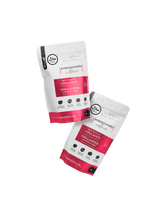
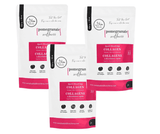
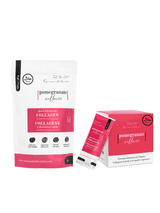

Table of Contents
- Understanding Collagen and Joint Pain Relief
- Best Type of Collagen for Joints
- Collagen Dosage for Joint Pain
- How Long Does Collagen Take to Work for Joints
- Collagen Side Effects and Safety Considerations
- What Research Shows About Collagen and Joint Health
- Getting Started with Collagen for Joint Support
- Frequently Asked Questions
Last Updated: October 5, 2026
Understanding Collagen and Joint Pain Relief
Joint pain affects how people move, work, and enjoy daily life. The good news: collagen for joint pain relief is one of the most researched natural approaches to supporting mobility and comfort.
Collagen is the most abundant protein in the human body. It forms the structural foundation of cartilage, tendons, ligaments, and bones. When collagen breaks down over time, joints lose their cushioning and stability. This is why joint stiffness, pain, and reduced mobility become more common with age.
How collagen supports cartilage and joint structure
Cartilage is mostly collagen. When you move, cartilage absorbs shock and allows smooth gliding between bones. As collagen degrades, cartilage thins and becomes more vulnerable to wear and tear.
Collagen supplements provide amino acids that your body uses to rebuild cartilage. The two key amino acids are glycine and proline. These building blocks signal your body to produce more collagen in damaged areas.
Research shows that consistent collagen supplementation supports cartilage density. Many people report improved mobility within weeks of starting a daily routine.
Why joint pain develops and what collagen addresses
Joint pain typically stems from cartilage deterioration, inflammation, or reduced synovial fluid (the natural lubricant in joints). Age, repetitive motion, and injury all accelerate collagen breakdown.
Collagen supplementation targets the root cause: insufficient structural protein. By providing the raw materials your body needs, collagen helps maintain cartilage thickness and joint integrity.
Pro Tip
Start your collagen routine consistently. Sporadic use won't deliver results. Daily intake allows your body to accumulate amino acids and trigger collagen synthesis in joint tissue.
Best Type of Collagen for Joints
Not all collagen is the same. The type matters significantly for joint support.
Type II collagen versus Type I and III
Type II collagen is the primary structural component of cartilage. It's the most effective for joint health and mobility support.
Type I collagen is found mainly in skin, tendons, and bones. It supports overall connective tissue but isn't specialized for cartilage repair.
Type III collagen works alongside Type I in tendons and ligaments. It's useful for joint support but secondary to Type II for cartilage-specific benefits.
Most bovine collagen supplements contain a blend of Types I and III.
Sustainable Lifestyle's unflavoured collagen powder contains Type 1 and Type 3 Halal Bovine Collagen Powder made from 100% grass-fed, pasture-raised cattle.

Why hydrolyzed collagen peptides work best
Raw collagen is a large protein molecule your digestive system struggles to absorb. Hydrolyzed collagen peptides are broken down into smaller chains through enzymatic processing. This makes them easier to digest and absorb.
Hydrolyzed collagen dissolves instantly in hot or cold beverages without clumping or changing the taste. You can add it to coffee, tea, smoothies, or soup without altering flavor.
The hydrolyzation process doesn't reduce collagen's effectiveness. Your body still receives the amino acids needed for cartilage support. The difference is absorption happens faster and more completely.
Key Takeaway
Hydrolyzed collagen peptides are the practical choice for joint support. They're easier to use daily and your body absorbs them more efficiently than raw collagen.
Collagen Dosage for Joint Pain
Getting the dose right is essential for results.
Daily intake amounts and serving guidelines
Most research on joint health uses daily doses between 8-12 grams of collagen peptides. This range appears effective for supporting cartilage and reducing joint discomfort.
A typical serving is 10 grams (about 2 teaspoons) mixed into any beverage. Many people take this once daily, usually in the morning.
Some people prefer splitting the dose: 5 grams in the morning and 5 grams in the evening. Both approaches work. Consistency matters more than timing.
Your body needs time to accumulate amino acids and trigger collagen synthesis. Daily intake for at least 8-12 weeks is standard before expecting noticeable results.
How to measure and mix your collagen
Sustainable Lifestyle's Starter Pouch contains 284 grams (10 ounces) of unflavoured collagen powder, providing 28 servings at 10 grams per serving.
Mixing steps:
- Measure 10 grams (roughly 2 teaspoons) into a cup
- Pour hot or cold liquid (coffee, tea, water, smoothie base)
- Stir for 10-15 seconds until fully dissolved
- Drink immediately
The powder dissolves completely without clumping. No special equipment needed. It works in any beverage without affecting taste.
Watch Out
Inconsistent use won't produce results. Your body needs daily amino acid supply to support collagen synthesis in joint tissue. Missing doses frequently delays benefits by weeks or months.
How Long Does Collagen Take to Work for Joints
Patience is essential when using collagen for joint support.
Realistic timeline for noticing joint improvements
Most people report their first improvements between 8-12 weeks of consistent daily use. Some notice changes earlier (4-6 weeks), while others need 12-16 weeks.
Joint stiffness often improves before pain decreases. You might notice easier movement in the morning or after sitting before feeling a clear reduction in discomfort.
Mobility gains accumulate gradually. After 12 weeks, many people report improved range of motion, reduced morning stiffness, and better comfort during activities like walking or climbing stairs.
By 16-24 weeks, structural changes in cartilage become more pronounced. This is when the most significant improvements typically emerge.
Factors that affect how quickly you see results
Several variables influence how fast collagen works:
Starter Pouch : Unflavoured Halal Collagen Powder 10oz (284g) →
- Age: Younger bodies synthesize collagen more efficiently. Older adults may need 12-16 weeks instead of 8-12.
- Existing damage: Severe cartilage deterioration takes longer to address than mild stiffness.
- Consistency: Missing doses delays results significantly. Daily intake is non-negotiable.
- Overall health: Inflammation from other sources (poor diet, sedentary lifestyle) can slow improvement.
- Hydration: Your body needs adequate water to synthesize collagen effectively. Drink consistently throughout the day.
- Vitamin C intake: Your body uses vitamin C to cross-link collagen fibers. Ensure adequate intake through diet or supplementation.
Track your progress. Note baseline pain levels, stiffness duration, and mobility limitations before starting. Reassess every 4 weeks to identify trends.
Pro Tip
Combine collagen with movement. Light activity like walking or gentle stretching accelerates cartilage adaptation. Sedentary routines slow progress even with consistent supplementation.
Collagen Side Effects and Safety Considerations
Collagen is generally well-tolerated when used as directed.
Common side effects and how to minimize them
Most people experience no side effects. The few reported include:
- Digestive sensitivity: Some people report mild bloating or stomach discomfort in the first week. This usually resolves as your digestive system adapts. Start with 5 grams daily and increase to 10 grams after one week.
- Mild headaches: Rare, possibly related to hydration. Drink more water throughout the day.
- Allergic reactions: Extremely uncommon. If you have beef allergies, collagen supplements are not suitable.
Sustainable Lifestyle's unflavoured collagen is free from common allergens: no gluten, dairy, soy, or artificial additives. It's clean-label and designed for sensitive digestive systems.
Who should consult a healthcare provider first
Speak with your doctor before starting collagen if you:
- Take blood-thinning medications (collagen may interact)
- Have a history of kidney disease (high protein intake requires medical oversight)
- Are pregnant or breastfeeding (safety data is limited; consult your healthcare provider)
- Have a severe beef allergy
- Are recovering from surgery (your doctor may have specific timing recommendations)
For most people, collagen supplementation is safe and beneficial. Your healthcare provider can confirm it's appropriate for your individual situation.
What Research Shows About Collagen and Joint Health
Understanding the evidence helps set realistic expectations.
Clinical evidence on collagen for osteoarthritis and mobility
Multiple studies document collagen's effects on joint comfort and function. Research participants taking hydrolyzed collagen peptides reported improved mobility and reduced stiffness compared to those taking placebo.
Studies on cartilage support show that collagen supplementation helps maintain cartilage thickness. This is meaningful because cartilage loss is the primary driver of joint deterioration.
Research on amino acid composition shows that glycine and proline (abundant in collagen) are essential for cartilage synthesis.
The evidence is strongest for consistent, long-term use. Short-term supplementation (less than 8 weeks) shows minimal effects. Studies lasting 12+ weeks document more substantial improvements.
How amino acids support cartilage repair
Cartilage is roughly 70% water and 30% collagen. The remaining collagen is made from amino acids linked together.
When you consume hydrolyzed collagen peptides, your digestive system breaks them into individual amino acids. Your body absorbs these and transports them to joint tissue.
Specialized cells in cartilage (chondrocytes) use these amino acids to synthesize new collagen fibers. This process takes time. Your body doesn't instantly rebuild cartilage; it gradually strengthens existing tissue and repairs micro-damage.
Glycine, proline, and hydroxyproline are the three most abundant amino acids in collagen.
Key Takeaway
Collagen works because it provides amino acids your body needs to rebuild and maintain cartilage. This is why consistency and duration matter more than any other factor.
Getting Started with Collagen for Joint Support
Starting a collagen routine is simple.
Choosing a quality, clean-label collagen powder
Quality matters. Look for products that are:
- Halal-certified: Ensures ethical sourcing and processing aligned with Islamic standards
- Grass-fed: Indicates cattle raised on pasture, producing higher-quality collagen
- Unflavoured and odourless: Allows you to add collagen to any beverage without changing taste
- Free from additives: No artificial sweeteners, colors, or preservatives
- Hydrolyzed: Ensures rapid absorption and easy mixing
Sustainable Lifestyle's unflavoured collagen meets all these criteria. It's sourced from grass-fed, pasture-raised cattle, Halal-certified, and contains only one ingredient: 100% Hydrolyzed Bovine Collagen Peptides.
The Starter Pouch provides 28 servings at 10 grams each, making it ideal for testing whether collagen works for your joint health. The Value Upgrade offers 45 servings at a better per-serving cost for those committing to a longer routine.


Building a consistent daily routine
Consistency is the difference between results and wasted effort.
Step 1: Pick your beverage. Choose something you drink daily: morning coffee, tea, smoothie, or warm water. This becomes your collagen carrier.
Step 2: Set a reminder. Use your phone or a calendar note to prompt daily intake.
Step 3: Measure and mix. Use the same cup or mug each time. Measure 10 grams, add your beverage, stir for 10-15 seconds.
Step 4: Track progress. Keep a simple log. Note joint stiffness levels, pain during activities, and mobility improvements every week.
Step 5: Reorder before running out. Plan ahead so you never skip doses due to supply gaps.
Joint pain doesn't have to limit your movement or quality of life. Most people notice improved mobility and reduced stiffness within this timeframe. Shop Sustainable Lifestyle collagen today and take the first step toward better joint health.
Frequently Asked Questions
Does collagen actually work for joint pain?
Collagen supplements provide amino acids and building blocks that support cartilage structure and joint health. While individual results vary, research shows collagen supplementation may help reduce joint stiffness and support mobility over time. Consistency matters: most people notice changes after 8-12 weeks of daily use. Results depend on dosage, collagen type, overall health, and whether you combine supplementation with movement and rest.
How long does collagen take to work for joint pain?
Most people begin noticing improvements in joint stiffness and range of motion within 8-12 weeks of consistent daily use. Some report earlier changes in skin elasticity or digestion within 4-6 weeks, but joint cartilage repair takes longer. Factors affecting timeline include your age, severity of joint discomfort, daily dosage, collagen type, and whether you're also supporting joints through movement and anti-inflammatory habits.
What is the best type of collagen for joints?
Type II collagen is specifically designed to support cartilage, making it ideal for joint health. However, many supplements combine Type I and Type III collagen for broader support of connective tissue throughout the body. Hydrolyzed collagen peptides (also called collagen peptides) are broken down into smaller molecules, making them easier to absorb. Look for Halal-certified, grass-fed sources to ensure purity and ethical sourcing.
Are there side effects from taking collagen supplements?
Collagen is generally well-tolerated, but some people experience mild digestive discomfort, bloating, or heartburn when starting. These effects usually diminish as your body adjusts. Start with a smaller dose and gradually increase to your target amount. Collagen is derived from animal sources, so those with beef allergies should avoid bovine collagen. If you take medications or have digestive conditions, consult your healthcare provider before starting any new supplement.