Cart
0
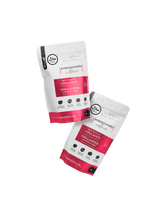
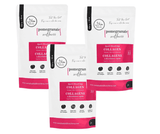
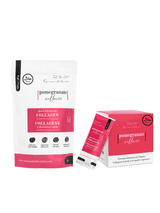

Table of Contents
- Why Postpartum Recovery Supplements Matter
- Postnatal Vitamins for Breastfeeding Mothers
- Collagen for Postpartum Hair Loss and Skin Recovery
- Iron, Vitamin B12, and Energy Restoration After Birth
- Postpartum Recovery Supplements Safety and Dosage
- How Long to Take Prenatal Vitamins After Birth
- Choosing the Right Supplement for Your Recovery Timeline
- Conclusion
- Frequently Asked Questions
Last Updated: October 9, 2026
Why Postpartum Recovery Supplements Matter
Pregnancy depletes key nutrients: iron drops after delivery blood loss, vitamin D declines, B vitamins deplete through breastfeeding, hair sheds as hormones stabilize, and skin loses elasticity as collagen production slows.

The 7 best supplements for postpartum recovery 2026 address these specific deficiencies rather than a generic multivitamin. This guide breaks down which nutrients matter most, when to start them, and how long to continue.
Postnatal Vitamins for Breastfeeding Mothers
Postnatal vitamins differ from prenatal formulas because your body's needs shift after birth. Breastfeeding mothers lose nutrients through milk production, while non-breastfeeding mothers need support for tissue repair and hormone regulation.
A postnatal multivitamin should contain elevated iron, calcium, vitamin D, and B vitamins.
Start within the first week after birth if breastfeeding, or within two weeks if not, and continue at least six months, sometimes twelve.
Choose formulas labeled postnatal rather than prenatal. Prenatal vitamins contain higher folic acid, which is less critical after pregnancy; postnatal formulas emphasize nutrients depleted by pregnancy and lactation.
| Nutrient | Daily Need (Breastfeeding) | Daily Need (Non-Breastfeeding) | Why It Matters |
|---|---|---|---|
| Iron | 9-10 mg | 8-9 mg | Replenishes postpartum blood loss |
| Calcium | 1000 mg | 1000 mg | Prevents bone density loss during lactation |
| Vitamin D | 600-800 IU | 600-800 IU | Supports calcium absorption and immunity |
| Vitamin B12 | 2.4 mcg | 2.4 mcg | Sustains energy and nervous system function |
| Folate | 500 mcg | 500 mcg | Continues tissue repair from pregnancy |
Collagen for Postpartum Hair Loss and Skin Recovery
Postpartum hair loss affects most new mothers. During pregnancy, elevated estrogen extends hair follicle growth; after birth, hormone levels drop sharply, triggering synchronized shedding called telogen effluvium.
Collagen supports hair recovery by providing amino acids essential for keratin production.
Skin changes follow a similar pattern. Pregnancy hormones increase skin elasticity and hydration. Postpartum, collagen production slows and skin loses firmness. Stretch marks and dryness become more visible.
Sustainable Lifestyle offers unflavoured, Halal-certified bovine collagen powder sourced from grass-fed cattle.

Start collagen around week two postpartum.
Pro Tip
Collagen works best when paired with adequate protein intake and vitamin C. Vitamin C supports collagen synthesis, so combining collagen powder with citrus-rich foods or a vitamin C supplement accelerates results.
Iron, Vitamin B12, and Energy Restoration After Birth
Fatigue after birth stems from blood loss, sleep deprivation, hormonal shifts, and nutrient depletion. Iron and B vitamins address the nutritional component.
Iron loss during delivery ranges from 300-500 ml of blood for vaginal birth to 500-1000 ml for cesarean, translating to 150-500 mg of iron lost.
Vitamin B12 supports energy production and nervous system function. Breastfeeding mothers lose B12 through milk, and vegetarians may enter pregnancy with lower stores.
B6 and folate work alongside B12 to convert food into energy and support mood and cognitive function.
Start iron only if testing confirms deficiency, since excess causes constipation and digestive upset.
Postpartum Recovery Supplements Safety and Dosage
Safety during breastfeeding comes down to dose, form, and what else is in the bottle. Most postpartum vitamins are safe because standard doses don't concentrate in breast milk. Fat-soluble vitamins (A, D, E, K) accumulate in milk, so avoid excess, while water-soluble vitamins (B-complex, C) are excreted when taken in excess.
Practical dose ranges and upper limits
These ranges reflect common clinical guidance for postpartum adults. They are starting points for a conversation with your healthcare provider, not prescriptions.
| Nutrient | Typical postpartum dose | Upper limit to respect | Notes |
|---|---|---|---|
| Iron | 30-60 mg elemental iron daily if deficiency is confirmed | Do not exceed without testing | Constipation is the most common side effect |
| Vitamin D | 600-2,000 IU daily | 4,000 IU daily for adults | Higher doses only under clinician supervision |
| Vitamin B12 | 2.4 mcg daily (standard); higher for vegetarians | No established toxicity | Excess is excreted in urine |
| Folate | 400-600 mcg daily | 1,000 mcg synthetic folic acid daily | Higher intakes can mask B12 deficiency |
| Calcium | 1,000 mg daily from food plus supplement | 2,500 mg daily for adults | Split doses above 500 mg for absorption |
| Vitamin C | 75-120 mg daily | 2,000 mg daily | Supports collagen synthesis and iron absorption |
Interactions that matter in practice
- Iron and calcium compete. Take them at least two hours apart. High-dose iron interferes with calcium absorption, and calcium reduces iron uptake.
- Iron and vitamin C pair well. Vitamin C boosts non-heme iron absorption, so taking iron with a glass of orange juice or a vitamin C supplement improves uptake.
- Vitamin D and collagen absorb better with fat. Take them with a meal containing fat (eggs, avocado, olive oil, full-fat yogurt).
- Vitamin A and iron interact. Excess vitamin A can accumulate in infant tissues and also impairs vitamin D absorption at very high doses.
- Thyroid medication and iron or calcium. Both minerals reduce absorption of levothyroxine. Separate doses by at least four hours.
- Antibiotics and minerals. Tetracyclines and fluoroquinolones bind to iron, calcium, and magnesium. Separate by two to four hours.
Timing and tolerability
Iron absorbs best on an empty stomach but causes nausea; taking it with food reduces absorption by up to 30% but improves tolerability. Vitamin D and collagen absorb better with fat-containing meals, and B vitamins absorb well regardless of timing. Spread supplements across the day rather than stacking them at one meal.
Side effects and how to manage them
- Constipation from iron. Increase water, fiber, and movement. Some mothers tolerate iron bisglycinate better than ferrous sulfate.
- Nausea from B vitamins on an empty stomach. Take with food.
- Digestive upset from high-dose supplements. Start with lower doses and increase gradually over one to two weeks.
- Stool color changes from iron. Dark stools are expected and harmless.
When to test rather than guess
New mothers often start iron without testing, then wonder why fatigue persists. Ferritin, hemoglobin, and a complete blood count give a clearer picture than symptoms alone, and vitamin D and B12 testing can identify deficiencies a standard multivitamin won't correct. Ask your provider about testing before high-dose iron and again at three to six months.
When to consult a clinician first
Consult your healthcare provider before starting any supplement regimen, especially with a history of anemia, thyroid conditions, kidney disease, or digestive disorders. Supplements can interact with medications, which matters especially while breastfeeding because some ingredients pass into milk.
Watch Out
Do not exceed recommended dosages for any supplement. Iron toxicity, while rare at standard supplementation levels, causes serious complications. Vitamin A in excess can harm fetal development if you become pregnant again while still breastfeeding.
Dose, form, timing, and testing matter more than brand. Start with standard doses, separate competing minerals, and test before escalating iron.
How Long to Take Prenatal Vitamins After Birth
Many new mothers ask whether to continue prenatal vitamins or switch to postnatal formulas. The answer depends on breastfeeding status, bloodwork, and how you feel.
Hybrid Lifestyle Kit – 16oz (454g) Pouch + 20x10g Sachets →
What the evidence supports
Some recommendations are well established and others rest on limited evidence; knowing the difference helps you prioritize.
- Well supported: Iron supplementation for confirmed deficiency, vitamin D for bone and immune health, B12 for vegetarians and vegans, and folic acid before and during early pregnancy.
- Moderately supported: Postnatal multivitamins for general nutrient gaps, calcium for lactating mothers, and vitamin C for tissue repair.
- Limited evidence: Collagen for hair and skin recovery, though the amino acid profile is biologically plausible and many mothers report benefits. Herbal blends marketed for lactation often lack rigorous trials.
Treat limited-evidence supplements as supportive rather than essential, and don't let them replace proven basics like iron, vitamin D, and B12.
A personalized timeline
If you're breastfeeding: Continue prenatal vitamins through month three postpartum, then transition to a postnatal formula that better matches your changing nutrient needs, continuing six to twelve months or until you stop breastfeeding.
If you're not breastfeeding: Switch to a postnatal vitamin after birth, since prenatal vitamins contain more folic acid than you need without pregnancy or lactation. Continue for at least six months.
If you're nursing into the second year: Some mothers benefit from continuing postnatal vitamins until they stop breastfeeding entirely; your provider can assess whether extended supplementation aligns with your recovery.
When to reassess with testing
Rather than guessing, reassess at these checkpoints:
- Six weeks postpartum: Baseline ferritin, hemoglobin, and vitamin D if you had significant blood loss or symptoms of fatigue.
- Three months postpartum: Recheck iron if you've been supplementing, and assess B12 if you're vegetarian or vegan.
- Six months postpartum: Reassess whether you still need the same doses, especially if your diet or breastfeeding status has changed.
- Twelve months postpartum: Many mothers can reduce or stop supplementation if nutrient levels have normalized.
Signs it's time to adjust
- Persistent fatigue despite sleep and supplementation may point to low ferritin or thyroid changes.
- Hair shedding that continues past month six may warrant a protein and iron review.
- Mood changes, brain fog, or tingling in hands and feet can signal B12 deficiency.
- Bone or muscle aches may reflect low vitamin D or calcium.
Keep a simple log of what you take, when you started, and how you feel at each checkpoint. It makes conversations with your healthcare provider faster and more useful.
How collagen fits into the timeline
Collagen is a supportive addition, not a replacement for core postnatal nutrients. Sustainable Lifestyle offers completely unflavored, odorless, pure Halal-certified bovine collagen powder that dissolves instantly into any hot or cold beverage without changing the taste. Its type 1 and type 3 collagen peptides support hair follicle strength and skin elasticity. Start around week two postpartum and continue at least six months, paired with adequate protein and vitamin C.
There's no single right duration. Base your timeline on breastfeeding status, bloodwork, and how you feel, and reassess at six weeks, three months, six months, and twelve months.
Choosing the Right Supplement for Your Recovery Timeline
Recovery unfolds in phases, and matching supplements to your stage produces better results than taking the same formula throughout.
Weeks 1-4 (Acute Recovery Phase): Focus on iron, vitamin D, and basic multivitamin support as your body heals and stabilizes hormones.
Weeks 5-12 (Early Adaptation Phase): Continue postnatal vitamins and add collagen if not already started.
Months 4-6 (Visible Recovery Phase): Hair shedding decreases noticeably and skin elasticity improvements become visible.
Months 7-12 (Stabilization Phase): Most mothers can reduce supplement frequency if nutrient levels normalize through testing. However, continuing collagen through month twelve addresses deeper skin and hair recovery.
Sustainable Lifestyle's Halal-certified collagen powder fits seamlessly into any recovery timeline.
Mothers prioritizing hair and skin recovery while managing breastfeeding demands benefit most from collagen supplementation combined with postnatal vitamins. The unflavoured formula integrates into any routine without adding complexity.
Conclusion
Postpartum recovery demands targeted nutritional support. Postnatal vitamins address nutrient depletion from pregnancy and birth, iron and B vitamins restore energy, and collagen rebuilds hair strength and skin elasticity. Supplementation spans six to twelve months, with visible improvements between weeks eight and sixteen.
Sustainable Lifestyle's Halal-certified collagen powder supports hair growth, skin health, joint function, and gut wellness during postpartum recovery. The grass-fed, completely unflavored, odorless formula dissolves instantly into any hot or cold beverage without changing the taste, making it practical for busy new mothers.
Frequently Asked Questions
What are the best supplements to take after pregnancy?
The most effective postpartum recovery supplements address nutrient depletion from pregnancy and birth. Iron replenishes blood loss, vitamin B12 combats fatigue, vitamin C supports tissue healing, and collagen supports hair, skin, and joint recovery. Halal-certified bovine collagen powder dissolves instantly into any beverage without changing taste, making it convenient for new mothers managing feeding schedules and recovery.
Should I keep taking prenatal vitamins after giving birth?
Many healthcare providers recommend continuing prenatal vitamins for at least 3-6 months postpartum, especially if breastfeeding. Breastfeeding depletes maternal nutrient stores, so continued supplementation supports both recovery and milk quality. Always consult your healthcare provider about your specific timeline and needs based on your delivery and feeding method.
How long should I take supplements after giving birth?
Postpartum supplementation timelines vary by nutrient and individual recovery. Iron supplementation typically continues 3-6 months postpartum to restore depleted stores. Vitamin B12 and vitamin C support extends through the early recovery phase. Collagen and other tissue-support supplements can continue long-term as part of wellness routines. Work with your healthcare provider to establish a timeline suited to your recovery.
Are postpartum recovery supplements safe while breastfeeding?
Most standard postpartum supplements are safe during breastfeeding when taken at recommended doses. Halal-certified bovine collagen, being pure hydrolyzed peptides from grass-fed cattle with no additives, poses no risk to nursing infants. Always verify ingredient lists and consult your healthcare provider before starting any supplement, especially if you have sensitivities or take medications.
Postpartum recovery doesn't have to mean accepting hair loss, skin changes, and persistent fatigue. The right supplements address these concerns directly. Get started with Sustainable Lifestyle's collagen powder and support your body's natural healing with Halal-certified, grass-fed nutrition designed specifically for postpartum wellness.