Cart
0
Last Updated: October 24, 2026
Quick Summary
To verify halal collagen supplements, confirm the certification mark names a recognized certifier, validate the certificate number through that certifier's own records, and check that the certificate covers this exact product and facility. A logo alone is not proof, so match product name, facility, and certifier before trusting the claim.
- Collagen comes from cow hide, bones, and connective tissue, which stay halal only if slaughter follows Islamic law.
- A real mark names the certifying body and includes a certificate or registration reference.
- Check the certificate's expiry date before trusting it, and re-check before your next purchase.
- Pork gelatin capsule shells make a product haram even if the powder inside is clean.
- Walk away when a brand cannot name its certifier or provide a certificate number.
Table of Contents
- Why Halal Verification Matters for Collagen Supplements
- What Is Bovine Collagen Made From?
-
How to Check Halal Certification for Supplements
- Step 1: Look for a Recognized Certification Mark
- Step 2: Validate the Certificate Independently
- Step 3: Confirm the Certificate Covers This Exact Product
- How to Validate a Certificate Field by Field
- Why a Logo Alone Is Not Enough
- What Certification Does and Does Not Prove
- Differences Among Certifiers and Markets
- Halal Collagen Ingredients: What to Review on the Label
- Questions to Ask a Halal Supplement Brand
- What to Do When Certification Is Absent or Unclear
- Choosing a Halal Collagen You Can Verify
- Frequently Asked Questions
Why Halal Verification Matters for Collagen Supplements
Collagen powders line every shelf now, and plenty carry a halal logo. Anyone can print a crescent moon on a pouch.
Collagen comes from animal parts. Most of it comes from cow hide, bones, and connective tissue.
This guide covers the checks that settle the question: a three-step verification process, the label details most people skip, and a plan for when a brand's paperwork doesn't hold up.
What Is Bovine Collagen Made From?
Bovine collagen is a protein extracted from cattle hide, bones, and connective tissue, then broken down into peptides that dissolve in liquid.
The raw material matters more than the marketing.
So the question isn't only "is the cow halal?" It's also "did anything haram touch the material on the way through?" For a full ingredient breakdown, see beef collagen ingredients explained.
How to Check Halal Certification for Supplements
Checking halal certification for supplements means three things: confirm the mark is from a recognized certifier, validate the certificate through that certifier's own records, and confirm the certificate covers this exact product and facility. Skip any step and the claim is unproven.
Most guides stop at "look for a logo." A logo is a graphic; a certificate is a document with fields you can check one by one.
Step 1: Look for a Recognized Certification Mark
Start with the packaging. A legitimate mark names the certifying body, not just the word "halal." Recognized certifiers publish their standards and audit facilities in person.
Be careful with generic stamps. A logo with no organization name behind it tells you nothing. To understand what a real audit involves, read how halal certification works for supplements.
Pro Tip
A real mark usually includes the certifier's full name or acronym, a certificate or registration reference, and a scannable lookup path. If the pouch only shows a crescent and the word "halal," you have a claim, not a certification.
Step 2: Validate the Certificate Independently
A certificate on a brand's website proves the brand has a PDF, not that the PDF is real. Search the certificate number or company name on the certifier's own site, and call or email the certifier if the lookup tool is thin. A valid certificate shows the company name, covered products, facility address, and expiry date, check the date before you trust it.
Step 3: Confirm the Certificate Covers This Exact Product
This is the step almost everyone skips. A certificate might cover "collagen peptides" but not the flavored version you're holding, or one production site but not a second facility added later. Match three things: product name, facility, and certifier. If any one doesn't line up, ask the brand to explain. For a deeper walkthrough, see how to verify halal collagen certification.
How to Validate a Certificate Field by Field
A certificate is only as strong as the fields you can confirm. Work through this checklist against the certifier's own records, not the brand's marketing page:
- Certifier identity, the issuing body is named, and you can find that body's published halal standard and audit process. If the certifier has no public standard, treat the certificate as unverified.
- Certificate or registration number, the number on the PDF matches the number in the certifier's lookup tool. A number that returns no result is a red flag.
- Legal company name, the certificate names the manufacturer or brand entity, not a trading name that appears nowhere else. Mismatched names are common when brands rebrand.
Watch Out
A certificate that passes every field check still only covers what it says it covers. If the scope is a raw-material supplier and the finished product is blended elsewhere, the finished product is not certified by that document.
Why a Logo Alone Is Not Enough
Logos are easy to copy, reuse from an old certificate, or print on packaging that was never audited. Only a matching record in the certifier's own system turns a logo into evidence, which is why the field-by-field check matters more than how official the mark looks.
What Certification Does and Does Not Prove
Certification confirms that the certifier audited the facility and product against its halal standard. It does not replace laboratory testing for impurities, heavy metals, or potency, and testing does not confirm halal status. A product can be pure and still haram, or halal-certified and still worth testing for contaminants. Treat them as separate checks.
Differences Among Certifiers and Markets
Recognition and scope vary by certifier and market. A certifier recognized for one product category may not be recognized for another, and a certificate issued for one region may not be accepted in another. When sources disagree about whether a product is halal, the disagreement usually comes down to which certifier's standard applies and what the certificate's scope covers.
The verification process comes down to three checks, each of which must pass before the claim holds up.
| Step | What to do | What to confirm |
|---|---|---|
| Step 1 | Look for a recognized certification mark | Mark names the certifying body, not just the word halal |
| Step 2 | Validate the certificate independently | Certificate number or company name returns a result on the certifier's site |
| Step 3 | Confirm the certificate covers this exact product | Product name, facility, and certifier all line up |
Halal Collagen Ingredients: What to Review on the Label
The ingredient list is where hidden haram risks live. Collagen powder itself is simple. The trouble hides in everything around it.
Read the full list, not the front of the pouch. Look for:
Starter Pouch : Unflavoured Halal Collagen Powder 10oz (284g) →
- Gelatin in capsules, gummies, or softgels, which is often pork-derived
- Capsule shells made from gelatin rather than plant cellulose
- Flavorings that may carry alcohol-based carriers
Capsule Shells, Flavorings, and Processing Aids
Capsule shells are the biggest trap. Many use pork gelatin, which alone makes the product haram even if the powder inside is clean. For help spotting hidden fillers, read clean label collagen without hidden fillers.
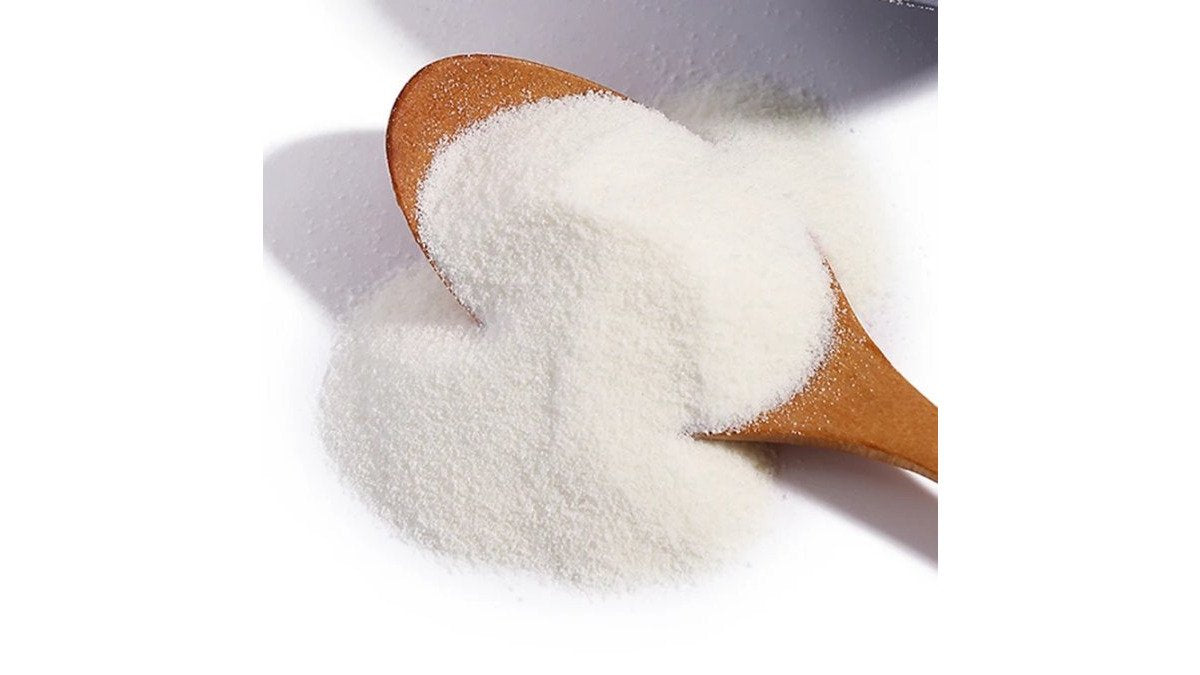
An unflavored, odorless powder in a resealable pouch avoids most of this. No capsule shell. No flavor system. Fewer places for something haram to hide.
Questions to Ask a Halal Supplement Brand
A brand that has done the work answers these fast; a brand that hasn't gets vague. Ask directly:
- Which certifier issued your certificate, and what is the certificate number?
- Does the certificate cover this exact product and this facility?
- Can you share the certificate's expiry date?
Push on the last two. A brand selling halal collagen should know its supply chain well enough to describe it.
What to Do When Certification Is Absent or Unclear
No certificate, or one that doesn't check out? Treat the product as unverified. That's not the same as haram, but you can't confirm it's halal. The fallback plan:
- Ask the brand in writing for the certificate and certifier name.
- Search the certifier's database yourself.
- If the brand can't or won't provide it, walk away.
- If you've already bought it, don't assume the worst, but don't keep buying until it's confirmed.
Vague answers like "our supplier assures us" don't count. When in doubt, choose a product you can verify.
A Decision Tree for Unclear Certification
Work through these branches in order. Stop at the first branch that applies.
- No halal mark at all, the product is unverified. Ask the brand for a certificate and certifier name before buying. If they cannot name a certifier, treat it as unverified and move on.
- A mark with no certifier name, the mark is decorative. Ask which organization issued it and for the certificate number. No answer means unverified.
- A named certifier but no certificate number, ask for the number and the certificate's scope. Without a number you cannot validate the claim independently.
Key Takeaway
"Unverified" is a holding position, not a verdict. It means you have not yet found evidence either way. The decision tree tells you which question to ask next so you can move from unverified to confirmed or to a clear no.
Questions to Send a Manufacturer in Writing
Email or message the brand with these questions. Written answers create a record you can check against the certifier's records.
- Which certifier issued your halal certificate, and what is the certificate number?
- What is the certificate's scope, and does it cover this exact product and this manufacturing site?
- What is the certificate's issue date and expiry date?
Push on the sourcing and facility questions. A brand that answers only the easy questions is telling you something.
How to Read a Partial or Ambiguous Answer
Some brands answer honestly but incompletely. A partial answer is neither a refusal nor confirmation. Common patterns:
- "Our supplier is certified." This certifies the supplier, not the finished product. Ask which certificate covers the finished powder and the site where it was made.
- "Our facility is halal." This certifies the facility, not necessarily the product line. Ask whether the certificate's scope includes this product.
- "We follow halal principles." This is a statement of intent, not a certification. Ask for the certifier and certificate number.
Watch Out
A brand that cannot name its certifier is not necessarily selling a haram product. But without a certifier name and a certificate number, you have no way to validate the claim, and an unverifiable claim should not be treated as confirmation.
When to Walk Away
Walk away when the brand cannot name a certifier, cannot provide a certificate number, or gives answers that contradict the certifier's own records. Walk away when the certificate is expired and no current one is offered, or when its scope clearly does not cover the product you are holding. The problem is not that the product is proven haram; it is that the claim cannot be verified, and a supplement you cannot verify is not a halal supplement you can rely on.
If You Have Already Bought It
Don't assume the worst, but don't keep buying until the claim is confirmed. Use the product if you are comfortable with an unverified status, or set it aside and switch to one you can verify. The rule: unverified today, confirmed before the next purchase.
Choosing a Halal Collagen You Can Verify
The simplest path is a product that hands you everything up front: a named certifier, a certificate covering the exact pouch, and a clean ingredient list.
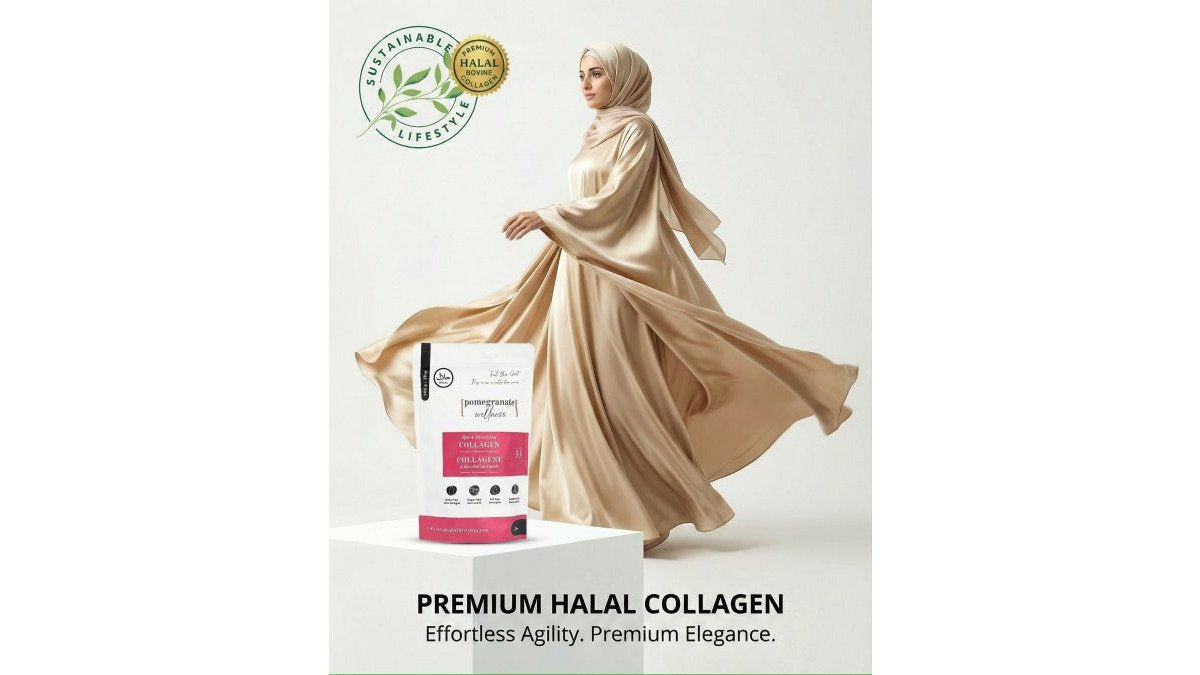
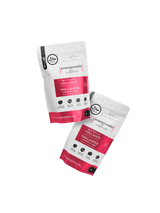
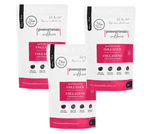
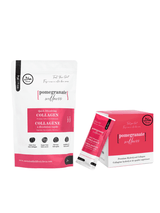
Sustainable Lifestyle makes an unflavored, odorless Halal-certified bovine collagen powder from grass-fed, pasture-raised cattle. The formula is a single ingredient: hydrolyzed bovine collagen peptides.
The brand is family-owned, Canadian-made, and trusted by 3000+ Muslims in Canada. If you want to check the paperwork before buying, find where to buy the verified halal collagen and ask for the certificate details.
Frequently Asked Questions
Does halal collagen need to come from a halal-slaughtered animal?
Yes. For bovine collagen to be halal, the cattle must be slaughtered according to Islamic guidelines, and the animal must be permissible to eat. A trustworthy brand should be able to tell you who slaughters the cattle, how the slaughter is performed, and which certifier audits the process. Without that chain of evidence, a halal claim on the package is just a claim. Ask for the certifier's name and confirm the certificate covers the specific product you are buying.
How can I tell whether a halal certificate is current and applies to the product?
Check three things: the expiry date, the product name or category listed on the certificate, and the manufacturing facility it covers. A certificate for a different product from the same brand does not automatically cover the one in your hand. Look up the certifier's website or contact them directly with the certificate number. If the certificate has expired, lists a different product, or cannot be found in the certifier's records, treat the halal status as unconfirmed.
What should I check on a halal collagen supplement label?
Start with the ingredient list: it should name the collagen source clearly, such as hydrolyzed bovine collagen peptides. Then check for a recognized halal certification mark and the certifier's name. Review capsule shells, flavorings, and any processing aids, since these can introduce non-halal ingredients. Finally, confirm the label matches the certificate. A clean label with one ingredient and a verifiable certifier is easier to trust than a long ingredient list with no certification details.
Can collagen hydrolysate be halal?
Yes, collagen hydrolysate can be halal when it is made from permissible animal sources slaughtered according to Islamic guidelines, and when the processing involves no non-halal additives or cross-contamination. The word hydrolysate describes how the collagen is broken into smaller peptides, not the animal source. Check the ingredient list for the source, then verify the halal certification. Unflavored, single-ingredient bovine collagen peptides are the simplest to verify.
Verifying halal collagen supplements takes fifteen minutes and saves you from guessing. Ask for the certifier, check the certificate yourself, and read the full label. Sustainable Lifestyle built its collagen around that standard: Halal-certified, grass-fed, single-ingredient, and unflavored so nothing gets added. Get started with Sustainable Lifestyle and drink your collagen with confidence.