Cart
0
A collagen tub can look clean from the front and tell a different story on the ingredient panel. That is why beef collagen ingredients explained clearly matters for anyone building a faith-aligned routine for hair, skin, and everyday nutritional support. A quality powder should be easy to recognize: bovine collagen peptides, with no unnecessary extras competing for space in your daily drink.
For Muslim consumers, the question goes beyond whether collagen comes from cows. You deserve to know how it was sourced, processed, certified, and packaged. A simple ingredient list is a strong starting point, but halal certification provides the reassurance that simple marketing language cannot.
Beef Collagen Ingredients Explained: The Core Ingredient
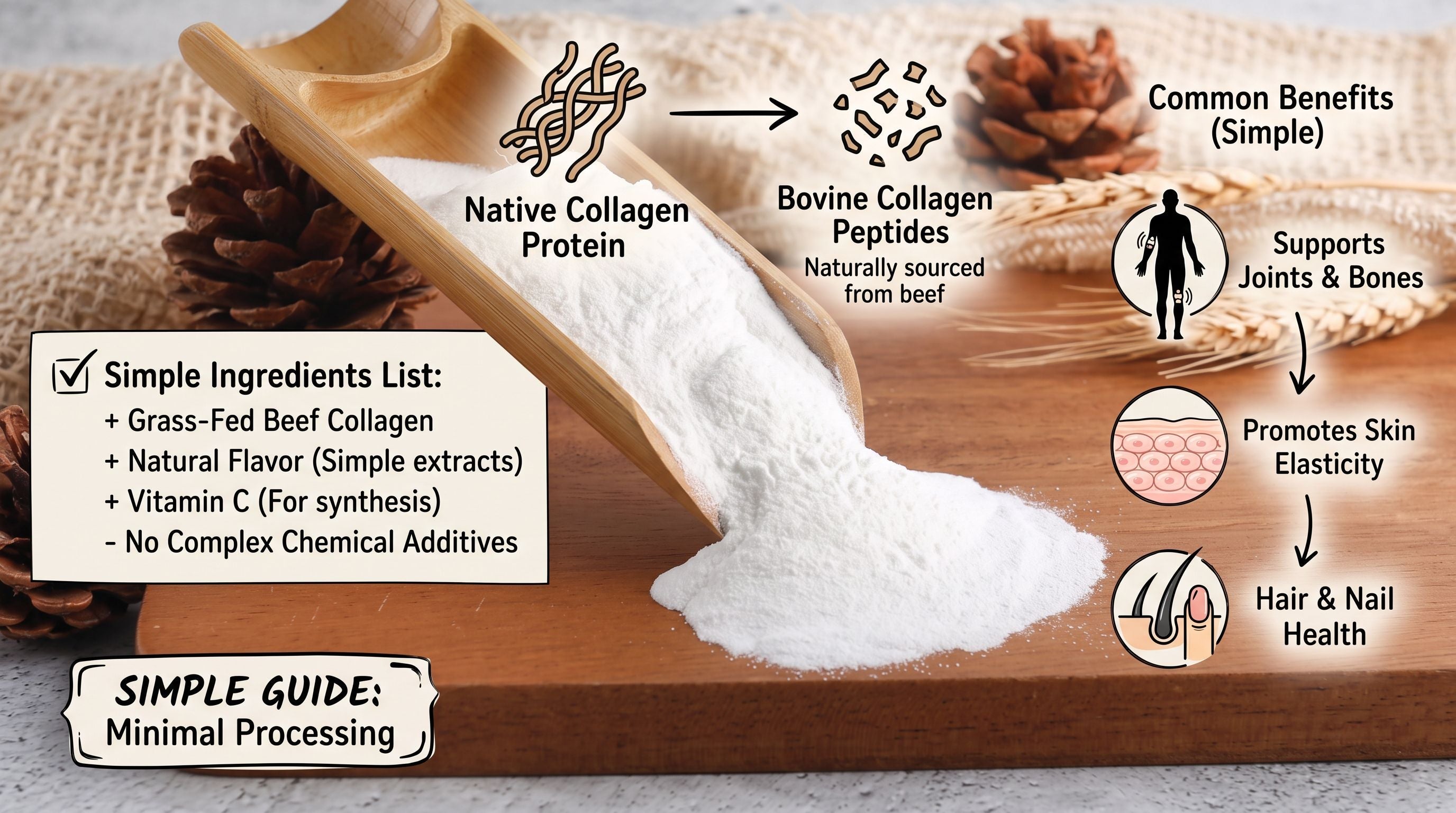
The main ingredient in a clean beef collagen powder is typically hydrolyzed bovine collagen peptides. “Bovine” means the collagen is derived from cattle. Collagen itself is a structural protein naturally found in animal connective tissues, including hide, bones, and cartilage.
“Hydrolyzed” means the collagen has been broken down into smaller protein pieces called peptides. This makes the powder more soluble in liquids and easier for your body to digest than intact collagen protein. You may also see this called collagen hydrolysate. In practical terms, hydrolyzed collagen is the form that should mix smoothly into coffee, tea, water, smoothies, or oats without turning your drink into a thick gel.
A single-ingredient label may read simply: “Hydrolyzed bovine collagen peptides.” That is not a lack of formulation. For many shoppers, it is exactly the point. The formula delivers collagen protein without sugar, artificial flavoring, dairy, gluten, or filler ingredients that may not serve your goals.
Collagen peptides are not the same as gelatin
Gelatin and collagen both come from animal collagen, but they behave differently in your kitchen. Gelatin thickens and sets when cooled, which is useful for desserts and cooking. Collagen peptides are further processed so they dissolve more easily and usually do not create that gel-like texture.
If you want a daily supplement that disappears into your morning coffee or post-workout smoothie, collagen peptides are generally the more convenient option. If you are making homemade gummies or a dessert that needs structure, gelatin may be the better fit. Neither is automatically better - it depends on how you plan to use it.
What Is Naturally Inside Bovine Collagen?
Collagen peptides are protein, and their value comes from their amino acid profile. Bovine collagen is naturally rich in glycine, proline, and hydroxyproline, amino acids that are closely associated with the structure of collagen in the body.
Your body digests collagen peptides like other dietary proteins, breaking them down into amino acids and smaller peptides. These nutrients contribute to your overall protein intake and provide building blocks your body can use. Results related to skin appearance, hair, nails, joints, and wellness vary from person to person, and daily consistency matters more than taking an occasional scoop.
Most bovine collagen products primarily provide Type I and Type III collagen. Type I is the most abundant collagen type in the human body and is commonly associated with skin, hair, nails, bones, and connective tissue. Type III is also found in skin, blood vessels, and other tissues. This is one reason beef collagen is a popular choice for beauty-from-within routines.
Collagen is not a complete protein, however. It does not provide all essential amino acids in the same balance as foods such as eggs, poultry, fish, dairy, or legumes. Use it as a complement to a balanced diet, not as a replacement for a full protein source.
The Ingredients You May Want to Avoid
Not every collagen powder is made for the same purpose. Flavored products can be convenient, but they often introduce additional ingredients that deserve a closer look. If your priority is purity and flexibility, an unflavored formula gives you more control over what goes into your routine.
Common additions may include sweeteners, natural or artificial flavors, creamer powders, gums, anti-caking agents, color additives, preservatives, and extra vitamin blends. These ingredients are not automatically harmful, and some may suit your preferences. But they can complicate a product that began as a straightforward protein supplement.
A clean-label buyer may prefer to avoid:
- Added sugar or sugar alcohols that can change the taste and may not agree with every stomach
- Artificial sweeteners, flavors, or colors
- Dairy-based creamers or other allergens
- Gluten-containing additions or fillers
- Proprietary blends that do not clearly state how much collagen you receive per serving
Why Halal Certification Changes the Conversation
Seeing “bovine” on a label does not, by itself, confirm that a collagen powder is halal. Halal suitability can depend on the source of the animal, the slaughter process where applicable, processing methods, handling, and the certification standards used to verify the product.
This distinction matters because collagen is often sourced from animal materials that undergo extensive processing before becoming a fine powder. A halal-certified product offers a level of verified oversight that broad statements such as “natural,” “clean,” or “grass-fed” do not provide.
Look for clear halal certification rather than relying on assumptions. For Muslims who want wellness products that respect both personal health goals and religious values, this is not a minor product detail. It is part of choosing with confidence.
Halal certification should also sit alongside other transparency signals. A brand should clearly state the collagen source, list every ingredient, identify allergens where relevant, and make quality information easy to understand. Third-party testing can add another layer of confidence by helping verify that a product meets its stated standards.
Grass-Fed, GMO-Free, and What Those Claims Mean
“Grass-fed” and “GMO-free” are meaningful claims for many shoppers, but they should be understood in context. Grass-fed generally refers to how cattle were raised and fed. It does not automatically tell you every detail about sourcing, animal welfare, processing, purity testing, or halal status.
Likewise, a GMO-free claim can support a clean-label preference, but it does not replace a full ingredient review. The best approach is to see these claims as part of a larger quality picture: a straightforward formula, transparent sourcing, appropriate certification, and a serving size that provides a meaningful amount of collagen protein.
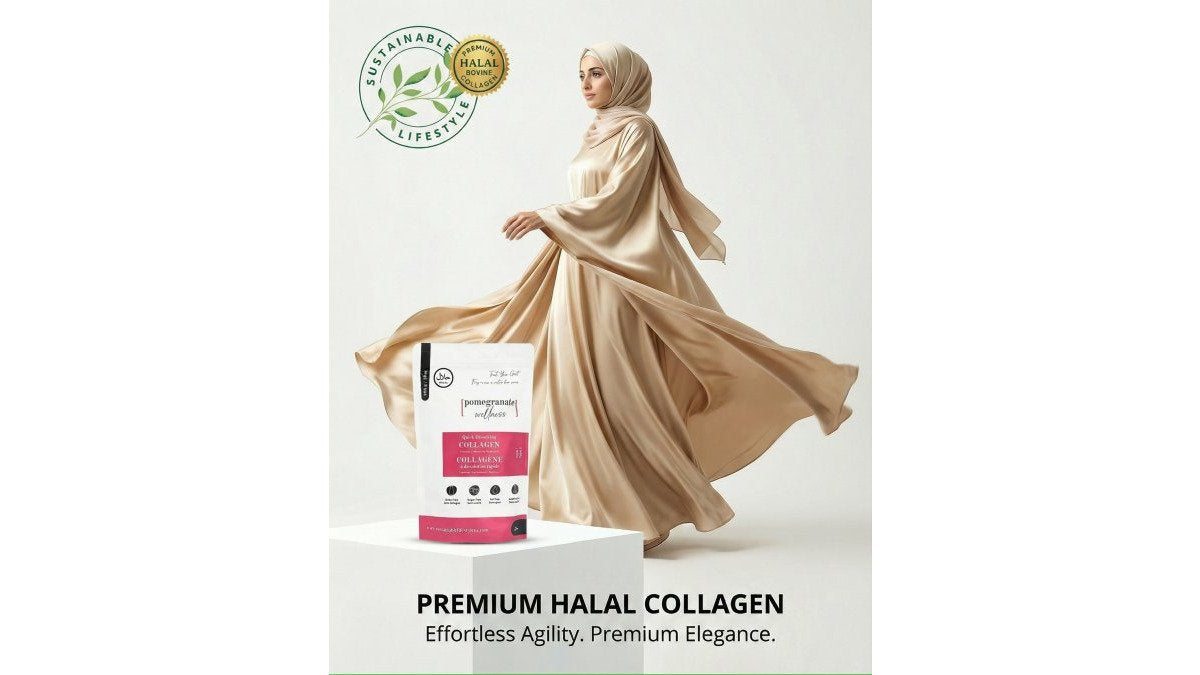
A premium halal bovine collagen should not make you choose between ingredient standards and faith alignment. Sustainable Lifestyle focuses on this combination with halal-certified, grass-fed, GMO-free bovine collagen that is unflavored and made without sugar, dairy, gluten, additives, or fillers.
How to Read a Beef Collagen Label in 30 Seconds
Start with the ingredient panel, not the front-label promises. If you want an uncomplicated product, look for hydrolyzed bovine collagen peptides as the primary or only ingredient. Then check the serving size and protein amount so you know what you are actually getting in each scoop or sachet.
Next, confirm dietary compatibility. Look for halal certification if halal compliance is essential to you, and verify whether the product is free from dairy, gluten, sugar, or other ingredients you avoid. If you have allergies, are pregnant or nursing, take medication, or have a medical condition, speak with a qualified healthcare professional before adding a new supplement.
Finally, think about consistency. A large pouch may offer strong value for home use, while individual sachets make it easier to keep your routine going at work, while traveling, or during busy days. The best collagen is not just the one with the cleanest label. It is the one you can use regularly and confidently.
A good collagen routine should feel uncomplicated: one trusted source, one clear ingredient list, and one daily habit that fits your life and your values.