Cart
0
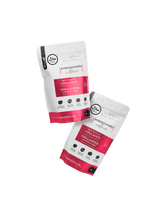
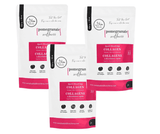
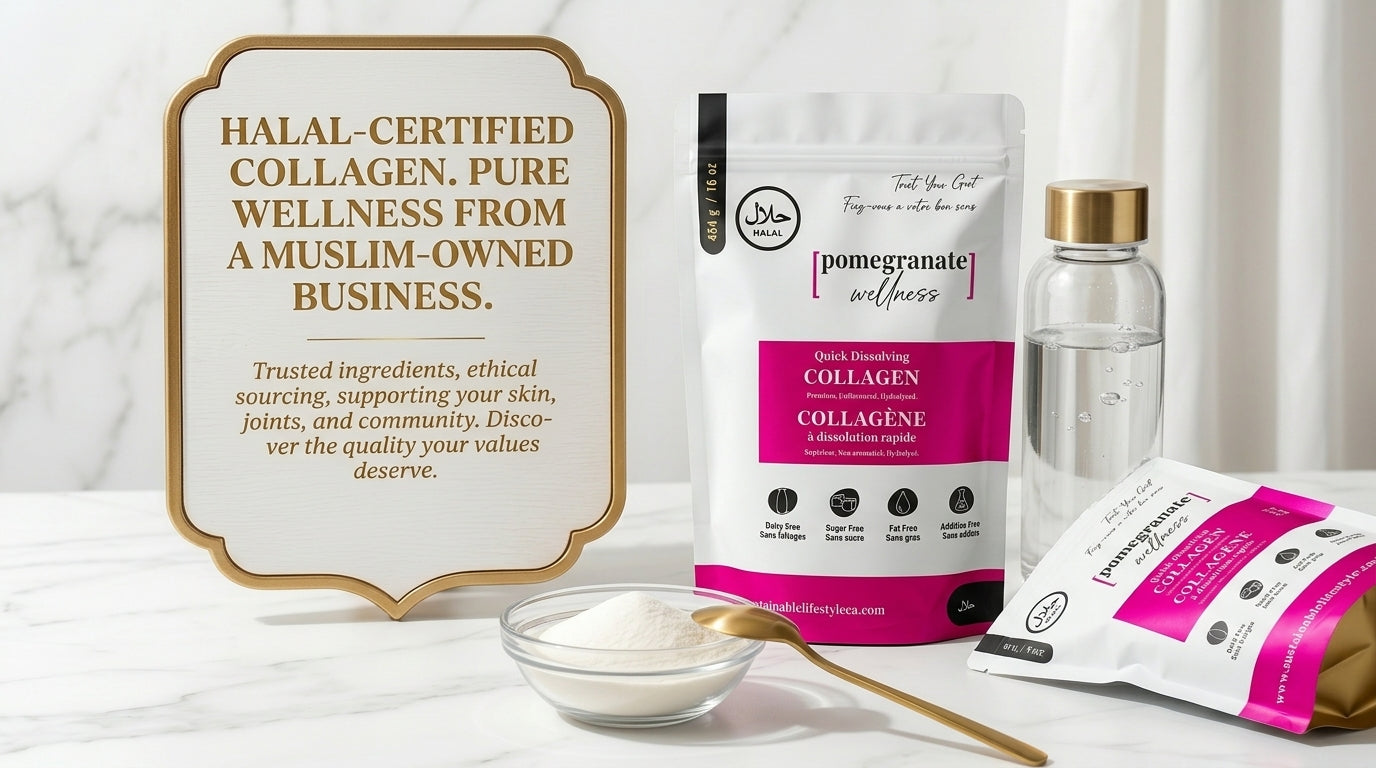
When a label says halal, most shoppers assume the hard part is done. But if you have ever tried to verify a collagen powder, capsule, or gummy for yourself, you know the real question is what stands behind that claim. Understanding how halal certification works helps you shop with more confidence, especially when a product is part of your daily wellness routine.
For supplements, halal is not just about avoiding obvious haram ingredients. It also includes where raw materials come from, how they are processed, whether alcohol is used at any stage, how equipment is cleaned, and whether cross-contact is controlled. That matters even more with products like collagen, where the source ingredient itself is the whole point.
What halal certification actually means
Halal certification is a formal review carried out by a qualified certifying body to confirm that a product meets Islamic dietary requirements. In practical terms, that means the certifier does not simply look at the front label. They review the ingredient list, supporting documents from suppliers, manufacturing processes, sanitation procedures, packaging, and the way the product is handled from production through final sale.
A halal logo should mean there is a documented system behind it. The strongest certifications are based on traceability, not marketing language. If a brand says a supplement is halal but cannot point to an actual certifier, that is a different situation from a product that has been reviewed and approved by an independent organization.
This distinction matters because many supplement ingredients sound simple but are not always straightforward. Gelatin, flavor systems, enzymes, glycerin, magnesium stearate, and collagen peptides can all raise questions depending on how they are sourced and processed.
How halal certification works step by step
The process usually starts with an application from the manufacturer or brand. The certifying body asks for full product information, including every ingredient, processing aid, and source document. That includes materials that may not appear clearly on the label but are used during manufacturing.
Ingredient review comes first
The certifier examines each ingredient one by one. This is where many products pass or fail. A supplement may look clean on the front of the package, but the certifier will want proof of origin. If a collagen product is bovine, the review does not stop there. The certifier will ask whether the bovine source itself is halal, how it was handled, and whether the supply chain can support that claim.
This is why not all bovine collagen is automatically halal. Bovine only tells you the animal source. It does not confirm the slaughter method, sourcing controls, or certification standards behind it.
Supplier documents are checked
A serious halal review depends on documentation from raw material suppliers. The certifier may request halal certificates for ingredients, technical data sheets, processing statements, and declarations that confirm no prohibited substances were used. If a supplier cannot provide enough detail, that can delay certification or block it entirely.
This step is especially important in supplements because formulas often include minor ingredients with complicated sourcing. A clean-label product has an advantage here. The fewer additives, fillers, and flavor blends involved, the easier it is to verify what is actually in the formula.
Manufacturing practices are audited
Once ingredients are cleared, the certifier looks at the facility and production process. This may include an on-site audit. The audit checks whether halal and non-halal materials are stored separately, whether equipment is shared, how cleaning is performed, and whether there is a risk of contamination.
A factory does not always need to be fully halal-only, but it does need controls. That is where real differences show up. Some facilities have clear segregation and documented cleaning procedures. Others rely on assumptions. For Muslim consumers, assumptions are not enough.
Approval is granted with conditions
If the ingredients, documents, and audit all meet the standard, the certifying body approves the product and allows the halal mark to be used. This approval is usually not permanent. Most certifications require renewal, updated records, and ongoing compliance. If the formula changes, suppliers change, or the manufacturing process changes, the product may need to be reviewed again.
That ongoing oversight is one reason certification carries weight. It is not supposed to be a one-time promise made years ago and left untouched.
Why supplements need closer scrutiny than many foods
Packaged foods are not always simple, but supplements often involve concentrated ingredients, extraction methods, specialty coatings, and contract manufacturing. That creates more room for uncertainty.
A powder might contain only one active ingredient and still raise halal questions if the source is unclear. A capsule might be mostly vitamins but use non-halal gelatin. A flavored formula might use alcohol-based flavor carriers. Even a product marketed as natural or clean can fall short if the sourcing is vague.
This is exactly why understanding how halal certification works is useful for supplement buyers. You are not just checking whether a product avoids pork. You are looking at the full chain of trust.
Collagen is where halal details really matter
Collagen is one of the clearest examples of why certification matters. Since collagen comes from animal tissue, the source cannot be treated as a small detail. The entire product depends on it.
Marine collagen may appeal to some shoppers because it avoids land-animal sourcing questions, but it still needs verification around processing and supporting ingredients. Bovine collagen can be an excellent option when it is properly sourced and halal certified, but without certification, buyers are often left guessing.
For Muslim consumers focused on hair, skin, nails, and daily nutrition, this is not a minor issue. If collagen is part of your routine every day, faith alignment should be as clear as the protein source. That is why halal-certified bovine collagen stands out in a crowded supplement market. It removes uncertainty where uncertainty is most common.
What a halal logo does and does not guarantee
A halal logo is a strong trust signal, but shoppers should still think carefully. Certification confirms compliance with halal standards, but it does not automatically mean the product is healthier, better absorbed, or free from every ingredient you may personally prefer to avoid.
For example, a halal-certified supplement can still contain sugar, artificial flavors, or unnecessary fillers if those ingredients meet halal requirements. On the other hand, a product can be very clean from a wellness perspective but still lack halal certification because the sourcing trail is incomplete.
That is why the best choice often combines both. You want halal compliance and a formula that supports your health goals - simple ingredients, no unnecessary additives, and a format that actually fits your routine.
How to evaluate a halal-certified supplement before you buy
Start with the certifier. A real halal claim should point to an identifiable certification body, not vague language like halal friendly or suitable for Muslims. Then look at the formula. Shorter ingredient lists are usually easier to assess, especially for powders and collagen products.
Next, consider the source. With collagen, ask whether it is bovine or marine, and whether the animal source is clearly disclosed. If the product is unflavored and free from fillers, dairy, gluten, and sugar, that often makes the decision easier for shoppers who want purity as well as compliance.
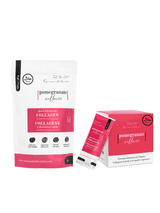
Finally, think about consistency. A daily supplement should be easy to use, whether that means a larger pouch for home use or sachets for travel and work. Certification matters, but convenience matters too. The best supplement is the one you trust enough to take regularly.
Why this matters for Muslim wellness shoppers
For many Muslim consumers, halal shopping does not stop at meat counters or restaurant menus. It extends to vitamins, proteins, collagen, and the products used every single day in a wellness routine. That shift is long overdue.
People want more than broad reassurances. They want products that respect religious values without forcing them to compromise on quality, convenience, or results. In that sense, halal certification is not a marketing extra. It is part of product integrity.
That is also why brands that are transparent about sourcing, certification, and formulation earn more trust. When a company is clear about what is in the product, where it comes from, and how it is verified, shoppers spend less time second-guessing and more time building a routine that feels right.
If you are comparing collagen or any other supplement, do not settle for a claim that sounds reassuring but says very little. Look for proof, look for transparency, and choose products that support both your health goals and your standards. Peace of mind is part of wellness too.