Cart
0
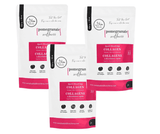
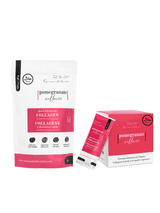

A collagen routine should not leave you second-guessing what is in the scoop. This collagen supplement guide is for people who want support for hair, skin, and everyday nutrition while staying confident that their collagen aligns with halal standards and clean-label expectations. The best option is not the one with the loudest beauty promise. It is the one you can trust, use consistently, and fit into real life.
What Collagen Is - and Why the Source Matters
Collagen is a protein found naturally in the body. It helps form the structure of skin, hair, nails, joints, bones, and connective tissue. As we get older, the body’s natural collagen production changes. That is why collagen powder has become a popular addition to beauty-from-within and daily wellness routines.
But collagen is not one-size-fits-all. It is commonly sourced from bovine, marine, chicken, or porcine ingredients. For Muslim consumers, the source and certification are central to the decision. A collagen product can say “bovine” or “grass-fed” and still not provide enough information about halal handling, processing, or verification.
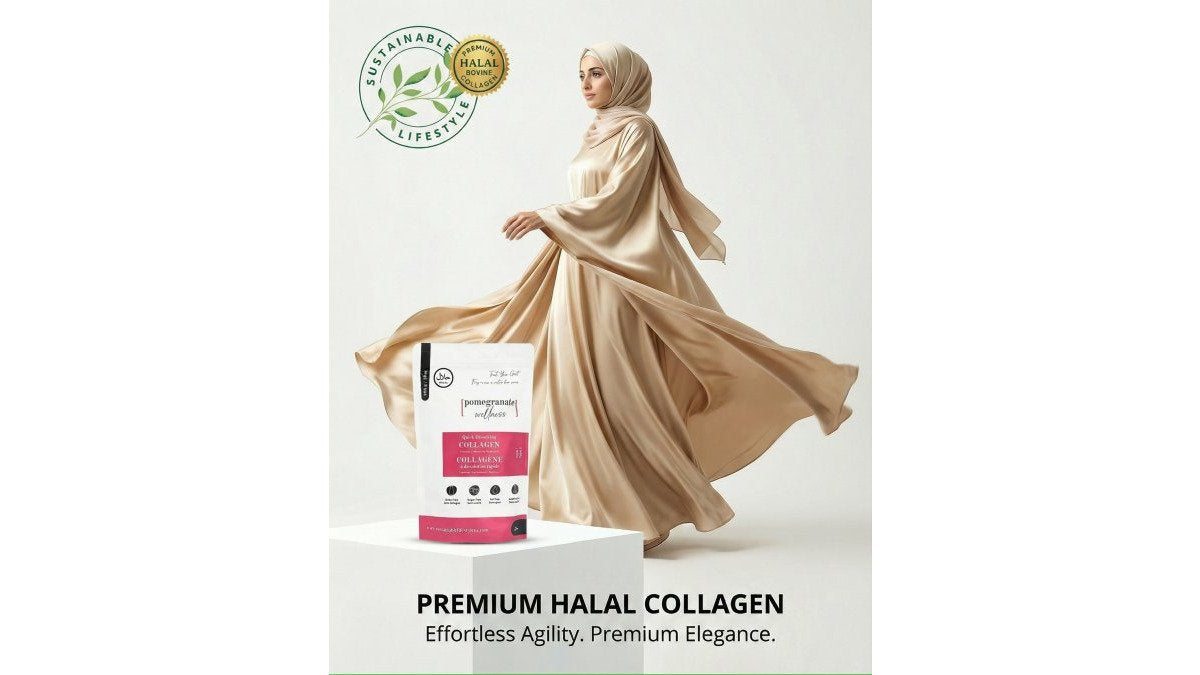
If halal compliance matters to you, look for clear halal certification rather than relying on assumptions. A certified halal bovine collagen gives you a practical way to build a daily routine without compromising your values.
A Collagen Supplement Guide to Choosing Better
A clean collagen supplement should make the decision easier, not harder. Start with the label. You want to know exactly what the collagen is made from, whether it has been tested, and what else has been added to the formula.
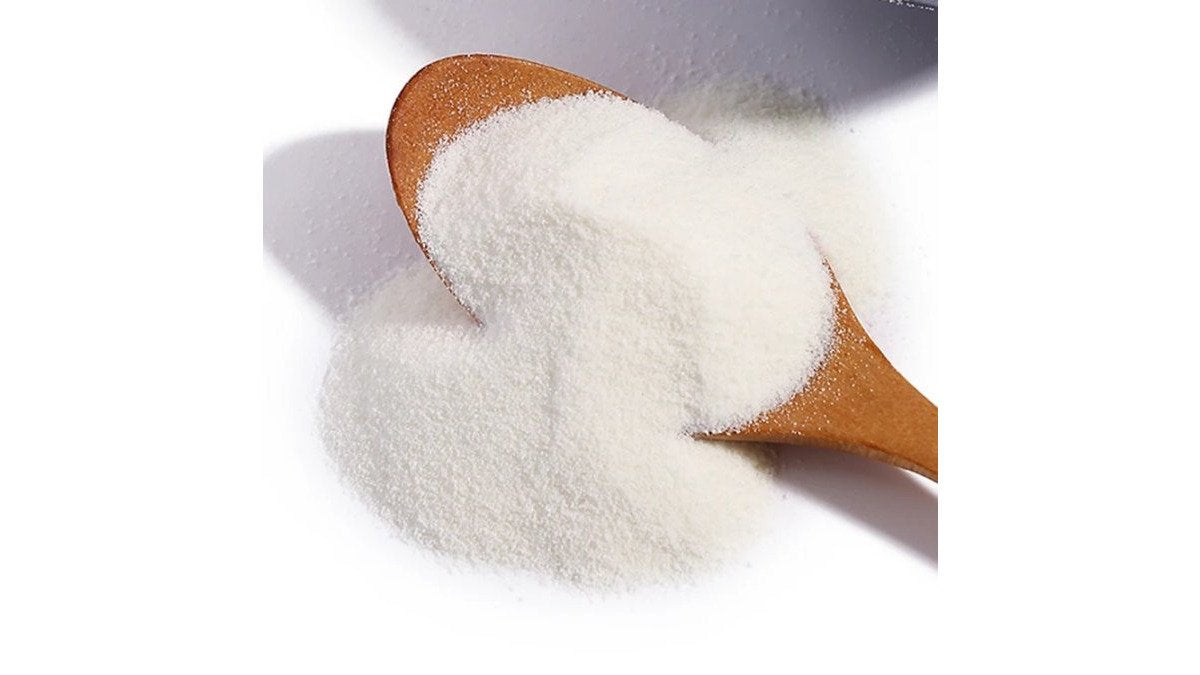
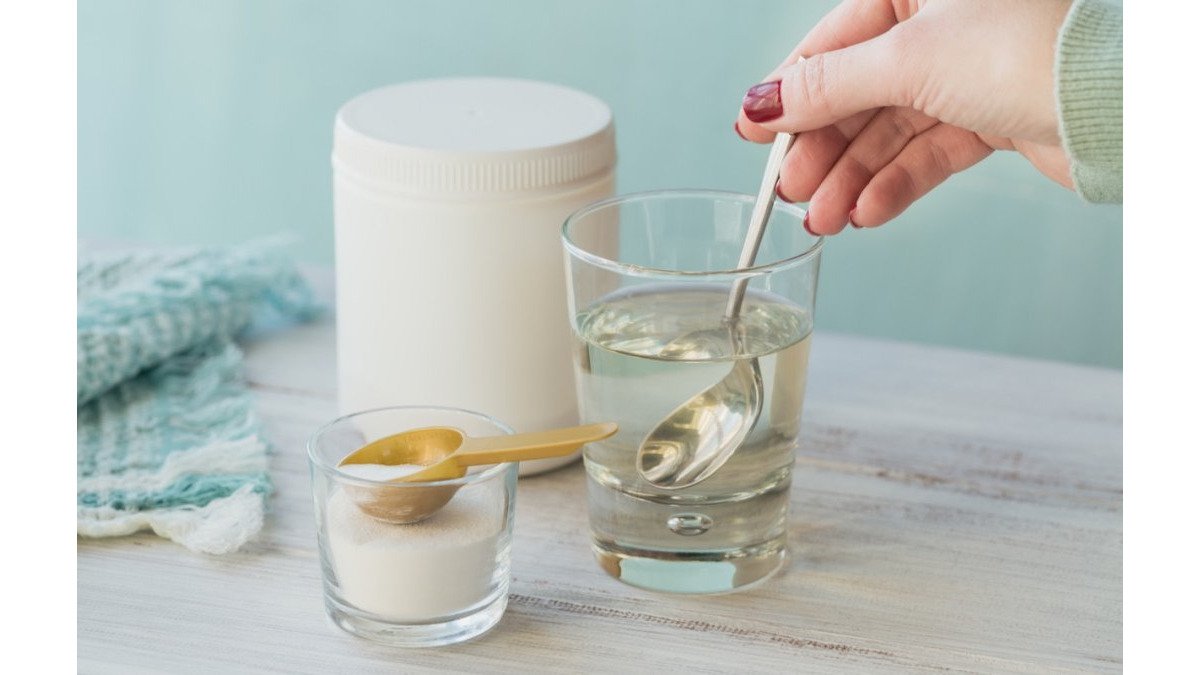
Hydrolyzed collagen, also called collagen peptides, is collagen broken into smaller pieces so it dissolves more easily in drinks and foods. It is a practical format for everyday use because unflavored powder can be mixed into coffee, tea, smoothies, oatmeal, soups, or water without forcing you to buy another sweetened beverage.
For a straightforward daily product, prioritize halal-certified bovine collagen peptides with a short ingredient list. Grass-fed sourcing, GMO-free standards, and third-party testing can offer additional reassurance when they are clearly stated by the brand.
The label checklist that actually matters
A premium collagen does not need a long list of trendy extras. In fact, unnecessary additions can make it harder to know what you are taking. Look for these essentials:
- Halal certification that is clearly identified, especially for bovine collagen
- A defined collagen source, rather than vague language about “animal collagen”
- Hydrolyzed collagen peptides for easy mixing and daily use
- No added sugar, dairy, gluten, fillers, or artificial flavoring if a clean routine is your priority
- Transparent serving information so you can compare value fairly
- Quality and testing information from a brand willing to stand behind its product
How Much Collagen Should You Take?
The right serving depends on the product, your overall diet, and the goal of your routine. Many collagen powders provide a daily serving measured in grams, and the most sensible approach is to follow the label directions consistently.
Consistency matters more than occasionally taking a larger amount. Collagen is not a one-day fix for hair, skin, or nails. Give your routine time, keep expectations realistic, and pay attention to how it fits alongside balanced meals, hydration, sleep, and regular self-care.
If you are pregnant, breastfeeding, managing a medical condition, or taking medication, speak with a qualified health professional before adding a new supplement. Collagen is a nutritional supplement, not a replacement for medical care or a varied diet.
Bovine vs. Marine Collagen for Halal Shoppers
Both bovine and marine collagen are common, but they suit different needs. Bovine collagen is widely used, typically provides types I and III collagen, and is often the most practical choice for people focused on skin, hair, nails, and general daily support. It also tends to be easier to find in an unflavored powder format.
Marine collagen may appeal to people who avoid beef, but it is not automatically halal just because it comes from fish. Processing practices, ingredients, capsules, and other manufacturing details still matter. It can also cost more per serving.
| Consideration | Halal Bovine Collagen | Marine Collagen |
| --- | --- | --- |
| Source | Beef | Fish |
| Halal confidence | Look for recognized halal certification | Verify processing and full ingredient list |
| Everyday use | Commonly available as neutral powder | Often available as powder or capsules |
| Value | Often more economical per serving | Can be higher priced |
| Best fit | People seeking a versatile, faith-aligned daily staple | People who avoid bovine products |
The better choice depends on your dietary needs. For many Muslim households, halal-certified, grass-fed bovine collagen provides the clearest combination of familiar sourcing, everyday versatility, and value.
Powder or Sachets: Choose the Format You Will Use
The most effective supplement routine is usually the one that survives busy mornings, commutes, travel, and family schedules. A larger pouch is ideal for a kitchen-counter routine and often offers stronger value per serving. Sachets are useful when you want pre-measured convenience in your bag, desk drawer, or suitcase.
Unflavored collagen is especially easy to keep consistent because it works with your existing habits. Stir it into warm coffee or tea, blend it into a smoothie, or add it to oatmeal. If you prefer cold drinks, mix thoroughly or use a shaker bottle for a smoother result.
You do not need a complicated beauty ritual. Pick one moment you already repeat each day, such as your morning drink or afternoon smoothie, and make collagen part of that habit. A travel-friendly sachet can keep the routine going when you are away from home.
How to Compare Collagen Value Without Being Misled
A low sticker price does not always mean a better deal. Compare products using price per serving, not just the size of the container. Then check how many grams of collagen you receive in each serving and whether you are paying extra for sugar, flavor systems, or ingredients you do not want.
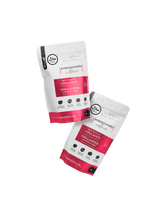
A larger bundle can make sense for couples or families who already know they enjoy the product. A single pouch or sachet option may be smarter if you are trying collagen for the first time or need a portable format. The goal is not to buy the biggest package. It is to choose an option you will use before it expires.
Trust also has value. A Muslim-owned wellness brand that prioritizes halal certification, ingredient transparency, clean formulation, and customer support addresses questions that mainstream collagen brands often leave unanswered. When your faith and wellness goals are both part of the purchase, that clarity is worth considering.
Realistic Expectations for Hair and Skin Support
Collagen can be a useful addition to a broader personal-care routine, but it should not be sold as magic. Your hair and skin are influenced by protein intake, stress, sleep, hydration, hormones, genetics, skincare habits, and overall nutrition. Results will vary from person to person.
Think of collagen as a simple daily source of protein that can support your wellness routine from within. Take it regularly, eat enough nourishing foods, and avoid judging the product after only a few servings. If you notice sudden hair loss, skin changes, or other health concerns, consult a health professional rather than relying on supplements alone.
The right collagen does not need to be complicated. Choose a certified halal option with a clean label, a source you recognize, and a format that suits your days. Then place it where your routine already happens - beside the kettle, near the coffee, or in the bag you carry every morning - and let consistency do the hard work.