Cart
0
That first whiff can catch you off guard. If you have opened a new tub and wondered why collagen smells weird, you are not alone. Unflavored bovine collagen is not meant to smell like candy, vanilla, or a fruit drink. It is a minimally flavored animal-derived protein, so a light savory, brothy, milky, or slightly gelatin-like aroma can be completely normal.
The bigger question is whether the smell reflects clean, high-quality collagen or a product that should not be used. Knowing the difference helps you choose a supplement with confidence, especially when halal sourcing, ingredient purity, and daily usability matter as much as results for hair, skin, and wellness.
Why Collagen Smells Weird in the First Place
Collagen peptides come from collagen-rich animal tissues that are processed into a fine, dissolvable powder. Even after purification and hydrolysis, the protein can retain a natural aroma. With bovine collagen, that scent may remind some people of plain gelatin, warm broth, or powdered milk. Sensitivity to smell varies widely, so what seems barely noticeable to one person may seem strong to another.
Unflavored collagen often smells more noticeable because there are no sweeteners, artificial flavors, gums, or masking agents covering it up. That can be a positive sign for people looking for a clean-label routine without sugar, dairy, gluten, or unnecessary fillers. It is a trade-off: a simpler ingredient list can mean a more honest protein scent.
Heat can also make the aroma more obvious. When collagen is stirred into coffee, tea, oatmeal, or warm water, the warmth releases volatile compounds that your nose may pick up before you taste anything. The same powder may seem far milder in a cold smoothie.
The source and processing matter
Not all collagen powders have the same smell because not all are sourced and processed the same way. Factors that influence aroma include the animal source, the quality of raw materials, how thoroughly the collagen is purified, and how it is dried and packaged.
A premium bovine collagen peptide powder should have a clean, mild protein aroma rather than an overpowering odor. Grass-fed sourcing and transparent quality standards can matter here, but they do not mean the powder will have no scent at all. “Odorless” is often more of a marketing expectation than a realistic promise for an unflavored animal protein.
For halal-conscious shoppers, source verification adds another essential layer. A halal-certified collagen product provides reassurance that the sourcing and manufacturing standards align with your dietary requirements, not simply that the label looks clean.
What a Normal Collagen Smell Is Like
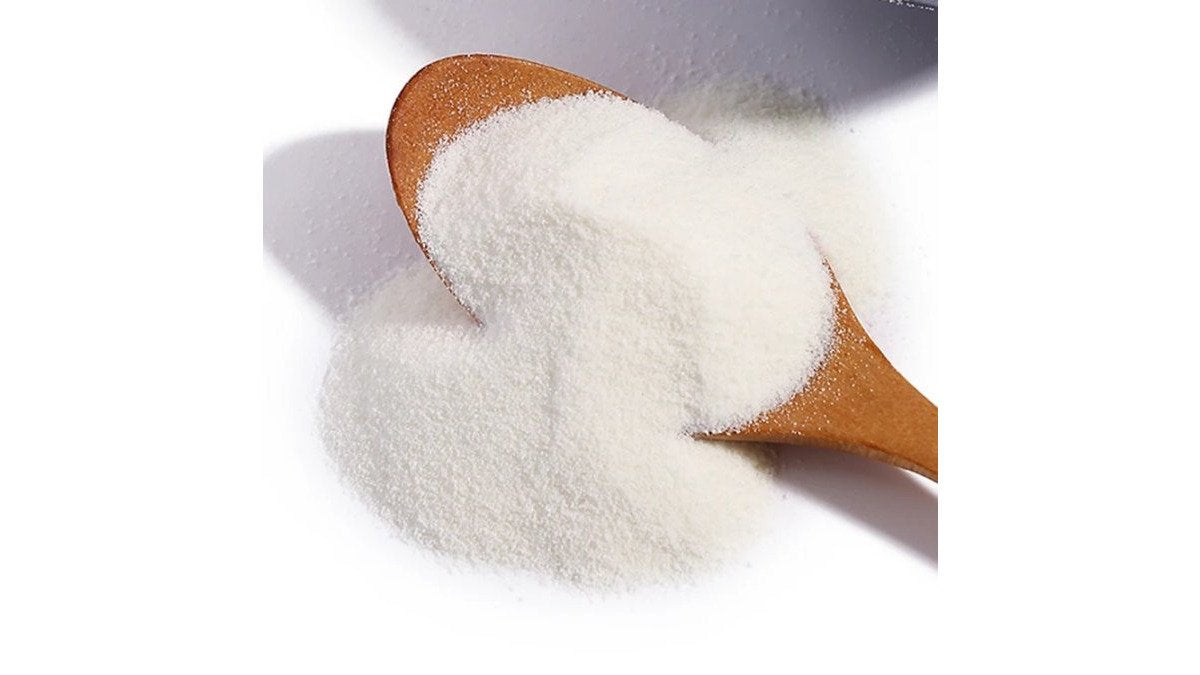
A normal collagen smell is usually light and fades quickly once the powder is mixed. You may notice a neutral protein smell, a mild beef-gelatin note, or a slightly earthy aroma when you open the pouch or scoop from the container.
The powder itself should generally look dry and uniform. Small clumps can happen if collagen has been exposed to humidity, but the product should still mix smoothly with enough stirring or shaking. Collagen peptides are designed to dissolve, though very cold drinks may need a little more mixing time.
Taste is often less intense than smell. Many people find that unflavored collagen disappears easily into coffee, chai, soups, smoothies, yogurt, or oatmeal when combined with foods that already have flavor. If you are new to collagen, start with a smaller amount and use it in something you already enjoy drinking every day.
When the Smell May Be a Quality Concern
There is a difference between a natural protein aroma and a smell that signals a problem. Do not use collagen powder if it smells distinctly rancid, sour, rotten, moldy, sharply chemical, or unusually fishy for a bovine product. Those are not scents you should try to mask with a smoothie.
Look at the full picture. A concerning odor paired with moisture, major hard clumps, discoloration, a damaged seal, or an expired best-by date is a strong reason to stop using the product. If the package arrived open, swollen, or compromised, contact the retailer or manufacturer rather than taking a chance.
Proper storage protects quality. Keep collagen tightly sealed in a cool, dry cabinet away from direct sunlight, steam, and humidity. Avoid leaving the scoop wet or storing the pouch beside the stove. In many homes, the bathroom and refrigerator are poor storage choices because moisture can find its way into the container.
A quick freshness check
Before you make collagen part of your routine, check the seal, lot information, and expiration date. Open it and take a quick smell. The aroma should be mild, clean, and consistent with a plain bovine protein powder. Then mix a small serving in water or your usual drink and assess both smell and taste.
If something seems truly off, trust that instinct. Quality supplements should give you reassurance, not make you feel like you have to convince yourself they are safe to use.
How to Make Unflavored Collagen Easier to Enjoy
If the smell is normal but still bothers you, preparation makes a real difference. Cold, flavored drinks tend to disguise collagen’s aroma best. A berry smoothie, iced coffee, chocolate protein shake, or citrus drink can make a plain collagen serving feel like a natural part of your existing routine.
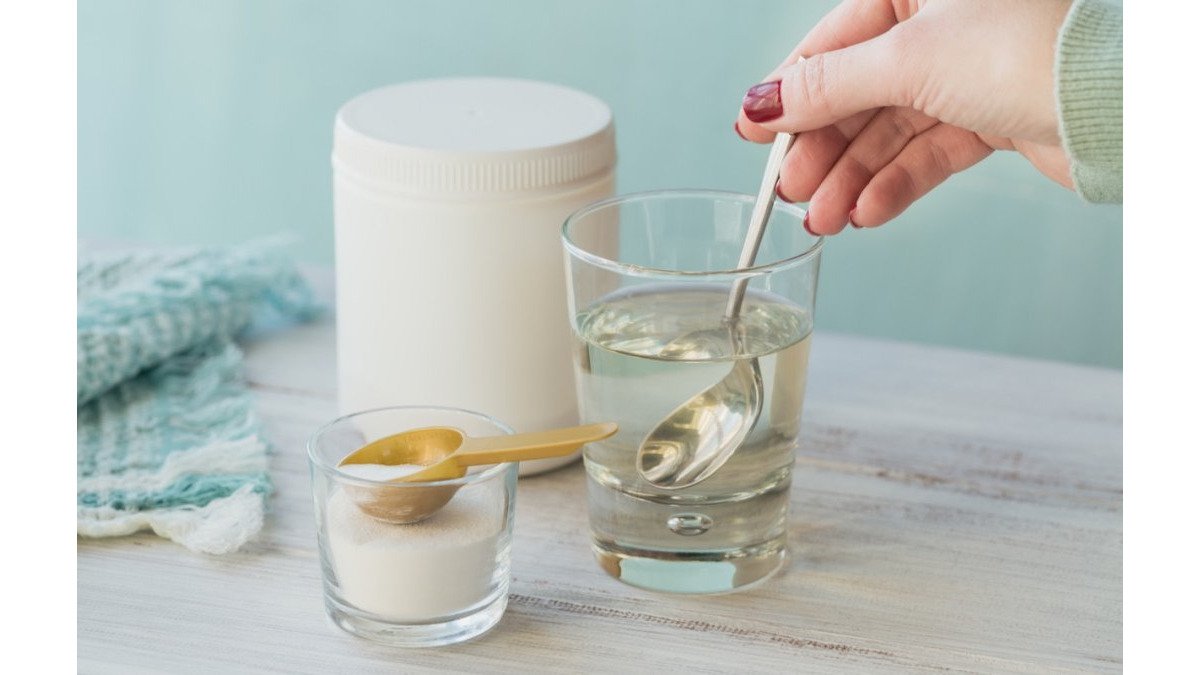
For hot drinks, add collagen after your coffee or tea has cooled slightly, then whisk or froth it thoroughly. This can help the powder disperse and reduce the concentrated scent that sometimes rises from a hot mug. In soups, sauces, oatmeal, and baked recipes, the natural flavor is usually much less noticeable.
You do not need to force yourself to drink collagen in plain water if that is not enjoyable. Consistency matters more than choosing the least flavorful option. A supplement that fits your breakfast, post-workout smoothie, or afternoon coffee is more likely to become a habit.
Try these practical approaches if you are sensitive to smell:
- Blend collagen into a smoothie with fruit, yogurt, or a flavored milk alternative.
- Stir it into coffee with milk, creamer, cinnamon, or cocoa powder.
- Add it to oatmeal, pancake batter, soups, or stews.
- Use single-serve sachets when traveling so your routine stays convenient and the product stays protected from repeated exposure to air and moisture.
Does a Stronger Smell Mean Better Collagen?
No. A stronger smell does not prove that collagen is more potent, more natural, or better for hair and skin. Likewise, an almost undetectable smell does not automatically prove superior quality. The goal is a product with responsible sourcing, appropriate testing, clear ingredient information, and a clean sensory profile that you can comfortably use every day.
Be cautious with products that rely on heavy flavoring to hide the formula. A pleasant taste may be useful, but it can also bring added sugar, sweeteners, artificial flavors, or ingredients you did not want in your wellness routine. For many shoppers, unflavored halal bovine collagen offers a practical middle ground: straightforward ingredients with the flexibility to add it to drinks and foods they already love.
Sustainable Lifestyle focuses on halal-certified, grass-fed bovine collagen without fillers, sugar, dairy, or gluten because clean supplementation should not require compromising your values or guessing what is in your scoop.
Choosing Collagen With Confidence
A weird smell is often just the reality of a plain, animal-based protein powder. The key is to distinguish a mild natural aroma from signs of poor storage, damaged packaging, or a product past its best.
Choose collagen that clearly identifies its source, avoids unnecessary additives, and provides the dietary reassurance you need. Then mix it in a way that works for your real life. Your collagen routine should feel simple, trustworthy, and easy to keep - whether it lives in your kitchen cabinet, gym bag, or travel pouch.