Cart
0
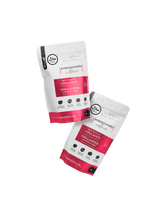
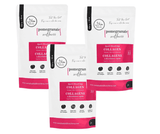
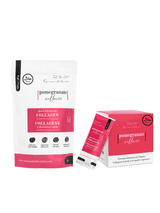
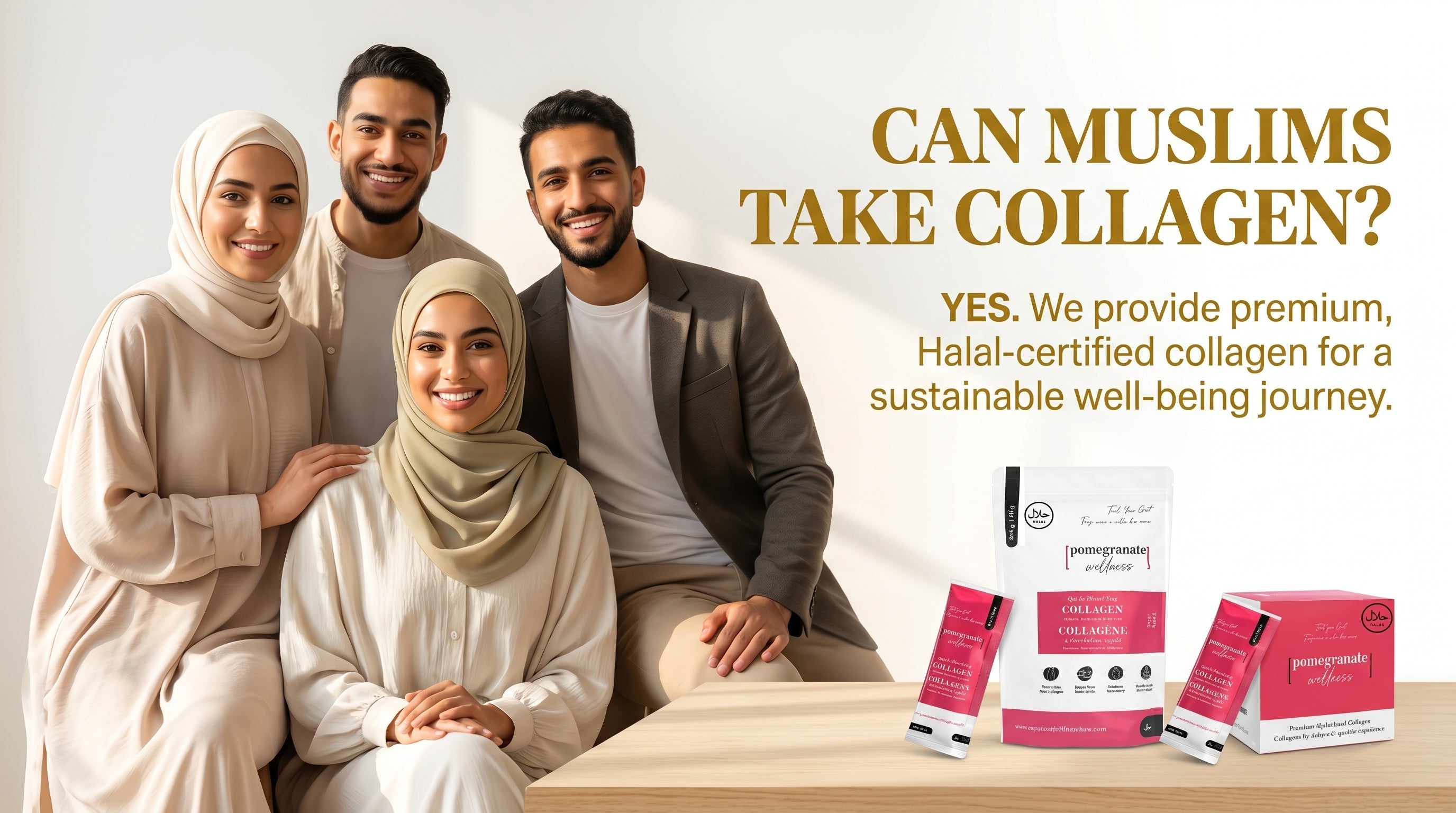
If you have ever stood in the supplement aisle wondering, can Muslims take collagen, the real issue is not collagen itself - it is where that collagen comes from, how it was processed, and whether there is clear halal assurance behind it. That is the part many mainstream brands leave vague, and for Muslim consumers, vague is not good enough.
Collagen has become a daily staple for people focused on hair, skin, nails, joints, and overall nutritional support. But unlike a basic vitamin, collagen is animal-derived. That changes the conversation completely. For Muslims, the question is not whether collagen is trendy or effective. The question is whether it is halal with certainty.
Can Muslims Take Collagen?
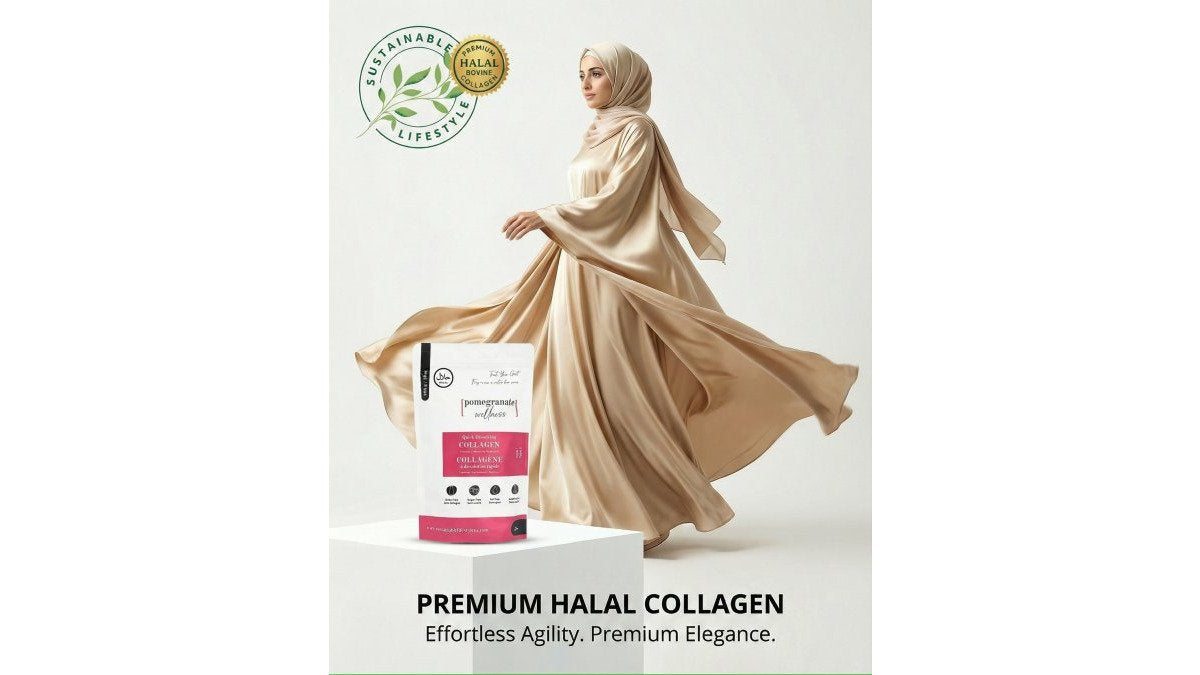
Yes, Muslims can take collagen if it comes from a halal source and is processed in a halal-compliant way. That usually means halal-certified bovine collagen from properly sourced cattle. It does not automatically include every collagen product on the market, because many are made from pork, non-certified bovine sources, or ingredients with unclear processing standards.
This is why the label matters, but the source matters even more. A tub that says bovine collagen is not necessarily enough. If the cattle were not halal slaughtered, or if the product was handled in a facility with cross-contamination risks and no halal controls, many Muslim consumers will not feel comfortable using it.
That is where halal certification becomes more than a marketing detail. It gives buyers a clear standard instead of forcing them to guess.
Why Collagen Can Be a Halal Concern
Collagen is a protein found in connective tissues, usually sourced from bovine, marine, chicken, or porcine materials. From a wellness perspective, people buy it for beauty support and everyday nutrition. From an Islamic dietary perspective, not all sources are equal.
Porcine collagen is the clearest issue. If a collagen product is made from pork, it is not halal. That rules out a large portion of low-cost collagen on the market.
Bovine collagen can be halal, but only if the source and slaughter process meet halal standards. This is where many products become a gray area. Brands may say grass-fed, pasture-raised, or hormone-free, but those claims do not answer the halal question. Clean farming standards are not the same as halal compliance.
Marine collagen is sometimes assumed to be automatically simpler, but even there, buyers should still check the full ingredient panel, flavorings, capsules, and manufacturing disclosures. A collagen product is never just about the collagen type. The full formula matters.
What Muslims Should Check Before Buying Collagen
The fastest way to answer can Muslims take collagen is to look past the front label and check four things.
First, confirm the animal source. If it is porcine, that is an easy no. If it is bovine, move to the next question.
Second, look for halal certification, not just a vague halal-friendly claim. Certification matters because it verifies sourcing, production, and handling standards. A lot of brands use language that sounds reassuring without actually proving anything.
Third, read the full ingredient list. Unflavored collagen is often the simplest option because it tends to avoid unnecessary additives. Flavored powders, gummies, and ready-to-drink products may contain sweeteners, natural flavors, gelatin capsules, or other ingredients that deserve a closer look.
Fourth, check whether the brand is transparent. A trustworthy collagen brand should be able to say what animal the collagen comes from, whether it is certified halal, and whether the formula is free from fillers and unnecessary extras.
When a brand makes you work hard to get a straight answer, that is usually your answer.
Is Halal-Certified Bovine Collagen a Good Option?
For many Muslims, yes. Halal-certified bovine collagen is one of the most practical options because it aligns with religious requirements while also fitting everyday wellness goals. It is especially appealing for people who want a simple routine that supports hair strength, skin elasticity, and daily protein intake without adding sugar, dairy, or complicated ingredients.
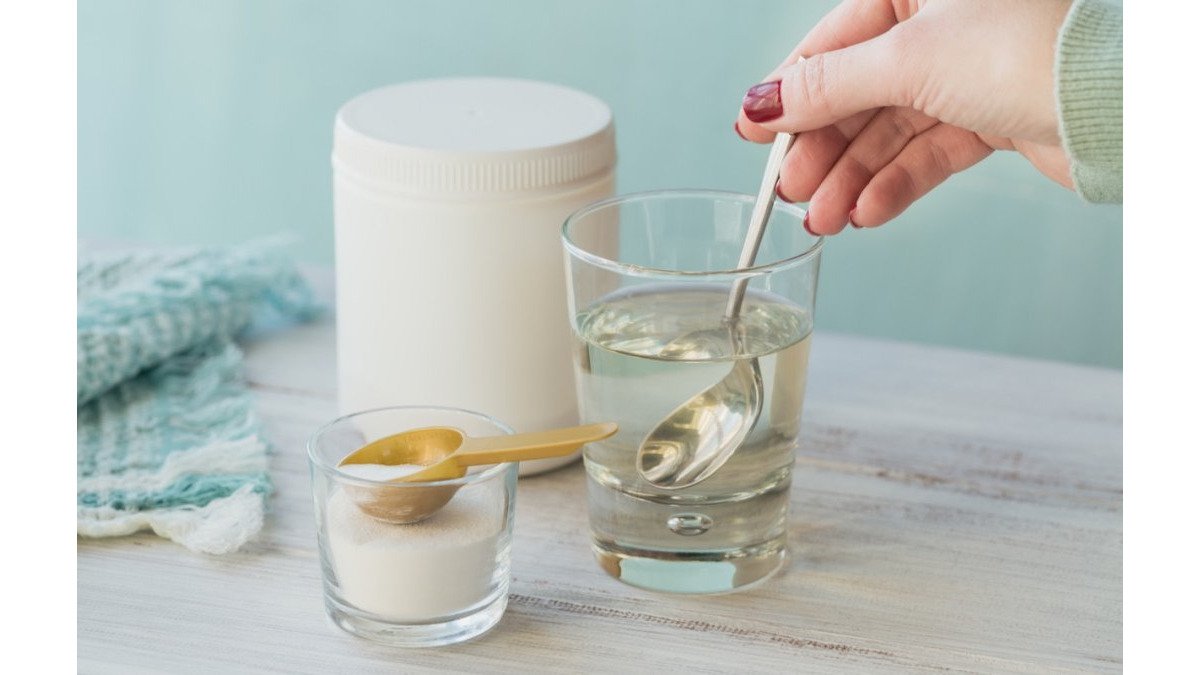
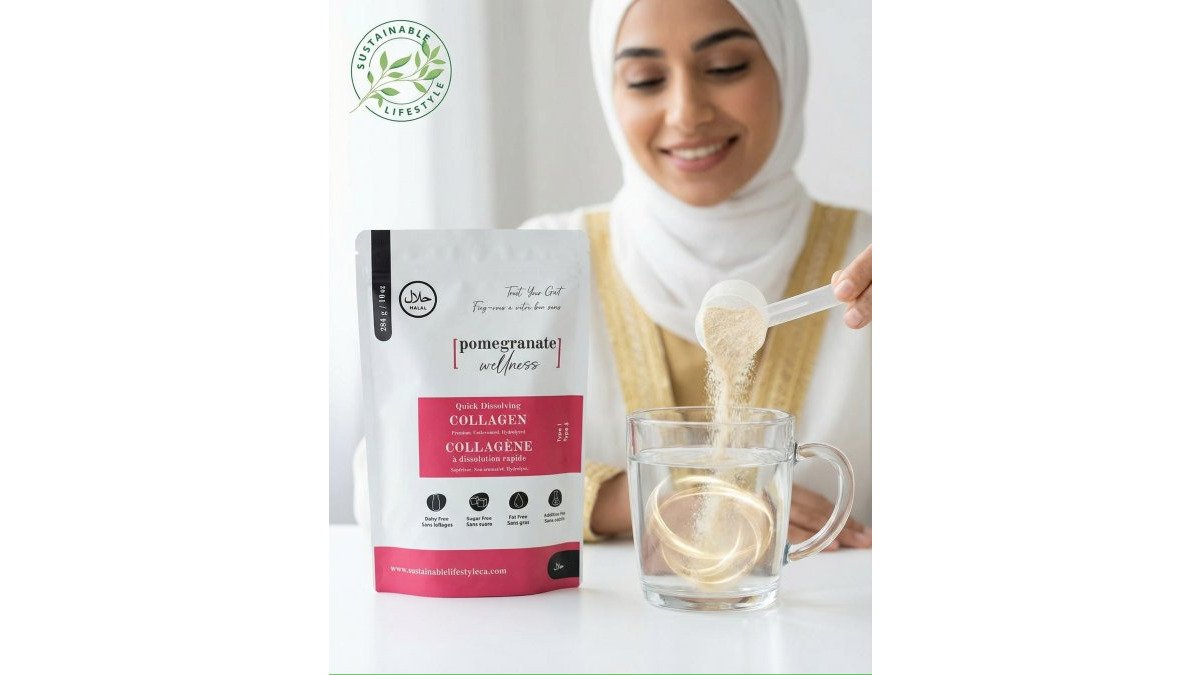
The other advantage is flexibility. A clean, unflavored bovine collagen powder can mix into coffee, tea, smoothies, or plain water. That makes it easier to stay consistent, and consistency is what matters with most supplements.
There is also a trust benefit. When the source is grass-fed, the formula is clean-label, and the product is halal-certified, Muslim consumers do not have to choose between their health goals and their values. That peace of mind is a real benefit, not a small one.
What About Hair Growth and Skin Support?
A lot of Muslim buyers asking can Muslims take collagen are really asking something more practical: if I find a halal collagen, is it actually worth adding to my routine?
That depends on your goals and expectations. Collagen is not magic, and no honest brand should present it that way. But it is a popular option for people who want beauty-from-within support, especially for hair, skin, and nails. It can also fit well into a daily routine for joint support and general protein intake.
For women especially, collagen often becomes part of a simple self-care habit because it is easy to use and easy to pair with existing routines. A scoop in the morning drink or a travel sachet during the day feels manageable. That matters more than having an impressive supplement cabinet you never touch.
The key is choosing a product you can use with confidence every day. If there is doubt about halal status, consistency usually disappears.
Can Muslims Take Collagen Peptides?
Muslims can take collagen peptides if those peptides come from a halal source and carry halal assurance. The word peptides only refers to collagen that has been broken down into smaller, easier-to-mix proteins. It does not tell you whether the source is halal.
This is where some buyers get misled. They see words like hydrolyzed collagen or collagen peptides and assume they are looking at a technical quality standard. In one sense, they are. But those words say nothing about whether the original animal source was permissible.
So the same rule applies. Check the source, check the certification, and check the formula.
Why Mainstream Collagen Brands Often Fall Short
The collagen market is crowded, but not every brand is built for Muslim consumers. Many popular products focus on trendy packaging, beauty claims, or influencer marketing while staying frustratingly unclear on halal status.
That creates a real gap. Muslim buyers should not have to email customer support, wait days for an answer, and still end up with vague wording about bovine origin. If a brand knows halal matters, it should make that information obvious from the start.
This is exactly why halal-focused wellness brands stand out. They remove uncertainty. They understand that for Muslim households, certification is not an extra feature. It is the starting point.
A clean formula also matters here. Products without fillers, added sugar, gluten, dairy, or unnecessary additives are easier to evaluate and easier to fit into a disciplined wellness routine.
A Simple Standard for Choosing the Right Collagen
If you want a practical rule, use this one: do not buy collagen based on benefits alone. Buy based on source, certification, and simplicity first.
A product can promise glowing skin and stronger hair, but if its halal status is unclear, it fails the first test. On the other hand, when a collagen product is halal-certified, bovine-sourced, clean-label, and easy to use daily, it checks both the faith and lifestyle boxes.
That is why many Muslim consumers now prefer collagen powders and sachets that are explicitly halal-certified and free from fillers. They are easier to trust, easier to use, and easier to keep in a long-term routine.
For shoppers comparing options, a Muslim-owned brand like Sustainable Lifestyle can feel especially reassuring because the product is built with halal needs in mind from the beginning, not added as an afterthought.
The Real Answer to Can Muslims Take Collagen
Yes - Muslims can take collagen, but only when the product is clearly halal and responsibly sourced. That means no guessing, no vague claims, and no settling for labels that do not answer the real question.
When your supplement routine supports your hair, skin, and daily wellness while also respecting your faith, it becomes much easier to stay consistent. The best collagen is not just effective. It is one you can take with full confidence, every single day.