Cart
0
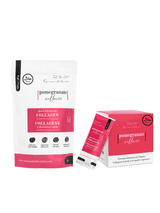
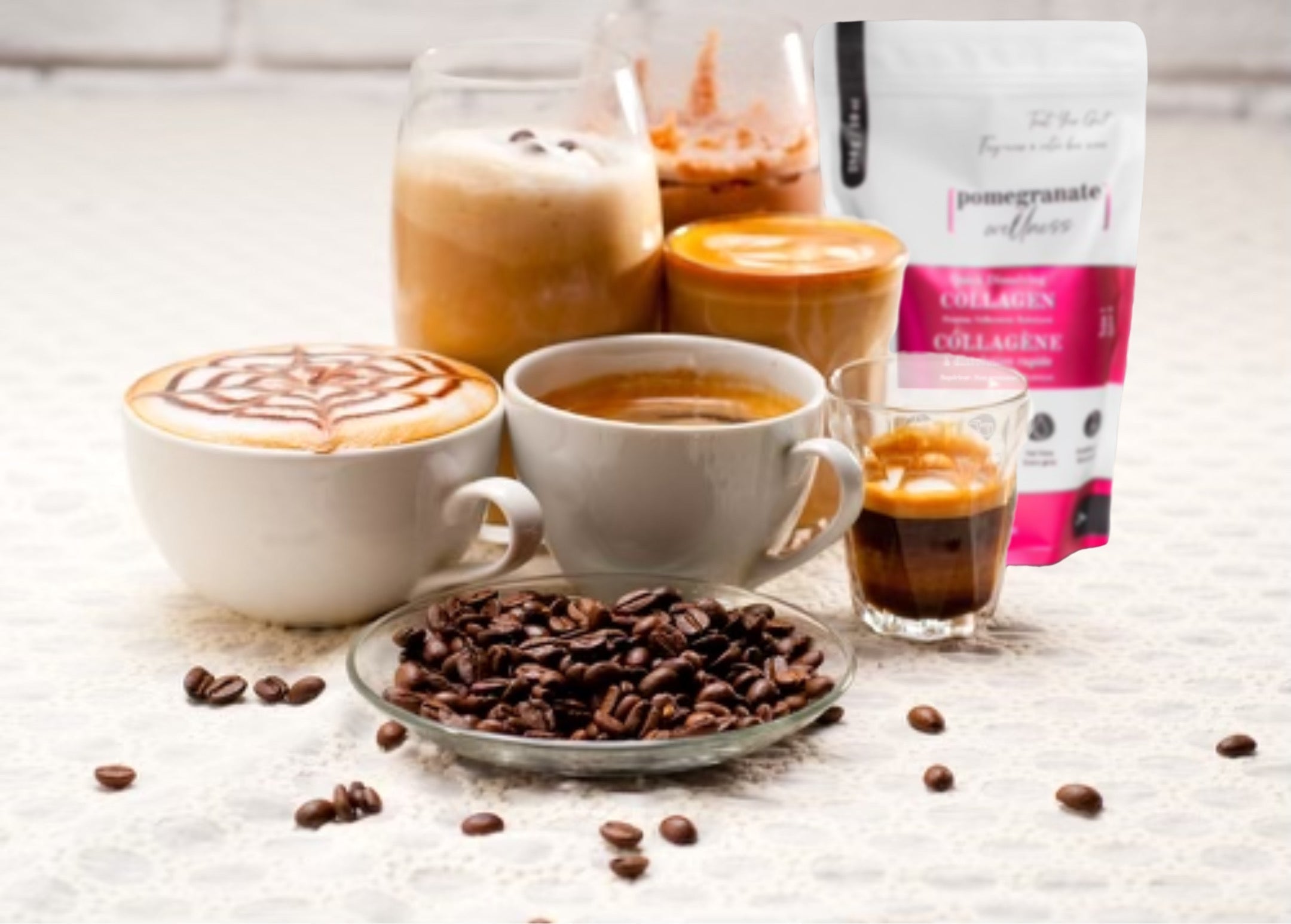
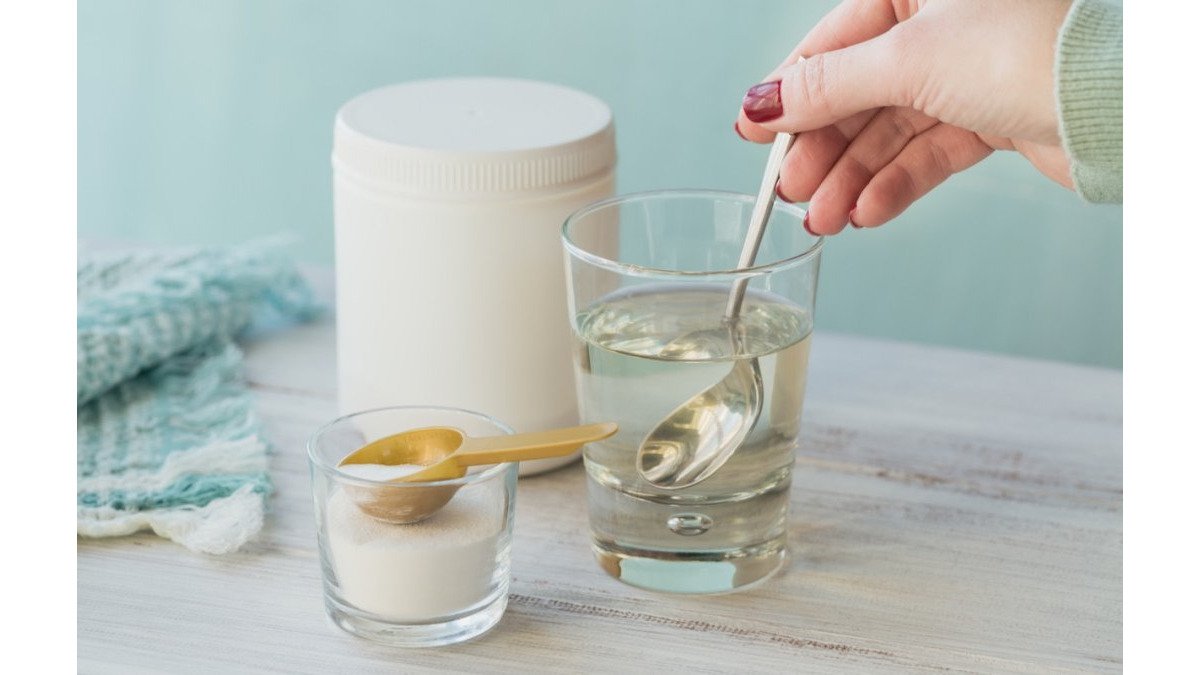
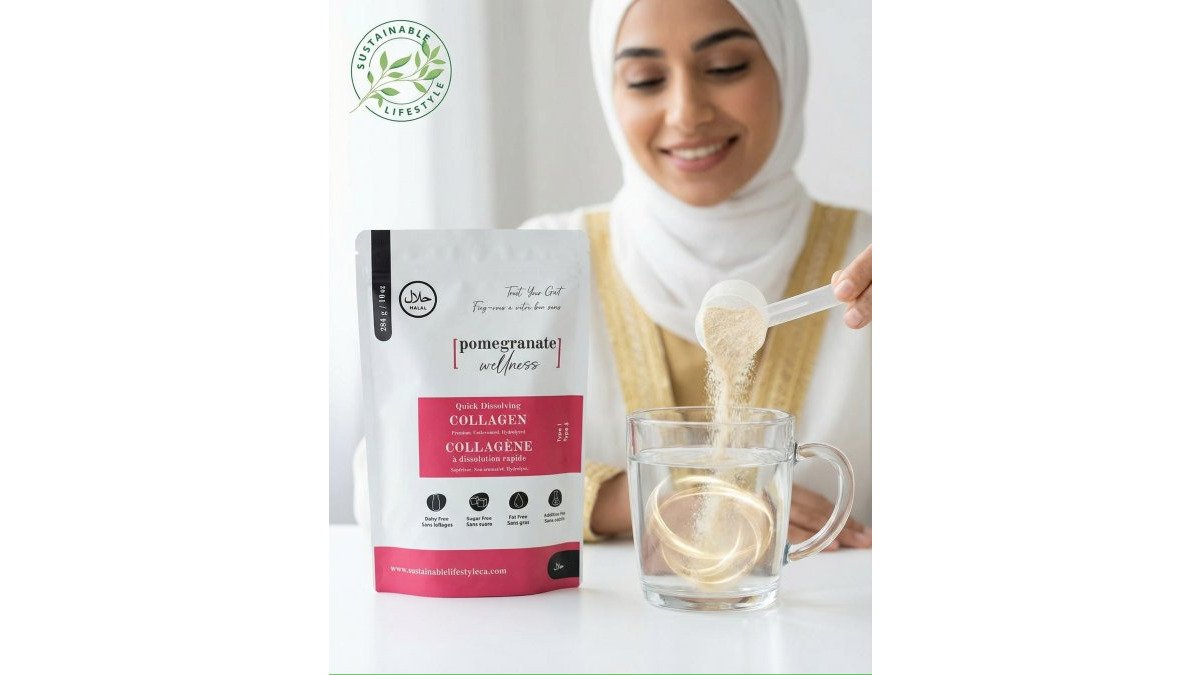
One of the easiest ways to include collagen in your routine is by adding it to the drinks you already enjoy. Whether you prefer coffee in the morning or a cold smoothie later in the day, collagen blends seamlessly into both hot and cold beverages without altering taste or texture.
Why Collagen Works Well in Drinks
Collagen peptides are hydrolysed, meaning they dissolve easily and are gentle on digestion. This makes them ideal for everyday beverages.
When added to drinks, collagen:
-
Blends smoothly without clumping
-
Has a neutral, unflavoured taste
-
Is heat-stable and versatile
-
Fits naturally into daily routines
Adding Collagen to Hot Beverages
Collagen peptides remain stable in warm liquids, making them suitable for:
Hot Drink Ideas
-
Coffee
-
Tea (black, green, herbal)
-
Hot chocolate
-
Lattes
-
Broths or soups
How to Use:
Stir collagen into your drink once it’s prepared and warm. Whisking or using a milk frother can help ensure smooth mixing.
Adding Collagen to Cold Beverages
Collagen also dissolves well in cold liquids with a bit of mixing.
Cold Drink Ideas
-
Smoothies
-
Protein shakes
-
Iced coffee or iced tea
-
Cold water or flavoured water
How to Use:
Blend or shake collagen into cold drinks for best results. For water or iced beverages, a shaker bottle works well.
When to Add Collagen
Collagen can be taken:
-
In the morning or evening
-
With or without food
-
Daily, as part of a consistent routine
There’s no strict timing requirement — consistency matters most.
Clean, Halal & Lifestyle-Friendly
Premium halal collagen products are often:
-
Sugar-free and carbohydrate-free
-
Gluten-free and dairy-free
-
Suitable for low-glycaemic and keto lifestyles
Halal certification ensures ethical sourcing and clean processing standards.
Final Thoughts
Adding collagen to hot or cold beverages is a simple, flexible way to support your daily protein intake without changing your routine. With its neutral taste and easy mixing, collagen fits effortlessly into both busy mornings and relaxed evenings.
This content is for educational purposes only. Food supplements are not intended to diagnose, treat, cure, or prevent disease.