Cart
0

Table of Contents
- What Makes a Collagen Supplement High Quality
- How to Choose Collagen Powder That Meets Your Needs
- Understanding Collagen Supplement Side Effects
- Reading Labels for Potency and Purity Standards
- Halal Certification and Ethical Sourcing Matter
- Frequently Asked Questions
Last Updated: September 14, 2026
What Makes a Collagen Supplement High Quality
High quality collagen supplements are distinguished by transparency, testing, and sourcing standards that most consumers overlook.
Grass-fed bovine collagen contains a cleaner amino acid profile than grain-fed alternatives. Hydrolyzed collagen, where peptide chains are broken into smaller molecules, has superior bioavailability, meaning your body absorbs and uses more of it.
Third-party testing verifies label claims and tests for heavy metals, microbial contamination, and potency. Our unflavoured, grass-fed collagen undergoes rigorous testing to ensure purity and potency.

Pro Tip
The most overlooked quality marker is the amino acid profile. Check if the product lists glycine, proline, and hydroxyproline content. These three amino acids make up over 50% of collagen's structure and drive most of its health benefits. Products that hide this information may be cutting corners on quality.
How to Choose Collagen Powder That Meets Your Needs
Choosing the right collagen powder requires matching your health goals to the product's documented benefits.
Source and Ingredient Transparency
Grass-fed bovine collagen from open-pasture cattle has a cleaner amino acid profile and fewer unwanted compounds than grain-fed alternatives. Look for explicit sourcing statements; vague language like "premium quality" tells you nothing.
An unflavoured collagen powder that dissolves instantly into hot or cold beverages without altering taste indicates the manufacturer isn't masking poor quality with flavourings. The best high quality collagen supplements contain only hydrolyzed collagen peptides and nothing else.
If the ingredient list exceeds five items, the manufacturer is adding unnecessary components. Pure, grass-fed bovine collagen with no fillers, colours, or preservatives is the gold standard.
Third-Party Testing and Certification
Third-party testing verifies potency, purity, and safety by testing for heavy metals, microbial contamination, and confirming collagen peptide content matches the label.
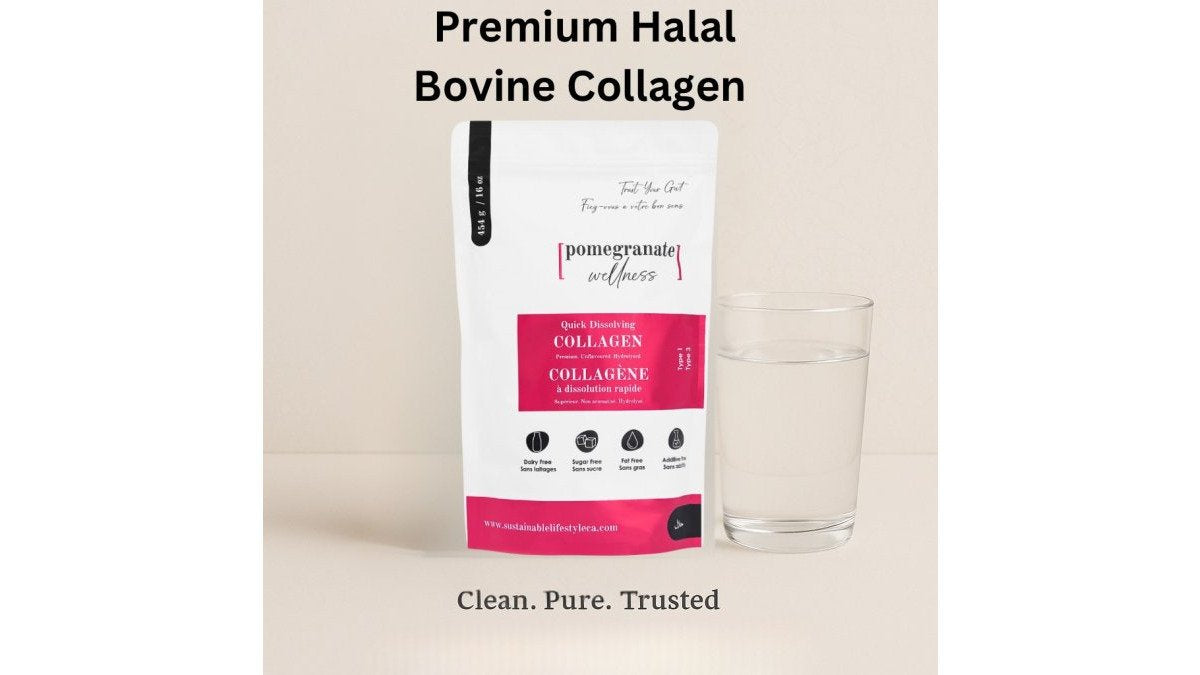
Halal-certified collagen confirms the product meets Islamic dietary laws regarding animal sourcing and processing through rigorous audits and supply chain verification.
Look for a Certificate of Analysis (CoA) on the brand's website. This document shows the exact test results from an independent lab. If a company refuses to share testing results, that's a red flag. Transparency builds trust, and reputable manufacturers have nothing to hide.
Watch Out
Many brands claim "third-party tested" without providing actual lab reports. Demand to see the Certificate of Analysis. A product without public testing data is a risk; you cannot verify what you're actually consuming.
Amino Acid Profile and Bioavailability
Collagen's amino acid profile, particularly glycine, proline, and hydroxyproline, determines how effectively your body rebuilds connective tissue, skin, and joints.
Hydrolyzed collagen peptides have superior bioavailability because the process breaks peptide chains into smaller, more absorbable molecules. Products listing specific amino acid percentages demonstrate formula confidence.
Look for products that specify peptide weight (typically 2,000-5,000 Daltons); the right range depends on your health goals.
Ingredient Synergy: The Overlooked Quality Marker
Premium collagen supplements include co-factors that support collagen synthesis, recognizing that your body requires additional nutrients to build and utilize collagen effectively.
Vitamin C is critical for collagen synthesis; your body cannot build collagen without it. A high-quality supplement either contains Vitamin C or clearly states it should be taken with a Vitamin C source. If a product claims skin, joint, or tissue benefits but lacks Vitamin C and doesn't mention this requirement, the manufacturer is overselling.
Copper, zinc, and silica support collagen cross-linking and stability. A premium product either includes these or provides clear guidance on what additional nutrients to consume alongside collagen.
Dosage Validation: Clinical vs. Marketing Claims
Quality markers include clinically validated dosages. Not all collagen supplements are dosed at research-supported levels.
Clinical studies use doses ranging from 2.5-10 grams daily depending on the health outcome. A high-quality supplement matches these ranges or provides transparent rationale for deviating.
Products claiming premium benefits but offering only 1-2 grams per serving rely on marketing rather than dosage science. A product offering 10 grams with clear rationale demonstrates formula confidence.
Check the label for serving size and daily recommendation. A quality supplement clearly states how many servings reach the clinically supported dose.
Pro Tip
When comparing collagen supplements, calculate the total daily cost and convenience of reaching a clinically validated dose. A product offering 10 grams per serving at one serving daily is more transparent and convenient than one offering 2.5 grams per serving that requires four daily servings to reach the same dose.
Understanding Collagen Supplement Side Effects
Most people tolerate collagen supplements well. Understanding potential side effects and contraindications helps identify whether collagen suits your health profile.
Common Digestive Effects
Some users report digestive discomfort (bloating, gas, mild upset) when starting, which typically resolves within days as your digestive system adjusts to the concentrated protein source.
Start with 2.5-5 grams daily and gradually increase over one to two weeks. If you have a sensitive stomach, take collagen with food to slow digestion.
If bloating or gas persists beyond one week, it may indicate that your digestive system is not tolerating the collagen well, and you should discontinue use and consult a healthcare provider.
Allergic Reactions and Sensitivities
Allergic reactions are rare but possible for those with beef or bovine sensitivities. Symptoms include itching, swelling, hives, or difficulty breathing. Discontinue use and consult a healthcare provider if these occur.
If you have a beef allergy or bovine sensitivity, bovine collagen is not appropriate. Seek medical clearance before starting any collagen supplement.
Unflavoured collagen powder with no added sweeteners, flavourings, or additives reduces reaction risk. Products with sugar alcohols or artificial sweeteners may trigger digestive upset in sensitive individuals.
Joint and Muscle Symptoms During Initial Use
Some users report mild joint aches, muscle soreness, or stiffness during the first one to two weeks, sometimes called a "healing response." The proposed mechanism is increased amino acid availability triggering localized repair.
This effect is not universally experienced or well-documented clinically. If discomfort occurs, it typically resolves within a week. Staying hydrated supports nutrient transport and waste clearance.
If joint pain worsens or persists beyond two weeks, discontinue use and consult a healthcare provider to rule out other causes.
Headaches and Other Systemic Effects
Some users report mild headaches during the first few days, possibly from increased protein intake or temporary vascular changes. Adequate hydration often resolves them.
Contraindications and Special Populations
Certain populations should exercise caution or avoid collagen supplementation without medical guidance:
Individuals with kidney disease: Excessive protein can stress compromised kidneys. Consult your healthcare provider before starting collagen.
Individuals taking blood thinners: Collagen may have mild anticoagulant properties. Discuss supplementation with your doctor if you take warfarin, dabigatran, or other anticoagulants.
Individuals with autoimmune conditions: Some report symptom flares after starting collagen. If you have an autoimmune condition, start with a low dose and monitor closely.
Pregnant and breastfeeding individuals: Safety data on supplemental collagen during pregnancy and lactation is limited. Consult your healthcare provider.
Quality and Purity as Safety Factors
Collagen sourced from grass-fed cattle and verified through third-party testing for heavy metals, microbial contamination, and potency is significantly safer than untested products.
Contaminants like lead, cadmium, or bacterial pathogens cause serious health effects. Third-party testing and a published Certificate of Analysis are non-negotiable for safety. Halal-certified collagen undergoes additional supply chain audits, reducing contamination risk.
Key Takeaway
Most side effects from collagen supplements are mild, temporary, and manageable through gradual dosing and proper hydration. Serious adverse reactions are uncommon, making collagen one of the safest supplement categories available. However, individuals with kidney disease, those taking blood thinners, or those with autoimmune conditions should consult a healthcare provider before starting supplementation. Choosing a third-party tested, Halal-certified product further minimizes safety risks.
Reading Labels for Potency and Purity Standards
Understanding how to read a collagen supplement label separates informed buyers from those who rely on marketing alone. The label tells you everything about what you're actually purchasing.
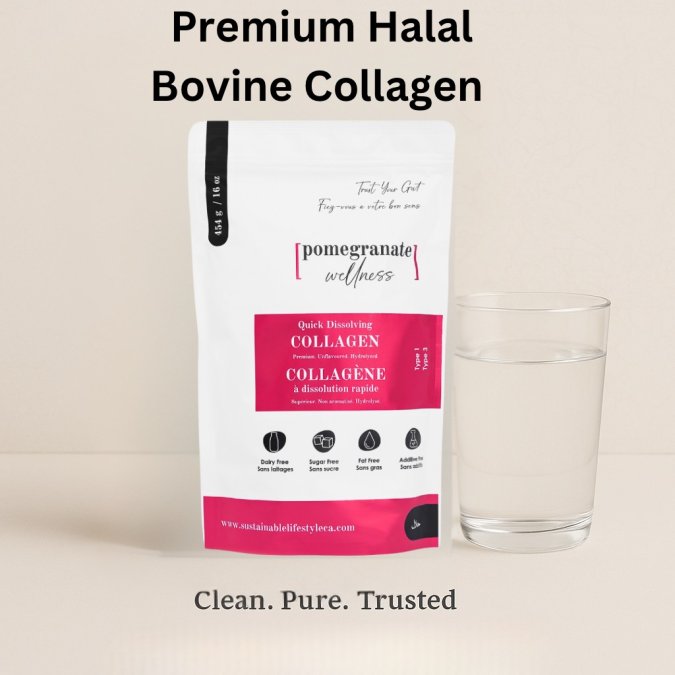
The Supplement Facts panel lists serving size and collagen peptides per serving. Quality supplements contain at least 10 grams per serving; less is underdosed.
High quality collagen supplements list collagen peptides as the first and often only ingredient. Unflavoured powder should have minimal ingredients; long additive lists indicate dilution.
The label should specify amino acid profile or mention glycine, proline, and hydroxyproline. Percentages for these amino acids indicate structural integrity.
The label should indicate whether the collagen is hydrolyzed, signaling peptide chains are broken down for better absorption. Non-hydrolyzed collagen has poor bioavailability.
Halal Certification and Ethical Sourcing Matter
Halal certification ensures the collagen supplement aligns with Islamic dietary principles through strict standards on animal treatment, slaughter, and processing. It represents comprehensive supply chain audits.
Grass-fed cattle raised on open pasture represent a more humane and sustainable approach than feedlot operations. Supporting such brands means your choice reflects your values.
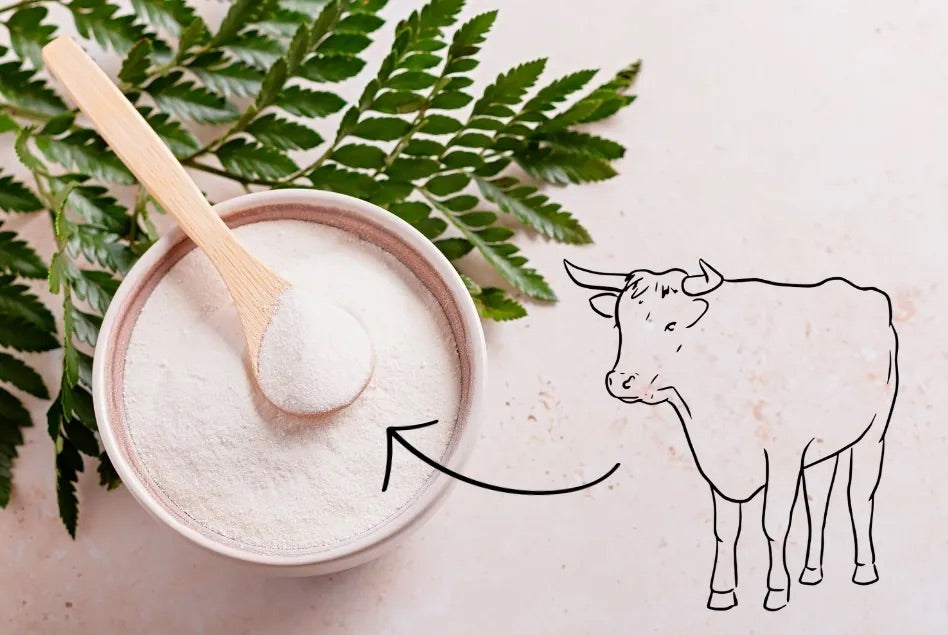
Our Halal-certified bovine collagen comes from grass-fed cattle, combining faith compliance with ethical sourcing and supply chain transparency.
Look for specific sourcing details. Vague claims mean nothing without documentation. Reputable brands provide supply chain information, rancher relationships, and testing protocols.
Identifying high quality collagen supplements requires attention to sourcing, testing, and label literacy.
Frequently Asked Questions
What should I look for when buying collagen supplements?
Look for third-party testing certification, a transparent amino acid profile showing glycine, proline, and hydroxyproline, and clear sourcing information. High quality collagen supplements list grass-fed bovine or wild-caught marine sources, include a certificate of analysis, and avoid unnecessary fillers. Halal-certified options ensure ethical sourcing standards are met. Check that the supplement specifies protein content and bioavailability claims supported by testing.
How can I tell if a collagen supplement is high quality?
High quality collagen supplements display third-party testing results, specify the type of collagen (Type I, II, or III), and provide an amino acid breakdown. The label should clearly state the source (grass-fed bovine or wild-caught), protein content per serving, and whether it has been hydrolyzed for better absorption. Reputable brands offer a certificate of analysis and are transparent about manufacturing practices and purity standards.
What are the common side effects of collagen supplements?
Most people tolerate collagen well, but some experience mild digestive discomfort, bloating, or a feeling of fullness when starting. These collagen supplement side effects typically fade as your body adjusts. Allergic reactions are rare but possible, especially with marine collagen. Starting with a smaller dose and taking collagen with food can minimize digestive issues. If you have sensitive digestion, choose unflavoured formulas without additives to reduce potential irritation.
Why is Halal certification important for collagen supplements?
Halal certification ensures the collagen meets Islamic dietary laws, confirming the source animal was raised and processed according to faith-based standards. For Muslim consumers, Halal-certified collagen provides assurance of ethical sourcing, proper slaughter practices, and freedom from prohibited substances. This certification also reflects higher overall quality standards, as Halal-certified products undergo rigorous inspection and documentation throughout production.