Cart
0
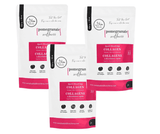
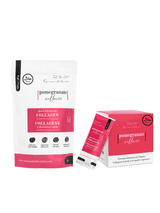
You notice it the second you stir it in. That overly sweet aftertaste. The strange vanilla smell. The label packed with ingredients you were not looking for in the first place. If you want collagen without artificial sweeteners, you are probably not asking for anything extreme. You just want a clean supplement that supports hair, skin, and daily wellness without unnecessary extras.
That sounds simple, but the collagen aisle says otherwise. Many products are built to taste like dessert, not to keep the formula clean. They add sucralose, acesulfame potassium, sugar alcohols, natural flavors, gums, and filler ingredients that change the whole experience. For people who care about ingredient purity, halal compliance, and everyday use, that matters.
Why collagen without artificial sweeteners matters
Artificial sweeteners are not automatically a dealbreaker for everyone. Some people use them without any issue. But for many shoppers, they create a problem right away. The taste can be sharp, the aftertaste can linger, and the formula often becomes more processed than necessary.
If your goal is a collagen powder you can add to coffee, tea, smoothies, or even soup, sweeteners limit how flexible that product really is. A sweetened powder may work in a shake, but it can taste wrong in a plain morning coffee or savory drink. An unflavored collagen gives you more control.
There is also the trust factor. When a brand says its collagen is clean, but the label includes sweeteners, flavor systems, and multiple additives, shoppers start questioning what clean really means. For customers who already read labels carefully, especially those looking for halal-certified wellness products, simplicity is not a bonus. It is part of the standard.
What to look for in collagen without artificial sweeteners
The best place to start is the ingredient panel. A truly simple collagen product should not make you work to understand it. In many cases, the strongest option is one ingredient only: hydrolyzed bovine collagen peptides.
That does not mean every short label is automatically better. You still want to know where the collagen comes from, whether it is bovine or marine, how it is processed, and whether the brand is transparent about testing and quality. But when sweeteners are removed, it becomes easier to judge the core product.
Check for an unflavored formula
Unflavored is often the safest route if you want collagen without artificial sweeteners. Flavored products are much more likely to rely on sucralose, stevia blends, monk fruit combinations, or sugar alcohols to make the taste work. Even when the sweetener is not artificial, flavored products usually come with more added ingredients.
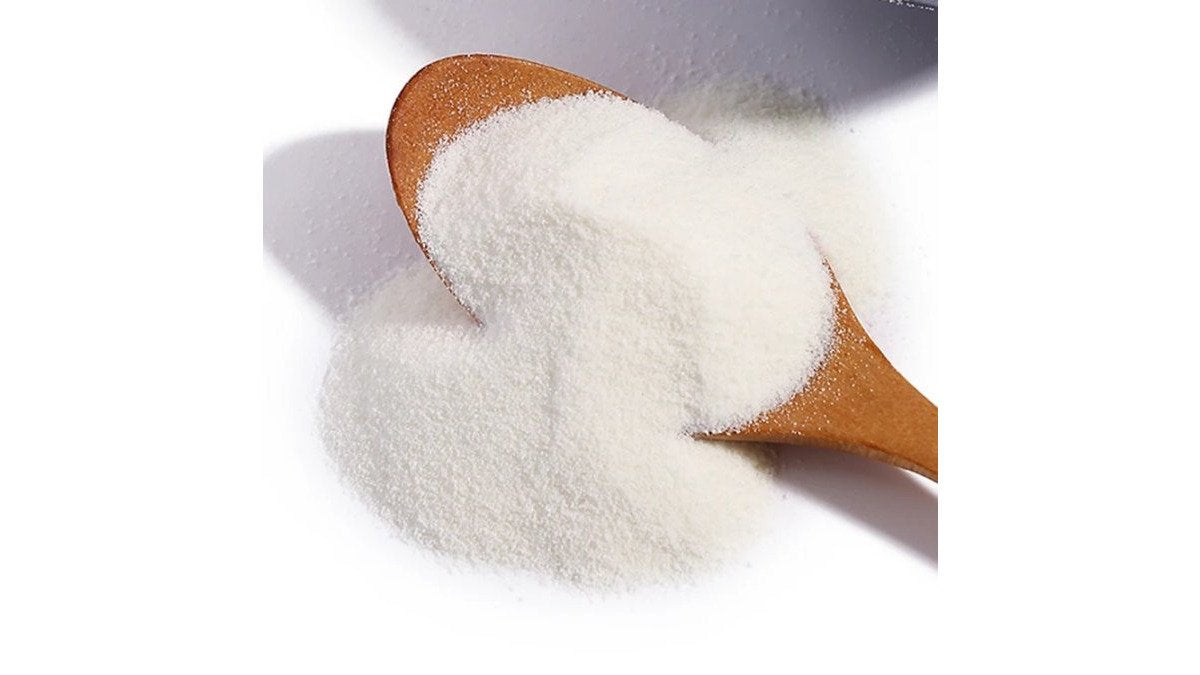
An unflavored collagen fits more routines. You can mix it into hot coffee, iced drinks, oatmeal, yogurt, or recipes without forcing a specific taste profile into everything.
Read past the front label
A product may say no sugar or naturally flavored on the front, while the full ingredient list tells a different story. Look for terms such as sucralose, acesulfame K, aspartame, and sometimes blends that include erythritol or other sweetening agents.
This is where careful shoppers usually separate marketing from substance. A clean front label means very little if the back label is crowded.
Look at dietary compatibility and certification
For Muslim consumers, collagen is not just about beauty or protein support. It is also about source and compliance. Bovine collagen can be acceptable, but only when sourcing and certification are clear. If a brand is vague about halal status, that uncertainty is enough reason to move on.
The same goes for other dietary concerns. If you prefer products without dairy, gluten, soy, or added sugar, the label should make that obvious. A clean collagen should fit into your routine without creating a second round of questions.
The trade-off with flavored collagen
Some people prefer flavored collagen because it feels easier to drink. That is fair. If someone struggles with plain powders, a flavored option may help them stay consistent.
But there is usually a trade-off. Better taste often comes with more formulation. More formulation means more sweeteners, more masking agents, and more additives. If your top priority is purity, unflavored collagen is usually the better choice. If your top priority is a dessert-like experience, you may accept a more complicated label.
It depends on what matters most to you. For many health-conscious buyers, especially those building a daily beauty-from-within routine, consistency comes from simplicity. A neutral powder they can add anywhere is easier to keep using than a sweet powder that only works in certain drinks.
Who benefits most from collagen without artificial sweeteners
This type of collagen works especially well for people who use it every day and do not want taste fatigue. If you drink coffee every morning, mix powder into tea, or want to add collagen to different meals, a plain formula gives you freedom.
It also makes sense for shoppers focused on hair growth, skin support, and general wellness rather than novelty flavors. When collagen is part of a long-term routine, the cleaner formula often feels more practical. You are not chasing a trendy taste. You are choosing something you can actually stick with.
For halal-conscious households, this matters even more. A simple, clearly certified product removes friction. You do not have to second-guess the source, the additives, or whether the product fits your standards.
How to compare collagen without artificial sweeteners
When two collagen products both claim to be clean, the details decide which one is really worth buying. Start with source. Grass-fed bovine collagen is a strong choice for shoppers who want a widely used, practical collagen type with a straightforward ingredient profile.
Next, look at serving value. Some brands price their collagen like a premium beauty product but offer weak serving counts or small tubs that disappear quickly. A better option is one that keeps the formula clean while still delivering fair value per serving.
Convenience matters too. Large pouches work well at home, but sachets can make a big difference for work bags, travel, or keeping up with your routine outside the house. Clean collagen should fit real life, not just your kitchen counter.
Finally, look at trust signals. Third-party testing, satisfaction guarantees, clear sourcing, and transparent certification all matter. If a brand expects you to buy based on marketing language alone, that is not enough.
A cleaner formula usually does more with less
There is a reason many people come back to plain collagen after trying sweetened versions. The simpler product tends to feel easier, cleaner, and more versatile. You are not managing an aftertaste. You are not trying to make a flavored powder work in every drink. You are just using collagen as a practical daily supplement.
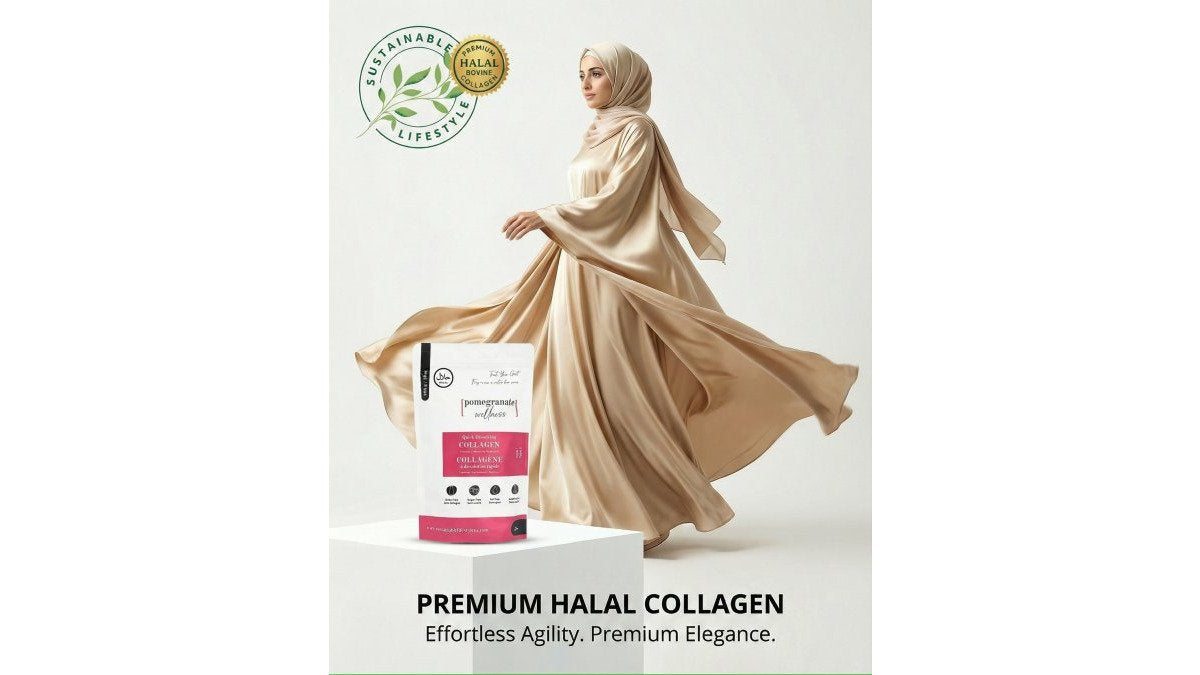
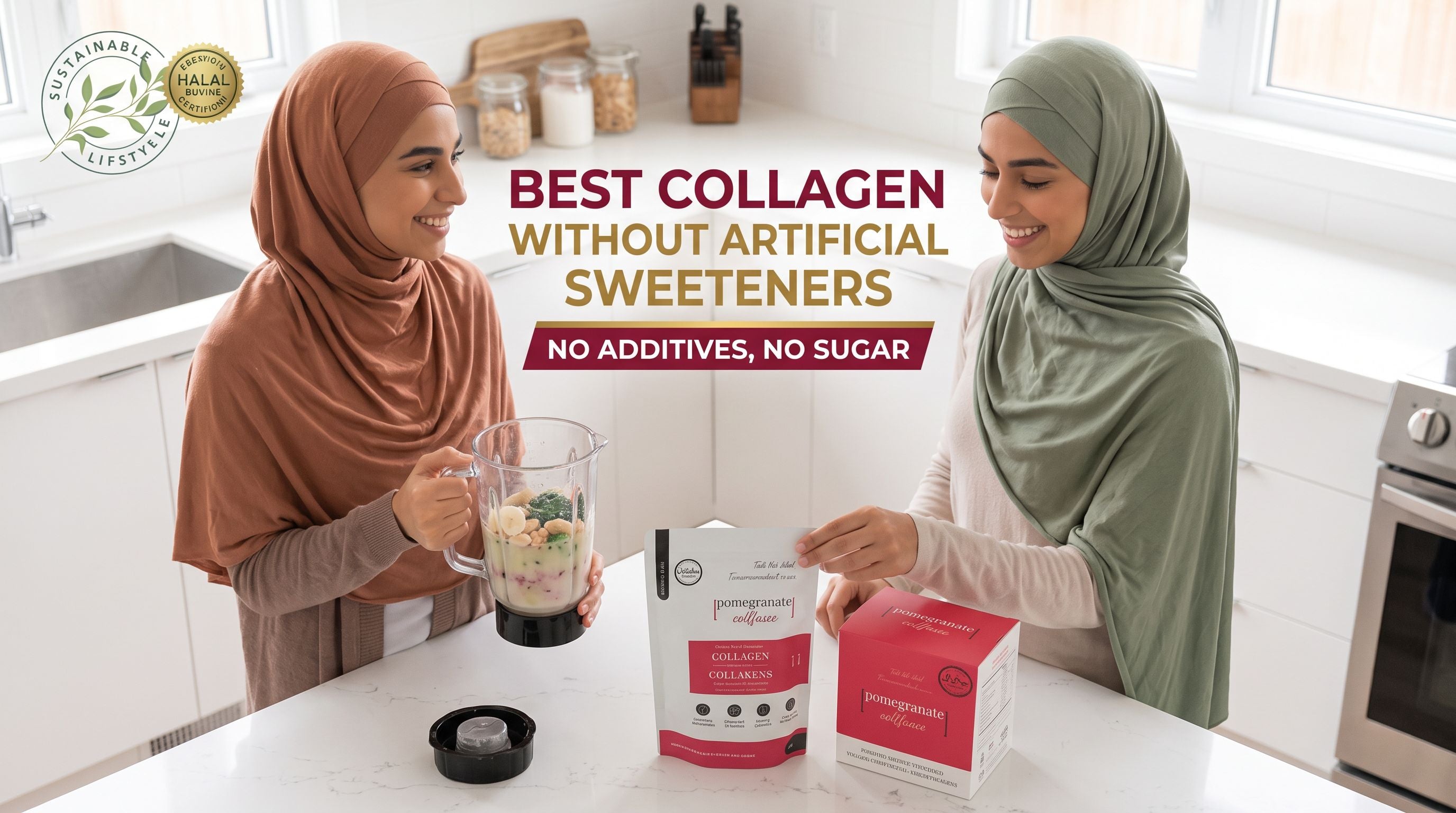
This is where brands like Sustainable Lifestyle stand out for the right reasons. A halal-certified, unflavored bovine collagen with no artificial sweeteners, no sugar, and no filler ingredients answers a very specific need that many mainstream products still miss.
That kind of simplicity is not boring. It is useful. It supports a daily routine without adding extra ingredients you never wanted.
How to use collagen without artificial sweeteners every day
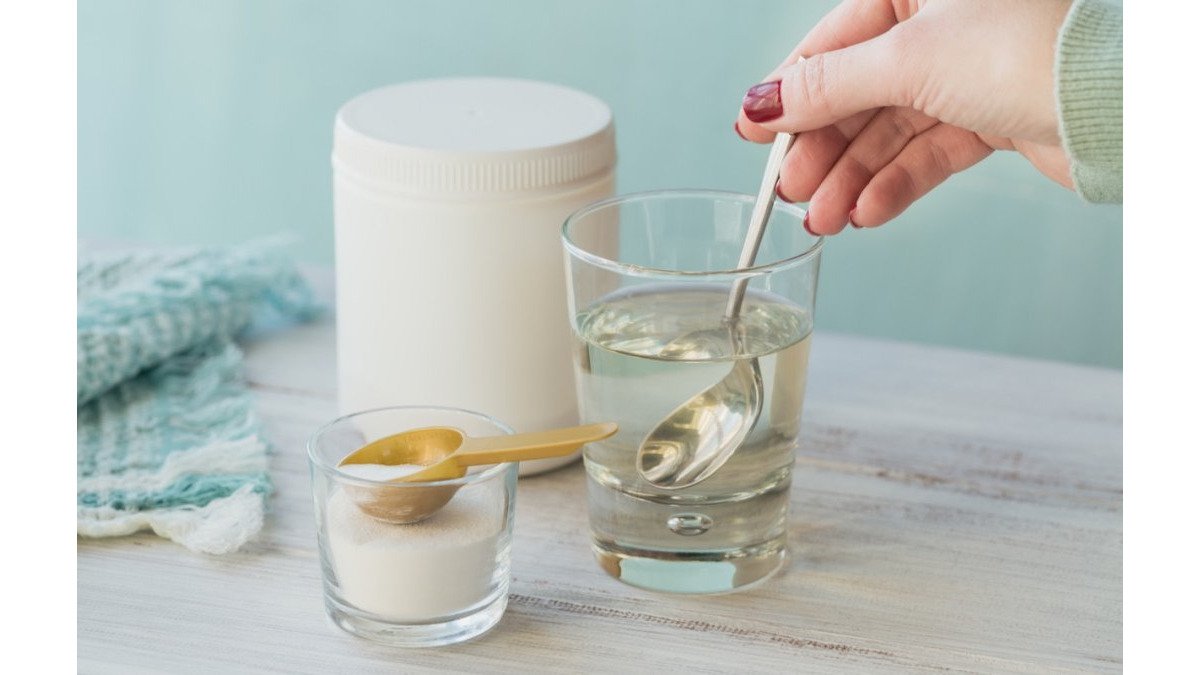
The biggest advantage of an unsweetened collagen is how easily it disappears into your routine. You can stir it into hot coffee in the morning, mix it into tea in the afternoon, or blend it into a smoothie after the gym. Since there is no sweetener pushing the flavor in one direction, it works in more places.
If you are using collagen for hair and skin support, consistency matters more than making the experience taste like a milkshake. Pick one time of day, keep it simple, and let the routine become automatic. That is usually what leads to better long-term use.
If you are sensitive to taste or texture, start by mixing it into stronger flavored drinks like coffee or a fruit smoothie. Most high-quality hydrolyzed collagen powders dissolve well, but not every brand handles as smoothly. That is another reason formula quality matters.
Collagen without artificial sweeteners is not a niche request
It is a reasonable standard. People want products that support their wellness goals without pushing extra additives, unnecessary sweetness, or unclear sourcing. They want collagen that fits their faith, their lifestyle, and their daily habits.
A good collagen should feel easy to trust before it ever reaches your cup. When the formula is simple, the sourcing is clear, and the certification is there, choosing becomes much easier.
If a collagen product tastes like candy but reads like a chemistry set, it may not be the clean option you were looking for. A better choice is usually the one that keeps the promise simple and lets you decide how to use it every day.