Cart
0
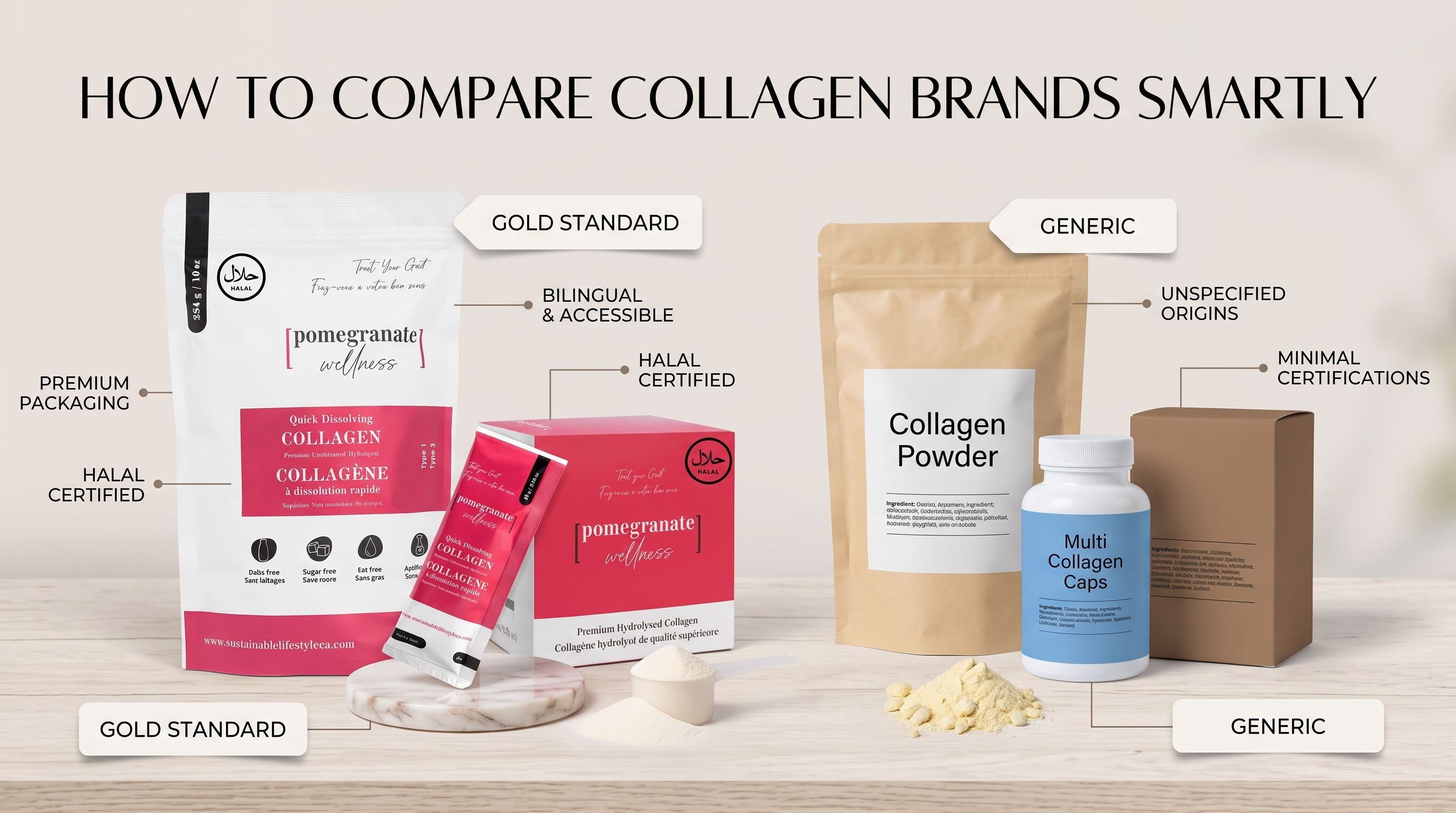
You can spot the problem in seconds: two collagen tubs look nearly identical, both promise glowing skin and stronger hair, and neither makes it easy to tell what you are actually paying for. If you are trying to figure out how to compare collagen brands, the smartest move is to stop looking at the front label first. The real difference is usually buried in the ingredient panel, sourcing details, certification, and price per serving.
For Muslim shoppers, that comparison matters even more. A collagen product can look clean and premium while still leaving major questions unanswered about its source, halal status, additives, or manufacturing standards. If your goal is daily support for hair, skin, nails, and overall wellness, you want more than marketing language. You want certainty.
How to compare collagen brands without getting distracted
The fastest way to compare brands is to judge them on five things: collagen source, certification, formula purity, serving value, and everyday usability. Everything else comes after that.
Many brands lead with beauty claims because those are easy to sell. What matters more is whether the product gives you enough collagen per serving, whether it comes from a source you are comfortable using, and whether it fits into your routine without extra sugar, flavoring, or fillers. A product that sounds exciting but creates doubts around ingredients is not the better option.
Start with the collagen source
Not all collagen comes from the same place. Most products use bovine, marine, chicken, or porcine sources. For Muslim consumers, porcine collagen is immediately off the table. Marine collagen may sound appealing, especially for beauty positioning, but it is not automatically the best choice for every shopper. It can cost more, and some people simply prefer bovine collagen for broader daily use and easier sourcing transparency.
Bovine collagen is one of the most common choices because it is versatile, practical, and widely used for skin, hair, nails, joints, and general nutritional support. But even here, one label is not enough. Look for language that tells you whether the collagen is grass-fed, pasture-raised, or sourced from cattle with clear origin standards. If a brand stays vague, that is worth noticing.
Halal claims should be easy to verify
This is where many comparisons become simple. If a brand is truly halal, it should say so clearly and confidently. Better still, it should mention halal certification, not just halal-friendly wording. There is a big difference between a product that avoids obvious non-halal ingredients and one that has been formally certified.
When a brand makes you guess, email customer service, or search through fine print, that is not strong trust-building. Muslim shoppers should not have to work hard for basic clarity. A clean collagen supplement should match your health goals and your religious values without compromise.
Compare ingredients, not just claims
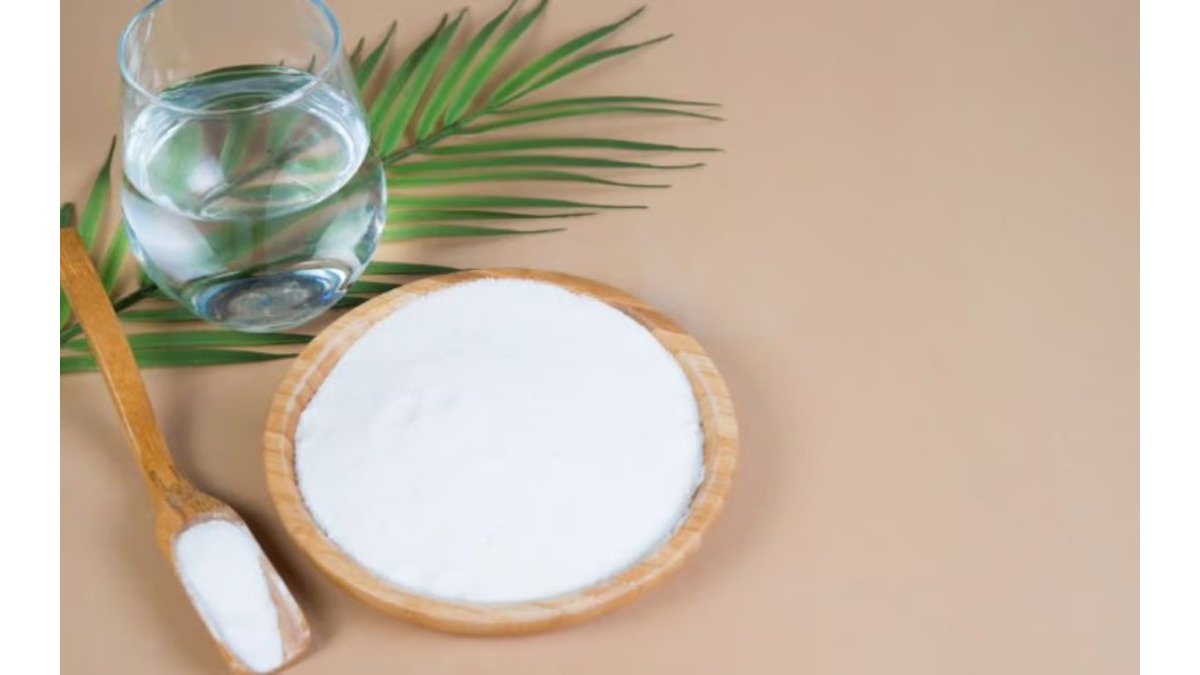
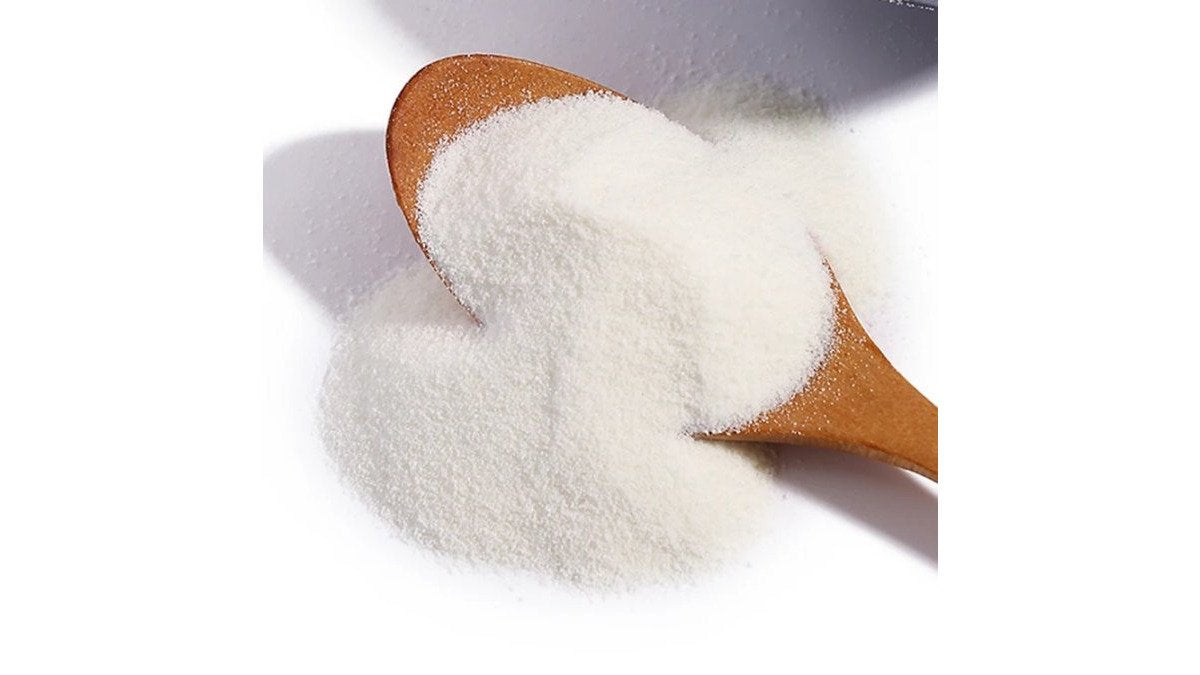
A short ingredient list usually tells a better story than a flashy label. If the product is collagen powder, the ideal formula is often very simple: hydrolyzed bovine collagen peptides, with no sugar, dairy, gluten, artificial flavors, gums, or filler ingredients.
That does not mean every added ingredient is bad. Sometimes brands include vitamin C, hyaluronic acid, or biotin to support a beauty-focused angle. The trade-off is that blends can make it harder to know how much actual collagen you are getting. If your main goal is clean daily supplementation, a straightforward formula is often the easier product to trust and compare.
A useful question is this: are you buying collagen, or are you buying a marketing blend built around collagen? Those are not the same thing.
Watch serving size closely
One brand may advertise 10 grams of collagen per serving, while another makes a bigger visual impression with a large scoop and a premium-looking package. The serving size is what counts.
Check how many grams of collagen are in one serving, how many servings are in the container, and whether the brand expects you to take one scoop or two per day. Some products look affordable until you realize the tub only lasts a couple of weeks at the recommended daily use.
This is also where sachets versus tubs become a personal choice. Sachets are convenient for work, travel, and consistency. Tubs can offer stronger value for home use. The better format depends on your routine, not just the sticker price.
How to compare collagen brands on value
Price alone is a weak comparison. Price per serving is much more useful.
If one collagen product costs less upfront but gives fewer servings or lower collagen content per serving, it may not be the better buy. On the other hand, a premium-priced product is not automatically overpriced if it delivers clean ingredients, halal certification, third-party testing, and enough servings to support daily use.
For practical shoppers, the most honest comparison is cost divided by real daily use. That gives you a clear picture of long-term value. It also helps cut through branding that relies on luxury packaging or influencer language.
Convenience matters more than people admit
The best collagen is the one you will actually use every day. Mixability, taste, and portability matter because consistency matters.
Unflavored collagen tends to be the easiest option for most routines. You can stir it into coffee, tea, smoothies, or plain water without having to commit to a sweet or artificial flavor every morning. If a powder clumps badly or has a strong aftertaste, even a strong formula can end up sitting in the cabinet.
Portability is another real factor. If you travel often, commute, or keep a supplement routine at the office, single-serve sachets can make a big difference. They are not always the cheapest format, but they often improve consistency. That trade-off can be worth it.
Trust signals separate serious brands from generic ones
When comparing collagen brands, trust is built through proof, not adjectives. Words like pure, premium, and clean only matter if the brand supports them with something concrete.
Look for signs such as third-party testing, transparent sourcing, allergen disclosures, and clear customer support policies. A satisfaction guarantee does not prove product quality on its own, but it does show a level of accountability. So does a brand that states exactly what is not included in the formula.
For faith-conscious buyers, identity and credibility can matter too. A Muslim-owned halal wellness brand often understands the questions mainstream supplement companies overlook. That does not mean every Muslim-owned brand is automatically better, but it can mean the product was built with your needs in mind from the start instead of adapted later.
A quick way to compare mainstream options
If you are looking at brands such as Deen Health, Hearthy Foods, Organika, Salaam Nutritionals, or Salam Wellness, avoid trying to choose based on popularity alone. Compare them line by line.
Ask whether the collagen is halal-certified or just described loosely. Check whether it is bovine and grass-fed. Look at whether the ingredient list is one clean ingredient or a longer formula with added sweeteners or extras. Compare total servings, grams per serving, and cost per serving. Then ask one final question: does this product fit your daily life easily enough that you will keep using it?
That last part matters because visible beauty and wellness support usually comes from consistency, not from switching products every week.
The best brand for you may not be the loudest one
Some shoppers want the lowest cost. Others want the cleanest formula. Others care most about halal certification, travel-friendly packaging, or a product that supports a beauty routine without unnecessary ingredients. There is no single best collagen brand for every person.
What you want is the brand that gives you the least friction and the most confidence. If it is clearly halal-certified, sourced well, free from fillers, easy to mix, and fairly priced by serving, you are already looking in the right direction. That is one reason many shoppers compare products this way before landing on options from specialized brands like Sustainable Lifestyle instead of settling for whatever is easiest to find.
The right collagen should feel simple to trust, simple to use, and simple to stick with. When a brand makes all three easy, your decision usually gets much clearer.