Cart
0
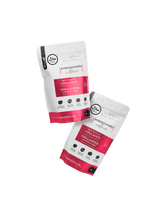
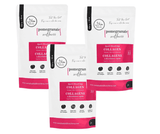

If you have ever picked up a collagen tub, flipped it over, and still felt unsure, you are not alone. For many Muslims, buying grass fed bovine collagen halal is not just about protein or beauty support. It is about knowing the source, the processing, and the certification all line up with your health goals and your faith.
That hesitation makes sense. Collagen has become a staple in wellness routines, but most products are made for the mass market, not for people who need clear halal standards. Labels often highlight buzzwords like pasture-raised, hydrolyzed, or keto-friendly, while saying very little about slaughter method, certification, or whether the formula is actually clean enough for daily use.
What grass fed bovine collagen halal really means
At its core, bovine collagen comes from cows, usually from hides. When a product is described as grass fed, it generally means the cattle were raised on a grass-based diet rather than a grain-heavy feedlot system. That matters to many shoppers because it signals a more natural source and often fits a cleaner-label standard.
But grass fed alone does not make a collagen product halal. A collagen powder can come from grass-fed cattle and still fail halal requirements if the animals were not slaughtered according to halal standards or if the manufacturing process is not properly controlled. This is where many shoppers get misled. They see premium sourcing claims and assume religious compliance is included. It is not.
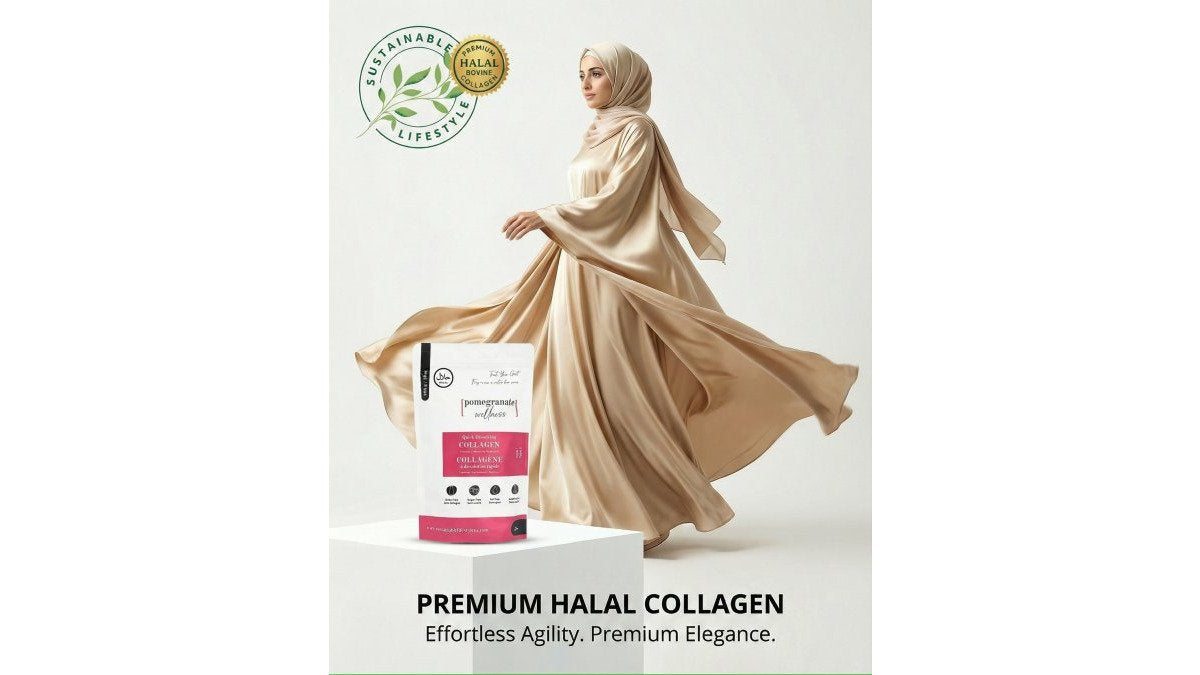
For a product to genuinely meet the expectation behind grass fed bovine collagen halal, you want three things working together: a bovine source, halal certification you can verify, and a formula free from questionable additives. Missing any one of those changes the picture.
Why halal certification matters more than marketing claims
A supplement brand can say a lot on the front of the package. Clean. Natural. High quality. None of that replaces halal certification. If a product is not certified, you are often left guessing about sourcing, handling, and processing.
That guesswork is exactly what Muslim consumers are trying to avoid. Halal certification gives a clearer standard for how the collagen was sourced and whether the product was reviewed by a recognized authority. It also offers reassurance that the production process did not introduce non-halal ingredients or contamination.
This matters even more with collagen because it is an animal-derived ingredient. Unlike a generic vitamin blend, collagen is not one step removed from the source. The source is the whole point. If a brand cannot clearly explain where its bovine collagen comes from and whether it is halal certified, that is not a small gap. It is the main question.
Grass fed is valuable, but it is not the whole quality story
Grass-fed sourcing appeals to shoppers for good reason. It usually reflects a cleaner, more premium raw material, and it fits well with a wellness routine built around fewer compromises. For people focused on beauty-from-within, daily nutrition, and ingredient purity, grass-fed collagen simply feels more aligned with what they want to put into their bodies every day.
Still, not every grass-fed collagen product is equal. One brand may use grass-fed bovine collagen but include sweeteners, flavor systems, dairy ingredients, or fillers that many shoppers are trying to avoid. Another may keep the formula simple with unflavored hydrolyzed collagen peptides and nothing extra. If your goal is a collagen supplement you can mix into coffee, tea, smoothies, or water without changing your routine, simplicity is often the better choice.
This is especially true for people who want consistent use. The easier a product is to take every day, the more likely it becomes part of your routine. Clean, unflavored collagen tends to win here because it does not force you into one taste or one use case.
What to look for in a clean halal collagen powder
When comparing products, the smartest move is to read past the front label. A strong collagen product should make verification easy, not difficult.
Start with the halal claim. Is the product clearly halal certified, or does it only use vague language? That distinction matters. Then look at the ingredient panel. Ideally, it should be short and straightforward, with no unnecessary fillers, sugar, dairy, gluten, or artificial additives.
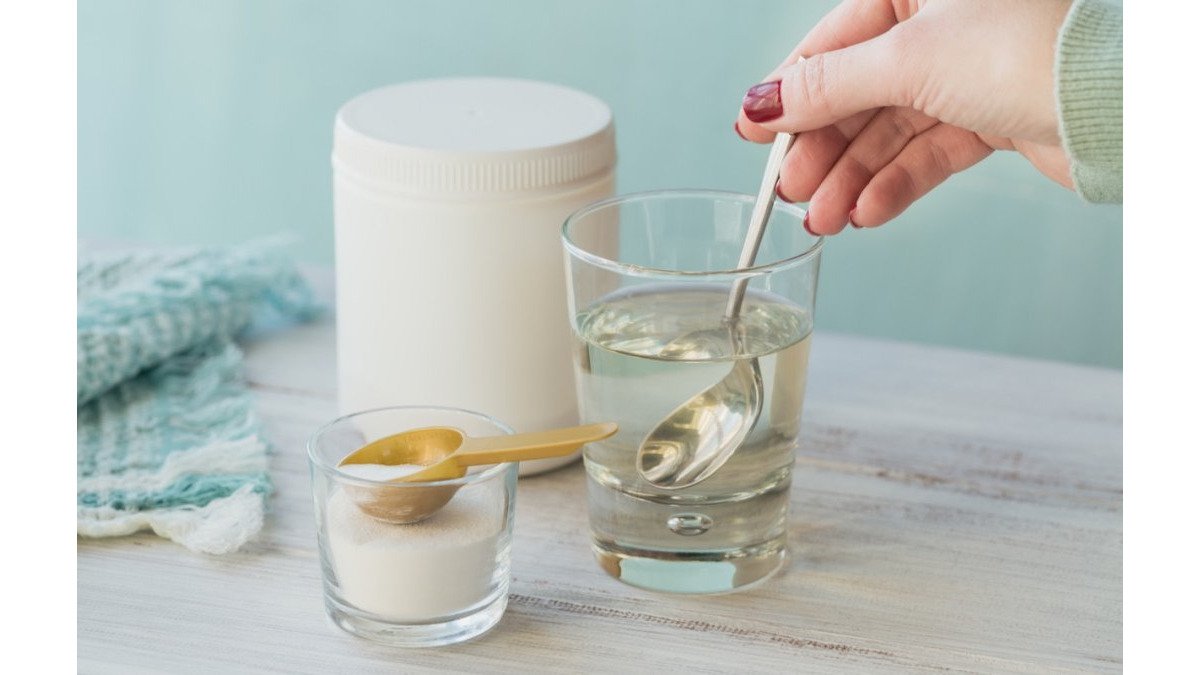
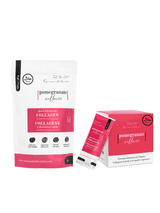
After that, check how the collagen fits real life. Is it unflavored? Does it dissolve in hot and cold drinks? Is it offered in a larger pouch for home use and sachets for work, travel, or gym bags? Convenience is not just a bonus. It affects consistency, and consistency is what turns a supplement into a habit.
Third-party testing is another strong trust signal. It shows that the brand understands buyers are not just looking for claims. They want proof that the product matches what is on the label.
Hair, skin, and daily wellness - what collagen can realistically support
A lot of people come to collagen for visible reasons first. They want support for stronger-looking hair, healthier skin, and a daily beauty routine that feels simple. That is a completely valid reason to use collagen, and it is one of the biggest reasons halal collagen has become such an important category.
At the same time, it helps to stay realistic. Collagen is not an overnight fix, and no honest brand should present it that way. Most people use it as part of a daily routine over time, alongside good nutrition and hydration. The benefit is often in the consistency, not the drama.
For many women especially, that daily ritual matters. A scoop in morning coffee or a travel sachet in a work bag is easy to maintain. It does not ask for a complicated protocol. It simply supports a practical wellness habit that feels manageable.
Why many mainstream collagen brands still miss the mark
The collagen market is crowded, but Muslim shoppers still face a narrow set of truly suitable options. Many mainstream brands focus heavily on price, flavor variety, or trend-driven branding while treating halal needs as an afterthought, if they address them at all.
That creates a frustrating shopping experience. You may find a product with decent sourcing but no halal certification. Or a halal-friendly claim with little transparency about grass-fed sourcing. Or a formula packed with extras you never asked for. In other cases, the product may be fine, but the value per serving is weak compared with cleaner, better-positioned alternatives.
This is where a specialist halal wellness brand stands out. A Muslim-owned brand that understands both ingredient scrutiny and religious requirements tends to communicate differently. The messaging is clearer because the need is understood from the start, not added later as a marketing angle.
How to choose the right grass fed bovine collagen halal product
The right product depends on how you actually plan to use it. If collagen is going to live on your kitchen counter and become part of your morning routine, a larger unflavored pouch may be the most practical option. If you travel often, commute, or want something easy to keep in your handbag, sachets make more sense.
If your top priority is purity, go for the shortest ingredient list possible. If your top priority is value, compare servings rather than just tub price. A cheaper-looking product can end up costing more per use, especially if serving sizes are small or the formula includes non-essential ingredients.
And if your top priority is peace of mind, choose the brand that answers your questions clearly. Halal certification, grass-fed sourcing, no fillers, easy mixing, and transparent quality standards should not feel hidden. They should be central.
Grass fed bovine collagen halal should feel easy to trust
A good collagen product should not force you to choose between your wellness routine and your religious values. It should fit both without compromise. That means halal certification you can feel confident in, grass-fed bovine sourcing that reflects quality, and a clean formula you can use every day without second-guessing what is inside.
For Muslim consumers who want support for hair, skin, and daily nutrition, that combination is not too much to ask. It is the standard that should have been there all along. When a brand gets it right, collagen stops feeling like a question mark and starts feeling like one of the simplest parts of your routine.
Choose the product that gives you clarity before the first scoop, not confusion after it.