Cart
0

Last Updated: October 27, 2026
Quick Summary
Postpartum skin dryness is manageable with a gentle, consistent routine. Avoid exfoliating scrubs, loofahs and bath brushes while skin is dry, and apply moisture while skin is still damp. Watch for signs that point beyond simple dryness, such as red, swollen or oozing patches, and see a clinician if they appear.
- Avoid exfoliating scrubs, loofahs, and bath brushes while skin is dry.
- Apply moisturizer while skin is still damp after bathing.
- Use a mineral sunscreen on exposed skin, choosing a fragrance-free formula.
- Keep bedroom humidity from dropping below roughly 30 percent during heating season.
- See a clinician if a rash does not improve after two weeks of gentle care.
Table of Contents
- Why Your Skin Turns Dry After Childbirth
- How to Tell Ordinary Dryness from Eczema or Another Condition
- Building a Gentle Postpartum Skincare Routine
- Hydration and Nutrition That Support Skin Health
- Where Collagen Fits in Postpartum Skin Recovery
- Your Next Step: Starting a Simple Routine This Week
- Frequently Asked Questions
Postpartum skin dryness can catch people off guard. Many women expect the glow of pregnancy to last, then find their skin tight, flaky, and dull within weeks of delivery. The good news is that most of it is manageable with a simple, gentle routine and a few smart changes to how you care for yourself.
This guide walks through seven practical steps to manage postpartum skin dryness. It covers why the problem happens, how to tell ordinary dryness from something that needs a doctor, and how to build a routine that suits breastfeeding. Sustainable Lifestyle created this guide to give you clear, realistic steps you can start this week.
Why Your Skin Turns Dry After Childbirth
Less oil means less of a protective barrier. Water escapes more easily, and the skin feels tight.
Hormonal shifts and their effect on moisture
After birth, those levels change week by week. Some women notice dryness right away. Others only see it when they start breastfeeding or when sleep gets patchy. This is normal, and it usually settles as your body adjusts.
Dry, dull, itchy, or sensitive skin: what you may notice
Postpartum dryness shows up in different ways:
- Dry patches on the face, arms, or legs
- Dull skin that lacks its usual glow
- Itchiness, especially after showers
- Sensitivity, where products sting or redden skin
If you notice these signs, you are not alone. Most of these changes ease with gentle care.
How to Tell Ordinary Dryness from Eczema or Another Condition
Watch for these signs that point beyond simple dryness:
- Red, swollen, or oozing patches
- Rash that spreads or does not improve after two weeks of gentle care
- Blisters or crusting
- Skin changes that come with fever or pain
If you have concerns about your symptoms, speak with a clinician.
Building a Gentle Postpartum Skincare Routine
A routine for dry postpartum skin does not need to be long. It needs to be consistent, gentle, and built around a few principles: protect the barrier, avoid stripping agents, and apply moisture while skin is still damp. The structure below covers a full day, from the morning through bathing and bedtime, with notes on what to adjust if you are breastfeeding.
Morning: protect and prep
- Use a mineral sunscreen on exposed skin if you will be outside. Sun exposure worsens dryness and can deepen the appearance of uneven tone. Choose a formula labelled fragrance-free and suitable for sensitive skin.
Evening: repair and replenish
- Consider a humidifier in the bedroom during heating season. Indoor humidity below roughly 30 percent pulls water from skin overnight.
Bathing and showering: the biggest lever
- Avoid exfoliating scrubs, loofahs, and bath brushes while skin is dry. Mechanical exfoliation removes the top layer of skin that is already struggling to hold water.
Breastfeeding-aware product choices
- Check with a clinician before using any product containing an active ingredient, such as retinol, salicylic acid, or hydroquinone, while breastfeeding.
What to skip while skin is dry
If your skin stings when you apply a product, stop using it. Stinging is a sign the barrier is compromised, not a sign the product is working.
Halal Bovine Collagen Peptides Powder 16oz (454g) Value Upgrade Pouch →
Hydration and Nutrition That Support Skin Health
Hydration and diet are supportive habits, not treatments. That distinction matters, because it is easy to drink more water and still have dry skin. The goal of this section is to set realistic expectations and give you concrete, food-based steps that support the skin barrier without overpromising.
What water can and cannot do for dry skin
What water does help with: replacing fluid lost through breastfeeding, supporting energy, and preventing the thirst that many nursing mothers feel during feeds. A practical target is to keep a water bottle within reach and sip during every feed. Urine that is pale yellow is a reasonable sign of adequate intake.
Fats and protein: the building blocks of the skin barrier
Foods to include regularly:
- Fatty fish such as salmon, mackerel, sardines, and trout, rich in omega-3 fats
- Eggs, a source of protein and several skin-relevant nutrients
- Nuts and seeds, almonds, walnuts, flaxseed, chia, and sunflower seeds
- Avocado and olive oil, sources of monounsaturated fat
- Legumes and whole grains, protein, fiber, and B vitamins
- Colourful vegetables and fruit, vitamin C supports collagen production, and a range of produce supplies antioxidants
Nutrients worth paying attention to
- Vitamin C, supports collagen synthesis; found in citrus, peppers, broccoli, and berries
- Vitamin A, supports skin cell turnover; found in eggs, dairy, and orange vegetables
- Zinc, supports skin repair; found in meat, shellfish, legumes, and seeds
- Omega-3 fats, support the skin barrier; found in fatty fish, walnuts, and flaxseed
Sleep, stress, and the skin
- Lower the temperature of your showers during stressful weeks; it is one of the few variables fully within your control
A realistic expectation
Diet and hydration changes take weeks to show up in skin, and the effect is modest. If you make these changes alongside a gentle topical routine, you are giving your skin the best support available. If dryness persists or worsens despite both, that is a signal to see a clinician rather than to try harder with food and water.
The table below sums up the food-based habits this section recommends for supporting the skin barrier.
| Food | Why it helps | Examples |
|---|---|---|
| Fatty fish | Rich in omega-3 fats | Salmon, mackerel, sardines, trout |
| Eggs | Protein and skin-relevant nutrients | Whole eggs |
| Nuts and seeds | Supports the skin barrier | Almonds, walnuts, flaxseed, chia |
| Avocado and olive oil | Monounsaturated fat | Avocado, olive oil |
| Legumes and whole grains | Protein, fiber and B vitamins | Lentils, beans, oats |
| Colourful produce | Antioxidants and vitamin C | Citrus, peppers, berries, broccoli |
Where Collagen Fits in Postpartum Skin Recovery
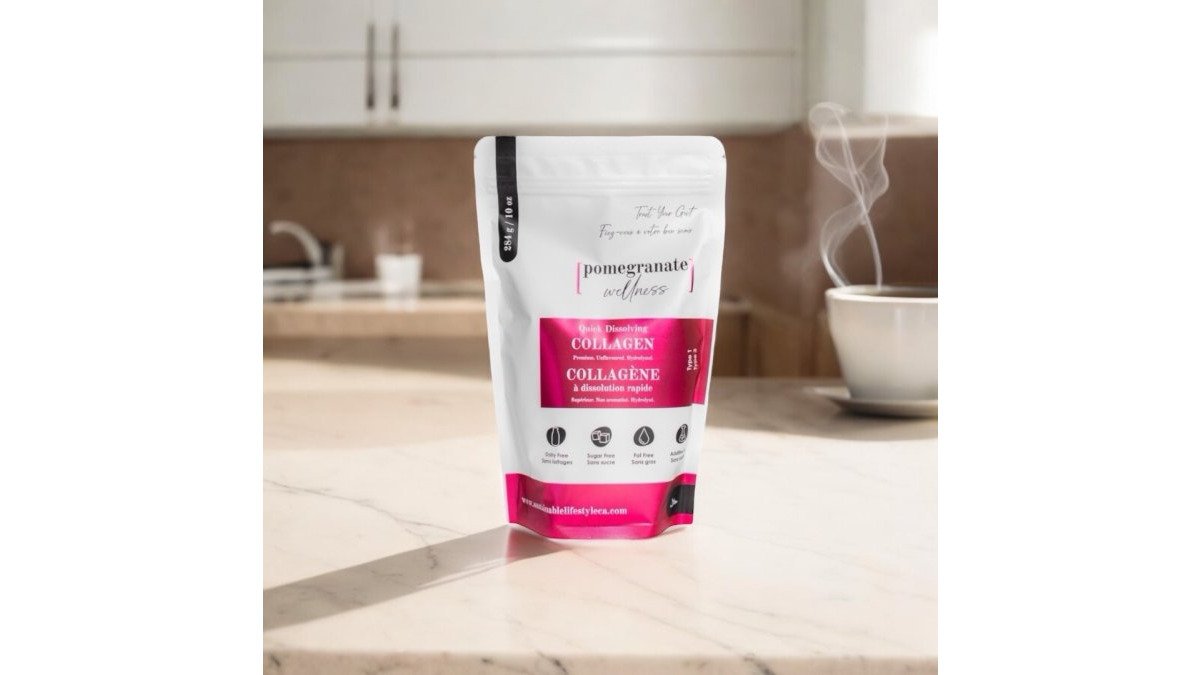
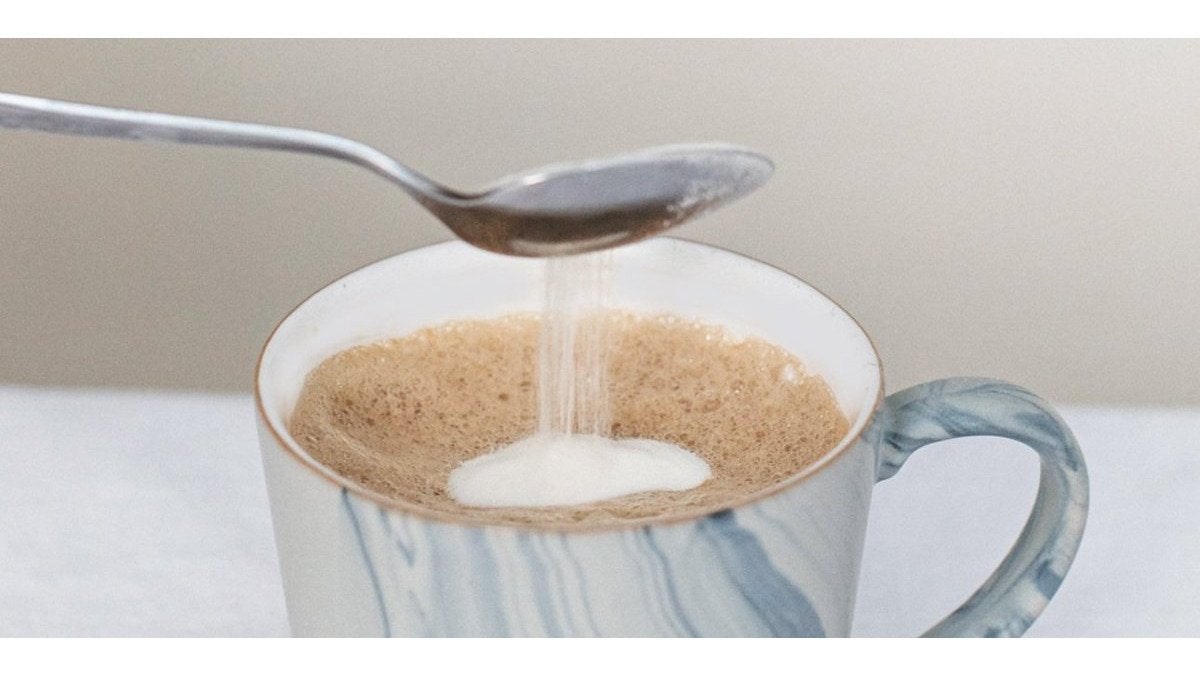
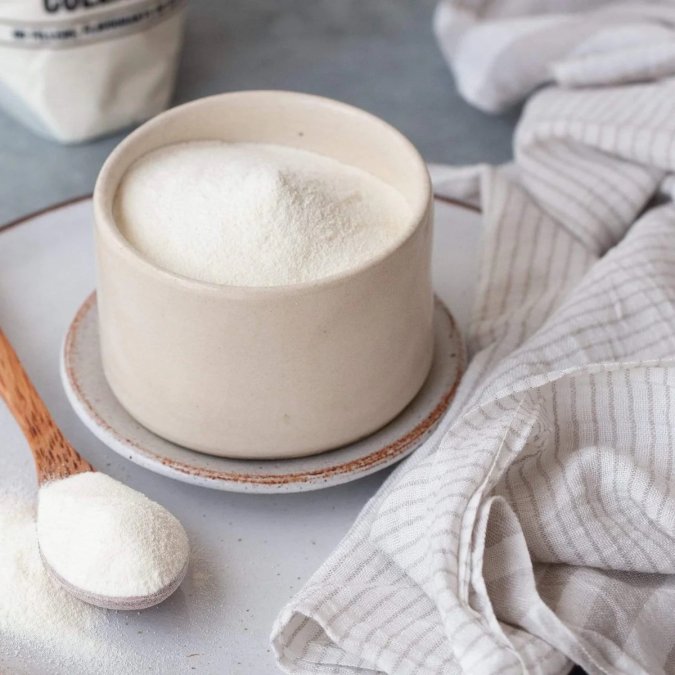
The Unflavoured Premium Halal Bovine Collagen 10oz 284g is a Halal-certified option that mixes into hot or cold drinks without changing the taste. Ask your doctor before adding any supplement, especially while nursing. If you are breastfeeding, how collagen fits alongside nursing is explained before you try it. Readers with persistent dryness can see whether collagen helps dry skin in a focused answer. If you are weighing options, unflavoured collagen compared for skin lays out the differences side by side.

Your Next Step: Starting a Simple Routine This Week
If you have concerns about your symptoms, speak with your healthcare provider.
Frequently Asked Questions
Is it normal to have dry or itchy skin after having a baby?
Dryness, dullness, or itchiness can occur after childbirth. If you have concerns about your symptoms, speak with a healthcare provider.
What is the best way to moisturize dry skin while breastfeeding?
If you have questions about skincare products while breastfeeding, speak with a healthcare provider.
Can collagen supplements help with postpartum skin dryness?
Our unflavoured, Halal-certified bovine collagen peptides powder dissolves instantly into hot or cold drinks without changing the taste. Talk with your healthcare provider before starting any supplement, especially if you are breastfeeding.
How long does postpartum skin dryness usually last?
The timeline varies from person to person. If you have concerns about dryness, itch, or dullness, speak with your healthcare provider.