Cart
0

Last Updated: October 30, 2026
Quick Summary
The best halal gelatin alternative depends on the recipe. Agar-agar, a seaweed-based gelling agent, sets firmly and suits neutral desserts and jellies, while pectin works best in fruit-based jams and spreads. Carrageenan suits creamy milk puddings, and fish gelatin is an option for seafood-based cooking if verified halal.
- Agar-agar must be boiled to activate and sets firmly without added flavour.
- Pectin needs acid and sugar to form a proper gel, so it suits fruit-based recipes.
- Carrageenan produces a smooth, creamy set and is useful in milk-based desserts.
- Look for recognized halal certification on the package, not just the word halal in marketing.
- Test a small batch first, because gel strength varies by brand and form.
Table of Contents
- Why Gelatin Is Not Always Halal
- Animal-Derived Versus Plant-Derived Gelling Agents
- Agar-Agar vs Gelatin: Setting Power and Texture
- How to Use Agar-Agar in Recipes
- Pectin as a Gelatin Substitute for Fruit-Based Desserts
- Carrageenan and Fish Gelatin: The Other Options to Check
- Halal Collagen vs Gelatin: Where Collagen Fits In
- Choosing Your Halal Gelatin Alternative for Your Next Recipe
- Frequently Asked Questions
Why Gelatin Is Not Always Halal
Gelatin is one of the most common gelling agents in food, but it is not automatically halal. Gelatin is made by breaking down animal collagen, usually from pig or cattle skin, bones and connective tissue. Whether it is permissible depends on the animal source and how it was slaughtered and processed. Many Muslim shoppers in Canada therefore look for a clear halal source before they buy, rather than assuming a product is safe.
This is where a halal gelatin alternative becomes useful. Some people want a gelling or thickening agent that avoids the question entirely. Others want a protein ingredient with a clear halal origin. The right choice depends on what you are making and what you need the ingredient to do.
Animal-Derived Versus Plant-Derived Gelling Agents
Gelling agents fall into two broad groups. Animal-derived options, such as gelatin, come from collagen in animal tissue. Plant-derived options, such as agar-agar, pectin and carrageenan, come from seaweed, fruit or other plant sources. Plant-derived gelling agents are generally non-animal sourced.
Animal-derived ingredients still have a place, but they require more checking. Look for halal certification on the label rather than relying on a general claim. Plant-derived gelling agents skip most of that verification, though you should still confirm the full ingredient list for any added animal-based components.
Agar-Agar vs Gelatin: Setting Power and Texture
Agar-agar is a seaweed-based gelling agent, and it behaves differently from gelatin in ways that matter before you ever open a packet. Understanding the mechanism saves you from a dessert that sets like rubber or never sets at all.
Why they behave differently. Gelatin is a protein. When it cools, its protein strands re-form into a loose network that traps water, and that network melts again when warmed, which is why a gelatin dessert softens on a warm day and dissolves on the tongue. Agar-agar is a carbohydrate (a polysaccharide) extracted from red algae. Its strands form a much tighter, more rigid network that stays set across a wide temperature range and does not melt at room temperature. That is the source of both its strengths and its weaknesses: it holds shape in warm weather, but it cannot give you the soft, melting mouthfeel gelatin provides.
The conversion ratio. Agar-agar is far stronger by weight than gelatin. Always follow the ratio printed on your specific product, because strength varies by brand and form.
Setting temperature and speed. Agar-agar must be brought to a boil to dissolve and activate; stirring it into warm liquid is not enough.
Texture and clarity trade-offs. Neither is "better", they suit different desserts.
Pro Tip
Test a small batch first. Because gel strength varies by brand and form, a one-cup trial tells you more than any conversion chart.
Hands stirring a pot of red agar-agar liquid on a stovetop in a bright home kitchen, with a glass bowl of setting jelly nearby
How to Use Agar-Agar in Recipes
Agar-agar must be dissolved in liquid and brought to a boil to activate it. Whisk the powder into cold liquid first, then heat the mixture while stirring until it fully dissolves. Pour the liquid into your mould or dish before it sets, since it will firm up quickly once it cools.
A simple starting point is about one teaspoon of agar-agar powder per cup of liquid for a firm set. Adjust up or down depending on how firm you want the final dessert. Fruit juices, coconut milk and sweetened teas all work well as the base.
Hands stirring a pot of red agar-agar liquid on a stovetop in a bright home kitchen, with a glass bowl of setting jelly nearby
Pectin as a Gelatin Substitute for Fruit-Based Desserts
Pectin is a fruit-derived gelling agent, most commonly sourced from apple or citrus peel. It works best in fruit-based desserts, jams and glazes, where its natural setting properties complement the flavour. Pectin needs acid and sugar to form a proper gel, so it suits recipes like fruit spreads and fruit jellies more than neutral-flavoured desserts.
Halal Bovine Collagen Peptides Powder Starter Pouch – Grass Fed, Unflavoured →
Pectin produces a softer, more spreadable set than agar-agar. It is a good choice when the goal is a fruit-forward dessert with a tender texture rather than a firm, sliceable block.
Carrageenan and Fish Gelatin: The Other Options to Check
Carrageenan is extracted from red seaweed and is widely used in dairy alternatives, puddings and sauces. It produces a smooth, creamy texture and is useful in milk-based desserts. Read the label carefully, since carrageenan is sometimes combined with other ingredients in commercial products.
Fish gelatin is an animal-derived option that some shoppers consider for seafood-based cooking. Its halal status depends on the fish species and processing, so it should be verified in the same way as any other animal-derived product. Fish gelatin also sets more softly than bovine gelatin, so it will not behave identically in recipes.
Halal Collagen vs Gelatin: Where Collagen Fits In
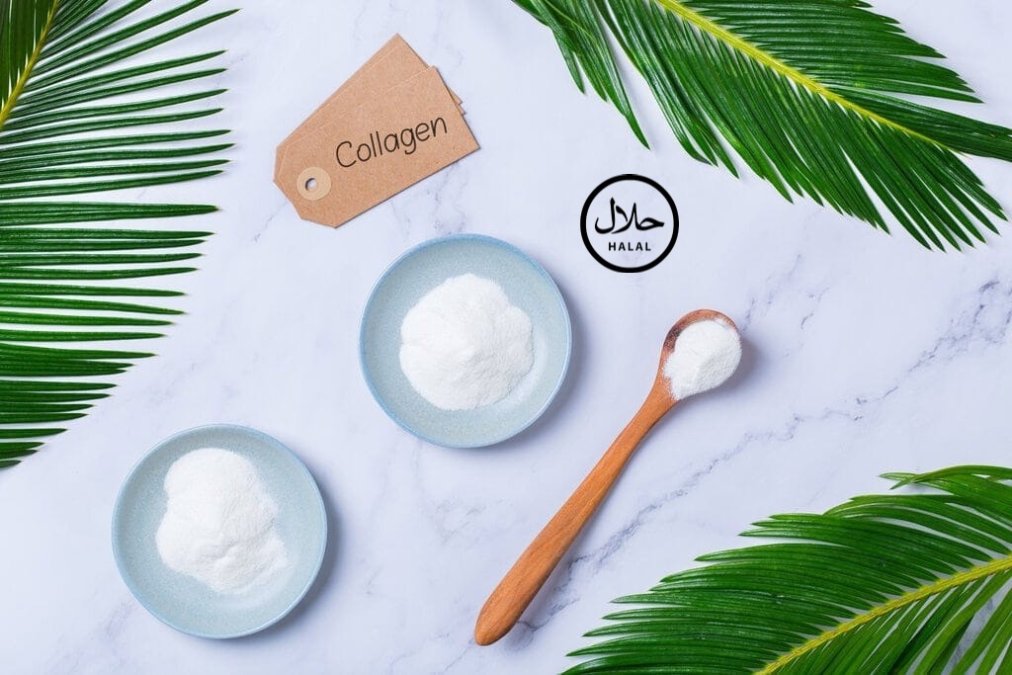
Collagen and gelatin come from the same source, but they are processed differently. Gelatin is partially broken down and used for setting. Collagen peptides are hydrolysed into smaller pieces that dissolve fully in liquid and do not gel. Read why collagen smells weird and how it behaves once mixed in to see what to expect. This means hydrolysed collagen is not a substitute for gelatin in desserts.
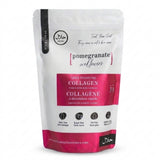
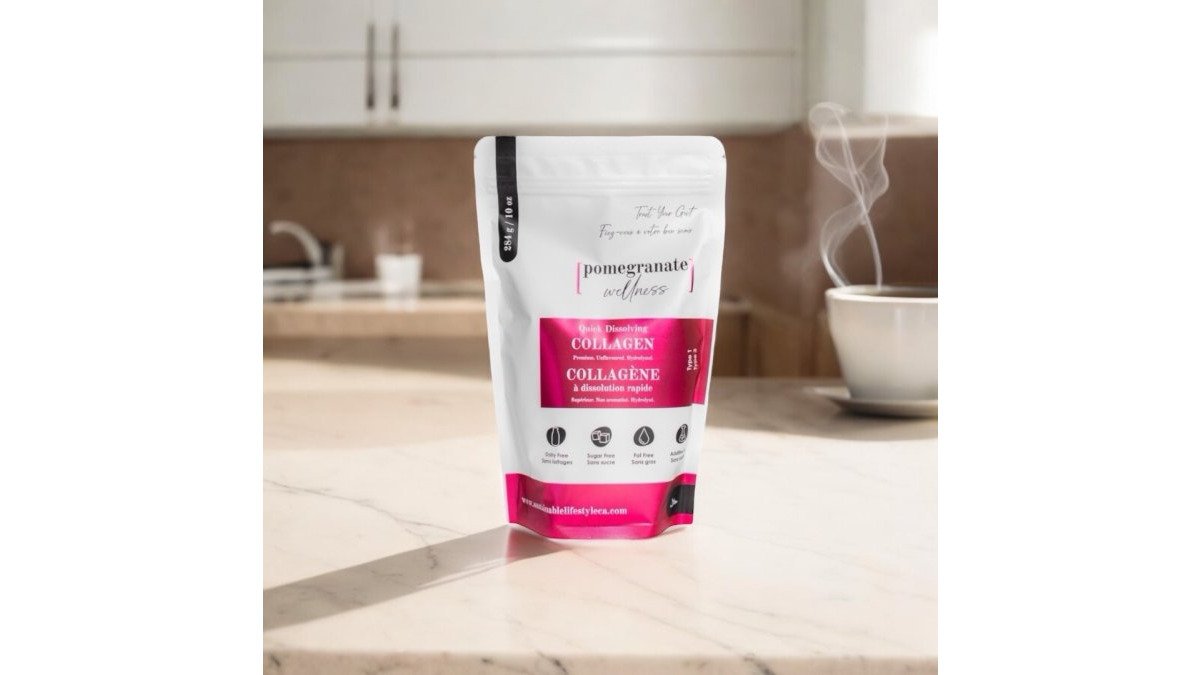
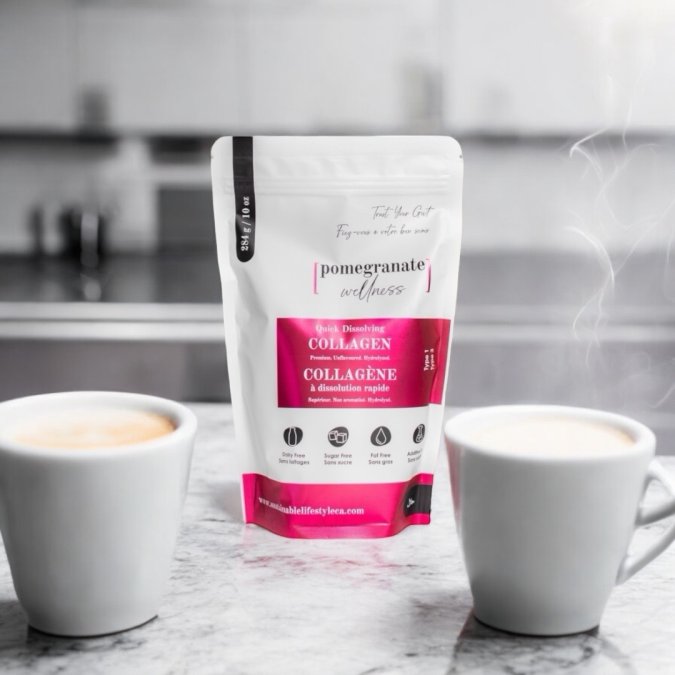
Sustainable Lifestyle offers an unflavoured, grass-fed bovine collagen peptides powder that is Halal-certified. It dissolves in hot or cold beverages, including coffee, tea and smoothies, without changing the taste. The product: Halal Bovine Collagen Peptides Powder Starter Pouch - Grass Fed, Unflavoured 10oz (284g) is the entry point for readers who want to try it, priced at $39.99 CAD.

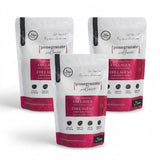
For readers who use collagen regularly, the Halal Bovine Collagen Peptides Powder 16oz (454g) Value Upgrade Pouch and the Halal Bovine Collagen Peptides Powder Family Value Pack - 3 x 16oz (454g) Pouches offer larger quantities. The Halal Grass-Fed Bovine Collagen Powder Twin Pack - 2 x 16oz (454g) and the Halal Grass-Fed Bovine Collagen Peptides Powder Duo - 2 x 10oz (284g) are other sizes in the range. The collagen will not set a dessert, so it belongs in a different category from the gelling agents above.
Choosing Your Halal Gelatin Alternative for Your Next Recipe
This section gives you a use-case matrix and a verification checklist so you can pick with confidence.
Match the alternative to the recipe. Alternatives do not behave identically, so start with what you are making:
| Recipe | Best first choice | Why | Watch out for |
|---|---|---|---|
| Gummies and jelly candies | Gelatin-style set is hard to match; agar-agar for a firm, sliceable chew | Agar holds shape and slices cleanly | Agar gives a brittle, not chewy, bite; test small batches |
| Marshmallows | Fish gelatin (if verified halal) or a dedicated halal gelatin | Needs elasticity and aeration that plant gels struggle to provide | Plant gels will not whip the same way |
| Jams and fruit spreads | Pectin | Sets with fruit's natural acid and sugar | Needs enough acid and sugar to gel |
| Panna cotta and milk puddings | Carrageenan or agar-agar | Carrageenan gives a smooth, creamy set; agar gives a firmer one | Carrageenan can be combined with other ingredients in commercial blends |
| Neutral-flavored jellies | Agar-agar | Sets firmly without added flavor | Must be boiled to activate |
| Savory aspics and terrines | Agar-agar or verified fish gelatin | Holds shape; fish gelatin suits seafood | Check fish species and processing for halal status |
Verify halal status, do not assume it. A plant-derived ingredient is not automatically compliant, and an animal-derived one is not automatically non-compliant. Work through these checks:
- Look for recognized halal certification on the package, not just the word "halal" in marketing copy. Certification bodies audit sourcing and processing; a claim alone does not.
- Check the full ingredient list for processing aids. Gelling agents are sometimes blended with animal-derived carriers, anti-caking agents, or flavorings that are not obvious from the product name.
- Ask about cross-contamination. A plant-based powder processed on shared equipment with animal gelatin may not meet your standard. When in doubt, contact the manufacturer.
- For animal-derived options such as fish gelatin or bovine collagen, confirm the species and the slaughter method. Zabiha (hand-slaughtered) certification is the clearest signal for many shoppers.
- Keep documentation. Save the certification reference or a manufacturer statement so you can re-check if a formulation changes.
Factor in diet and allergens. Agar-agar, pectin, and carrageenan are plant-derived and suitable for vegan and vegetarian diets. Pectin is generally well tolerated; some people monitor carrageenan intake. Always read labels for added allergens if you are cooking for others.
Set realistic expectations. No plant alternative reproduces gelatin exactly. Agar is firmer and more brittle; pectin is softer and more spreadable; carrageenan is smoother and creamier. Decide which texture matters most for your dish, then choose accordingly.
Key Takeaway
Pick by recipe first, verify certification second, and test a small batch third. That order prevents most disappointing results.
If you want collagen rather than a gelling agent. Hydrolysed collagen peptides dissolve fully and do not set, so they are not a substitute for gelatin in desserts. For a daily protein source with a clear halal origin, look for an unflavored, odorless, Halal-certified (Zabiha) bovine collagen powder that dissolves instantly in hot or cold drinks without changing the taste, a separate product category from the gelling agents above. Compare the best halal collagen supplements in Canada to see which options are available.
Frequently Asked Questions
What are some halal alternatives to gelatin?
The most common halal alternatives to gelatin are agar-agar, pectin, and carrageenan, which are all plant or seaweed derived. Agar-agar comes from red seaweed and sets firmly, pectin comes from fruit and works best in fruit-based desserts, and carrageenan comes from red seaweed and suits dairy-based puddings. Fish gelatin is sometimes offered as an option, but its halal status depends on the fish and the processing, so check certification before buying.
What type of gelatine is halal?
Gelatine is halal only when it comes from an animal slaughtered according to Islamic rules, typically hand-slaughtered in the Zabiha method, and carries a halal certification. Gelatine from pork or from animals not slaughtered this way is not halal. Because labels can be unclear, look for a visible halal certification mark rather than relying on the word gelatine alone.
Is agar-agar a halal alternative to gelatin?
Yes. Agar-agar is derived from red seaweed, so it is plant-based and suitable for Muslim diets. It sets more firmly than gelatin and needs to be boiled to activate, so the method differs. Many people use it in jellies, puddings, and desserts.
Can pectin replace gelatin in desserts?
Pectin can replace gelatin in fruit-based desserts such as jams, fruit gels, and glazes because it sets with sugar and acid. It does not set well in dairy-based desserts, where carrageenan or agar-agar usually performs better. Pectin is naturally halal as it comes from fruit, so it suits Muslim households looking for a gelatin substitute without animal ingredients.