Cart
0

Last Updated: October 26, 2026
Quick Summary
Collagen peptide health benefits for women center on gradual, subtle improvements in skin hydration and elasticity, plus reduced joint pain and better function over weeks. Evidence is strongest for joints and skin hydration, while texture, discolouration, hair, and gut claims remain plausible but unproven. Take one product daily for weeks to months before judging results.
- Hydrolyzed collagen is broken into low-molecular-weight peptides that are absorbed into the bloodstream.
- Joint pain and mobility findings are among the more consistent in the collagen literature.
- Quitting after ten days is usually too early to expect joint relief.
- Count collagen toward daily protein but do not make it your only protein source.
- Start with a smaller serving for the first week if your digestion is sensitive.
Table of Contents
- What Collagen Peptides Are and How They Work in the Body
- Collagen Peptides Benefits for Skin: Hydration, Elasticity, and Wrinkles
- Collagen Peptides for Joint Health: Cartilage, Pain, and Mobility
- Bone Strength, Muscle Support, and Benefits Beyond Beauty
- How Long Does Collagen Take to Work?
- Collagen Supplement Safety and Side Effects
- Choosing a Halal-Certified Collagen Supplement
- Adding Halal Collagen to Your Daily Routine
- Frequently Asked Questions
What Collagen Peptides Are and How They Work in the Body
Collagen peptides are short amino acid chains made when full collagen is broken down through hydrolysis; the smaller fragments are absorbed into the bloodstream rather than digested like ordinary protein. This guide covers collagen peptides and how to judge a supplement before buying.
Hydrolyzed Peptides and Bioavailability
Hydrolyzed collagen is collagen that has been enzymatically broken into low-molecular-weight peptides, typically a few thousand daltons or less. The word "hydrolyzed" simply means water has been used to split the protein apart.
Collagen Peptides Benefits for Skin: Hydration, Elasticity, and Wrinkles
Texture and discolouration get less reliable support. Some trials note improvements in skin texture and a reduction in the appearance of facial skin discolouration, but the evidence base there is thinner, the outcome measures vary between labs, and the results are harder to generalize across skin types and ages.
What Clinical Studies Actually Show
Read the methods before the headline. Most collagen peptide trials are small, frequently manufacturer-funded, and use scoring that varies between labs. That doesn't make them worthless, it means the realistic expectation is "gradual, subtle improvement in skin hydration and elasticity," not "visible transformation." Hydration and elasticity have the most consistent support across multiple small trials; wrinkle appearance has moderate support; texture and discolouration have the weakest and most inconsistent support.
Why the Skin Conversation Is Different for Women
Collagen peptides are not a substitute for sun protection, sleep, or adequate protein intake. A supplement layered on poor basics does very little; layered on decent habits, it's a reasonable addition. Vitamin C matters too, as a cofactor in the body's own collagen synthesis, so a diet that supports collagen formation is part of the picture rather than an afterthought.
Key Takeaway
Expect gradual, subtle changes in hydration and elasticity over weeks to months, not a visible transformation. Grade the evidence outcome by outcome, and treat pregnancy, breastfeeding, and menopause as reasons to talk to a clinician rather than reasons to guess.
Collagen Peptides for Joint Health: Cartilage, Pain, and Mobility
For joint health, collagen peptides have their strongest practical case. Cartilage is largely collagen and has limited blood supply, which is part of why joint discomfort becomes common with age and activity.
Research focuses on three outcomes: pain during activity, stiffness, and mobility. Several trials in adults with activity-related joint discomfort report reduced pain scores and improved function over weeks. The results aren't dramatic, but they're among the more consistent findings in the collagen literature, with a favorable safety profile.
A common mistake is expecting joint relief in a week. Tissue-level change takes time, and people who quit after ten days usually quit too early. The other mistake is taking collagen while ignoring load management, strength work, and body weight, which influence joint comfort far more than any supplement.
Bone Strength, Muscle Support, and Benefits Beyond Beauty
Other areas under study include gut lining support, hair and nail durability, and wound repair. The evidence in these areas is earlier-stage, often small trials or mechanistic reasoning rather than large randomized studies. Treat claims there as plausible but unproven rather than settled, and be skeptical of any product page that presents them as established.
How Collagen Fits With Dietary Protein and Nutrient Cofactors
Collagen is a partial protein, not a complete one: count it toward total daily protein but don't make it the only source, especially for women preserving muscle and bone through midlife. Vitamin C is a cofactor in collagen synthesis, so citrus, peppers, and other vitamin C sources support the body's own production; copper and zinc play roles in cross-linking. None of this requires a complicated stack, just a diet not deficient in those nutrients.
How Long Does Collagen Take to Work?
Watch out: switching brands every few weeks makes it impossible to judge whether collagen is working for you. Pick one, take it daily, and give it a fair window. For a fuller breakdown of timelines and the factors that shift them, how long it takes for collagen to work covers the detail.
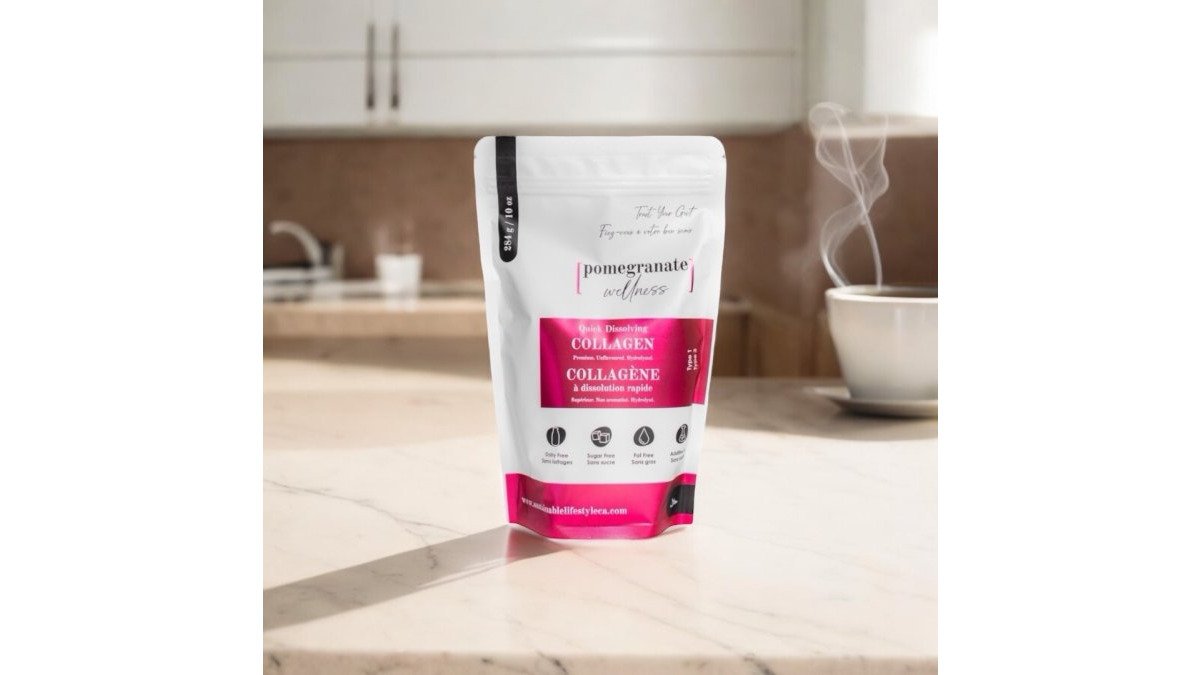
Starter Pouch : Unflavoured Halal Collagen Powder 10oz (284g) →
The article is clear that collagen is a slow, cumulative supplement, so here is what it says about timing and expectations.
| Item | Value | Note |
|---|---|---|
| Skin hydration and elasticity | Weeks to months | Most consistent support across small trials |
| Wrinkle appearance | Gradual, subtle | Moderate support |
| Skin texture and discolouration | Gradual | Weakest, most inconsistent support |
| Joint pain and function | Over weeks | Among the more consistent findings |
| Quitting too early | After ten days | Usually too early for joint relief |
| Switching brands | Every few weeks | Makes it impossible to judge results |
Collagen Supplement Safety and Side Effects
Starting with a smaller serving for the first week is a sensible approach for anyone with sensitive digestion. Taking it with food rather than on an empty stomach also helps some people.
Interactions, Contraindications, and Allergy Risks
Collagen peptides are not a treatment for any disease, and anyone managing a medical condition, taking prescription medication, pregnant, or breastfeeding should speak with a healthcare provider before adding a supplement. Collagen can also add to total protein intake, which matters for people on protein-restricted diets or with kidney conditions. For a fuller breakdown of possible reactions and who should be cautious, collagen supplement side effects goes deeper.
Choosing a Halal-Certified Collagen Supplement
The practical checklist:
If you're unsure how to verify a certificate, how to verify Halal collagen supplements walks through the questions to ask and what a legitimate certificate should show.
Adding Halal Collagen to Your Daily Routine
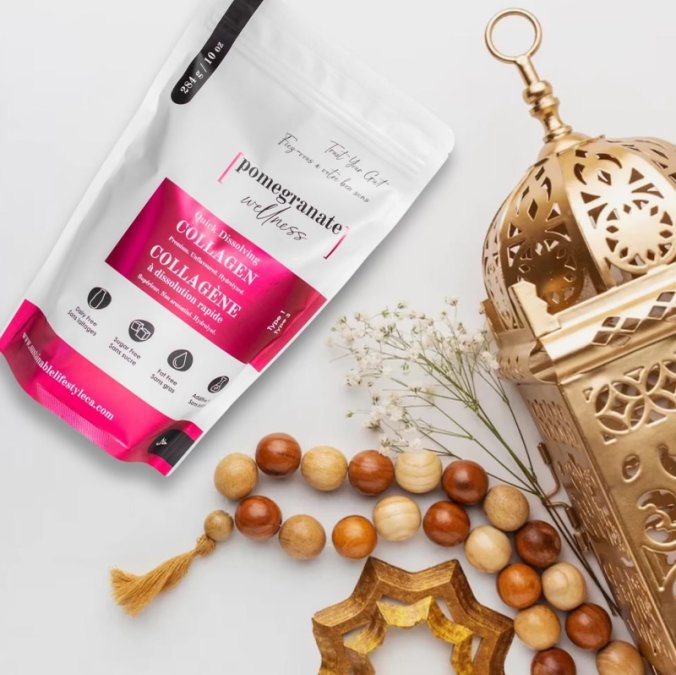
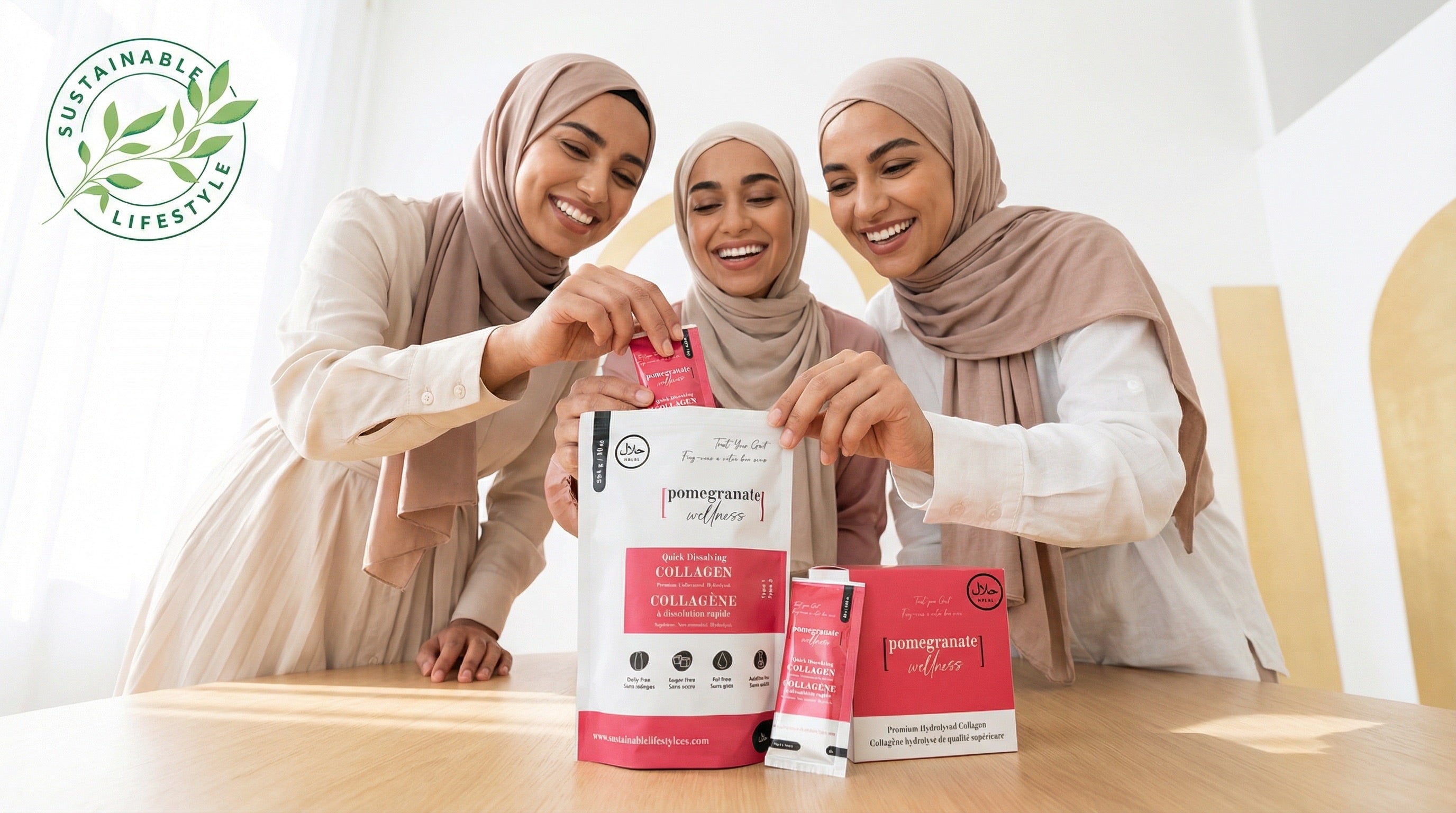
Sustainable Lifestyle's unflavored Halal-certified bovine collagen is odorless and dissolves without clumping. For practical instructions on how to take our Premium Halal Bovine Collagen each day, follow the simple serving guidance. It comes from grass-fed, pasture-raised cattle and is free from gluten, dairy, soy, sugar, and artificial preservatives. The 10oz pouch provides 28 servings; the 16oz pouch provides 45.
Frequently Asked Questions
Should women take collagen peptides?
Collagen peptides are a reasonable option for women who want to support skin hydration, joint comfort, or bone health, especially as natural collagen production declines with age. The research is promising but not definitive, so treat supplements as support rather than treatment. Women who are pregnant, breastfeeding, or managing a health condition should speak with a healthcare provider first. A daily dose of 2.5 to 15 grams appears in most clinical studies, and consistency matters more than timing.
Can collagen peptides improve skin elasticity or hydration?
Several clinical studies suggest collagen peptides can improve skin hydration and elasticity when taken daily for 8 to 12 weeks. Effects are modest, typically measured in small increases in skin moisture and firmness rather than dramatic changes. Results vary by dose, duration, and individual factors like age and sun exposure. Collagen supports the skin's structure, but it does not replace sun protection, hydration, or a balanced diet.
Do collagen peptides help with joint discomfort?
Research on collagen peptides for joint health shows moderate support for reduced discomfort and improved mobility, particularly in adults with activity-related joint pain. Studies often use 8 to 12 grams daily for several months. Collagen provides amino acids that support cartilage structure, but it is not a painkiller and does not reverse joint damage. Pairing supplementation with movement, strength training, and medical care gives the best results.
How long does it take to notice results from collagen peptides?
Most studies report noticeable changes after 8 to 12 weeks of daily use, with skin hydration and elasticity often showing the earliest improvements. Joint comfort may take longer, sometimes 3 to 6 months. Hair and nail changes are slower because growth cycles are longer. Consistency is key: missing days or taking irregular doses makes it harder to judge whether collagen is working for you.
Can you take collagen peptides with prescription medication?
Collagen peptides are generally considered safe alongside most medications, but interactions are possible. Collagen can affect blood sugar and may interact with diabetes medications, and it can influence calcium absorption. If you take prescription drugs, especially for diabetes, blood pressure, or blood clotting, speak with your pharmacist or doctor before starting. Always disclose all supplements during medical appointments.
What should I look for in a Halal-certified collagen supplement?
Sustainable Lifestyle's collagen is Halal-certified bovine collagen powder. It is unflavoured and odourless, and the product listing says it dissolves quickly without clumping in water, coffee, tea, smoothies, soups, or baking recipes. The listing states that it is free from gluten, dairy, soy, sugar, and artificial preservatives. The 10oz pouch provides 28 servings, and the 16oz pouch provides 45 servings.
Are there any side effects of collagen supplements?
Collagen is generally well tolerated. Some people experience mild digestive upset, bloating, or a feeling of fullness, especially at higher doses. Allergies to bovine collagen are rare but possible. Start with a smaller dose and increase gradually. If you have a history of kidney stones or take calcium supplements, speak with a healthcare provider, as collagen contains amino acids that can affect oxalate levels.