Cart
0
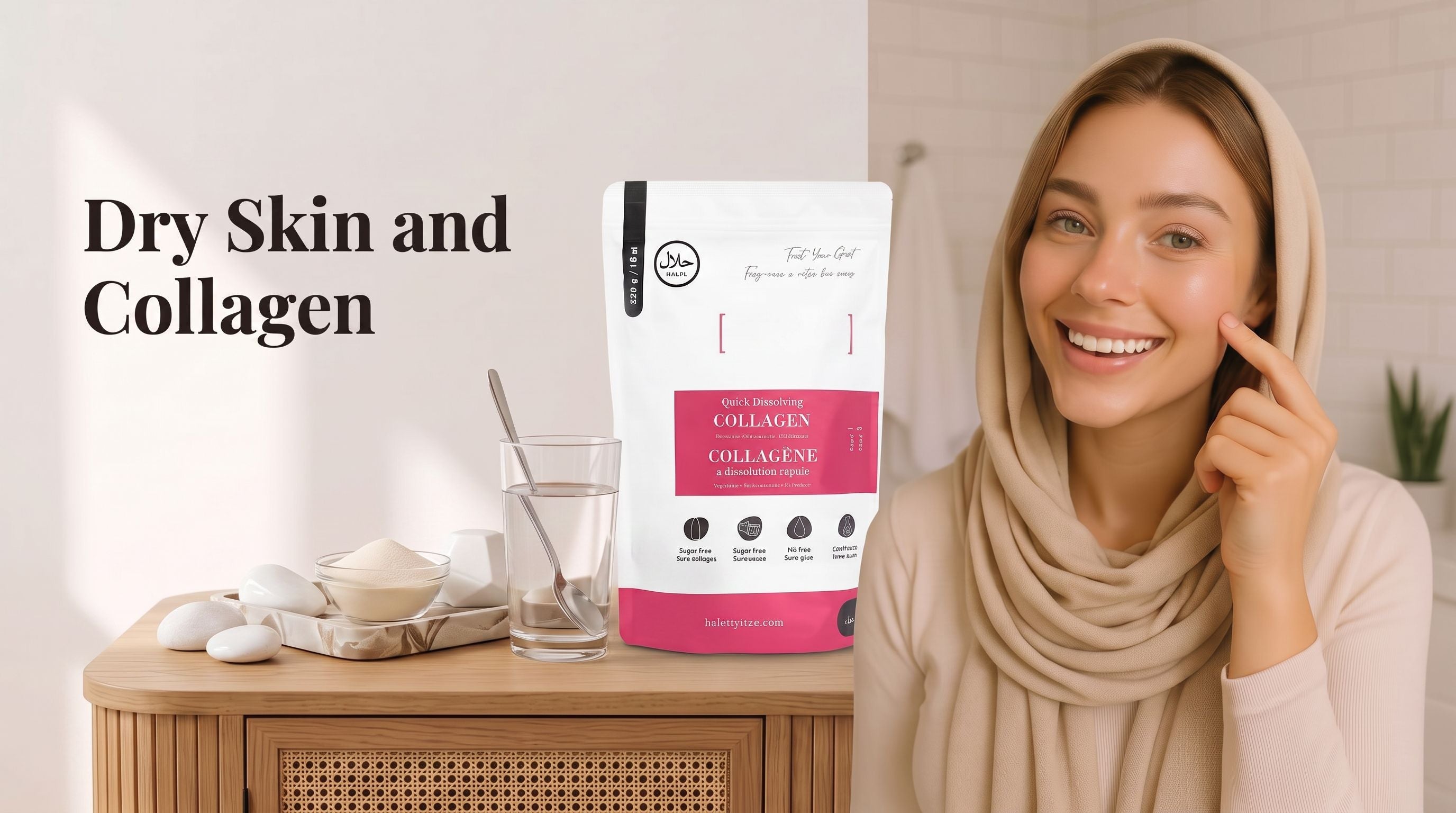
Dry skin has a way of showing up everywhere at once - tight cheeks after washing, makeup that sits unevenly, fine lines that suddenly look deeper, and that dull look no moisturizer seems to fix for long. If you have been looking into collagen for dry skin, the real question is not whether collagen is trendy. It is whether it can support skin hydration in a way that actually lasts.
The short answer is yes, collagen may help dry skin, but not in the instant, overnight way some beauty marketing suggests. It works from the inside by supporting the skin’s structure, and that means results depend on consistency, overall diet, age, and the quality of the collagen you use.
How collagen for dry skin may help
Your skin does not just need surface moisture. It also needs a healthy support system underneath. Collagen is one of the key proteins that helps maintain skin strength, elasticity, and overall resilience. As natural collagen production declines with age, skin often becomes thinner, less firm, and more prone to dryness.
That is why collagen for dry skin gets so much attention. Hydrolyzed collagen peptides are broken down into smaller pieces that are easier for the body to absorb. Once consumed, those peptides provide amino acids that support your body’s natural collagen-building processes. Some research suggests this can improve skin hydration and elasticity over time.
The important distinction is that collagen is not the same as a face cream. A cream helps seal water into the outer layer of the skin. Collagen supplementation works more gradually, supporting skin health from within. For many people, the best approach is both - topical hydration on the outside and daily nutritional support on the inside.
Why dry skin happens in the first place
Dry skin is not always caused by one single issue. Sometimes it is environmental, especially in colder climates or dry indoor heat. Sometimes it is tied to age, hormonal changes, low water intake, harsh cleansers, or simply a weakened skin barrier.
This matters because collagen can help in some of these situations more than others. If your skin is dry because your cleanser is stripping it, collagen alone will not solve that. If your skin has gradually become less supple and more dehydrated over time, collagen may be more useful as part of your daily routine.
That is where realistic expectations matter. A supplement can support healthier-looking skin, but it works best when the rest of your habits are not working against you.
What the research really says
Studies on oral collagen have shown promising results for skin hydration, elasticity, and roughness. In many cases, participants who took collagen peptides daily for several weeks saw measurable improvements compared to placebo groups.
Still, this is not a miracle category. Results vary. Some people notice softer, more comfortable skin within a month, while others need closer to eight to twelve weeks. And if a product is low quality, underdosed, or filled with unnecessary additives, the experience may not match the promise.
The more helpful way to think about collagen is as daily support, not emergency repair. If your goal is healthier skin over time, that is where it tends to fit best.
What type of collagen is best for dry skin?
Most collagen supplements for skin focus on Types I and III, which are commonly found in bovine collagen. These are the types most associated with skin, hair, nails, and connective tissue support. For someone choosing collagen for dry skin, a grass-fed bovine collagen peptide powder is often a practical choice because it is versatile, easy to mix, and designed for daily use.
What matters just as much as collagen type is product quality. A clean-label formula without sugar, dairy, gluten, or filler ingredients is often a better fit for people who want a simple daily supplement rather than a sweetened beauty drink. If halal compliance matters to you, certification is not a small detail. It is the difference between guessing and knowing your product aligns with your values.
For Muslim consumers, this is where the collagen market often falls short. Many mainstream products talk about purity but say very little about halal sourcing or certification. That can make shopping frustrating, especially when you want a product for skin support that also meets your dietary and religious standards.
How long does collagen take to help dry skin?
Most people should give collagen at least 8 to 12 weeks before judging the results. That may feel slow if your skin is uncomfortable now, but it matches how collagen works. You are not coating the skin. You are giving the body consistent nutritional building blocks over time.
Daily use matters more than taking a large amount once in a while. A collagen powder or sachet that fits easily into coffee, tea, smoothies, or plain water is usually the one you are more likely to stick with. Convenience sounds minor, but in supplements, consistency is what drives results.
If your routine is irregular, it is much harder to tell whether collagen is helping at all.
What to look for in a collagen supplement
If your goal is skin support, keep the checklist simple. Choose hydrolyzed collagen peptides from a clearly identified source. Look for a product that is free from fillers and unnecessary additives. If you care about halal compliance, do not settle for vague sourcing language. Look for actual certification and clear brand transparency.
It is also worth paying attention to serving value. Some products look affordable until you calculate the cost per serving or realize the container runs out quickly. If collagen is something you plan to take daily for dry skin, the better question is whether the product is realistic to maintain for months, not just for one week.
This is one reason many shoppers prefer unflavored collagen. It gives you more flexibility. You can stir it into hot or cold drinks without building your whole routine around a single taste or sugary formula.
When collagen may not be enough on its own
Collagen can support dry skin, but it is not a replacement for basic skin care or nutrition. If you are dehydrated, sleeping poorly, skimping on healthy fats, or using irritating products, those factors can keep your skin looking dry even if you are taking collagen daily.
There is also a difference between dry skin and medically significant skin conditions. If you have severe flaking, cracking, or persistent irritation, it may be worth speaking with a healthcare professional. Supplements can be useful, but they are not a substitute for proper diagnosis.
A more honest view is this: collagen helps best when it is part of a solid routine. Gentle cleansing, a barrier-supporting moisturizer, enough fluids, and steady collagen intake tend to work better together than any one step on its own.
Is collagen for dry skin worth it?
For many adults, yes. Especially if your skin has become drier with age, feels less resilient than it used to, or you want a beauty-from-within routine that supports more than just surface moisture. Collagen is also appealing because the benefits are not limited to skin. Many people choose it for hair, nails, joints, and overall daily nutritional support.
That said, the value depends on the product you choose. A collagen supplement should feel easy to trust. Clean ingredients, clear sourcing, and halal certification can make a major difference in whether you feel confident using it every day. For Muslim shoppers who are tired of reading labels and still feeling unsure, that peace of mind matters.
Brands like Sustainable Lifestyle have built their collagen around exactly that concern - clean, halal-certified bovine collagen that supports skin and hair goals without fillers, sugar, dairy, or gluten. That kind of clarity makes it easier to focus on results instead of second-guessing the label.
A smart way to set expectations
If you start taking collagen for dry skin, think in terms of months, not days. Notice whether your skin feels less tight, whether it looks smoother, and whether your usual dryness becomes easier to manage. Those smaller shifts are often the first signs that your routine is moving in the right direction.
Dry skin can be stubborn, but it is not always asking for a dramatic fix. Sometimes it responds best to steady support, clean ingredients, and a routine you can actually keep. That is where collagen tends to earn its place.