Cart
0
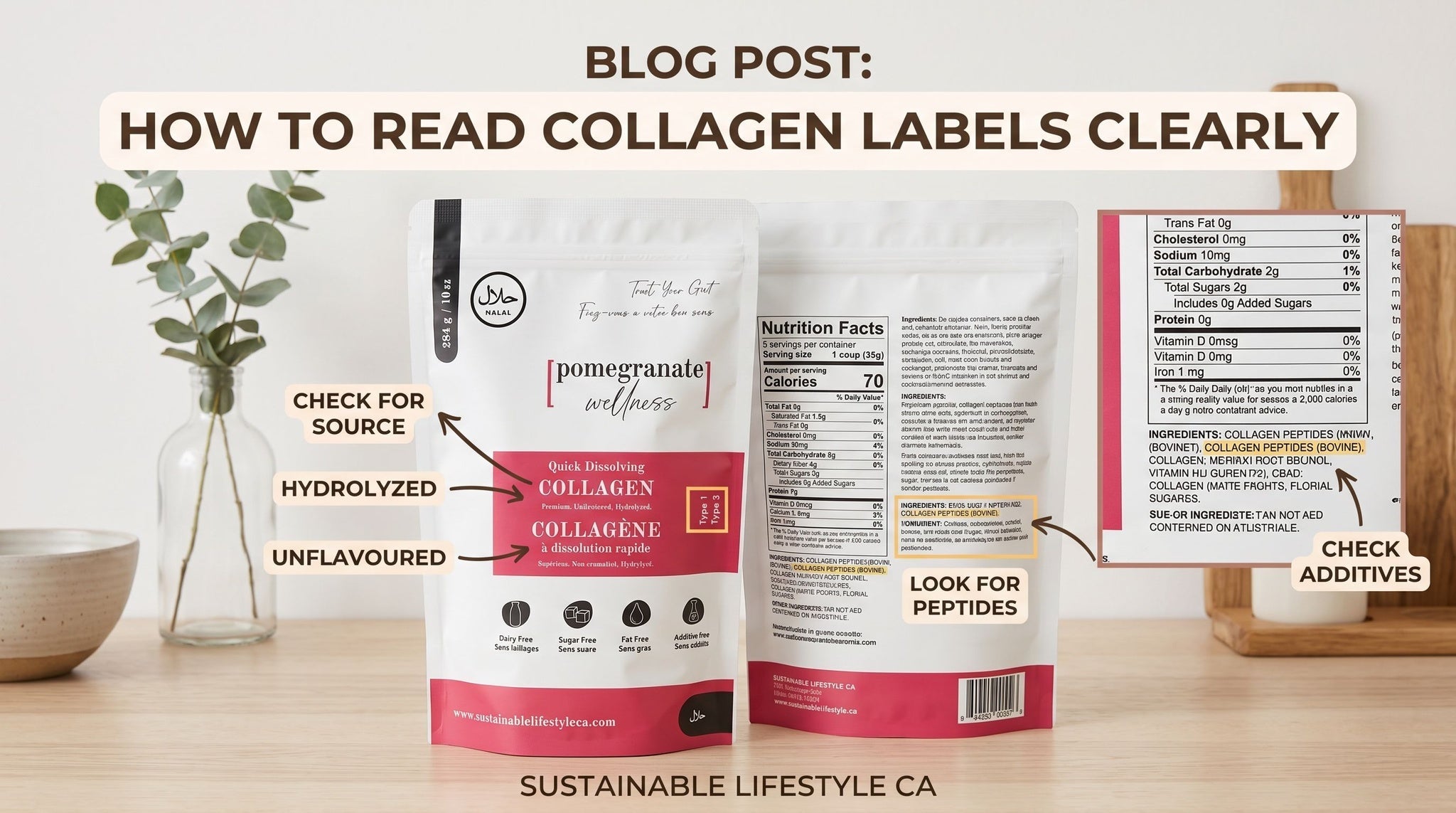
Most collagen tubs look clean from the front. The real story is on the back. If you have ever picked up a collagen powder and wondered whether it is actually halal, truly clean, or worth the price, learning how to read collagen labels can save you money and help you avoid products that do not match your health goals or your values.
For many Muslim shoppers, this is not just about protein grams. It is about certainty. You want to know where the collagen comes from, whether the formula includes unnecessary extras, and whether the brand is being direct or hiding behind vague marketing. A good label gives you confidence. A weak one leaves too many questions.
How to read collagen labels without guessing
Start with the collagen source. This is one of the biggest filters because not all collagen is the same, and not all sources fit every lifestyle or religious requirement. If the label says bovine collagen, that tells you it comes from cattle. If it says marine collagen, it comes from fish. If it says porcine collagen, that means pork, which is not halal. If the source is missing or buried in tiny print, that is already a reason to be cautious.
For Muslim consumers, the next question is simple: is the bovine collagen halal certified, or is it just bovine? Those are not the same thing. A label may say grass-fed bovine collagen and still say nothing about halal compliance. Grass-fed speaks to sourcing quality. Halal certification speaks to religious suitability. You need both pieces of information if faith alignment matters to you.
Then look at the ingredient panel, not just the marketing claims on the front. Many collagen products position themselves as simple, but the ingredient list tells the truth. Ideally, an unflavored collagen powder should be very short. In many cases, one ingredient is best: hydrolyzed bovine collagen peptides. That signals a cleaner formula with fewer chances of added sugar, fillers, gums, artificial flavors, or preservatives.
If you see a long list of ingredients, slow down. That does not always mean the product is bad, but it does mean you should ask why all those extras are there. Some brands add sweeteners to improve taste. Others add vitamins, biotin, flavor systems, or anti-caking agents to make the product more marketable. That can work for some people, but if your priority is purity and flexibility, simpler is usually better.
The serving size matters more than the headline
A lot of collagen labels advertise a bold number on the front, but the serving size is where that claim gets tested. A product may say high protein or collagen support, but if the serving only gives a small amount of collagen, the benefit may not match the promise.
Look for the amount of collagen per serving in grams. This is often 5 g, 10 g, or more. The right amount depends on your routine and your goals. Someone using collagen daily for hair, skin, nails, and general nutritional support may prefer a product that gives a meaningful dose without requiring multiple scoops. If the serving is tiny and the container looks large, you may be paying for packaging more than product.
Also check how many servings are in the container. This helps you understand the true value. A tub that looks affordable at first can become expensive if it only lasts a couple of weeks. That is why price per serving often tells you more than shelf price alone.
Watch for labels that sound clean but stay vague
Some words are helpful. Others are mostly there to sound premium. Clean, natural, wellness blend, or beauty support can all appear on a label without telling you much. What matters is whether the brand backs those claims up with specifics.
For example, grass-fed is meaningful when it clearly describes the source. GMO-free is helpful for shoppers who prioritize that standard. Gluten-free and dairy-free matter if you want better dietary compatibility. Third-party tested adds confidence if the brand is transparent about quality control.
But if a product makes broad promises and avoids clear details, that is a problem. A trustworthy collagen label should tell you what the collagen is, where it comes from, and whether there are any added ingredients. It should not make you work hard to understand what you are buying.
How to read collagen labels for halal confidence
This part deserves extra attention because many collagen shoppers assume bovine means halal. It does not. The source animal matters, but so does the way the collagen is processed and certified.
Look for halal certification stated clearly on the packaging or product details. If there is no certification and no direct statement, you are being asked to fill in the blanks yourself. For Muslim families trying to build a daily wellness routine with confidence, that uncertainty is not worth it.
A halal-certified product gives stronger reassurance because it signals that religious compliance has been formally verified rather than casually implied. That matters even more in categories like collagen, where many mainstream brands are not built around halal needs from the start.
This is one area where brand identity can also matter. A Muslim-owned wellness company often understands the difference between being technically acceptable and being clearly trustworthy. That does not replace certification, but it can reflect a deeper commitment to serving the community with integrity.
Added ingredients can change the whole product
A basic collagen powder and a flavored collagen supplement may sit in the same category, but they are not the same purchase. If your goal is a clean product you can mix into coffee, tea, smoothies, or water, unflavored collagen with no additives gives you more freedom.
When labels include sweeteners, creamers, sugars, flavors, or trendy beauty ingredients, ask whether those additions actually help you. Some people like the convenience of an all-in-one formula. Others would rather keep their supplement routine simple and avoid unnecessary ingredients.
This is especially important if you have dietary restrictions. A collagen label should make it easy to confirm whether the product is free from dairy, gluten, and added sugar. If that information is hard to find, the brand may not be prioritizing transparency.
Pay attention to type, form, and mixability claims
Many collagen products mention types I and III, and sometimes type II. For most daily beauty and wellness routines, bovine collagen peptides commonly provide types I and III, which are often associated with skin, hair, nails, and connective tissue support. Marine collagen is also often promoted for beauty-focused use. The best option depends on your dietary preferences, budget, and whether halal status is clearly addressed.
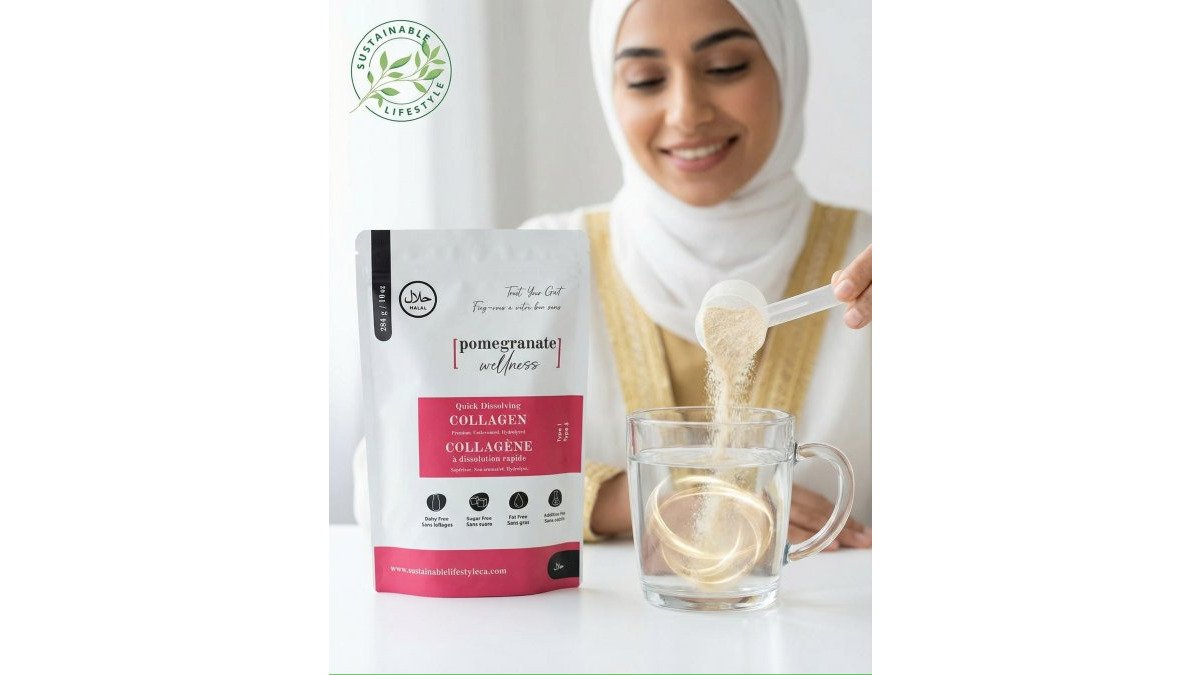
You may also see the phrase hydrolyzed collagen peptides. This usually means the collagen has been broken down into smaller peptides for easier mixing and use. For many shoppers, that is a practical advantage because it blends better into hot or cold drinks and fits more easily into a daily routine.
Still, mixability claims should not distract from the basics. A product can stir well and still fall short on purity, sourcing, or certification. Convenience matters, but clarity comes first.
Don’t ignore what the label leaves out
Sometimes the biggest red flag is not what is listed. It is what is missing. If a collagen product does not clearly show its source, serving amount, certification status, or full ingredients, you are being asked to trust marketing over facts.
That might be acceptable for a casual snack. It should not be acceptable for a supplement you plan to use every day. The more routine the product becomes, the more important label transparency is.
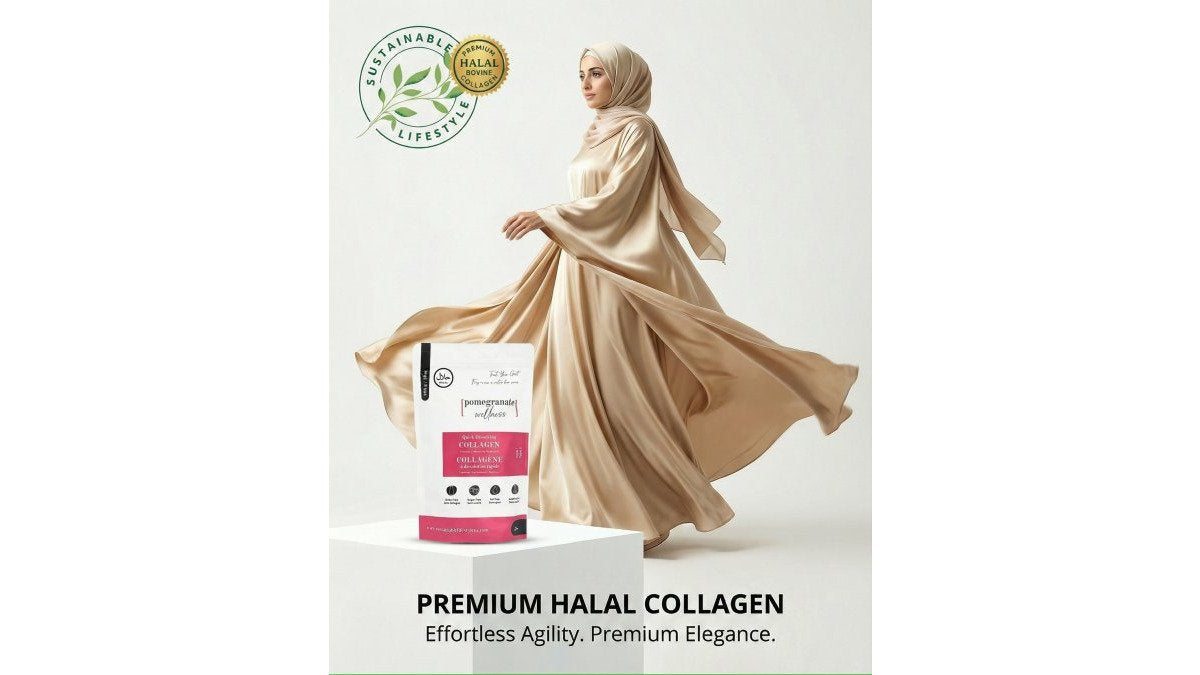
This is where a straightforward product often wins. A clean, halal-certified, grass-fed bovine collagen with no fillers, no sugar, no dairy, and no gluten is easier to evaluate because the brand is not hiding behind complexity. It is simply telling you what it is.
For shoppers comparing several options, that kind of clarity can be the deciding factor. One product may offer flashy branding and added extras. Another may give you better purity, stronger religious reassurance, and more practical value per serving. It depends on what matters most to you.
If you want a simple rule, use this: the best collagen label should answer your biggest questions in seconds. What is the source? Is it halal certified? How much collagen do you get per serving? Are there fillers or added ingredients? Does the formula fit your daily routine?
When a label answers those clearly, you are not just buying collagen. You are choosing a product with confidence, and that is exactly how a daily supplement should feel.