Cart
0
You can spot a collagen product with pretty packaging in seconds. Figuring out whether it is actually the best collagen for skin is where most people get stuck. If your goal is smoother-looking skin, better elasticity, and a simple daily routine that fits your values, the details matter more than the label on the front.
What makes the best collagen for skin?
The short answer is this: the best collagen for skin is one you will actually take every day, made from a clean source, with no unnecessary fillers, and with clear standards around quality and certification. That matters even more if you are trying to find a halal-friendly option and do not want to guess about sourcing.
A lot of collagen marketing focuses on big promises. Better skin in days. Dramatic glow. Instant firmness. Realistically, collagen works more like a daily support product than a quick fix. Consistency matters. Product quality matters. And if the formula is hard to use, overly sweet, or loaded with additives, most people stop taking it before they ever see a difference.
Type I and Type III collagen usually make the most sense
If skin is the priority, Type I collagen is usually the main one people look for because it is the most abundant collagen type in the body and closely associated with skin structure. Type III often shows up alongside it and can also support skin and connective tissue. You do not need the most complicated blend on the market. In many cases, a straightforward hydrolyzed bovine collagen peptide powder gives you exactly what you need.
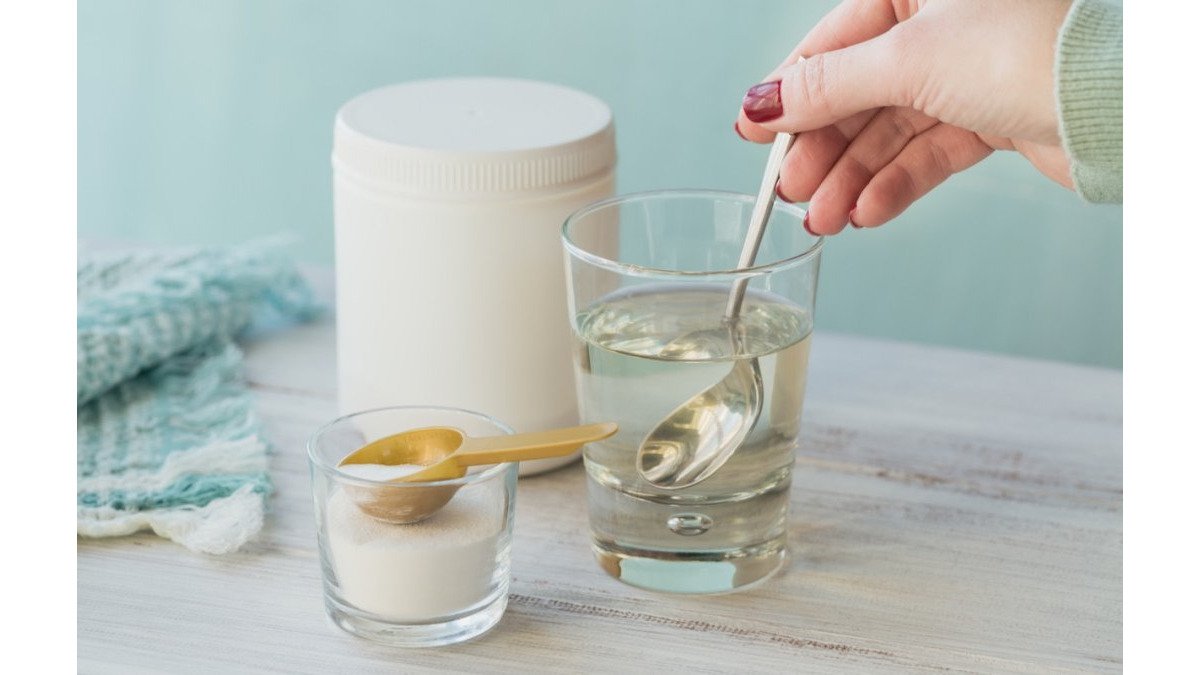
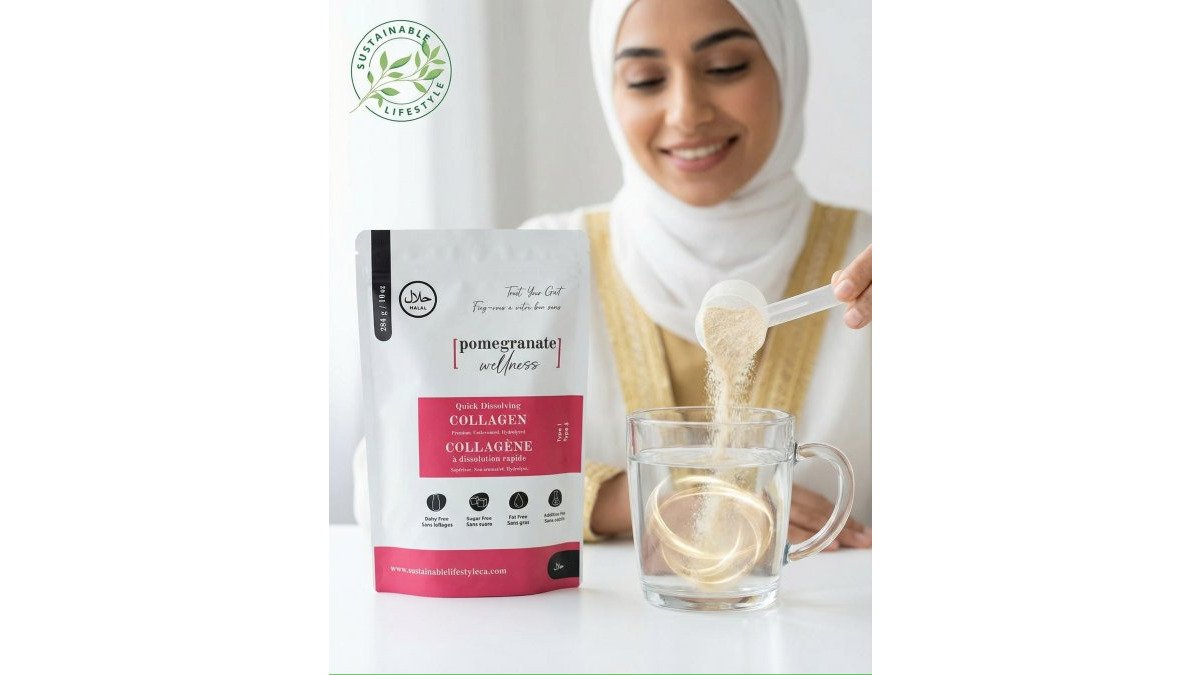
Hydrolyzed collagen means the collagen has been broken down into peptides that are easier to mix and easier to use in a daily routine. That does not make every product equal, but it does make a practical format for people who want to add collagen to coffee, tea, smoothies, or plain water without a lot of effort.
The source matters more than most people realize
When people search for the best collagen for skin, they often compare marine versus bovine first. That is a fair question, but source is not just about trend. It is about fit.
Marine collagen is often marketed heavily for beauty, but it is not automatically better for everyone. Bovine collagen is a strong choice for skin support, especially when it provides Type I and Type III collagen peptides. For many buyers, bovine collagen is also easier to use as an everyday staple because it tends to come in familiar, versatile powder formats.
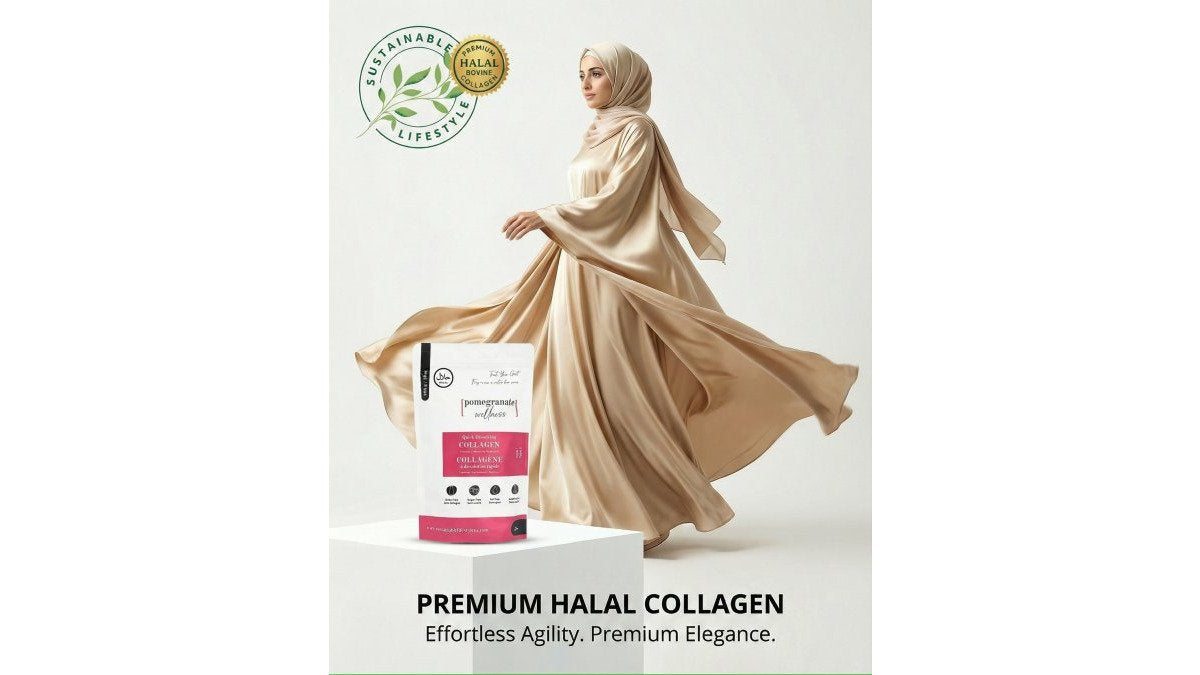
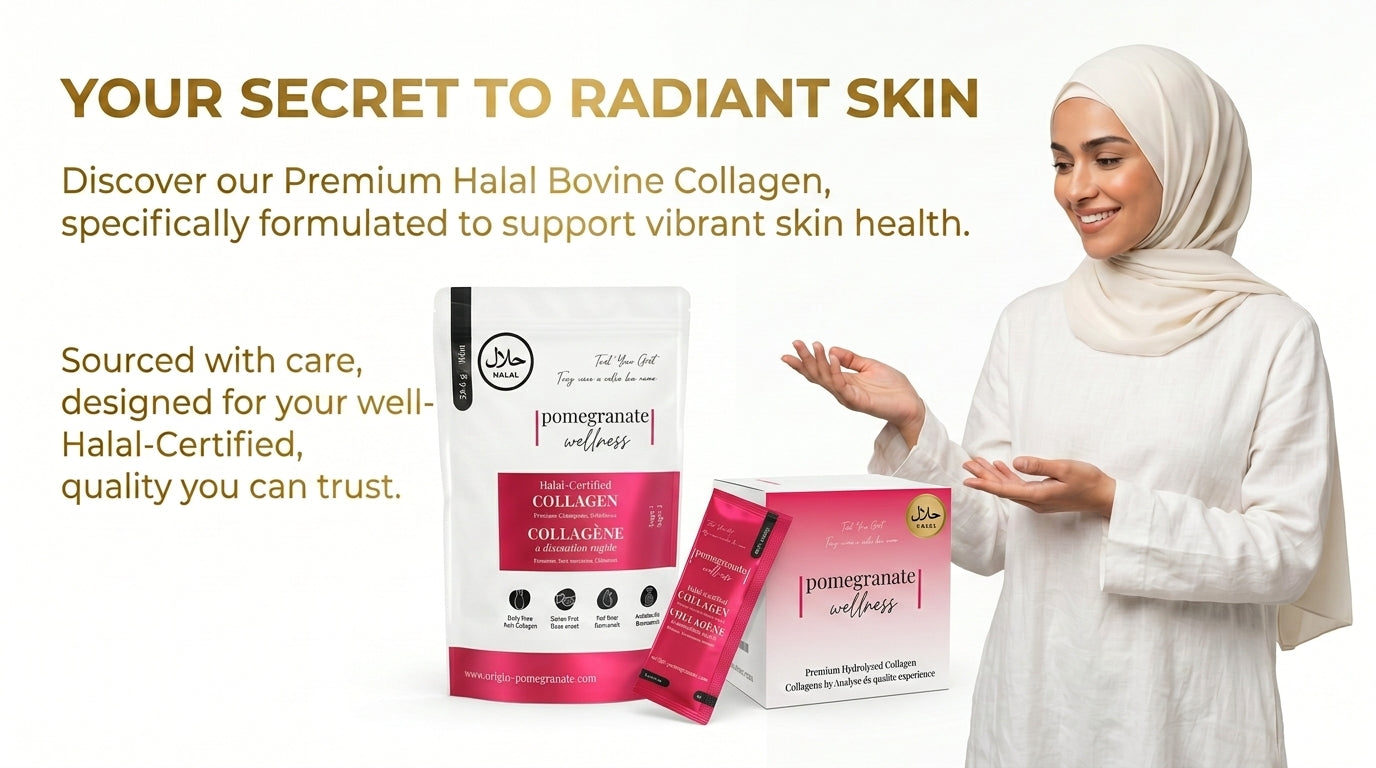
For Muslim consumers, the source matters on another level. A collagen product can look clean on the surface and still leave major questions about how it was sourced or processed. If halal compliance matters to you, then certification is not a small detail. It is part of the product itself. The best collagen for skin should support your routine without asking you to compromise on religious standards.
Halal certification should not be vague
This is where many products lose trust. Some brands use language like suitable for many lifestyles or carefully sourced, but they never clearly confirm halal certification. That may be enough for some shoppers. It is not enough for someone who wants certainty.
A halal-certified bovine collagen product gives a clearer standard. It removes the guesswork around source and processing, and that peace of mind matters. If a brand is transparent about certification, testing, and ingredients, that is usually a good sign that they take purity seriously across the board.
Clean formula beats a flashy formula
If you want collagen for skin, a long ingredient list is not always a benefit. Often, it is the opposite. Many people do best with unflavored collagen that contains collagen peptides and not much else.
That kind of formula is easier to take daily because it works with your routine instead of forcing you into a specific one. You can stir it into hot or cold drinks, keep it simple, and avoid the extra sugar, artificial flavors, dairy ingredients, or fillers that can make some wellness products feel more like a flavored mix than a supplement.
A clean-label collagen product is especially appealing if you are already paying attention to what goes into your body. Grass-fed sourcing, GMO-free standards, and third-party testing all add confidence, but they only matter when the brand is clear about them. If the label feels crowded or the claims feel slippery, that is a reason to pause.
Convenience matters because consistency matters
This part gets overlooked, but it should not. The best collagen for skin is not only about ingredients. It is also about whether the product fits real life.
A large tub or pouch works well at home if you want the best value per serving. Sachets make sense if you travel, commute, or want a no-mess option you can keep in your bag. Neither format is automatically better. It depends on how you actually live.
That is why convenience is not a minor feature. It is often the difference between taking collagen for one week and taking it long enough to notice a visible payoff.
What results should you realistically expect?
A trustworthy brand should be honest here. Collagen is not a magic powder. It is a daily support supplement. Skin changes usually happen gradually, not overnight.
Some people notice that their skin feels less dry or looks a little smoother after several weeks. Others focus on the broader beauty-from-within benefits and appreciate support for hair, nails, and everyday nutrition at the same time. Results can depend on age, diet, sleep, hydration, sun exposure, and how consistently you take the product.
That does not mean collagen is overhyped. It means realistic expectations are part of making a smart purchase. If a product is high quality and you use it consistently, collagen can be a practical addition to a skin-focused routine. It just should not be sold like a one-step replacement for the basics.
How to choose without getting overwhelmed
If you are comparing products, narrow your decision to a few non-negotiables. First, look for hydrolyzed collagen peptides from a clearly stated source. Second, check whether the formula is clean and free from unnecessary additives. Third, if halal matters to you, look for actual halal certification, not vague lifestyle wording. Fourth, think about value per serving, because a product that looks cheaper upfront is not always the better buy.
It also helps to ask whether the brand understands your needs or is simply trying to sell into a broad wellness market. That difference shows up in how clearly they talk about sourcing, dietary fit, purity, and daily use. For Muslim shoppers especially, there is real value in buying from a brand that understands why halal integrity is part of wellness, not separate from it.
One reason Sustainable Lifestyle stands out in this space is that it treats halal certification, clean formulation, and practical daily use as core product standards rather than afterthoughts. That makes the buying decision easier for customers who want confidence, not confusion.
Red flags to watch for
Some collagen products are expensive because of branding, not because of better quality. Others use flavoring systems, sweeteners, or trendy add-ins to make the label look more impressive, even though the core collagen content is not especially strong.
Be cautious with products that hide the source, skip certification details, or make exaggerated beauty claims. Also pay attention to serving size. If a product looks affordable but requires multiple scoops a day to match another brand's serving, the value may not be as good as it seems.
For skin support, simple usually wins. A clean, easy-to-mix collagen peptide powder from a trusted source is often the smarter choice than a heavily marketed beauty formula with too many moving parts.
The best collagen for skin is the one you can trust
There is no single collagen product that is perfect for every person. But there is a clear pattern behind the best choices. They are clean, easy to use, transparent about sourcing, and aligned with the customer's real priorities.
If your priority is skin, start with a hydrolyzed bovine collagen peptide that supports daily use and keeps the ingredient list simple. If your values matter too, do not treat halal certification as optional. It is a real quality filter, and it can save you from wasting money on products that never fully earn your trust.
Good skincare is not only what you put on your face. Sometimes it is the quiet habit you keep every morning, the one that fits your routine, your standards, and your life well enough to last.