Cart
0
Table of Contents
- Why Collagen Sources Matter in a Muslim Wellness Routine
- The Top 3 Collagen Sources Compared
- How to Verify Halal Collagen Certification
- Incorporating Collagen into a Daily Halal Diet
- Choosing the Right Format for Your Routine
- Frequently Asked Questions
Last Updated: October 4, 2026
Why Collagen Sources Matter in a Muslim Wellness Routine
For Muslim households, the collagen sources you choose come down to three options: bovine, marine, and plant-based alternatives. Each raises a different question about certification, absorption, and lifestyle fit.
Collagen is extracted from animal connective tissue, so the slaughter method and supply chain decide whether a product is genuinely permissible. A "halal" claim on the front of a tub does not settle the matter.
Key Takeaway
Collagen source and collagen certification are two separate checks. A product can come from a permissible animal and still fail certification if the processing chain is not documented.
The Top 3 Collagen Sources Compared
Bovine collagen suits most people who want type I and type III in one product. Marine collagen works well for pescatarian households. Plant-based alternatives are not collagen at all, and knowing what they can and cannot do saves wasted money.
| Source | Collagen Types | Best For | Key Trade-Off |
|---|---|---|---|
| Bovine | Type I and Type III | Joint support, skin, hair, gut health | Requires verified halal-certified supply chain |
| Marine | Mostly Type I | Pescatarian-friendly routines, skin hydration | Limited type III; often costs more |
| Plant-based | None (no collagen) | Vegan diets | Supports collagen synthesis, does not replace collagen |
The three sources are not interchangeable. They differ in amino acid profile, absorption, and how easily they can be verified.
Bovine Collagen: Type I and Type III from Grass-Fed Cattle
Bovine collagen is extracted from cattle hides and connective tissue and supplies both type I and type III collagen. Type I dominates skin, tendon, and bone; type III appears in blood vessels and organ tissue.
For Muslim consumers, the deciding factor is not the animal itself. Cattle are permissible to eat, so the real question is whether slaughter followed Islamic requirements and whether the processing chain stayed separate from non-compliant material.
Look for hydrolysed collagen peptides. Hydrolysis breaks the protein into smaller peptides the body absorbs more readily than intact collagen, which is why unflavoured collagen powder dissolves cleanly into hot or cold drinks without changing the taste of your coffee or tea.
Pro Tip
Check whether the certification applies to the finished product or just the raw material. Some suppliers certify the incoming collagen but not the facility where it is blended and packaged. The stronger claim covers both.
Marine Collagen: Pescatarian-Friendly and Fast Absorbing
Marine collagen comes from fish skin and scales and is predominantly type I. Its peptides tend to be smaller than bovine, which is why it is often called fast absorbing, though the practical difference in results is modest.
Fish is permissible without the ritual slaughter requirements that apply to land animals, so marine collagen sidesteps one layer of certification complexity and suits pescatarian-friendly routines.
Plant-Based Collagen Alternatives: What They Can and Cannot Do
Plant-based collagen does not exist. There is no collagen in plants, and no plant ingredient can be converted into collagen by a manufacturer.
That distinction matters. A well-formulated plant-based supplement can support collagen production, but it cannot supplement collagen directly because it does not contain any.
For vegan households, collagen itself is off the table; the useful work happens through adequate protein, vitamin C, and a diet supporting the amino acid profile your body needs.
How to Verify Halal Collagen Certification
Verification means checking three things: who issued the certificate, what it covers, and whether it is current. A halal claim on packaging is marketing; a certificate from a recognized body, traceable to a specific facility and date, is evidence.
Reading the Certification Body Behind the Logo
Certification bodies are not interchangeable, and recognition varies by region. A few names come up repeatedly in the global Halal supplement supply chain:
- JAKIM (Department of Islamic Development Malaysia), one of the most widely recognized Halal authorities internationally, and its logo is accepted in many markets outside Malaysia.
- MUI (Indonesian Ulema Council), Indonesia's Halal authority, recognized across Southeast Asia and increasingly in export markets.
- SANHA (South African National Halaal Authority), commonly cited for products exported from southern Africa.
No single body is universally accepted. Confirm the certifier is recognized by the scholars or community you follow, not just that a logo exists.
The Three-Step Verification Routine
- Identify the issuer. Look for the certifying body's name and logo, not just the word "halal." If the brand cannot name its certifier, that is your answer.
- Confirm the scope. Ask whether the certificate covers the raw collagen, the finished packaged product, or both. Facility-level certification is the stronger claim, because it accounts for shared equipment and cross-contamination risk during blending and packaging.
- Check traceability and currency. A credible supply chain can tell you the country of origin, the slaughter method, and how the material was handled from source to packaging. Look for a certificate number you can verify directly with the issuing body, and confirm the certificate has not lapsed.
Pro Tip
Certification scope is where most labels get vague. A supplier may certify the incoming raw collagen but not the facility where it is blended, flavored, or packaged. The stronger claim covers both the ingredient and the finished product.
What a Certificate Cannot Tell You
Certification confirms a process was followed at a point in time. It does not guarantee the product suits your dietary needs or replace reading the full ingredient list. Cross-contamination risk, shared production lines, and reformulations are reasons to re-check the certificate when a product changes.
Watch Out
A common mistake is trusting a halal logo with no certificate number. If the brand cannot point you to the issuing body and a verifiable reference, you have no way to confirm the claim, and the consequence lands on your plate, not theirs.
Absorption and Bioavailability: The Science Competitors Skip
Most Halal collagen content stops at compliance. The next question is whether the collagen you swallow reaches your skin, joints, and gut. Two factors matter:
- Peptide size. Hydrolysed collagen is broken into smaller peptides, which the body absorbs more readily than intact collagen. Look for "hydrolysed collagen peptides" or "collagen peptides" on the label rather than generic "collagen."
- Type matters for target. Type I is the dominant form in skin, tendon, and bone; Type III appears in blood vessels and organ tissue. Bovine collagen typically supplies both, which is why it is often chosen for a broad routine.
Vitamin C is a cofactor your body needs to synthesize collagen, so pairing a serving with citrus, berries, or bell peppers is a low-cost way to support the process.
Family Value Pack – 3 x 16oz (454g) Pouches →
Interaction With Other Supplements
Collagen is generally taken alongside other supplements without issue, but a few combinations are worth timing deliberately:
- Vitamin C, take together or within the same meal to support collagen synthesis.
- Iron and calcium, some practitioners suggest separating collagen from high-dose mineral supplements to avoid competing for absorption, though evidence is mixed.
- Protein powders, collagen is not a complete protein, so it should not replace a whey or plant protein serving if your goal is muscle repair.
If you take prescription medication or have a medical condition, check with a healthcare provider before adding collagen to your stack.
Incorporating Collagen into a Daily Halal Diet
Fitting collagen into a halal diet is about habit, not restriction. The routine works best when the powder goes into something you already consume daily.
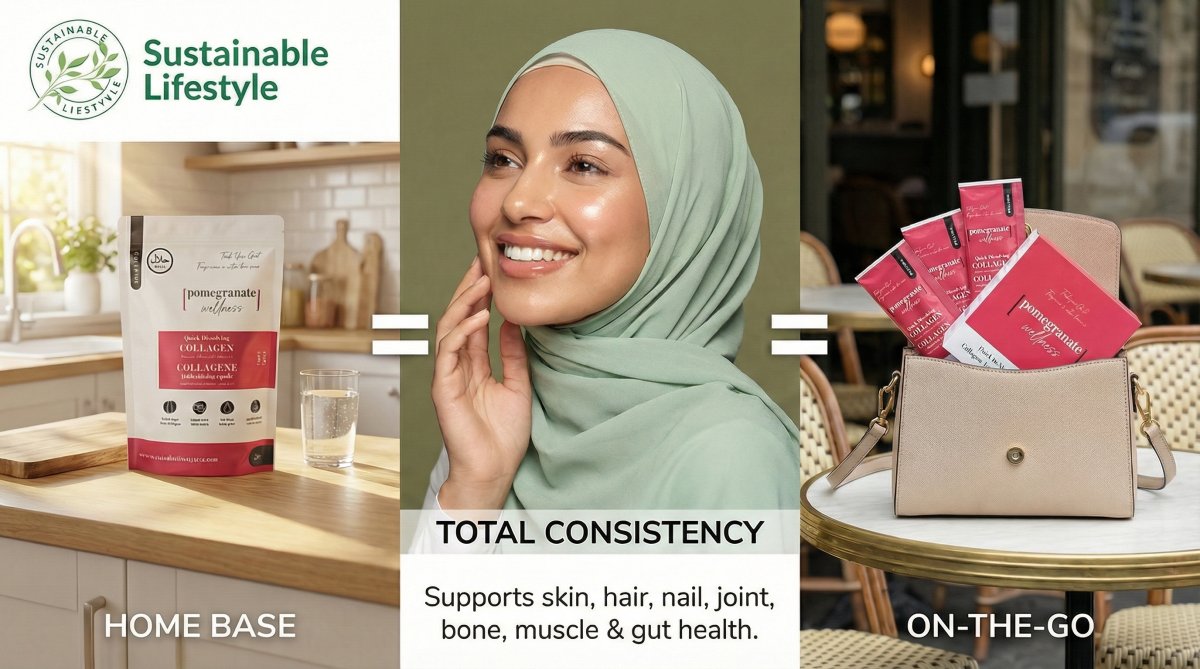
Unflavoured, odorless collagen is the easiest format.
Timing and Absorption: What Most Guides Leave Out
When you take collagen matters less than consistency, but a few practical points help:
- Pair with vitamin C. Your body needs vitamin C as a cofactor to synthesize collagen. Adding a serving to a smoothie with citrus, berries, or bell peppers, or taking it alongside a glass of orange juice, supports the process at no extra cost.
- Take with or without food. Collagen peptides are absorbed efficiently either way. Some people find an empty stomach more convenient in the morning; others prefer it with breakfast.
- Avoid stacking with high-dose minerals. If you take iron or calcium supplements, some practitioners suggest separating them from collagen by an hour or two, though evidence is mixed. This is a timing preference, not a hard rule.
A Sample Daily Routine
A workable pattern for a Muslim household looks like this:
- Fajr / early morning, stir a serving into warm water, tea, or coffee before you sit down.
- Breakfast, add it to a smoothie with fruit for a vitamin C boost, or mix it into oatmeal or yogurt.
- Midday, if you prefer a second smaller serving, blend it into a soup or stew during the last few minutes of cooking.
Plant-Based and Vegan Households
For vegan households, collagen itself is off the table because there is no collagen in plants. The useful work happens through adequate protein, vitamin C, and a diet supporting the amino acid profile your body needs to build its own collagen.
What to Look For in a Daily-Use Product
The format should disappear into your day. Unflavoured, odorless powder that dissolves cleanly in hot or cold liquids is the most flexible option, working in coffee, tea, water, smoothies, soups, and baking without changing taste or texture. Look for hydrolysed collagen peptides, clear Halal certification with a verifiable certificate number, and a label free from gluten, dairy, soy, sugar, and artificial preservatives.
Choosing the Right Format for Your Routine
Format decides whether you stick with it.
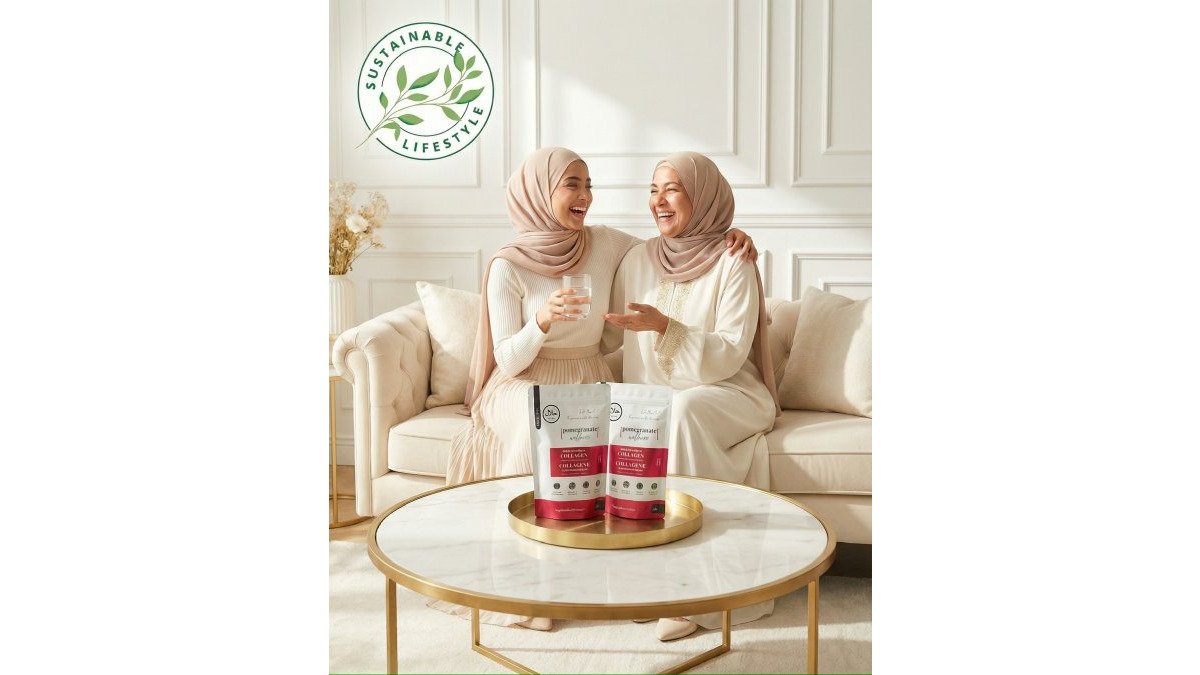
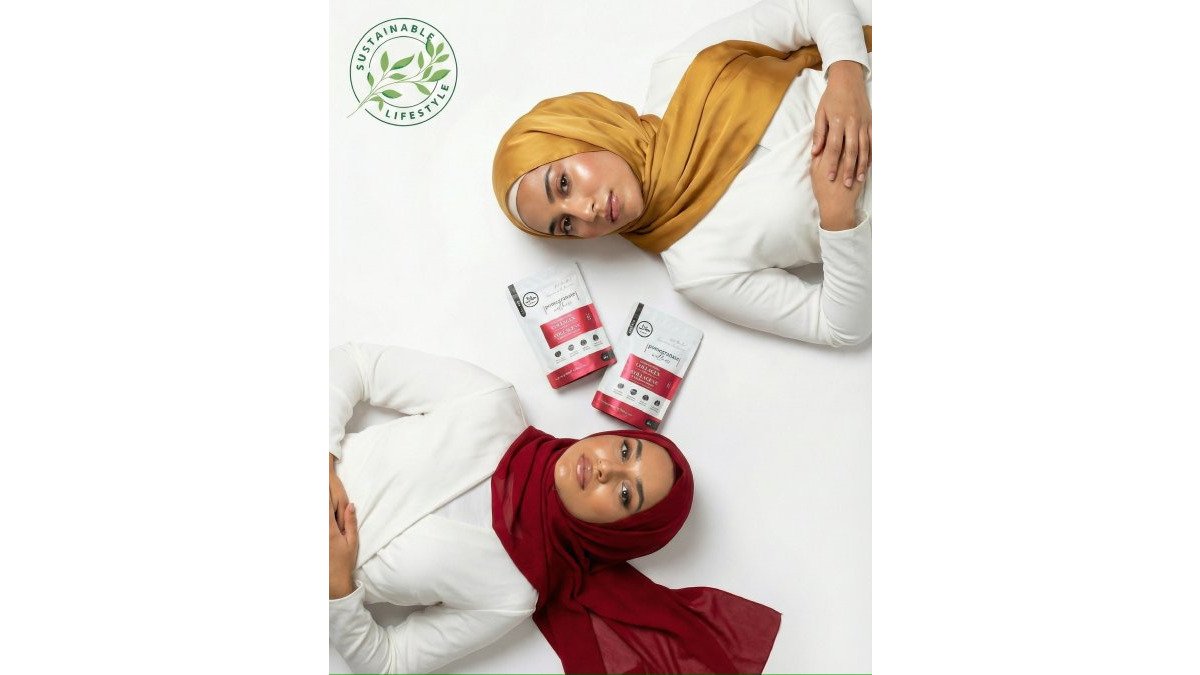
Sustainable Lifestyle makes this straightforward with a range built around the same unflavoured, odorless, Halal-certified bovine collagen powder. The Family Value Pack - 3 x 16oz (454g) Pouches provides three 16oz (454g) resealable pouches and 135 total servings, which suits families or anyone committed to a long-term daily routine. The Hybrid Lifestyle Kit - 16oz (454g) Pouch + 20x10g Sachets pairs one 16oz pouch with 20 single-serve 10g sachets for 65 servings, covering home and travel in one purchase.


All three are made from 100% grass-fed, pasture-raised cattle, are free from gluten, dairy, soy, sugar, and artificial preservatives, and are keto and Paleo friendly.
Picking a collagen source is two decisions: which type suits your body and goals, and whether you can verify the certification behind it.
Sustainable Lifestyle supplies halal-certified bovine collagen powder that is unflavoured, odorless, and dissolves instantly into any hot or cold beverage without changing the taste.
Frequently Asked Questions
Can Muslims consume collagen?
Yes, when the collagen comes from a Halal-permitted source and the processing follows Islamic requirements. Bovine collagen from cattle slaughtered according to Halal standards is widely accepted, and marine collagen from fish is generally considered Halal by most schools of thought. The key is certification: a Halal-certified bovine collagen powder gives you documented assurance that the source animal, slaughter method, and facility all meet the standard, so you are not relying on a label claim alone.
How do I verify if a collagen supplement is Halal-certified?
Start with the certificate itself. A legitimate Halal-certified product lists a recognized certifying body on the packaging or website, and that body maintains a searchable registry you can check. Look for the specific product name, not just the brand, since certification applies per item and per facility. Then confirm the source: bovine-derived collagen should state grass-fed, pasture-raised cattle, and the ingredient list should read as hydrolyzed collagen peptides with no porcine gelatin or hidden carriers.
Why is bovine collagen preferred for Halal wellness routines?
Bovine collagen delivers both type I and type III collagen, the two forms most associated with skin elasticity, hair strength, and joint support. It is also easy to source from Halal-certified supply chains, which makes traceability simpler than with mixed-origin ingredients. For Muslim households managing hair, skin, joint, and gut health goals in one daily scoop, a Halal-certified bovine collagen peptide powder covers more ground per serving than marine alone, and it blends into coffee, tea, smoothies, soups, or baking without altering taste.
Does unflavored collagen affect the taste of my beverages?
No. Unflavoured, odourless collagen powder dissolves into hot or cold drinks without changing the taste, so your morning coffee, tea, or smoothie tastes exactly as it did before. That matters in a Halal diet because you are not adding a flavour or sweetener that needs its own scrutiny. Stir one serving into whatever you already drink, and the only difference you notice is the routine, not the recipe.
What is the most effective collagen source for skin and joints?
Bovine collagen peptides are the most practical choice for both goals because they supply type I and type III collagen in one product. Hydrolysed collagen peptides are broken into smaller fragments, which supports absorption and bioavailability. Marine collagen is also effective and absorbs quickly, but it primarily provides type I. If joint support and skin hydration are both priorities, a Halal-certified bovine collagen powder taken daily is the simpler, more consistent option for a long-term wellness routine.