Cart
0
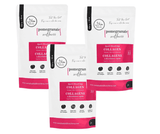
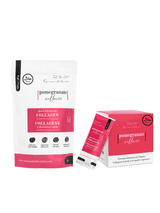
If you are looking for a grass fed collagen review, the real question is not whether collagen is trendy. It is whether the product in your kitchen is clean, halal, easy to use every day, and worth the price per serving. For many buyers, especially those trying to support hair, skin, nails, and daily protein intake, those details matter more than flashy packaging.
A lot of collagen powders look similar at first glance. They all promise beauty support, better routines, and simple mixing. But once you compare ingredient quality, halal certification, sourcing, and how transparent a brand is about what is actually inside the bag, the differences become obvious.
Grass fed collagen review: what you should judge first
The phrase grass fed gets attention for a reason. It signals a cleaner starting point and usually appeals to shoppers who want less processed, more responsibly sourced nutrition. Still, grass fed on its own is not enough.
A strong collagen product should also be free from fillers, sugar, dairy, and gluten if the goal is a clean-label routine. Unflavored formulas tend to be the most practical because they can go into coffee, tea, smoothies, or plain water without forcing you into one taste profile. If you are using collagen daily, convenience matters just as much as ingredient quality.
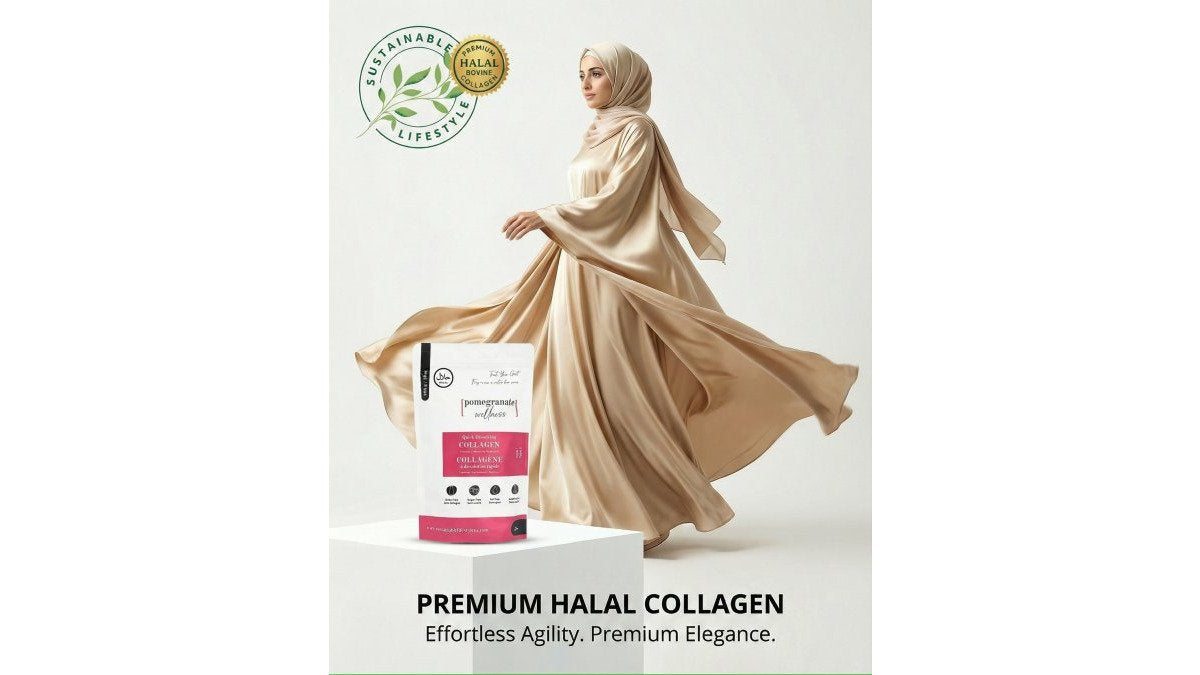
For Muslim consumers, there is one more filter that cannot be treated as optional. Halal status matters. Many collagen brands talk about purity and premium sourcing, yet leave religious compliance vague. That is a problem. Bovine collagen is only suitable if the sourcing and certification are clear. If a brand makes you search too hard for that answer, that is already useful information.
What separates a good collagen powder from a forgettable one
The best products usually get the basics right without making you work for trust. They tell you the collagen source, whether it is bovine, whether it is hydrolyzed for easier mixing, whether it is third-party tested, and whether there are any added ingredients hiding in the formula.
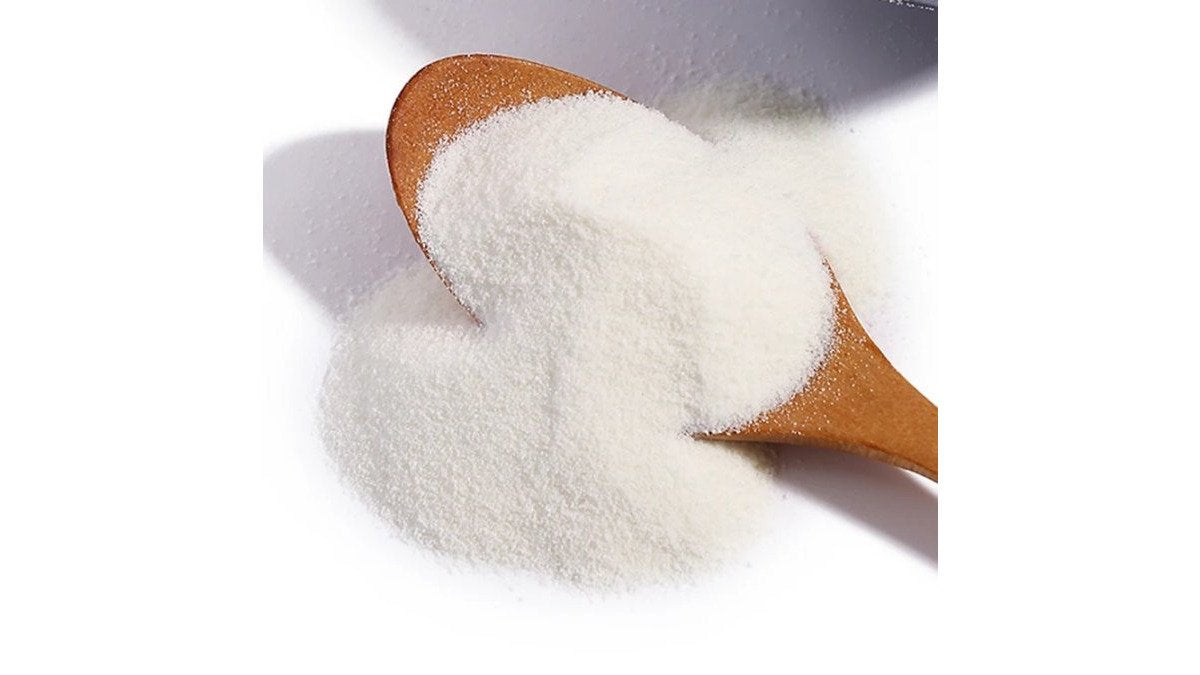
Hydrolyzed collagen peptides are generally the standard to look for because they dissolve more easily and fit into normal daily habits. That sounds small, but it affects consistency. A collagen powder can be high quality on paper and still fail if it clumps, smells too strong, or leaves a gritty texture in drinks.
Price also deserves a closer look. Some tubs seem affordable until you calculate the serving count or realize the scoop size is small compared to competitors. A proper review should always consider value per serving, not just sticker price. That is especially true for families, couples, or anyone planning to use collagen long term rather than as a short trial.
The halal question changes the review
For a general wellness customer, collagen may just be another supplement. For a halal-conscious customer, it is also a matter of confidence. That changes what a trustworthy review should cover.
A product can be grass fed and still not meet halal expectations. It can be unflavored and still not be properly certified. It can be marketed as clean and still leave too many unanswered questions about sourcing. So if you are comparing brands, halal certification is not a bonus feature. It is part of the product itself.
This is where many mainstream options fall short. Some focus heavily on beauty benefits and ingredient buzzwords but do not build their offer around Muslim buyers who want certainty, not assumptions. A Muslim-owned brand with transparent halal certification, simple ingredients, and clear product positioning often gives much stronger peace of mind than a larger brand trying to appeal to everyone at once.
Grass fed collagen review for daily use
Most people do not need a collagen powder that sounds advanced. They need one they will actually remember to take. Daily use is where the best and worst products separate fast.
An unflavored powder is usually the safest choice because it works in both hot and cold drinks. Coffee in the morning, tea in the afternoon, a smoothie after the gym, or even a simple glass bottle shaker on a busy day - flexibility makes compliance easier. Sachets can be even more useful for work, travel, or keeping your routine consistent during weekends and trips.
Hair and skin support is one of the biggest reasons people start collagen, especially women building a beauty-from-within routine. That said, expectations should stay realistic. Collagen is a daily support product, not an overnight fix. The trade-off is simple: subtle, steady support usually beats products that promise dramatic results with weak formulas or extra additives.
If your main goal is hair growth or stronger-looking skin, consistency matters more than chasing a dozen trendy ingredients. A clean bovine collagen powder that fits your routine every day is often the smarter buy than a more complicated blend you stop using after two weeks.
What to watch for when comparing brands
Some comparison points are worth taking seriously because they reveal whether a brand is built on trust or just marketing.
First, check whether the formula is truly simple. One ingredient is often ideal. The more extras added for flavor, sweetness, or texture, the more chances there are for compromises. Second, check whether the brand clearly states grass-fed sourcing and testing practices. Third, confirm whether halal certification is visible and specific.
Then look at packaging options. A single pouch may work for a first purchase, but value packs and sachets often make more sense for repeat users. This is not just a convenience issue. It affects cost, portability, and whether the product fits real life.
Finally, look at how the brand talks to customers. Brands that stand behind satisfaction guarantees, transparent claims, and clear support policies usually understand that wellness buyers need reassurance before reordering. That is especially true in collagen, where trust drives retention.
Where many collagen reviews miss the point
A lot of reviews obsess over tiny differences in texture or spend too much time repeating basic collagen benefits. That is not enough. A useful review should tell you whether the product matches your values, your routine, and your budget.
For example, a powder may mix well but still fail if it is not halal certified. Another may have decent sourcing but cost too much per serving for daily use. Another may be affordable but padded with unnecessary additives. There is no perfect option for every buyer. The right choice depends on what you refuse to compromise on.
If your priorities are halal compliance, grass-fed bovine sourcing, no fillers, no sugar, and practical daily use, then your shortlist gets much smaller very quickly. That is actually helpful. Less noise makes the decision easier.
One reason some shoppers prefer specialized brands like Sustainable Lifestyle is that the offer is built around this exact gap in the market. Instead of treating halal as an afterthought, the product is positioned around it from the start, while still competing on purity, convenience, and value.
Is grass fed collagen worth it?
In most cases, yes - if the product is genuinely clean, clearly sourced, and something you will use consistently. Grass-fed collagen tends to appeal to buyers who care about ingredient standards, but the full value only shows up when the rest of the formula holds up too.
If the collagen is halal certified, unflavored, easy to mix, and priced fairly per serving, it has a strong case for daily use. If it only offers the grass-fed label without transparency on certification, testing, or ingredient simplicity, then the premium story starts to feel thin.
The best buying decision is usually not the loudest brand. It is the one that answers your questions before you need to ask them. When a collagen product respects your health goals and your religious values at the same time, it stops being a gamble and starts becoming part of a routine you can actually trust.
Choose the product that feels clear, not confusing. That kind of confidence is worth more than a clever label.