Cart
0
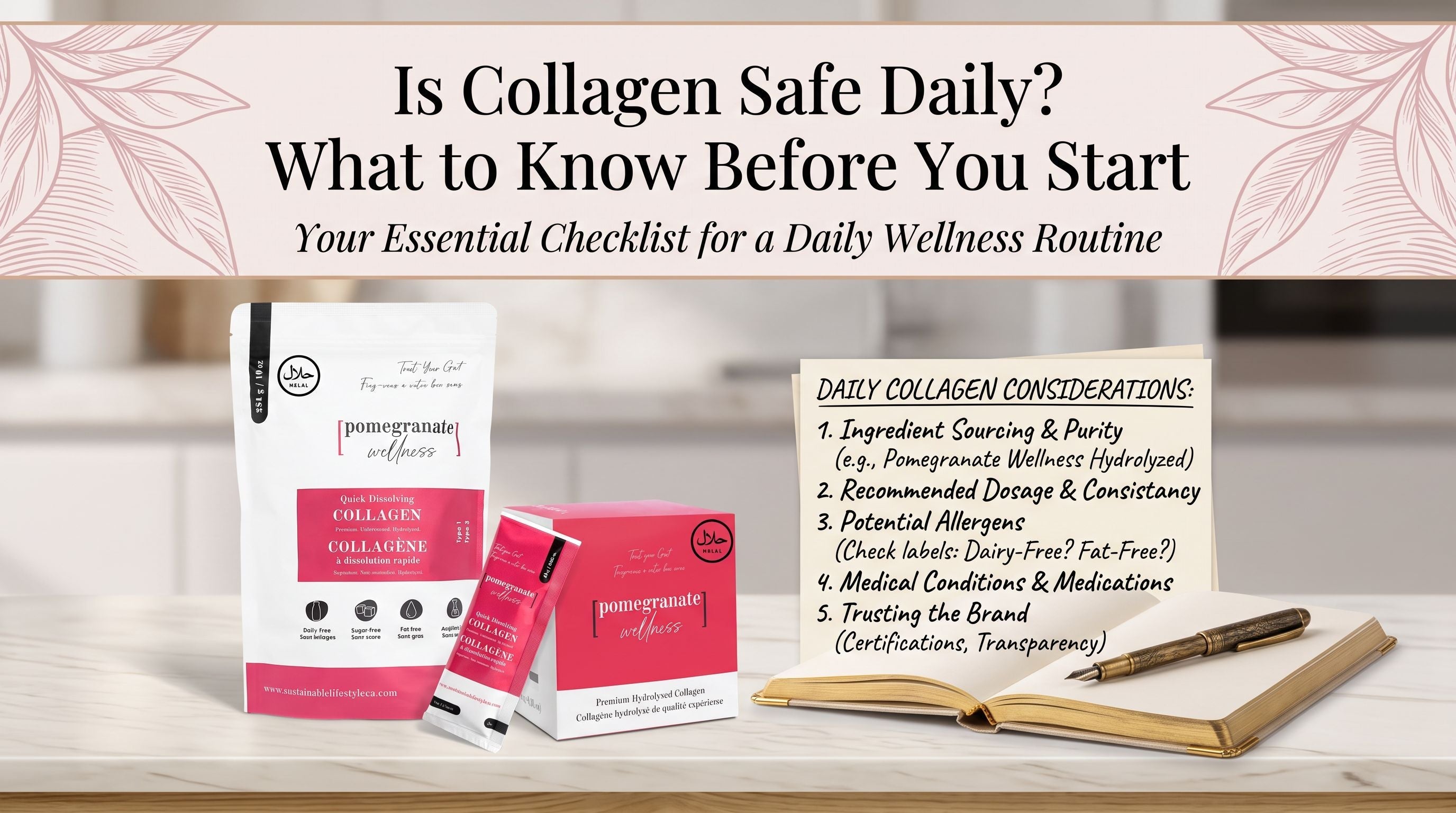
A scoop of collagen in coffee, tea, or a smoothie can be an easy part of a beauty and wellness routine. But is collagen safe daily? For most healthy adults, daily collagen is generally considered well tolerated when it is used as directed and comes from a reputable, clearly labeled source. The better question is whether the product fits your health needs, dietary requirements, and routine.
Collagen is not a miracle powder, and it should not replace balanced meals, medical care, or prescribed treatment. It is, however, a simple source of protein peptides that many people use to support skin hydration, hair and nail routines, joints, and everyday protein intake. Choosing a clean, halal-certified option helps make that daily habit feel more certain.
Is Collagen Safe Daily for Most Adults?
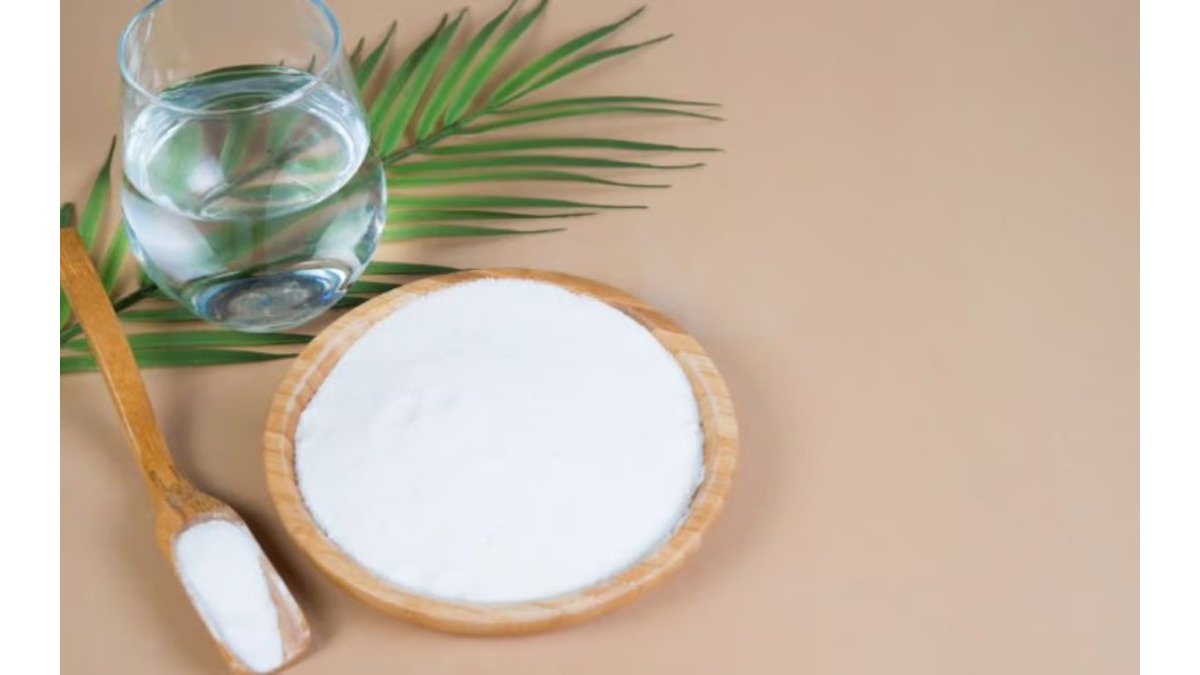
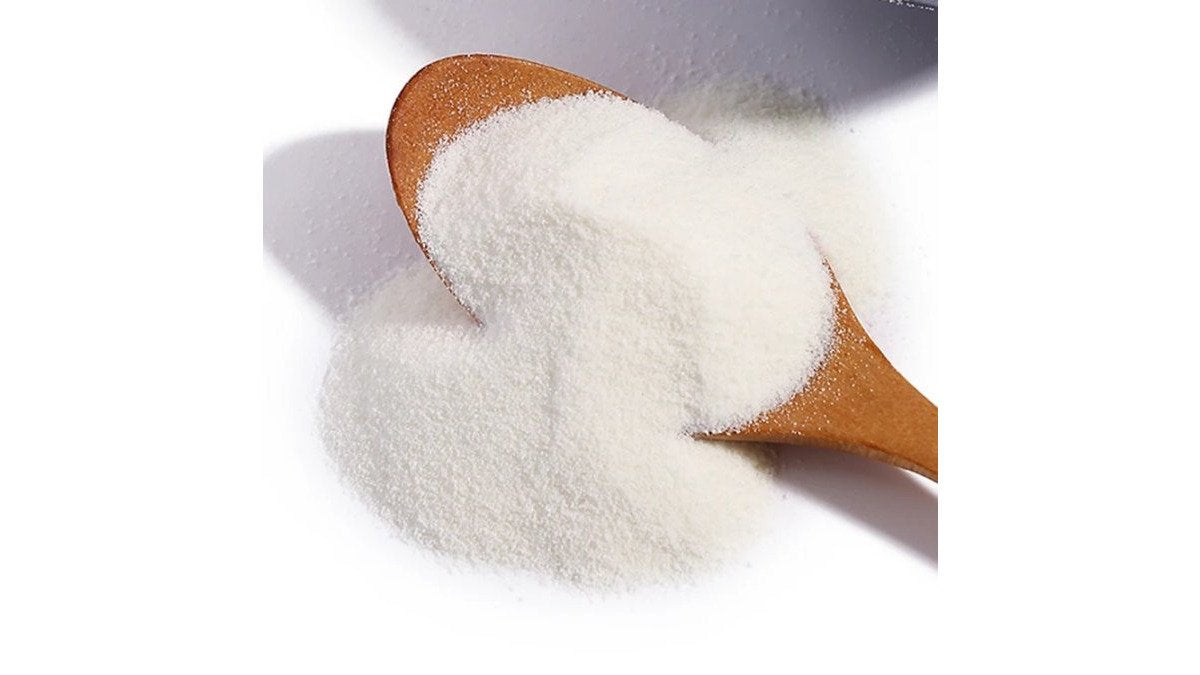
Hydrolyzed collagen, also called collagen peptides, is collagen protein that has been broken into smaller pieces so it dissolves easily in drinks and is easier for the body to digest. Research on collagen supplements commonly uses daily servings over several weeks or months, and most participants report few side effects.
For a healthy adult, a daily serving within the manufacturer's suggested use is usually a reasonable approach. There is no universal dose that every person needs. Many collagen powders provide around 5 to 10 grams per serving, while some people choose a higher amount depending on their total protein intake and wellness goals.
Consistency matters more than taking an excessive amount. If you are using collagen for skin, hair, or nails, results are usually gradual. Hair growth, for example, is influenced by genetics, hormones, stress, nutrition, scalp health, and medical conditions. Collagen can support a nourishing routine, but it is not a guaranteed fix for shedding or thinning hair.
What Daily Collagen Can Support
Collagen is a major structural protein found in skin, connective tissue, bones, and other tissues. Our natural collagen production changes with age, and lifestyle factors such as sun exposure, smoking, poor sleep, and an unbalanced diet can also affect skin and overall wellness.
A quality collagen supplement may be a useful addition for people who want practical nutritional support. Some users notice that their skin feels more hydrated or that their nails feel less brittle over time. Others value collagen simply because it is an easy, unflavored protein addition to a morning drink.
It is wise to keep expectations grounded. Collagen is not a replacement for eating enough protein, drinking water, wearing sunscreen, managing stress, or getting essential nutrients such as vitamin C, iron, zinc, and vitamin D. Think of it as one steady part of a wider self-care routine rather than the whole routine.
Possible Side Effects of Taking Collagen Every Day
Most side effects linked to collagen are mild and digestive. Some people experience fullness, heartburn, nausea, or a change in bowel habits, particularly when they begin with a large serving. The easiest solution is often to start with a smaller amount, take it with food, and allow a few days to see how your body responds.
Taste and texture can also be an issue with lower-quality powders. A well-made unflavored collagen should blend smoothly into hot or cold drinks without added sugar, artificial flavors, or unnecessary fillers. That matters if collagen will become a daily habit rather than something you use once in a while.
Allergic reactions are uncommon but possible. Avoid collagen made from a source you are allergic to. For example, people with fish or shellfish allergies should be especially careful with marine collagen products. Bovine collagen comes from cattle, so anyone with a beef allergy should choose another option and speak with a healthcare professional if unsure.
Who Should Check With a Healthcare Professional First?
Daily collagen is not appropriate for everyone without individualized guidance. Speak with a doctor, pharmacist, or registered dietitian before starting if you are pregnant, breastfeeding, managing kidney or liver disease, following a medically prescribed protein restriction, or taking medication for an ongoing health condition.
The same applies if you have persistent hair loss, unexplained fatigue, brittle nails, digestive symptoms, or sudden changes in your skin. Those concerns can sometimes point to iron deficiency, thyroid issues, hormonal changes, nutrient deficiencies, or other conditions that deserve proper assessment. A supplement should not delay care.
If you are introducing collagen for the first time, read the serving instructions and ingredient panel. More is not automatically better, especially when you already use protein powders, multivitamins, or other wellness supplements.
Why Source and Certification Matter
Not all collagen powders are made to the same standard. The source matters for safety, quality, and faith alignment. Muslim consumers should be able to see exactly where the collagen comes from and whether it has been halal certified, rather than having to guess from vague packaging claims.
A clean bovine collagen powder made from grass-fed cattle can be a practical choice for people seeking an unflavored, versatile daily supplement. Look for a formula that is free from added sugar, dairy, gluten, GMOs, artificial flavors, and filler ingredients if those details matter to your household.
Halal certification offers more than a marketing label. It provides reassurance that sourcing and production have been reviewed against halal requirements. For Muslims building a wellness routine around products that honor both health goals and religious values, that clarity is essential.
Third-party testing and transparent manufacturing information are also meaningful trust signals. They do not make a supplement necessary for everyone, but they help you avoid products with unclear ingredient lists or unsupported promises.
How to Make Daily Collagen Easy to Maintain
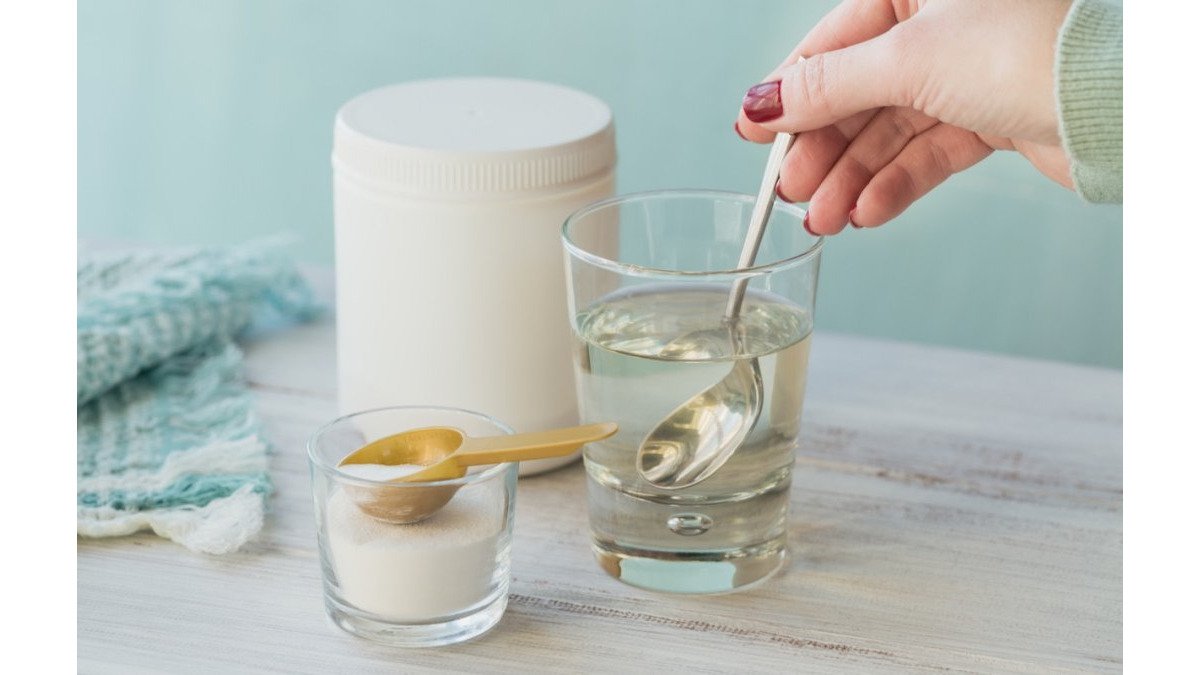
The best routine is the one you will actually follow. Unflavored collagen can be stirred into coffee, tea, oatmeal, yogurt, soups, smoothies, or plain water. Many people prefer a warm drink because the powder dissolves quickly, while travel-friendly sachets can make it easier to stay consistent at work, on trips, or during busy family days.
Choose one time of day and attach collagen to an existing habit. Add it to your breakfast, your afternoon tea, or your post-workout smoothie. There is no proven “perfect” time to take collagen, so convenience is a better guide than complicated timing rules.
Keep an eye on the full picture as you use it. Are you eating enough whole-food protein? Are you getting fruits and vegetables, especially vitamin C-rich foods that support normal collagen formation? Is your sleep schedule working against your hair and skin goals? A collagen habit works best alongside the basics, not in place of them.
A Smarter Daily Collagen Checklist
Before making collagen part of your routine, check four things: the source, the certification, the ingredient list, and the serving size. A product that is halal certified, bovine-sourced, unflavored, and free from unnecessary additives makes daily use simpler for many Muslim households.
It is also worth considering value per serving instead of looking only at the pouch price. A premium collagen powder should provide straightforward ingredients, reliable daily portions, and enough flexibility to fit your routine at home or on the go. Sustainable Lifestyle focuses on halal-certified, grass-fed bovine collagen designed for exactly that kind of practical, clean-label use.
Start with the recommended serving, give your body time to adjust, and pay attention to how you feel. A daily collagen routine should feel supportive and uncomplicated - one small choice that fits your values, your nutrition, and the life you already live.