Cart
0
Table of Contents
- How to Find Halal Collagen That Meets Your Postpartum Needs
- Step 1: Verify Halal Certification Before You Buy
- Step 2: Choose the Right Collagen Type and Source
- Step 3: Check for Clean Label Collagen Supplements
- Step 4: Understand the Benefits of Bovine Collagen for Postpartum Recovery
- Step 5: Learn How to Stop Postpartum Hair Loss Naturally
- Step 6: Set Your Daily Dosage and Routine
- Common Mistakes to Avoid When Choosing Halal Collagen
- Frequently Asked Questions
Last Updated: September 11, 2026
How to Find Halal Collagen That Meets Your Postpartum Needs
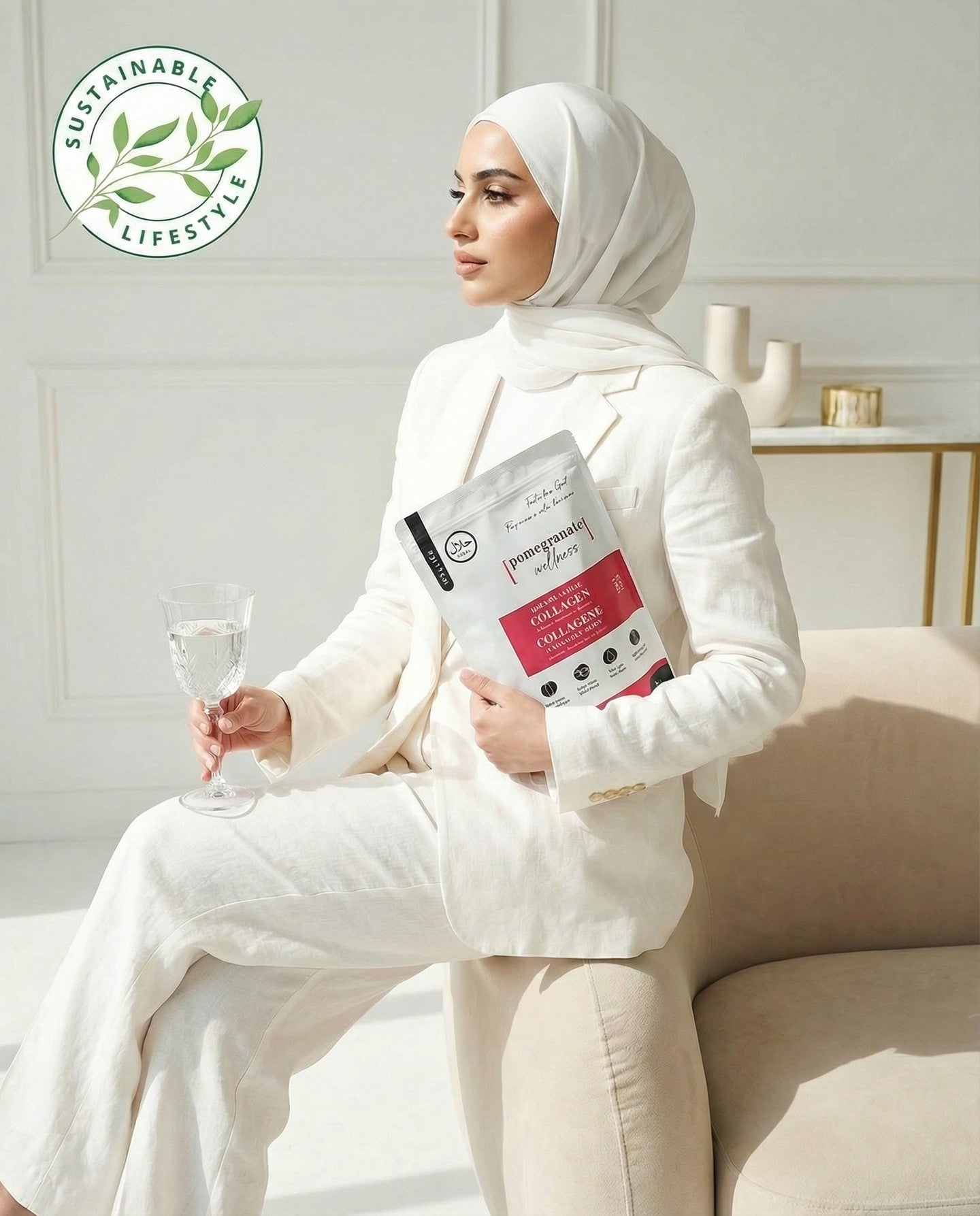
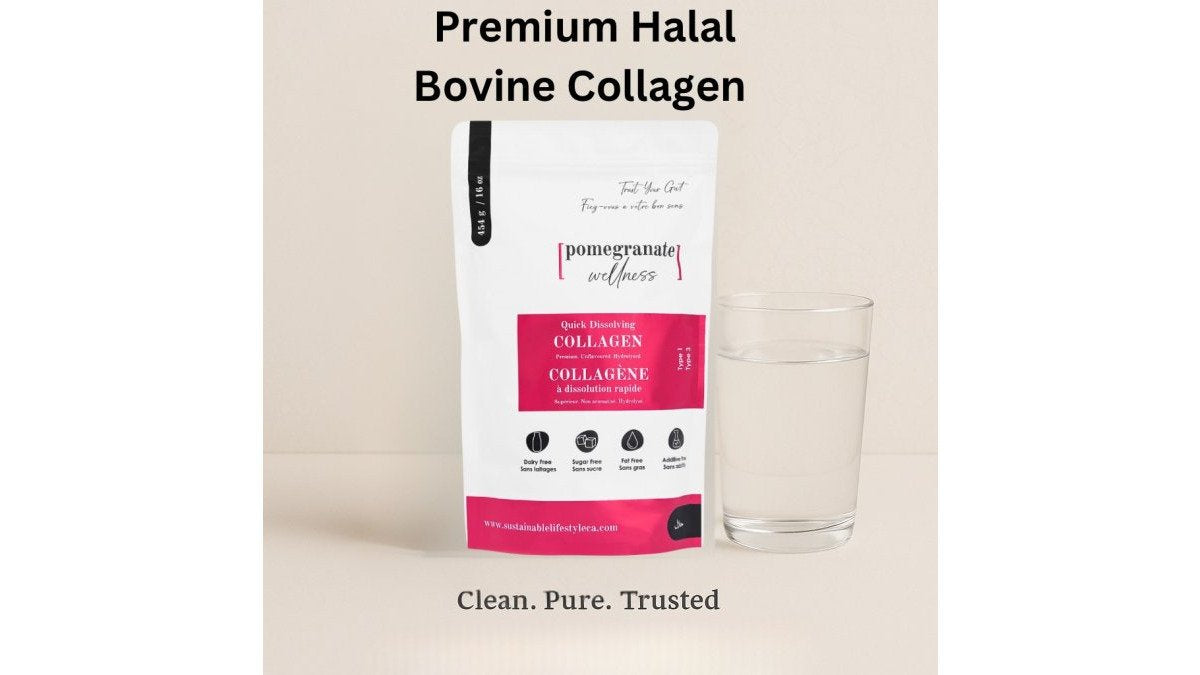
Finding a clean, unflavoured collagen that supports postpartum hair loss and joint pain without violating Halal standards comes down to verifying certification, choosing the right collagen type, and reading the label closely. Sustainable Lifestyle, a Canadian brand founded by a former dentist, offers Halal-certified, grass-fed bovine collagen that dissolves into any drink without changing its taste.

Postpartum hair thinning and joint discomfort are common, and collagen is one of the most talked-about ways to support recovery. But for Muslim shoppers, the supplement aisle adds a layer most guides ignore: is this actually Halal, or does it just say so on the front of the tub?
Below is a step-by-step process for choosing well, plus the mistakes that waste both money and months.
What You'll Need Before You Start
- A clear idea of your postpartum symptoms (hair shedding, joint stiffness, skin changes)
- Access to the product's certification details, not just its marketing copy
- A daily routine you can actually keep
- A realistic timeline: collagen is a long game, not a quick fix
Key TakeawayCollagen works through accumulation. Missing days matters more than taking a "perfect" dose.
Step 1: Verify Halal Certification Before You Buy
Halal certification is a documented, third-party verification that a product contains no forbidden ingredients and was produced under compliant conditions. It is not a word a brand can simply print on a label. For collagen specifically, the certification has to reach further back than most shoppers realize, all the way to the slaughterhouse.
What Halal Certification Actually Verifies for Bovine Collagen
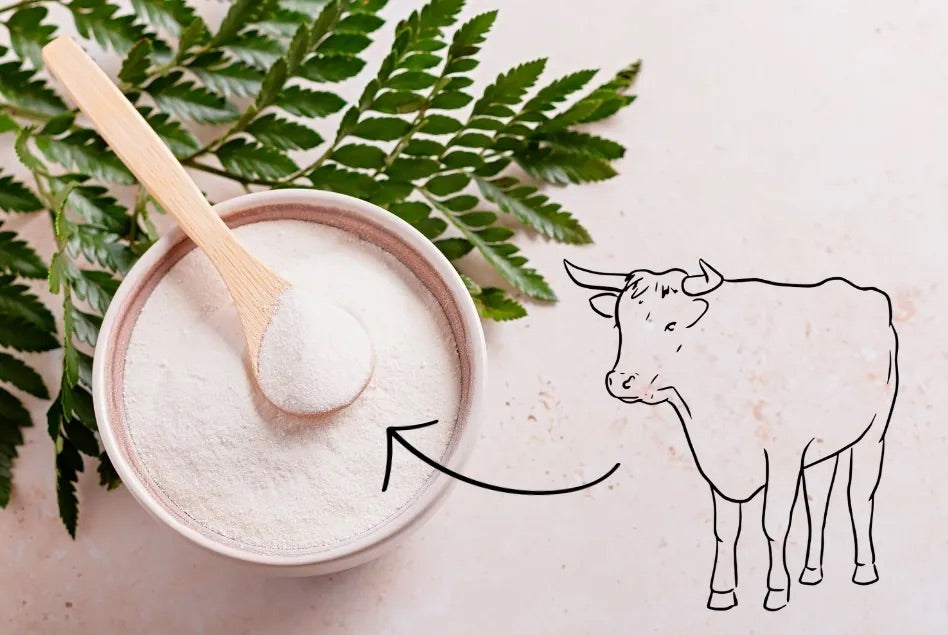
Bovine collagen is extracted from hide, bone, and connective tissue. That means the Halal status of the finished powder depends on how the animal was raised, stunned, and slaughtered, not just on what happens in the collagen processing facility. A certifying body is checking, at minimum:
- The animal species, bovine and ovine are permitted; porcine is not, and cross-contamination at shared rendering facilities is a real risk.
- The slaughter method, a trained Muslim slaughterer, a swift cut, and the invocation of God's name at the time of slaughter are the classical requirements. Stunning methods vary in acceptability across schools of thought, which is why certification standards differ.
- Separation and sanitation, dedicated lines or verified cleaning protocols so non-Halal material does not enter the Halal stream.
- Documentation chain, certificates of Halal status at each step, from abattoir to renderer to the finished-goods manufacturer.
This is the difference between Halal-certified and Halal-friendly. "Halal-friendly" is a marketing phrase with no defined standard. A product can be called Halal-friendly because it contains no obvious pork, while the collagen itself was rendered on shared equipment with no oversight. Halal-certified means an independent body audited the chain and issued a certificate you can request.
Questions to Ask Before You Buy
- Which certifying body issued the certificate, and is that body recognized by the schools of thought you follow?
- Is the certificate current, and is it visible on the product page or packaging?
- Does the certificate cover the collagen raw material itself, not just the final blend?
- Can the brand produce the certificate document or number on request?
- Does the brand disclose the country of origin of the raw material?
A common mistake is trusting a "Halal" badge on a marketplace listing with no certifying body named. If the brand cannot tell you who certified it, treat that as a no.
Watch OutStricter schools of thought do not accept all stunning methods. If you follow a specific school, check that the certifying body's standard aligns with it, a certificate that satisfies one community may not satisfy another.
Step 2: Choose the Right Collagen Type and Source
Bovine collagen is the best fit for postpartum needs because it supplies both type I and type III collagen, the two most relevant to skin elasticity, hair strength, and connective tissue support. Marine collagen is another option, but it is often more expensive and less commonly certified Halal in a way that satisfies stricter schools of thought.
Source matters as much as type:
Source |
Collagen Types |
Common Halal Status |
Best For |
|---|---|---|---|
Bovine (grass-fed) |
Type I and III |
Halal-certified when verified |
Hair, skin, joints, gut |
Marine |
Mostly type I |
Varies by certification |
Skin-focused goals |
Porcine |
Type I and III |
Not Halal |
Not suitable |
Eggshell membrane |
Type I, V, X |
Generally Halal |
Joint support |
Grass-fed bovine collagen is the most common choice for Muslim shoppers who want one powder that covers hair, skin, and joint needs at once. The sensory profile also matters: a truly unflavoured, odorless powder disappears into coffee, tea, or water, which means you will actually keep taking it.
Step 3: Check for Clean Label Collagen Supplements
Clean label collagen supplements are products with a short, transparent ingredient list and no unnecessary additives. For collagen specifically, "clean" usually means hydrolyzed collagen peptides as the only ingredient, with nothing added for flavor, color, or flow.
What to check on the label:
- One ingredient: hydrolyzed collagen peptides
- No added sugar, sweeteners, or artificial flavors
- No fillers, binders, or anti-caking agents
- Third-party testing for heavy metal testing and purity standards mentioned or available
- GMO-free and grass-fed claims backed by sourcing details
Watch OutA flavored collagen blend can hide a long additive list behind a pleasant taste. If the goal is a clean, unflavoured collagen powder, buy unflavoured and add it to a drink you already like.
Step 4: Understand the Benefits of Bovine Collagen for Postpartum Recovery
The benefits of bovine collagen for postpartum recovery come from what collagen actually is: a structural protein made of amino acids that your body uses to rebuild skin, hair, and connective tissue. After pregnancy and delivery, your body's collagen demands rise while sleep and nutrition often drop.
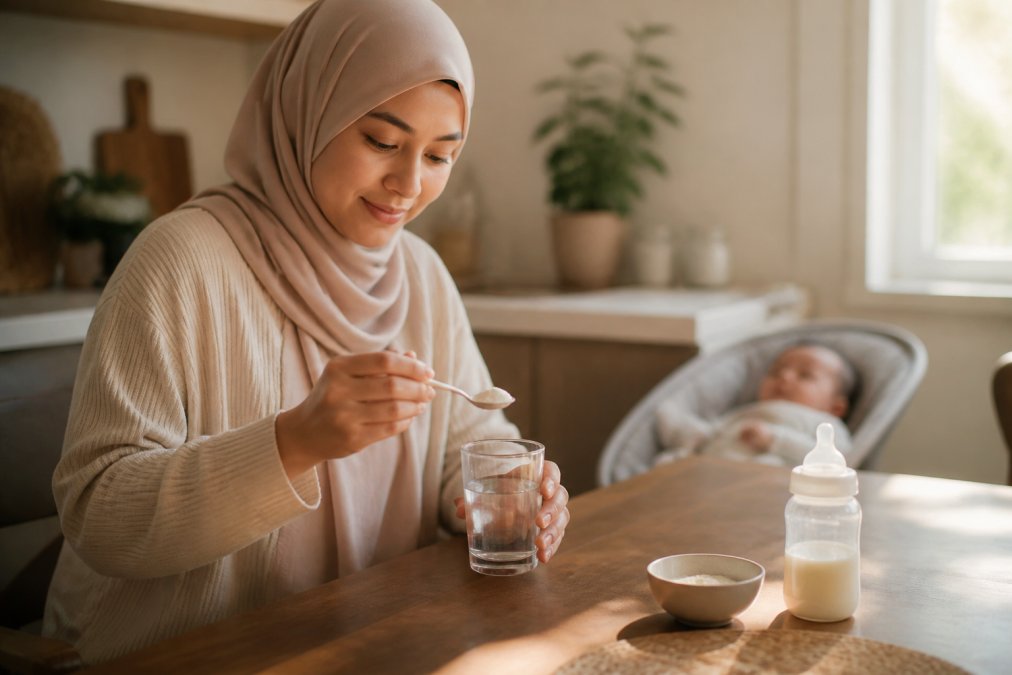
Here is where it helps most:
- Hair: Collagen supplies amino acids used in keratin production, the protein hair is made of.
- Skin: Type I and III collagen support skin elasticity, which many women notice changing after delivery.
- Joints: Connective tissue support can ease the joint mobility complaints common in the months after birth.
- Gut: Collagen is gentle on digestion, which matters if your stomach is already sensitive.
Bioavailability is the other half of the story. Hydrolyzed collagen peptides are broken into smaller fragments that absorb more readily than whole collagen, which is why nearly every effective powder on the market is hydrolyzed.
Step 5: Learn How to Stop Postpartum Hair Loss Naturally
Postpartum hair thinning is a shedding phase, not permanent baldness, and it usually peaks a few months after delivery before gradually improving. Knowing how to stop postpartum hair loss naturally starts with accepting that timing: no supplement reverses shedding overnight.
What actually helps:
- Consistent daily collagen intake over several months
- Adequate protein, iron, and vitamin D from food or as advised by your clinician
- Gentle hair handling and less heat styling during the shedding phase
- Patience: regrowth shows up as small new hairs along the hairline first
A common mistake is quitting after six weeks. Hair grows slowly, and shedding cycles take time to normalize. If shedding continues well beyond the expected window or comes with other symptoms, speak with a healthcare provider.
Step 6: Set Your Daily Dosage and Routine
A daily dosage of roughly 10 grams of hydrolyzed collagen peptides is the common starting point for hair, skin, and joint support. Consistency beats intensity here, collagen works through accumulation, and missing days matters more than taking a "perfect" dose.
Timing Collagen Around Postpartum Supplements
This is where most guides stop, and where postpartum readers get into trouble. Many women are already taking an iron supplement, a calcium supplement, a postnatal multivitamin, or all three. Collagen is a protein, and protein competes with other nutrients for absorption in the gut. A few practical rules:
- Iron: Take collagen at least one to two hours apart from iron supplements. Iron absorption is easily disrupted by other proteins and minerals, and postpartum iron needs are often high.
- Calcium: Space collagen and calcium apart by about two hours. Calcium and protein compete for the same transport pathways, and taking them together can reduce uptake of both.
- Postnatal multivitamins: These usually contain iron, calcium, zinc, and fat-soluble vitamins. Treat them as a separate dose from collagen, not a combined one.
- Thyroid medication: If you take levothyroxine or similar, follow the standard rule of taking it on an empty stomach and waiting at least four hours before other supplements, including collagen.
- Prenatal or postnatal vitamins with vitamin C: Vitamin C actually supports collagen synthesis, so pairing collagen with a vitamin C source, citrus, bell pepper, or a vitamin C supplement, is one of the few combinations worth encouraging.
If you are unsure how your specific medications interact, ask your pharmacist. In most provinces, pharmacists can review your full supplement and medication list in a single appointment, often without a fee.
A Routine That Works
- Pick one drink you have every day (coffee, tea, smoothie, water).
- Stir in one serving of unflavoured collagen until it dissolves.
- Take it at the same time daily so it becomes automatic.
- Keep it at least an hour away from iron, calcium, and your postnatal multivitamin.
- Track how you feel monthly, not weekly.
Pro TipIf you take medication or other supplements, space collagen apart from them by an hour or two and check with your pharmacist, since absorption timing can matter.
What to Expect and When
Hair shedding typically peaks around three to four months after delivery and gradually normalizes over the following months. Joint discomfort often tracks with sleep deprivation and hormonal shifts, both of which ease over time. Collagen supports these processes but does not override them. A realistic expectation is:
- Weeks 1-4: No visible change. This is normal.
- Months 2-3: Some women notice less joint stiffness or stronger nails.
- Months 3-6: Hairline regrowth and improved skin elasticity become more apparent.
If shedding continues well beyond the expected window, or comes with fatigue, hair loss in patches, or other symptoms, speak with a healthcare provider, those can signal thyroid changes or nutrient deficiencies that collagen alone will not fix.
Common Mistakes to Avoid When Choosing Halal Collagen
The biggest mistake is buying on the word "Halal" alone without confirming who certified it. The second is expecting results in weeks rather than months.
Others worth avoiding:
- Choosing a flavored blend when a clean, unflavoured powder would do the same job with fewer additives
- Skipping the ingredient list and missing fillers or added sugar
- Taking collagen sporadically and concluding it "doesn't work"
- Ignoring sourcing details like grass-fed or wild-caught claims that are never substantiated
- Assuming all collagen types behave the same when bovine and marine differ in type and use
Health Canada's guidance on natural health products outlines what Canadian supplements must disclose, which is a useful reference when a label feels vague.
For a Halal-certified, grass-fed bovine option that dissolves cleanly with no taste or odor, Sustainable Lifestyle's unflavoured collagen powder is built for exactly this routine, and the brand's Halal-certified collagen line has been trusted by 3000+ Muslims in Canada.
Postpartum recovery asks a lot of your body, and adding a supplement should not force a trade-off between your health and your faith. Sustainable Lifestyle makes that choice simpler with Halal-certified bovine collagen that is grass-fed, unflavoured, odorless, and dissolves instantly into any hot or cold drink. With a clean one-ingredient formula and Canadian-made production, it fits into a daily routine without changing how anything tastes. Add to Cart and start a routine you can actually keep.
Frequently Asked Questions
Is bovine collagen generally considered Halal?
Bovine collagen can be Halal when it comes from cattle slaughtered according to Islamic law and the production process avoids cross-contamination with non-Halal substances. Look for a Halal-certified label from a recognized certifier. Not every collagen product labeled Halal has valid certification, so ask the brand for proof. Sustainable Lifestyle's unflavoured bovine collagen powder is Halal-certified and made from grass-fed cattle, giving you a clean option that fits your faith.
How does collagen support postpartum hair loss?
Postpartum hair loss happens when estrogen levels drop after delivery, pushing more hairs into the shedding phase. Collagen provides amino acids like glycine and proline that support keratin production and scalp connective tissue. It is not a quick fix, but consistent daily use can help regrow thicker hair over three to six months. Pair it with enough protein, iron, and sleep for the best results.
What should I look for in a clean, unflavoured collagen supplement?
Check the label for hydrolyzed collagen peptides as the only ingredient, with no added sugar, flavoring, or artificial additives. Unflavoured powder should dissolve without changing the taste of your drink. Look for a grass-fed source and Halal certification. Sustainable Lifestyle's formula is unflavoured, odorless, and dissolves instantly in hot or cold drinks.
Can I take collagen supplements while breastfeeding?
Collagen is generally considered safe during breastfeeding because it is a protein you already consume through food. However, always talk to your healthcare provider before starting any supplement, especially if you have allergies or medical conditions. Choose a clean, Halal-certified product with minimal ingredients. Start with a lower dose and watch for any digestive changes. Sustainable Lifestyle's unflavoured powder has no additives, making it a simple addition to your daily routine.