Cart
0
A few months after birth, the shower drain can start telling a stressful story. If you are seeing more strands on your brush, your pillow, or your bathroom floor, you are not imagining it. Many women start looking into collagen for postpartum hair because they want something simple, clean, and realistic to add to their routine during a season that already feels full.
Postpartum hair shedding is common, but that does not make it easy. When your hair suddenly feels thinner around the temples or part line, it can affect confidence fast. The good news is that this phase is usually temporary. The better news is that good nutrition and steady support can help your body as it recovers.
What actually happens to hair after pregnancy
During pregnancy, higher estrogen levels keep more hairs in the growth phase for longer. That is why many women notice thicker, fuller hair while expecting. After birth, those hormone levels shift, and many of the hairs that were "held" in that phase move into shedding at the same time.
This is called postpartum hair shedding, and it often starts around two to four months after delivery. For some women it is mild. For others, it feels dramatic. The amount, timing, and duration can vary based on stress, sleep, iron status, overall diet, and how your body is recovering.
That is why there is no single fix. If someone promises that one scoop of anything will stop postpartum shedding overnight, be careful. A better approach is to support the body with enough protein, key nutrients, hydration, and time.
Where collagen for postpartum hair fits in
Collagen for postpartum hair is not a magic answer, but it can be a useful part of a bigger recovery routine. Hair itself is made mostly of keratin, not collagen. Still, collagen provides amino acids that support the body’s connective tissues and overall protein intake, and that matters when your body is healing, feeding a baby, sleeping less, and trying to recover.
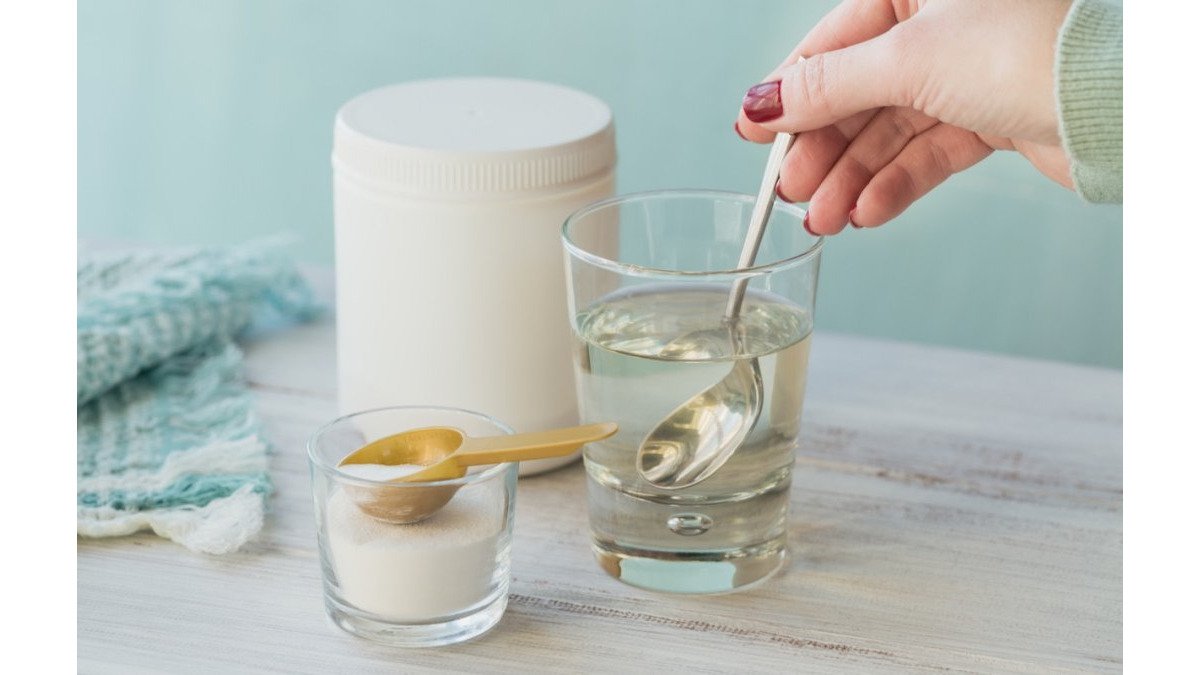
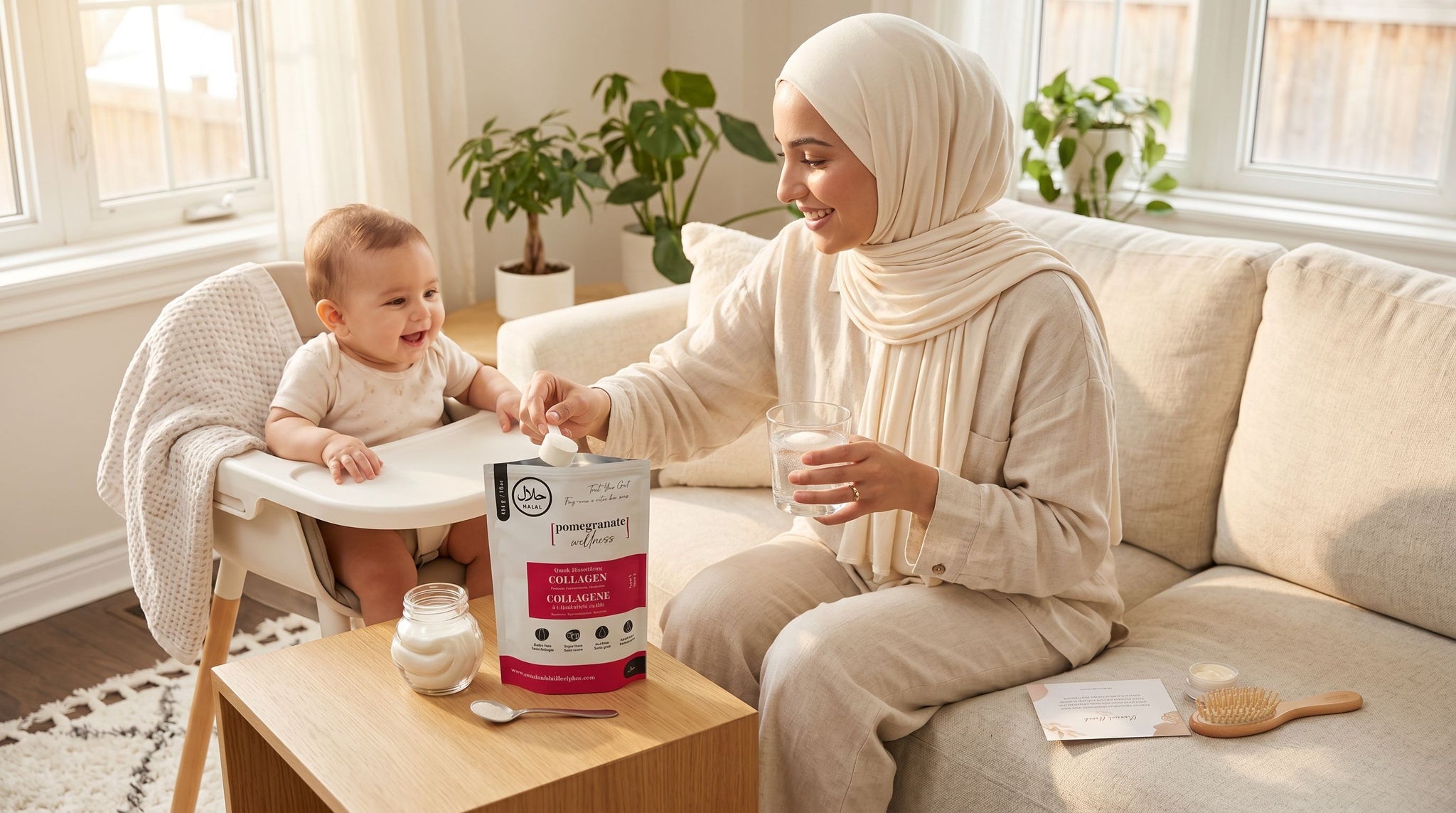
Many postpartum women are not looking for a complicated supplement stack. They want something easy to mix into coffee, tea, or a smoothie without sugar, dairy, gluten, or a long list of fillers. That is where a clean collagen powder can make sense. It gives you a simple daily habit that supports protein intake while fitting into real life.
Collagen may be especially appealing if you are struggling to eat enough high-quality protein consistently. Between newborn care, skipped meals, and unpredictable schedules, convenience matters. A daily collagen routine is not a replacement for meals, but it can help fill a gap.
What collagen can support
Collagen can support your postpartum routine by adding amino acids such as glycine and proline to your diet. It may also support skin, nails, and connective tissue while your body recovers from pregnancy and birth. For many women, the value is not just about hair. It is about feeling like they are nourishing themselves in a practical way.
Some women also notice that postpartum shedding feels worse when overall nutrition is inconsistent. In that case, adding collagen can be helpful because it is easy to use every day. Consistency matters more than perfection.
What collagen cannot do
Collagen cannot override postpartum hormone shifts. It cannot guarantee faster regrowth, and it should not be treated like a cure for underlying issues such as low iron, thyroid imbalance, or severe nutrient depletion. If shedding feels extreme, lasts longer than expected, or comes with fatigue and other symptoms, it is worth speaking with your healthcare provider.
That nuance matters. The best wellness choices are honest ones.
Is collagen safe during the postpartum period?
For many women, collagen is a simple addition during the postpartum period, especially when the ingredient list is clean and straightforward. Unflavored bovine collagen with no added sugars, stimulants, artificial flavors, or fillers is often easier to evaluate than trend-driven beauty supplements packed with extras.
If you are breastfeeding, it is reasonable to be extra careful about what you take. That makes label transparency even more important. Look for collagen that is third-party tested and clearly sourced. A product that is halal-certified can also offer an added layer of reassurance for Muslim families who want certainty around ingredients and processing.
As always, personal health history matters. If you have medical concerns, allergies, or questions about your postpartum recovery, check with your healthcare provider.
How to choose a collagen for postpartum hair
Not all collagen products are worth your trust. The postpartum season is not the time for flashy formulas that hide behind vague claims. You want a product that is simple, credible, and easy to use every day.
Start with the ingredient list. The best option is usually unflavored collagen peptides with no unnecessary additives. If a product includes sugar, artificial sweeteners, gums, or fillers, ask whether those extras are doing anything useful for you. In many cases, they are not.
Next, look at sourcing and certification. For Muslim consumers, halal certification is not a small detail. It is central. If collagen is part of your daily wellness routine, you should not have to guess whether it aligns with your faith. A halal-certified bovine collagen gives you clarity, and that confidence matters.
Then look at practicality. Will it mix easily into hot or cold drinks? Can you take it at home or on the go? A good supplement routine only works if it fits your life. During postpartum recovery, convenience is not a bonus. It is part of what makes consistency possible.
Finally, think about value. Price matters, but so does cost per serving, purity, and how often you will actually use it. A clean product with solid daily value tends to serve you better than a trendy tub that sits untouched after a week.
What else helps postpartum hair recovery?
If your goal is healthier hair after pregnancy, collagen works best as part of a bigger picture. Hair recovery depends on more than one supplement. It depends on whether your body has what it needs to recover well.
Protein intake matters. Iron matters. Vitamin D, zinc, and overall calorie intake matter too. Sleep and stress also affect how your body functions, even though they are harder to control with a newborn. That is why a realistic routine is better than a perfect one.
Focus on regular meals, hydration, and gentle hair care. Avoid tight hairstyles if your edges feel fragile. Be cautious with heat and harsh treatments while shedding is active. Most importantly, give your body some grace. Postpartum recovery is not just about appearance. It is a full-body process.
When to expect improvement
This is the part most women want a straight answer on. Usually, postpartum shedding settles down over time, often within six to twelve months after birth. Some women see improvement sooner, while others need longer, especially if stress is high or nutrient gaps are present.
Collagen is not a quick fix, so think in terms of support rather than instant results. If you choose to use it, give it time and use it consistently. A few days will not tell you much. A steady daily habit over several weeks or months is a more realistic way to judge whether it is helping your overall routine.
Why clean, halal collagen matters more than trends
There is a big difference between a product made for social media and one made for everyday wellness. Postpartum women do not need hype. They need trust. They need ingredients they understand, quality they can verify, and a routine they can stick with.
For Muslim women especially, halal status should never feel like an afterthought. If a supplement supports your health goals but leaves questions around sourcing or certification, it is not the right fit. A clean halal collagen option removes that uncertainty and lets you focus on consistency.
That is one reason brands like Sustainable Lifestyle stand out for families who want practical wellness without compromise. The standard should be simple: clean ingredients, clear sourcing, strong value, and confidence in what you are taking every day.
If you are considering collagen for postpartum hair, think of it as steady support for a demanding season, not a miracle claim in a jar. The right product will not promise the impossible. It will simply give your body one more clean, dependable way to rebuild.