Cart
0
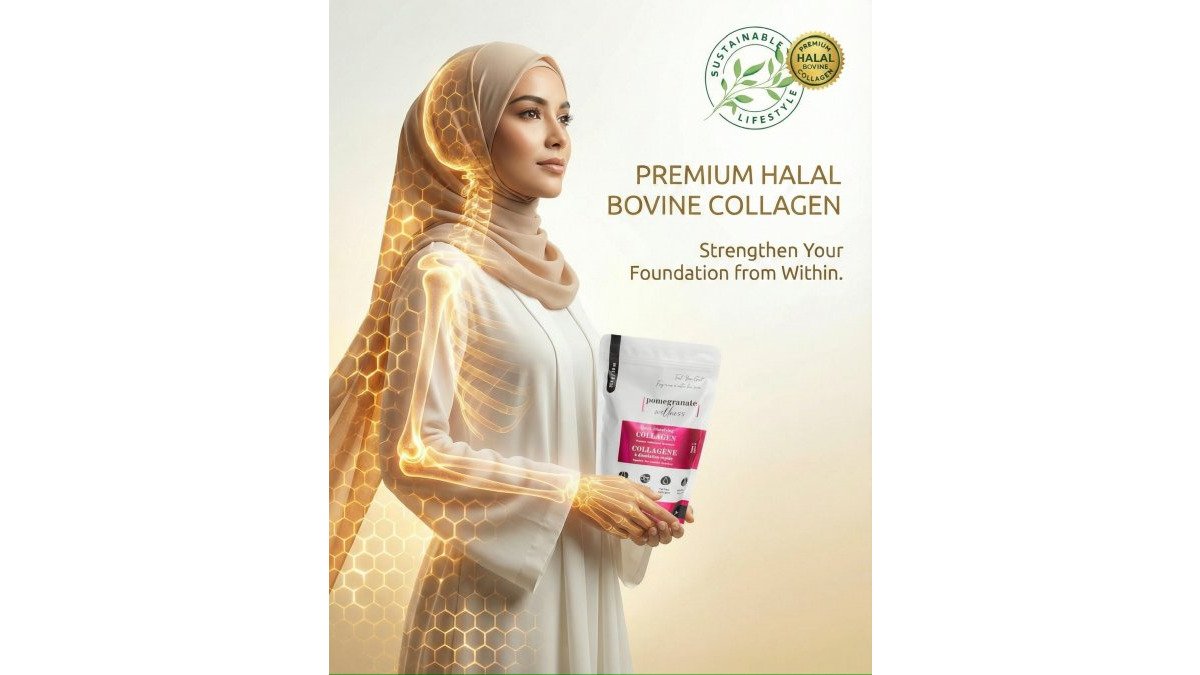
Table of Contents
- What Halal Certified Collagen Actually Means
- How to Identify Genuine Halal Certified Collagen
- Collagen Absorption for Hair Growth: What Affects It
- Postpartum Hair Loss Recovery With Collagen
- How to Manage Postpartum Skin Dryness Alongside Hair Shedding
- Daily Routine: How to Take Halal Collagen Powder
- Frequently Asked Questions
Last Updated: September 12, 2026
What Halal Certified Collagen Actually Means
Halal certified collagen is bovine collagen that has been produced and verified according to Islamic dietary law, with certification issued by a recognized Halal authority rather than a self-declared claim on a label. For hair growth specifically, the certification matters because it confirms the source animal was slaughtered according to Islamic requirements and that no non-Halal processing aids were used.

The word "certified" carries real weight here. A product can be Halal by ingredient list and still fail certification if its processing facility also handles non-Halal materials without proper separation. According to Islamic Food and Nutrition Council of America's Halal certification overview, certification requires documented audits of the full supply chain, not just a review of the final ingredient panel. That distinction separates a genuine Halal-certified collagen from a marketing claim.
For anyone dealing with postpartum shedding or thinning hair, the practical takeaway is simple: certification tells you the product is permissible, but it says nothing about whether the collagen will actually reach your hair follicles. Those are two separate questions, and most guides blur them together.
How Certification Bodies Verify a Supplement
Verification starts with the raw material source. Auditors confirm the cattle were raised and slaughtered under Halal conditions, then trace every processing step: filtration, hydrolysis, drying, and packaging. If the collagen passes through equipment shared with non-Halal animal byproducts, the facility needs documented cleaning protocols or dedicated lines.
The audit trail continues to the finished product. Certifiers review batch records, confirm no alcohol or non-Halal carriers were introduced, and issue a certificate with an expiry date. That expiry matters. A certificate from three years ago does not cover a product made this month.
How to Identify Genuine Halal Certified Collagen
Genuine Halal-certified collagen will name its certifying body and provide a certificate number you can verify directly with that organization. If a label says "Halal" with no certifier named, treat it as a claim, not a certification.
Here is what to check before buying:
- The certifying body is named on the packaging or product page
- A certificate number or verification link is available
- The certificate's expiry date is current
- The product specifies bovine, marine, or other source
- The ingredient list contains no alcohol, gelatin, or unclear carriers
- The facility's Halal status covers the specific production line
A common mistake is assuming a "Halal" sticker from an overseas supplier is equivalent to certification from a recognized body. In practice, verification standards vary widely, and some certificates cover only the slaughterhouse, not the collagen processing plant.
How to Verify a Certificate Yourself
Verification is a five-minute task most buyers skip. Here is the process:
- Find the certifier's name. It should appear on the label or product page, not just in marketing copy. Recognized bodies maintain public directories of certified companies.
- Locate the certificate number. This is usually a short alphanumeric code printed near the certifier's logo or listed in the product's documentation.
- Search the certifier's public registry. Most recognized Halal certification bodies publish searchable lists of certified products and facilities. If the certifier has no public registry, that itself is a signal.
- Confirm the scope. A certificate may cover the slaughterhouse, the processing plant, the finished product, or all three. The scope should match what you are buying.
- Check the expiry date. Certificates are renewed periodically. An expired certificate does not cover a product manufactured after that date.
If a brand cannot or will not point you to a verifiable certificate, the "Halal" claim is unsubstantiated regardless of how it is presented.
Cross-Compatibility With Other Dietary Requirements
Halal certification is one filter. Many buyers also need a collagen that fits other dietary patterns, and the good news is that pure bovine collagen is naturally compatible with most of them:
- Keto and low-carb: Unflavored collagen powder contains protein and negligible carbohydrates, so it fits a ketogenic macro split without disrupting it.
- Paleo: Bovine collagen from grass-fed cattle aligns with Paleo principles, provided the formula has no added sugars, grains, or legumes.
- Gluten-free: Collagen peptides are inherently gluten-free, but cross-contamination is possible in facilities that also process wheat. A short ingredient list and a clear allergen statement reduce that risk.
- Dairy-free and lactose-free: Pure collagen powder contains no dairy. Flavored or creamer-style products often do, which is another reason unflavored is the safer default.
- Nut-free: Unflavored collagen has no nut inputs, though shared facilities are worth checking if you have a severe allergy.
The pattern is consistent: the shorter and plainer the ingredient list, the more dietary frameworks a single product can satisfy at once. A formula that clears Halal, keto, gluten-free, and dairy-free requirements simultaneously is rare in flavored products but standard in unflavored ones.
Questions to Ask Before You Buy
Ask the seller three things: who certified it, what the certificate number is, and whether the certificate covers the finished product or just the raw material. A transparent brand answers all three without hesitation.
The second question is about the source. Grass-fed and pasture-raised cattle produce collagen with a nutritional profile that many buyers prefer, but "grass-fed" is not the same as "Halal-certified." A product needs both if you want ethical sourcing and religious compliance together.
The third question concerns the formula itself. Unflavored, additive-free collagen dissolves into any drink without altering taste, which makes a daily routine far easier to maintain. If a powder needs flavoring to be palatable, that is a sign of lower-grade raw material.
Key Takeaway
Certification you can verify beats certification you have to trust. Name the certifier, find the number, check the registry, confirm the scope, and check the date, in that order.
Collagen Absorption for Hair Growth: What Affects It
Collagen absorption for hair growth depends on peptide size, dose, and whether you take it consistently. Hydrolyzed collagen peptides are broken into small chains that the body can absorb through the gut, and those peptides then circulate to support protein synthesis in tissues including the dermal layer of the scalp.
Type I and Type III collagen are the forms most relevant to hair and skin. Type I provides structure to the hair shaft and skin, while Type III supports connective tissue. A supplement that lists both types covers more of what hair follicles and scalp tissue need.
Bioavailability is where form matters most. Whole collagen is poorly absorbed; hydrolyzed collagen peptides are the standard for supplements because the hydrolysis process reduces molecular size. Vitamin C is often paired with collagen because it supports normal collagen formation in the body, though the evidence on added absorption boosters is mixed.
Pro Tip
Take collagen with or without food, but keep the timing consistent. Absorption does not depend heavily on meals, yet a fixed daily slot is what actually drives results over months.
Postpartum Hair Loss Recovery With Collagen
Postpartum hair loss recovery is a months-long process, and collagen supports it rather than reversing it overnight. Shedding after birth typically peaks in the months following delivery as hormone levels shift, then gradually settles as the hair cycle normalizes.
Collagen fits into recovery because hair is largely protein, and the amino acids in collagen contribute to the protein pool the body draws on. That does not mean collagen alone regrows hair. It means collagen supports the nutritional foundation while the natural cycle does its work.
What most guides miss is the timeline. Many people stop taking collagen after a few weeks because they see no change, when the visible difference tends to appear much later. Patience is not a platitude here; it is the actual mechanism.
Dietary restrictions matter too. Someone managing Halal, gluten-free, and keto-friendly requirements at once needs a supplement that clears all three, which is why clean-label formulas with short ingredient lists are easier to fit into a postpartum routine.
How to Manage Postpartum Skin Dryness Alongside Hair Shedding
Managing postpartum skin dryness alongside hair shedding comes down to hydration, gentle skincare, and consistent collagen intake. Both issues share the same root: shifting hormones and the body redirecting resources during recovery.
Skin dryness after birth is common because moisture retention drops. A simple routine helps more than an elaborate one:
- Drink water consistently through the day
- Use a fragrance-free moisturizer on damp skin
- Avoid harsh exfoliants while the skin barrier recovers
- Keep collagen intake steady rather than sporadic
- Protect skin from sun exposure with a mineral sunscreen
The connection to collagen is indirect but real. Collagen is a structural protein in skin, and supporting protein intake while the body rebuilds is a reasonable part of a recovery plan. It will not replace moisturizer, and moisturizer will not replace nutrition. They work on different layers.
Daily Routine: How to Take Halal Collagen Powder
The most effective daily routine is one scoop of unflavored collagen powder stirred into a hot or cold drink at the same time each day. Consistency beats timing, and a powder that dissolves cleanly removes the main reason people quit.
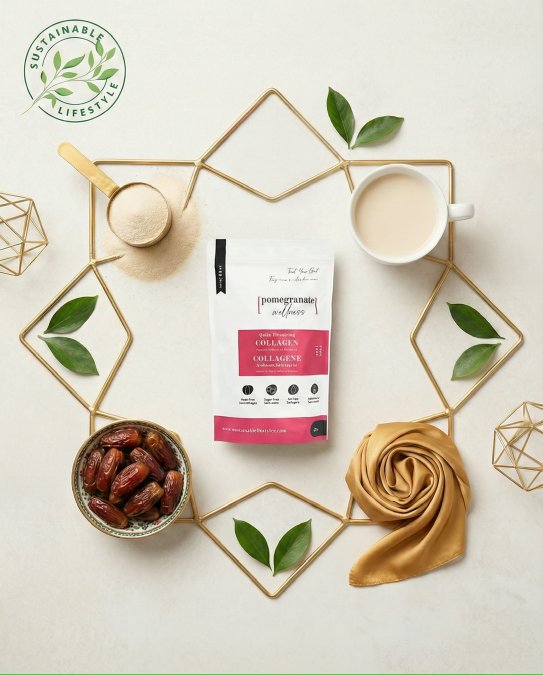
A workable routine looks like this:
- Measure one serving into an empty glass
- Add liquid and stir for a few seconds until dissolved
- Drink it with breakfast, coffee, or a post-workout shake
- Log it for the first month to build the habit
- Reassess at the three-month mark, not week three
Unflavored collagen is the practical choice because it disappears into coffee, tea, smoothies, or plain water without changing taste. That flexibility is what keeps a routine going long enough to matter.
How Collagen Fits With Other Hair Supplements
Most guides treat collagen as a standalone product. In practice, many people take it alongside biotin, zinc, iron, or a multivitamin, and the way those interact matters more than any single ingredient.
Biotin. Biotin supports normal keratin infrastructure, and keratin is the protein hair is largely made of. Collagen supplies amino acids for the protein pool; biotin supports the enzyme processes that use them. The two are complementary rather than redundant, and there is no known conflict in taking them together.
Zinc. Zinc contributes to normal hair maintenance and tissue repair. It is a mineral, not a protein, so it does not compete with collagen for absorption. Taking zinc with food, including a collagen drink, is generally easier on the stomach than taking it alone.
Iron. Iron supports oxygen transport to tissues, including the scalp. Iron absorption is sensitive to timing: it is enhanced by vitamin C and inhibited by calcium and tannins. If you take iron separately, keep it away from coffee and tea, and consider taking it with a vitamin C source rather than in the same glass as a calcium-rich drink.
Vitamin C. Often paired with collagen because it supports normal collagen formation in the body. The evidence on whether added vitamin C boosts absorption of supplemental collagen specifically is mixed, but it does no harm and covers a nutrient many people under-consume.
Multivitamins. No known interaction with collagen. If your multivitamin contains iron or zinc, the same timing notes above apply.
A simple rule: collagen is a protein, so it behaves like food in the digestive tract. Most supplements can be taken alongside it without issue. The exceptions are minerals with known absorption conflicts, iron and calcium are the main ones, and those are about timing, not incompatibility.
A Sample Daily Schedule
| Time | What to Take | Why |
|---|---|---|
| Morning | Collagen in coffee or tea | Habit anchor; no taste change |
| With breakfast | Multivitamin, biotin | Fat-soluble vitamins need food |
| Midday | Iron (if separate) | Away from coffee and tea |
| Evening | Zinc (if separate) | Easier on the stomach with food |
This is a template, not a prescription. The point is that collagen slots into an existing routine rather than requiring a new one, and it does not force you to rearrange the supplements you already take.
Watch Out
Do not judge results at the two-week mark. Hair and skin changes follow the body's own cycle, and quitting early is the most common reason people conclude collagen "does not work."
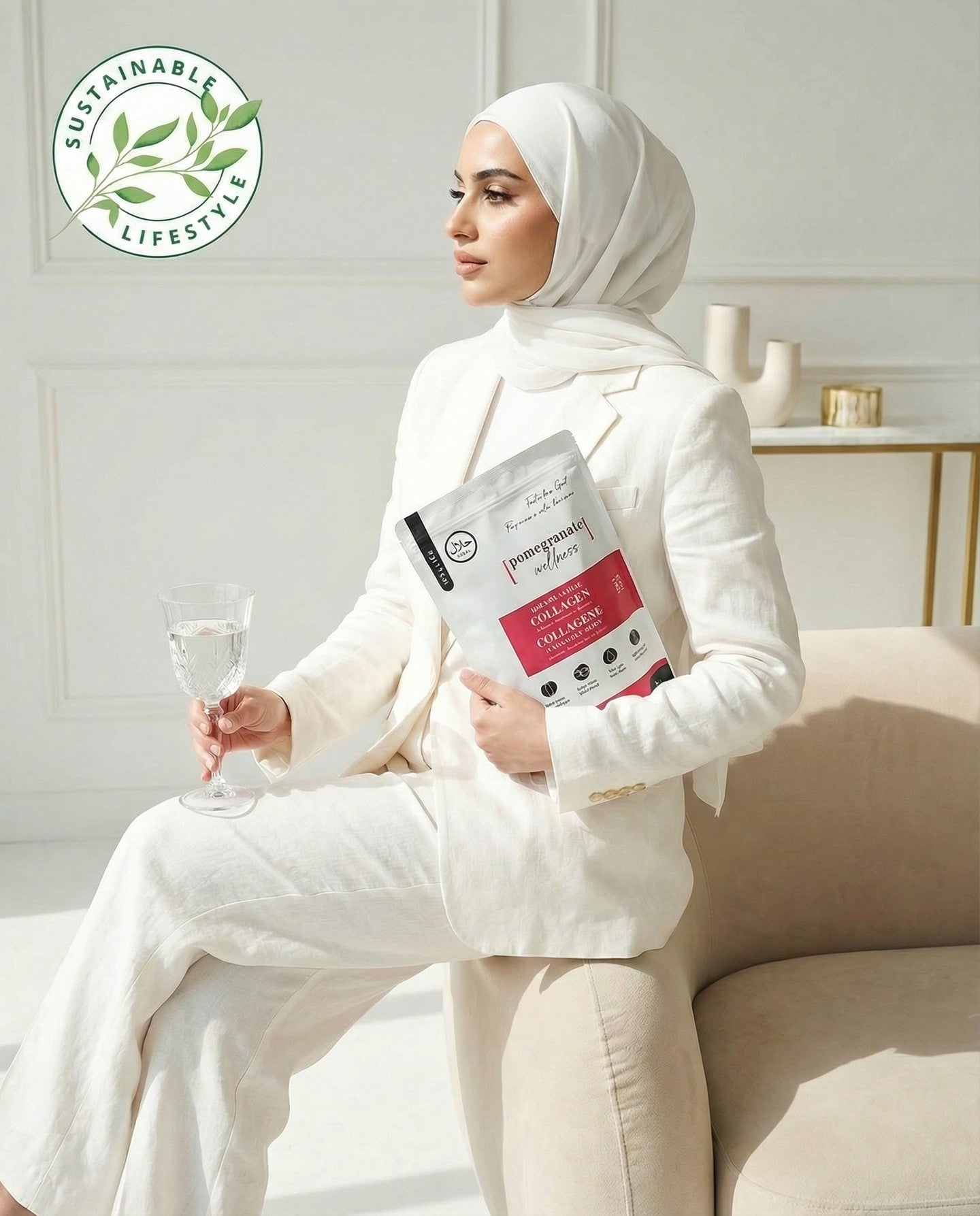
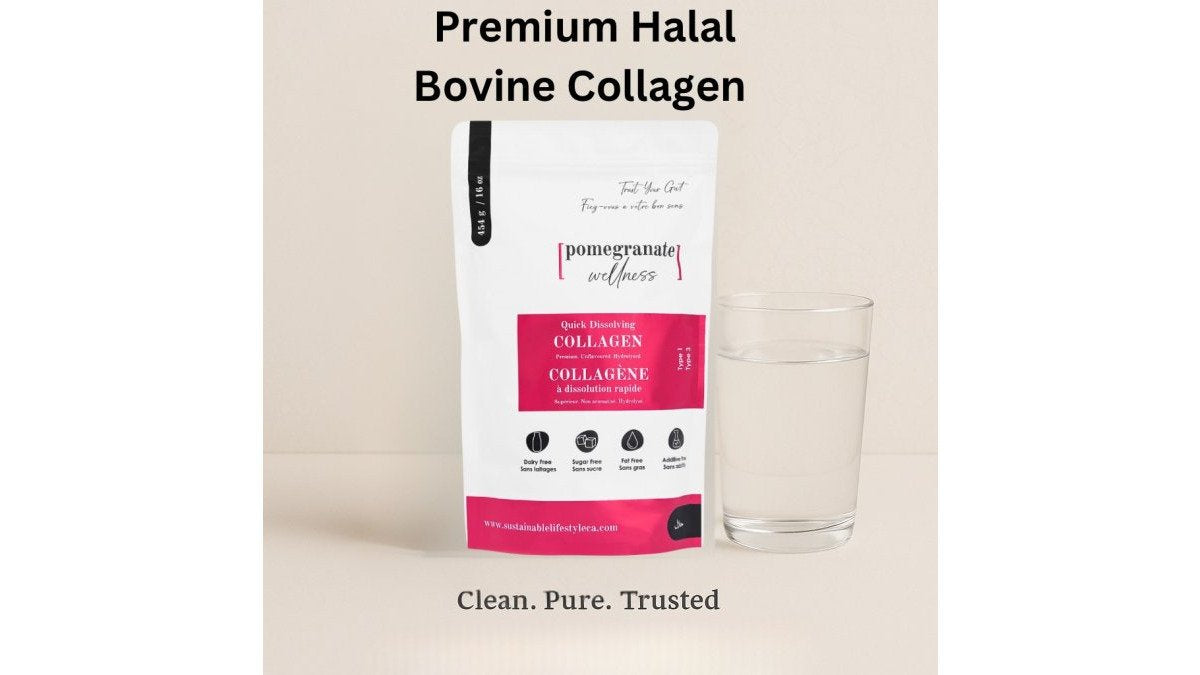
For readers who want a verified option, Pomegranate Wellness offers Halal-certified bovine collagen sourced from grass-fed cattle, completely unflavored and odorless so it mixes into any beverage without altering taste. The brand's Canadian Food Inspection Agency guidance on supplemented foods aligns with its labeling approach, and its collagen is Halal-certified rather than self-declared.
| Step | What to Do | Frequency | What to Expect |
|---|---|---|---|
| 1 | Measure one serving | Daily | Consistent intake established |
| 2 | Stir into any drink | Daily | No taste change |
| 3 | Take at the same time | Daily | Habit forms faster |
| 4 | Track for one month | Weekly | Routine locked in |
| 5 | Assess results | At 3 months | Gradual visible change |
Frequently Asked Questions
Is all bovine collagen halal-certified?
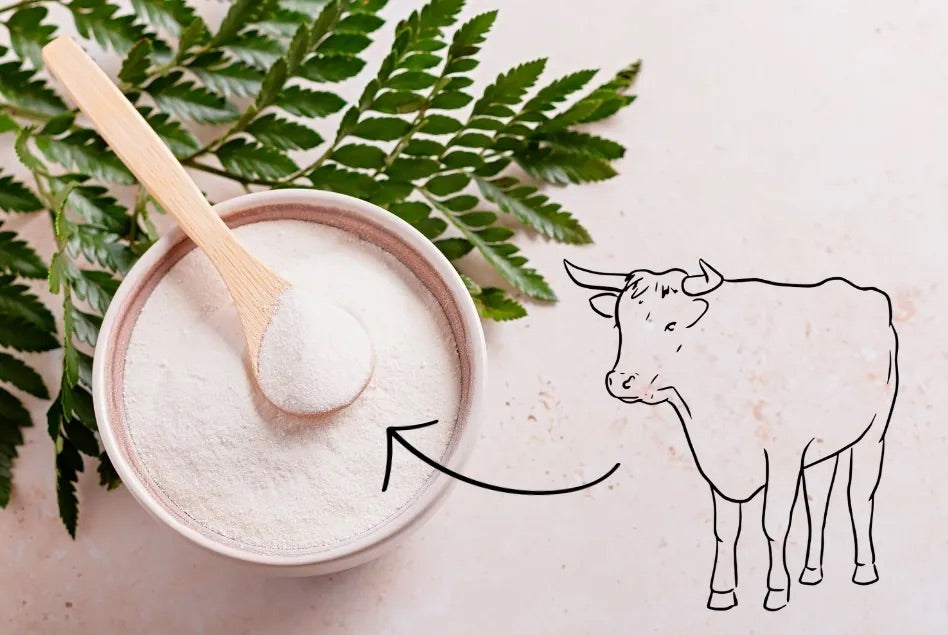
No. Bovine collagen comes from cattle, and whether it qualifies as halal depends on how the animal was raised and slaughtered, plus how the material was processed. A supplement can be labeled 'bovine collagen' without any religious certification at all. Look for a specific Halal certification mark on the package, and check that the certifying body is named. If a product only says 'halal' in its marketing copy with no certifier listed, treat that claim as unverified.
How long does halal certified collagen take to affect hair growth?
Hair grows slowly, roughly one centimeter per month, so visible changes take time. Most people notice reduced shedding and stronger-feeling strands after about two to three months of consistent daily use, with fuller-looking regrowth appearing later. Postpartum shedding usually peaks around three to six months after birth and then gradually settles, so collagen works best as steady support rather than a quick fix. Take it every day and photograph your hairline monthly to track real change.
Can I take collagen for hair growth while breastfeeding?
Collagen is a protein supplement, and many breastfeeding mothers take it, but talk to your healthcare provider first, especially if you take medication or have a health condition. Choose a formula with a short ingredient list: pure hydrolyzed collagen peptides, no added sugar, no artificial flavors or colors. An unflavored, odorless powder mixes into water, tea, or soup without changing taste, which makes it easy to keep up during a busy postpartum routine.
What should I look for in a high-quality halal collagen supplement?
Check four things: a named Halal certification, a grass-fed or pasture-raised bovine source, hydrolyzed collagen peptides for easier absorption, and a clean label with no unnecessary additives. Type I and Type III collagen are the forms most associated with skin, hair, and connective tissue. Also confirm the daily serving size and protein content per scoop so you know what you are actually getting. An unflavored powder avoids hidden sweeteners and mixes into almost any drink.