Cart
0
A collagen routine should not come with ingredient guesswork. If you avoid gluten, follow halal dietary standards, or simply want a supplement without unnecessary extras, the label matters as much as the collagen itself. The best gluten free collagen powder is not just free from wheat-based ingredients. It is made with clear sourcing, a short ingredient list, and standards you can feel confident using every day.
For many shoppers, especially those looking for halal wellness products, “gluten free” is one part of a bigger decision. You may also be checking whether the collagen is bovine, whether it is halal-certified, whether it contains sugar or dairy, and whether the price makes sense for a daily habit. Here is how to choose with confidence.
What Makes Collagen Powder Gluten Free?
Plain collagen peptides are naturally gluten free. Collagen is a protein derived from animal connective tissue, not from wheat, barley, or rye. The concern usually appears after collagen has been processed into a finished supplement.
Flavored powders, beauty blends, and ready-to-drink mixes can include added ingredients that complicate the formula. Thickeners, flavor systems, cereal-derived additives, or products made on shared equipment may create a concern for people who need to avoid gluten carefully. A clean, unflavored collagen powder removes much of that uncertainty.
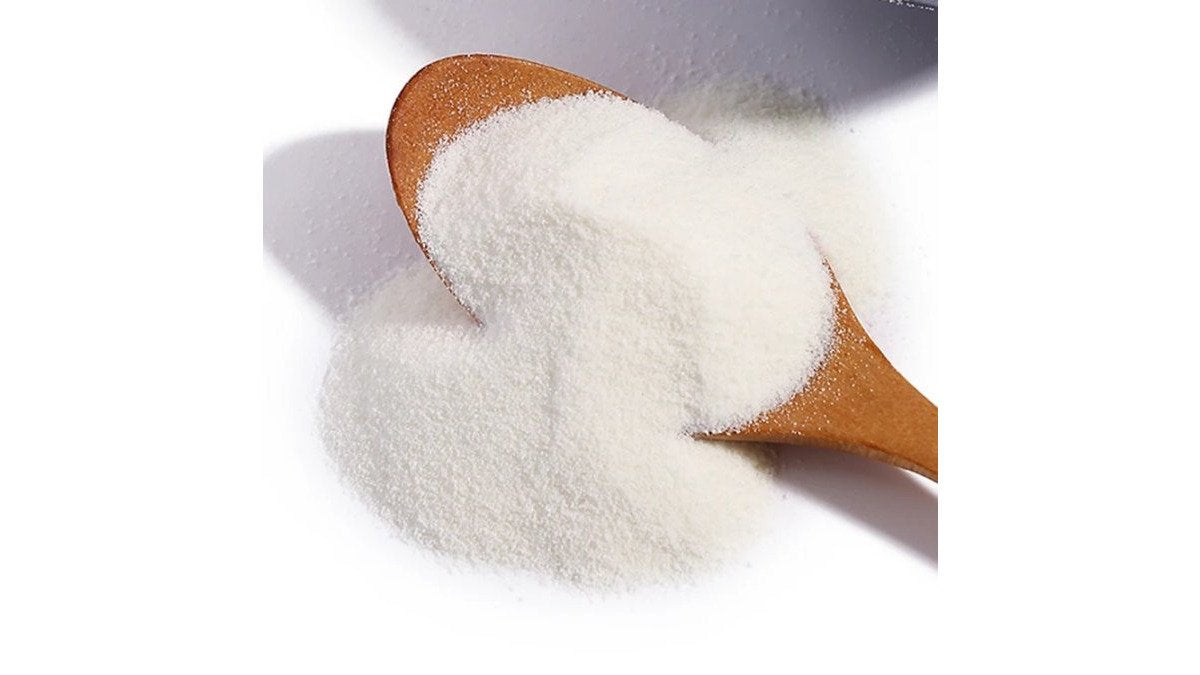
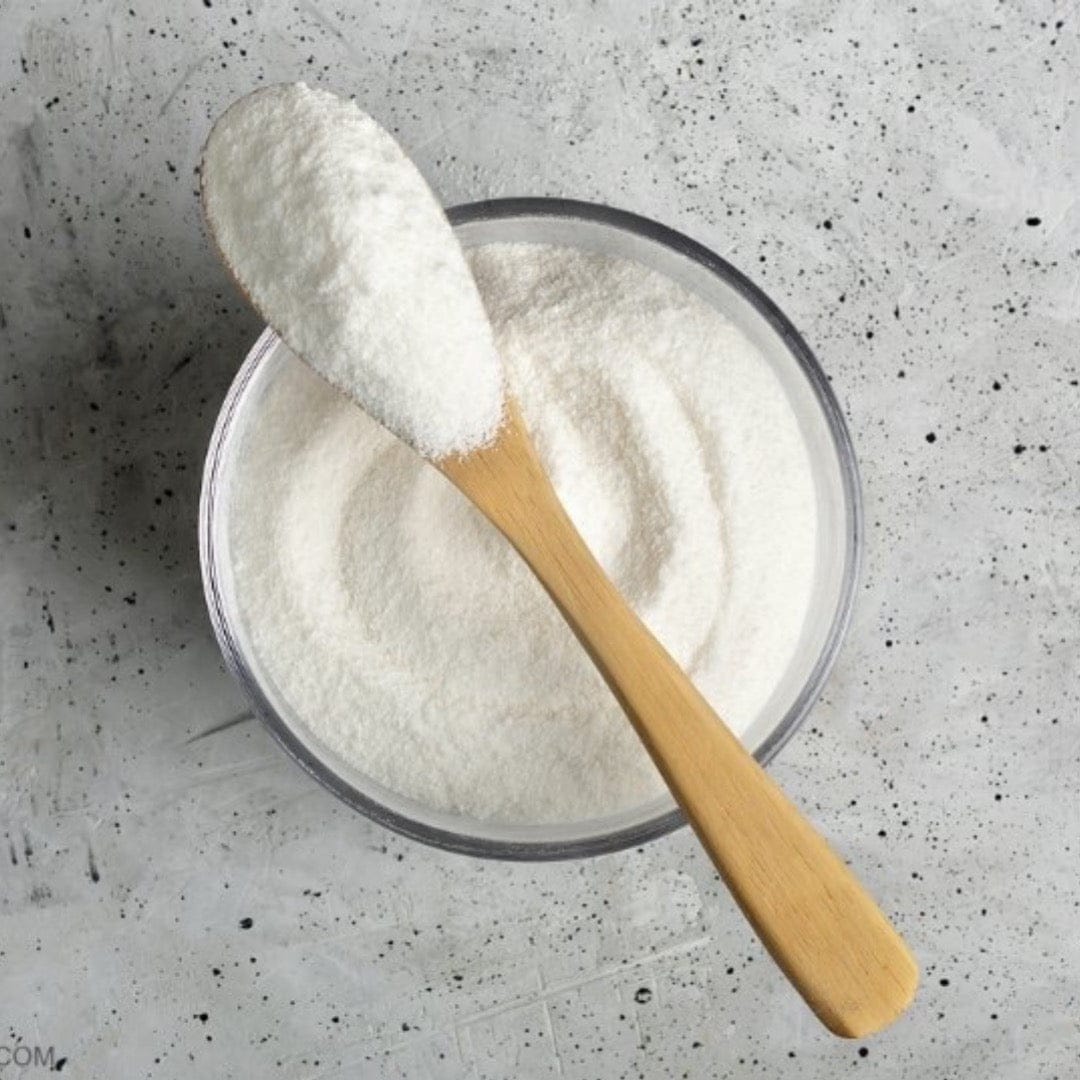
Look for a product that clearly identifies itself as gluten free and lists every ingredient. Ideally, the label contains collagen peptides and little else. This is especially useful if you are building a routine around coffee, tea, smoothies, soups, or water and do not want a competing flavor or a long list of additives.
Gluten Free Collagen Powder Is Only One Checkpoint
A gluten-free claim is useful, but it does not automatically tell you whether a collagen powder suits your values or wellness goals. The source and manufacturing standards deserve equal attention.
Halal certification brings needed clarity
Bovine collagen is often the preferred choice for people seeking an animal-based collagen supplement. But not every bovine collagen product is halal. If halal compliance is essential to you, do not rely on vague packaging language or assume that grass-fed means halal.
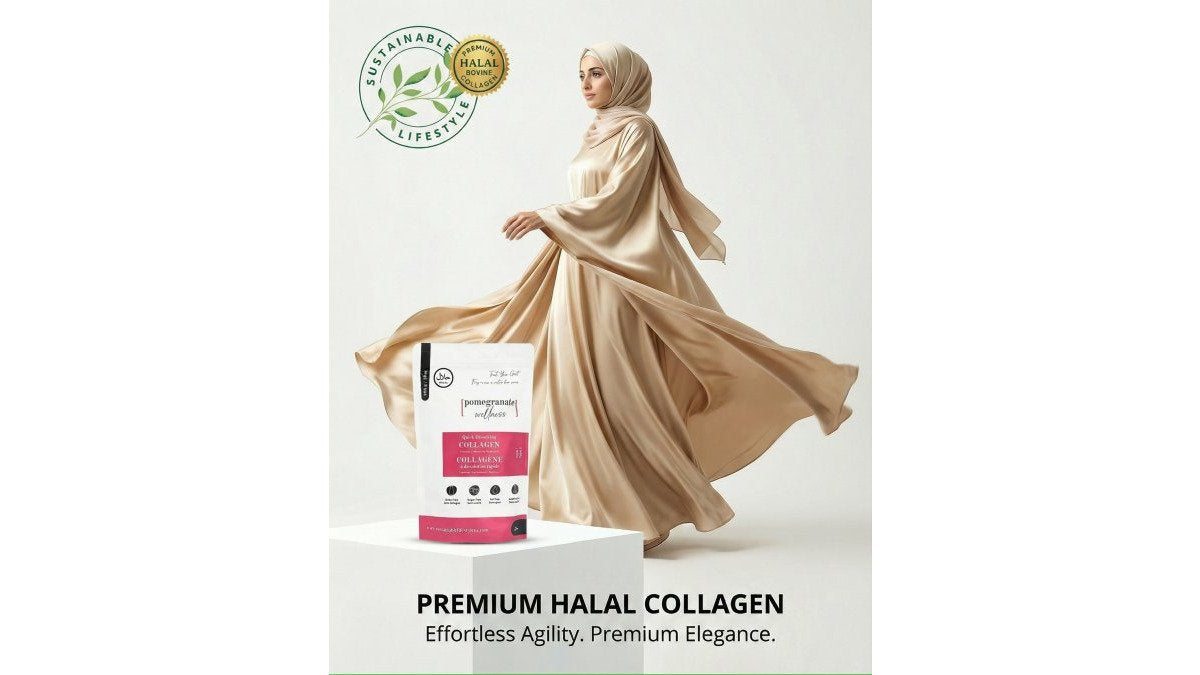
Halal certification provides reassurance that the sourcing and production process meets Islamic dietary requirements. For Muslim consumers, this is not an optional feature or a marketing bonus. It is the standard that allows a daily wellness product to fit naturally into a faith-aligned lifestyle.
Choose a brand that states its halal certification clearly and is willing to be transparent about its collagen source. A Muslim-owned wellness brand can also offer valuable community understanding, particularly when halal needs have been overlooked by mainstream supplement companies.
Clean labels make daily use easier
The strongest collagen formulas do not need to hide behind a complicated label. Unflavored, grass-fed, GMO-free bovine collagen with no gluten, dairy, sugar, fillers, or artificial additives gives you more control over how you use it.
That simplicity matters. A sweetened collagen blend may be convenient for one person, while someone else may want a neutral powder that works in a morning latte and an evening soup. If you are limiting sugar, managing dietary sensitivities, or sharing collagen in your household, an unflavored formula is usually the more flexible choice.
Quality should be supported by transparency
Claims such as grass-fed and clean-label are meaningful when a company can stand behind them. Look for brands that prioritize third-party testing, clear certification details, and customer support. You are putting this supplement into your routine regularly, so trust should be built on more than a trendy package.
Why People Add Collagen to Their Routine
Collagen is a structural protein found throughout the body, including the skin, hair, nails, joints, and connective tissues. Natural collagen production changes with age, which is why many adults include collagen peptides as part of their beauty-from-within and nutritional routines.
People commonly choose collagen to support skin elasticity and hydration, stronger-looking hair and nails, and everyday joint comfort. Results are personal and can depend on consistency, diet, age, stress, sleep, and individual health needs. Collagen is not a replacement for balanced meals or medical care, but it can be a simple addition to a well-rounded wellness routine.
For hair-focused routines, remember that no powder can solve every cause of shedding or thinning. Hormonal changes, iron levels, thyroid concerns, postpartum recovery, stress, and nutrition can all play a role. If hair loss is sudden, severe, or persistent, speak with a qualified healthcare professional. A clean collagen supplement is best viewed as supportive daily nutrition, not a miracle fix.
How to Choose a Gluten Free Collagen Powder
The easiest way to compare products is to start with what you need to avoid, then assess what gives you confidence. A product may be gluten free but still contain dairy, sweeteners, unnecessary flavors, or sourcing that does not meet halal requirements.
Prioritize these practical details:
- Clear halal certification: Confirm that halal status is plainly stated, especially for bovine collagen.
- A short ingredient list: Unflavored collagen peptides without sugar, fillers, dairy, or artificial ingredients offer the most flexibility.
- Reliable sourcing: Grass-fed, bovine collagen with transparent quality standards helps you make an informed choice.
- Third-party testing: Independent testing adds a meaningful layer of reassurance around product quality.
- Price per serving: A low sticker price is not always better value. Check servings per pouch or container before comparing.
- Convenient formats: A larger pouch may work best at home, while individual sachets make consistency easier during travel, workdays, or busy family schedules.
Easy Ways to Use Collagen Every Day
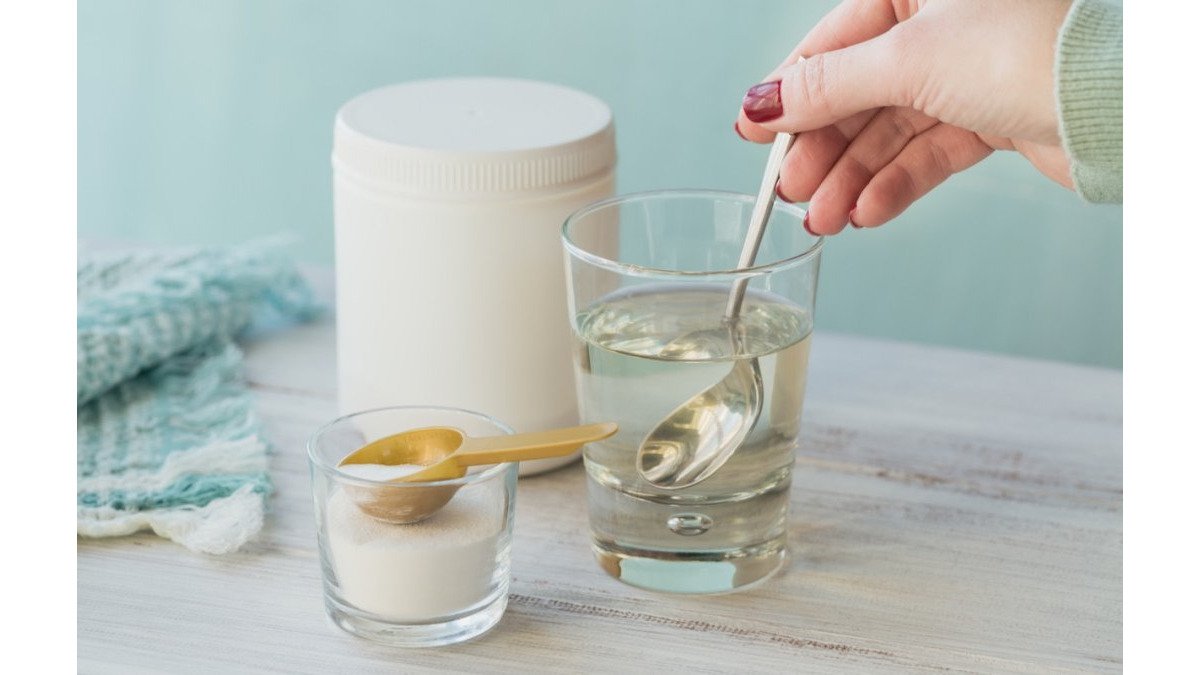
Unflavored collagen is designed to fit into food and drinks without changing the taste dramatically. Stir it into hot coffee or tea, blend it into a smoothie, or mix it into yogurt, oatmeal, soup, or sauces. Many people find a morning drink easiest because it connects collagen to an existing habit.
Hot and cold use both have a place. Warm drinks are convenient when you want the powder to dissolve quickly, while smoothies work well if you prefer a cold, protein-supported breakfast. Follow the serving directions on your chosen product, and give yourself time to establish consistency rather than expecting an overnight change.
If you are new to collagen, keep the routine uncomplicated. Pick one daily moment, use the recommended serving, and choose a product whose ingredients you do not have to second-guess. That is often more effective than buying multiple supplements and struggling to keep up.
Questions to Ask Before You Buy
Is all bovine collagen gluten free?
The collagen protein itself is generally gluten free, but finished products can contain added ingredients or be produced in facilities that handle gluten. Check the complete label and choose a product with a clear gluten-free statement if this is important for your diet.
Does grass-fed collagen mean it is halal?
No. Grass-fed describes how cattle were raised, while halal certification relates to religiously compliant sourcing and processing. A product can be grass-fed without being halal-certified. Look for both claims when both matter to you.
Is flavored collagen a bad choice?
Not necessarily. It depends on your needs. Flavored collagen can be enjoyable and convenient, but it may include sweeteners, sugar, natural flavors, or other ingredients you would rather avoid. Unflavored powder is the better fit when purity and versatility are your priorities.
Are collagen sachets worth it?
They can be. Sachets are useful for travel, office days, gym bags, and keeping a routine while visiting family. A larger pouch may offer a lower cost per serving at home, while sachets solve the practical problem of consistency on the go.
A daily supplement should make your routine feel simpler, not more complicated. Choose gluten-free collagen that meets your halal standards, keeps the ingredient list clean, and fits the way you actually live. When the formula is trustworthy and easy to use, taking care of your hair, skin, and everyday nutrition becomes a habit you can keep.