Cart
0
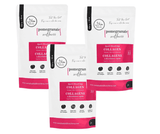
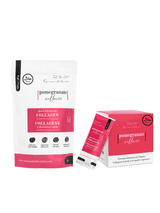
A collagen label can look clean at first glance, then leave you with more questions than answers. Is it actually dairy-free? Could a flavored powder contain gluten? Is the collagen halal-certified, or is that simply assumed? When you are choosing collagen without dairy or gluten, those details are not minor. They determine whether a daily wellness routine truly fits your dietary needs, values, and goals.
For people focused on stronger-looking hair, smoother-looking skin, and practical daily nutrition, collagen should be simple to use and simple to trust. The best choice is not the product with the longest list of trendy ingredients. It is one with transparent sourcing, a clean formula, and clear answers about what is - and is not - in every serving.
Why Dairy-Free and Gluten-Free Collagen Can Be Confusing
Collagen is a protein, not a dairy ingredient. Most bovine collagen comes from cattle, typically the hide, and does not naturally contain milk, lactose, or gluten. But that does not automatically make every collagen powder suitable for a dairy-free or gluten-free routine.
The concern often begins after the collagen itself is sourced. Brands may add flavor systems, creamers, sweeteners, probiotics, digestive blends, or other functional ingredients. A vanilla latte collagen, for example, may include milk-derived ingredients. A flavored blend may also carry a gluten cross-contact risk depending on where and how it is manufactured.
That is why the front of the tub is only the starting point. “Collagen peptides” tells you what the main ingredient is, but it does not tell you the full story about additives, allergens, certification, or production standards.
Collagen Is Not the Same as Dairy
Bovine collagen is not milk protein. It is different from whey and casein, which are the dairy proteins commonly found in shakes, creamers, and protein powders. A plain bovine collagen powder can be naturally dairy-free, making it a useful option for people who avoid dairy for dietary, digestive, or personal reasons.
Still, anyone with a diagnosed milk allergy should be especially careful. Look beyond broad marketing claims and review the ingredient panel and allergen statement. If the label is unclear, that is a reason to choose a more transparent brand rather than make assumptions.
Gluten Usually Comes From Added Ingredients or Cross-Contact
Pure, unflavored collagen peptides do not require wheat, barley, or rye. Gluten becomes relevant when a formula includes added ingredients or when manufacturing practices are not clearly controlled.
For someone with celiac disease or a medically necessary gluten-free diet, “no gluten ingredients” may not offer the same reassurance as a clear gluten-free statement and careful manufacturing disclosure. The right level of caution depends on your personal sensitivity and medical guidance.
What to Look for in Collagen Without Dairy or Gluten
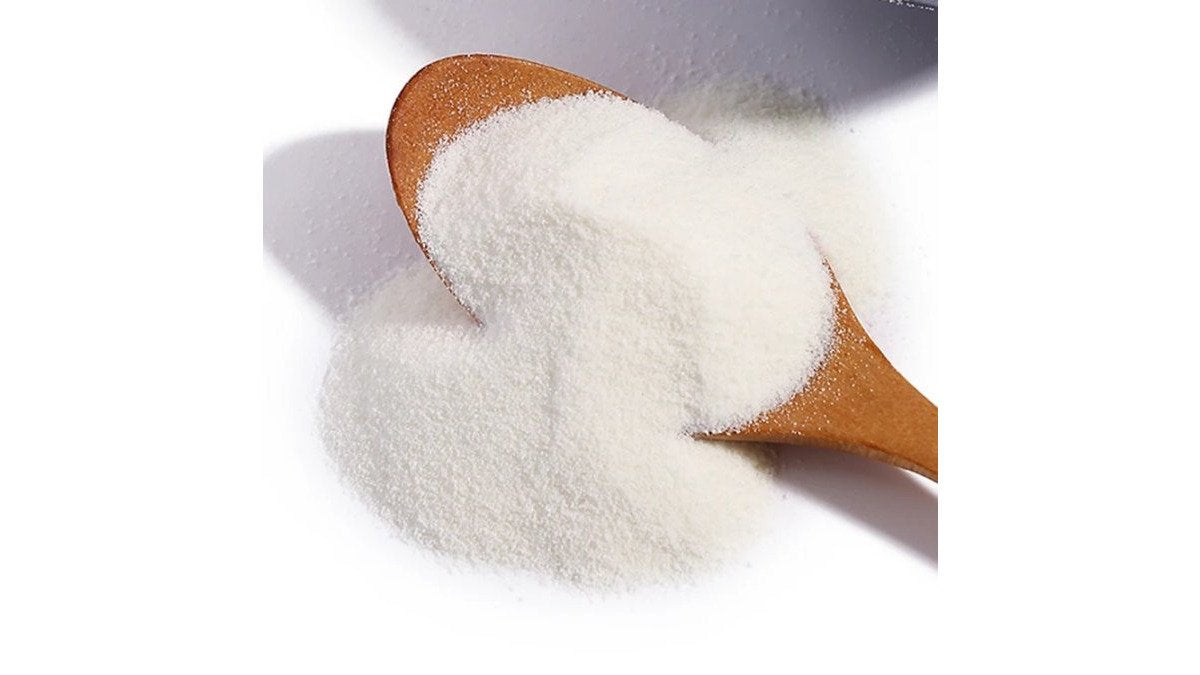
A clean collagen powder should make your decision easier, not force you to decode vague claims. Start with the ingredient list. Ideally, an unflavored product contains one straightforward ingredient: hydrolyzed bovine collagen peptides. Hydrolyzed simply means the protein has been broken into smaller peptides so it dissolves more easily in drinks and foods.
Then check the claims that matter to your routine. A trustworthy product should clearly state dairy-free and gluten-free status rather than bury those details in fine print. It should also identify the collagen source instead of using general language that leaves you guessing.
| What to check | Why it matters |
|---|---|
| Short ingredient list | Helps you avoid unnecessary flavors, sugars, creamers, and fillers. |
| Dairy-free statement | Reassures you that milk-derived ingredients are not part of the formula. |
| Gluten-free statement | Supports people avoiding gluten, especially when cross-contact is a concern. |
| Bovine source disclosed | Tells you where the collagen comes from and supports informed dietary choices. |
| Halal certification | Provides meaningful verification for Muslim consumers, not a guess based on ingredients. |
| Third-party testing | Adds another layer of confidence in product quality and label accuracy. |
A few extra ingredients are not always a problem. Some people prefer a flavored collagen for convenience, and others enjoy a formula with vitamin C. The trade-off is that every added ingredient creates another point to assess for allergens, sugar content, and compatibility with halal and clean-label expectations. If purity is your priority, unflavored collagen is usually the clearest route.
Halal Certification Is a Separate Standard
Dairy-free and gluten-free claims do not confirm that collagen is halal. This is where many mainstream wellness products fall short for Muslim shoppers.
Collagen can come from bovine, marine, chicken, or porcine sources. A bovine source may sound suitable, but halal compliance depends on more than the animal type. It includes sourcing, processing, handling, and credible certification. Without halal certification, Muslim consumers may not have the information needed to feel confident adding a product to their daily routine.
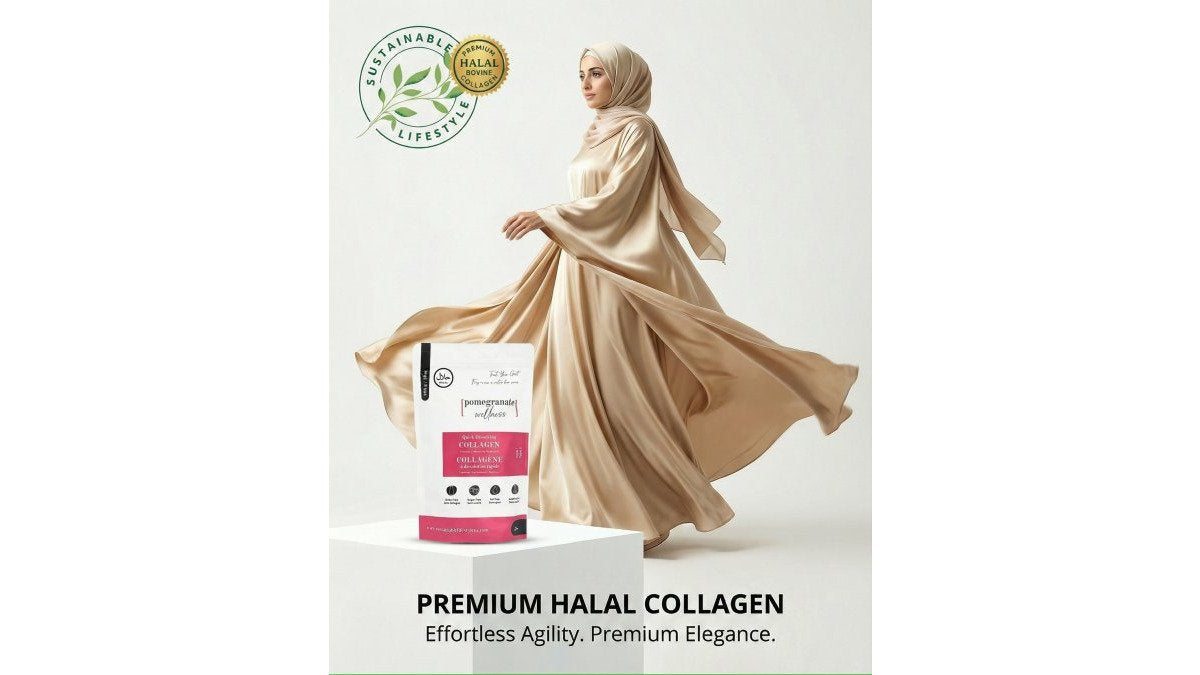
A halal-certified bovine collagen product offers a much stronger level of reassurance. It shows that the product has been evaluated against halal requirements rather than simply marketed with broad language. For a wellness supplement used every day, that clarity matters.
Sustainable Lifestyle focuses on halal-certified, grass-fed bovine collagen with no dairy, gluten, sugar, fillers, or unnecessary additives. That combination is designed for people who should not have to choose between their wellness goals and their religious values.
Why Unflavored Collagen Often Makes the Most Sense
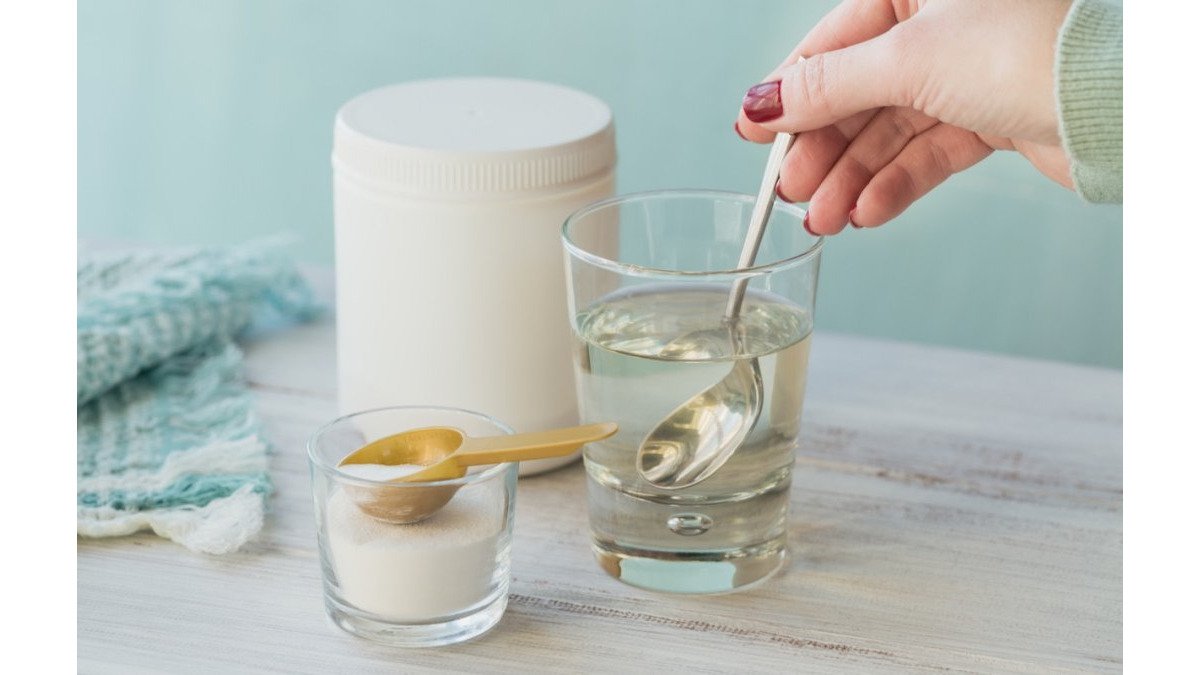
Unflavored collagen is not boring. It is flexible. A quality powder should mix easily into coffee, tea, smoothies, soups, oatmeal, yogurt alternatives, or plain water without turning your routine into a complicated recipe.
It also gives you control. You can choose your own dairy-free milk, your own gluten-free meals, and your own level of sweetness. Rather than paying for a pre-made flavor profile that may include ingredients you do not want, you begin with a clean protein base and use it your way.
This is especially helpful when several people in one household have different preferences. One person may stir collagen into morning coffee, another may add it to a berry smoothie, and someone else may take a travel-friendly sachet to work or the gym. The formula stays the same, while the routine can change.
Use Collagen Consistently, Not Perfectly
Collagen is best treated as a daily habit, not a one-time beauty fix. People commonly use it to support skin hydration and elasticity, hair and nail appearance, and general protein intake. Results vary from person to person, and wellness products work best alongside adequate nutrition, hydration, sleep, and a balanced lifestyle.
The easiest approach is to attach collagen to something you already do. Add a serving to your first drink of the day, keep sachets in your bag, or place the pouch beside the blender. Consistency is more useful than having an elaborate routine you only follow twice a week.
If you are pregnant, nursing, managing a medical condition, or taking medication, speak with a qualified health professional before starting a new supplement. And if you have a severe food allergy or celiac disease, use the level of product verification that your healthcare provider recommends.
A Clean Standard Is Worth Asking For
The right collagen should not leave you wondering whether it contains hidden dairy, gluten-related risks, or ingredients that do not align with halal requirements. Look for a clearly identified bovine source, a short ingredient list, dairy-free and gluten-free claims, and halal certification you can trust.
Your daily collagen can be simple: clean protein, practical nutrition, and confidence in every scoop. When the formula respects both your wellness routine and your values, it becomes much easier to keep that promise to yourself each day.