Cart
0
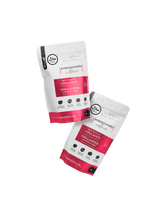
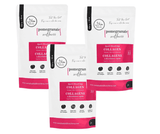
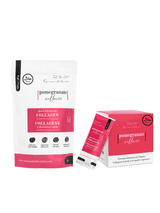
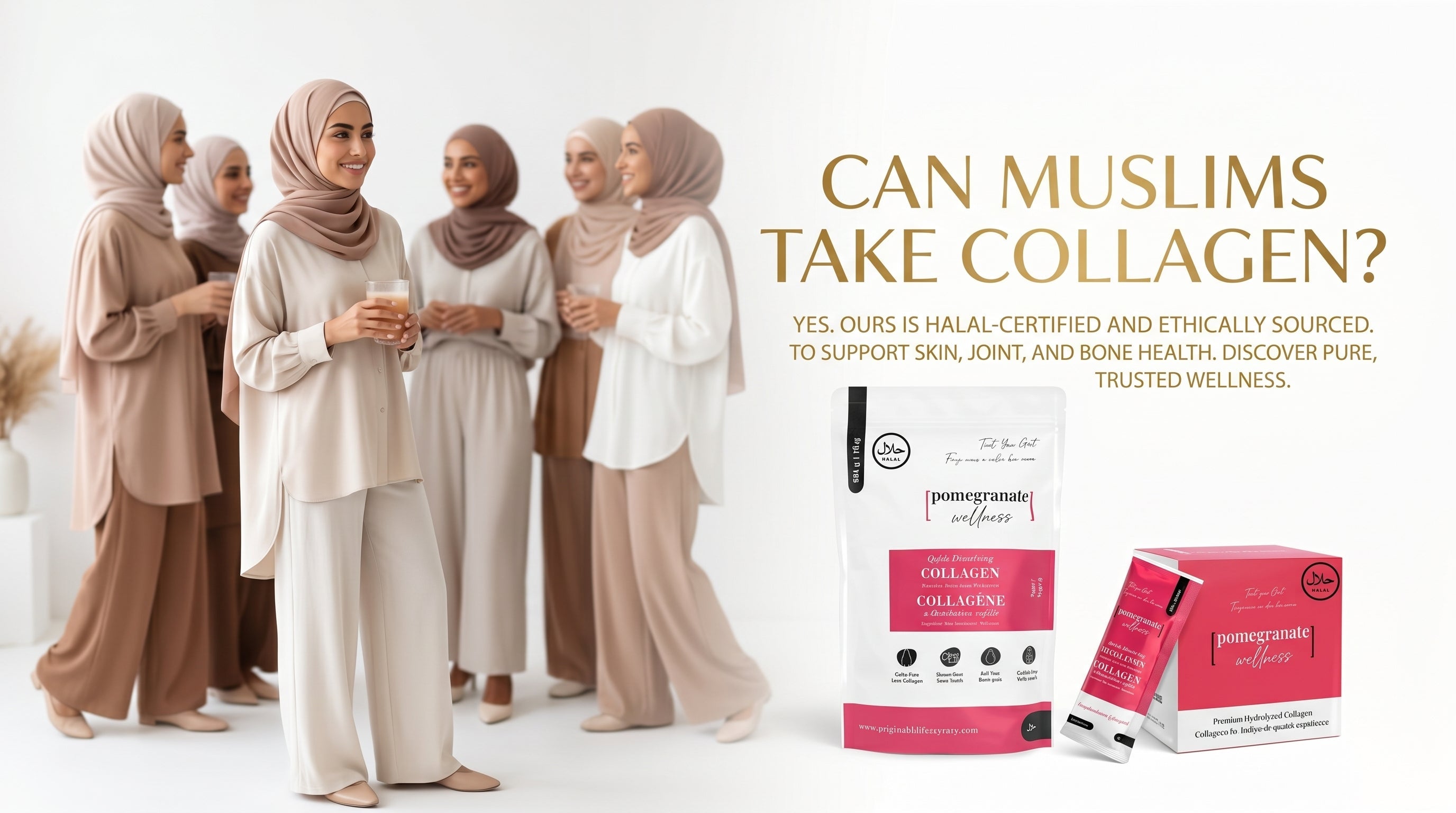
A collagen tub can look clean, simple, and healthy - until you start asking where it came from. For many shoppers, that is where the real decision starts. Collagen for Muslim women is not just about beauty claims or trendy packaging. It is about finding a supplement that supports hair, skin, and daily wellness without compromising halal standards, ingredient quality, or peace of mind.
That matters more than most labels admit. Many collagen products talk about glow, strength, and recovery, but stay vague about sourcing, certification, and what is actually inside each scoop. If you are trying to build a routine that aligns with both your health goals and your faith, vague is not good enough.
Why collagen for Muslim women needs a closer look
Collagen is a protein found in skin, bones, and connective tissue. As a supplement, it is usually sourced from bovine, marine, or porcine ingredients. That is exactly why Muslim consumers have to be more careful than the average shopper. Not every collagen product is halal, and not every brand is transparent about where its collagen comes from or how it is processed.
For Muslim women, the buying decision often includes more than one layer. You may want support for hair thickness, stronger nails, skin elasticity, or general nutritional support. At the same time, you want clean ingredients, no unnecessary fillers, and clear halal certification from a brand that understands why that standard matters.
That combination can be surprisingly hard to find. Some products are marketed as clean but are not halal-certified. Others may be technically bovine but still leave too many questions unanswered around sourcing, flavor systems, or cross-contamination. When a supplement becomes part of your daily routine, trust is not a bonus. It is the product.
What actually matters in a halal collagen
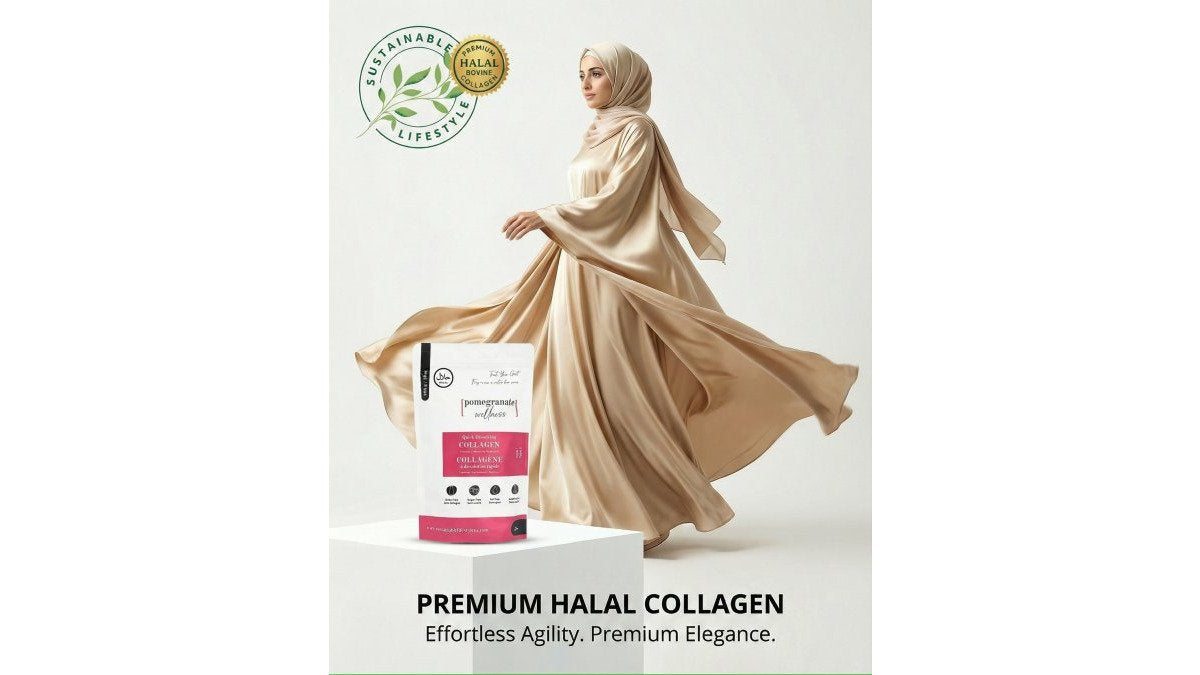
The first thing to check is the collagen source. For most Muslim consumers, halal-certified bovine collagen is the clearest and most practical option. It avoids the concerns tied to porcine collagen and is often easier to fit into a daily routine than marine collagen, especially if taste and smell are issues.
Certification is the second piece. A product can say bovine on the front label and still fail to give real confidence if there is no halal certification behind it. Certification matters because it speaks to sourcing, handling, and process standards, not just marketing language. If a brand avoids showing that clearly, it is fair to ask why.
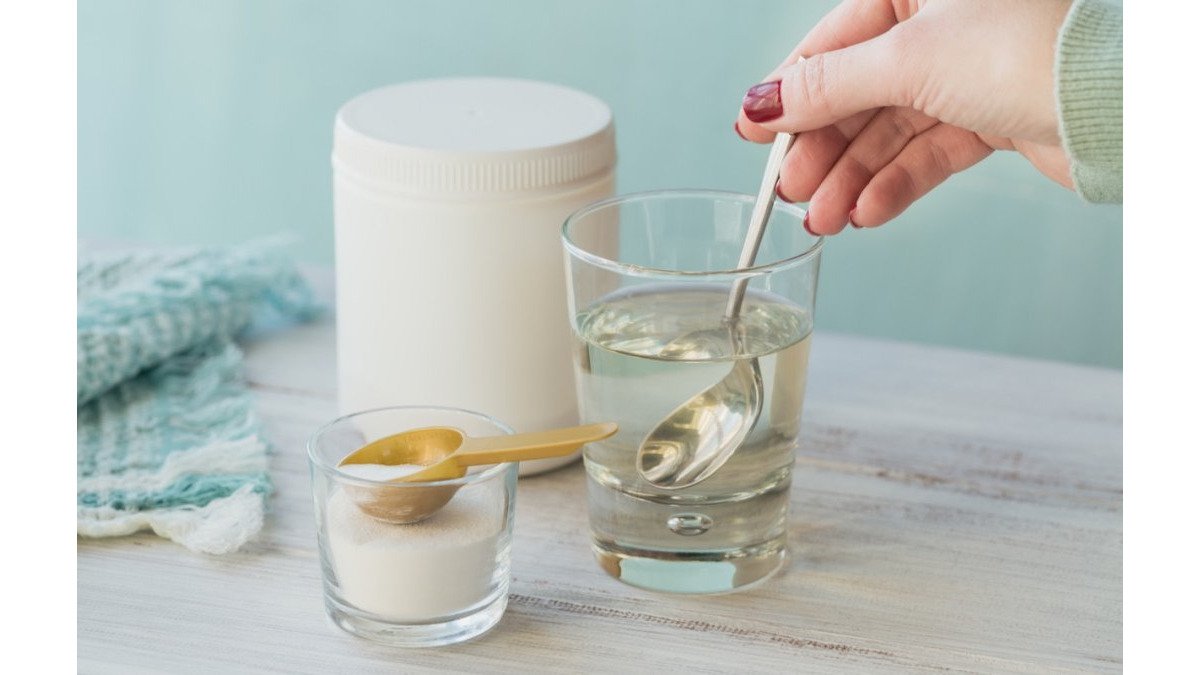
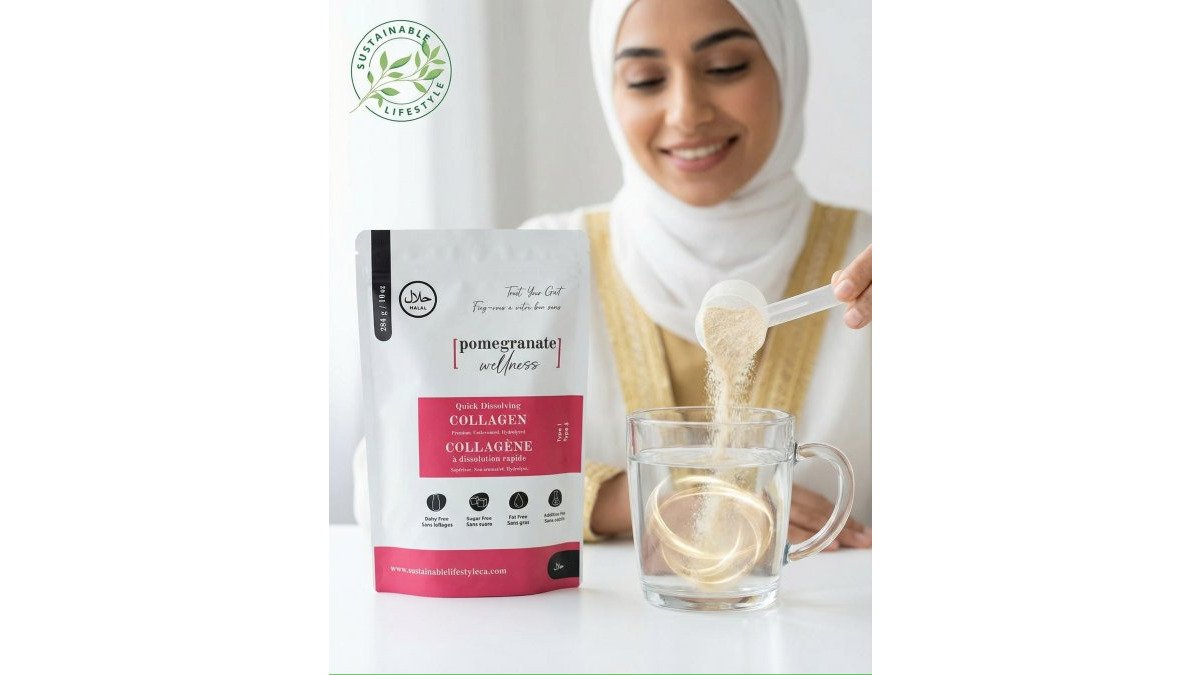
After that, look at the full ingredient panel. The best collagen powders for everyday use tend to be simple. Unflavored formulas with no sugar, dairy, gluten, or filler ingredients are usually easier to trust and easier to add to coffee, tea, smoothies, or even plain water. If you are using collagen daily, simplicity often wins.
There is also the question of format. A large pouch may make sense if you use collagen every morning at home. Sachets are often better for work, travel, or keeping your routine consistent when life gets busy. Convenience matters because even a great supplement does not help much if it sits in the cabinet.
Skin, hair, and beauty support - what collagen can and cannot do
A lot of women first look into collagen because of hair and skin. That makes sense. Collagen is closely associated with skin structure and is commonly used in beauty-from-within routines. Many women also use it as part of a broader plan for hair support, especially when they want a simple daily protein addition.
Still, it helps to be realistic. Collagen is not an overnight fix, and it is not a replacement for sleep, hydration, balanced nutrition, or medical care when something deeper is going on. If hair shedding is related to hormones, iron deficiency, postpartum recovery, or stress, collagen may support your routine but it is not the whole answer.
That does not mean it is not worth taking. It means the best results usually come from consistency and context. A high-quality halal collagen can be a strong daily support product, particularly when you want something easy, clean, and sustainable rather than another complicated wellness trend.
How to compare collagen for Muslim women
When two collagen products look similar, the differences usually come down to trust, purity, and value. One brand may offer a lower sticker price but use added flavors, sweeteners, or less transparent sourcing. Another may cost more upfront but deliver better price per serving, stronger halal credibility, and a cleaner formula.
That is the comparison that matters. Not every product designed for the mass market is built for Muslim consumers, and that gap shows up fast once you start reading labels closely. Brands that genuinely serve this audience tend to be more direct about halal standards, ingredients, and what is not included in the formula.
A good product should answer basic questions without making you work for the information. What is the source? Is it halal-certified? Is it grass-fed? Are there fillers, sugars, or artificial ingredients? Is it tested? Can you use it every day without having to think twice? If those answers are hard to find, that uncertainty is part of the product experience too.
Choosing a formula you will actually use every day
The best collagen is often the one that fits naturally into your routine. If you already drink coffee or tea in the morning, an unflavored powder can be the easiest option. If your schedule changes every day, sachets may be better because they remove the friction of measuring and packing.
Texture and taste matter more than people admit. A clean unflavored bovine collagen should mix easily into hot or cold drinks without turning your routine into a chore. If a product smells strong, tastes off, or leaves clumps, staying consistent becomes harder.
This is also where clean-label formulation matters. Many women are not looking for a long list of added ingredients. They want one supplement that does its job well, works with their lifestyle, and does not create new concerns around sugar, allergens, or unnecessary extras.
Why Muslim-owned and community-rooted brands stand out
There is a difference between a brand that happens to sell collagen and a brand that understands why halal certainty matters at the point of purchase. For Muslim women, that difference is practical. It affects how confidently you buy, how quickly you get your questions answered, and whether the product feels built for your life or simply adapted for it.
A Muslim-owned halal wellness brand often recognizes the concerns mainstream brands overlook. It knows that faith alignment is not a niche preference. It is a baseline requirement. It also understands that customers want more than certification alone. They want clean sourcing, fair value, useful formats, and support they can trust.
That is why brands like Sustainable Lifestyle resonate with many Muslim consumers. The appeal is not just collagen itself. It is the combination of halal certification, clean formulation, convenience, and a clear commitment to serving the Muslim wellness community without compromise.
A smarter way to shop for collagen
If you are comparing options, do not get distracted by oversized promises. Focus on the basics done well. Halal-certified bovine collagen. Clean ingredients. No fillers. Easy daily use. Strong value per serving. Packaging that fits real life, whether that means a home pouch or travel sachets.
And give yourself permission to be selective. Collagen for Muslim women should not require guesswork, label decoding, or settling for a product that is almost right. There are enough choices on the market now to expect more.
The right collagen should feel simple from the start - clear source, clear standards, clear purpose. When a supplement supports your routine and your values at the same time, sticking with it becomes much easier. That is usually where the real results begin.