Cart
0
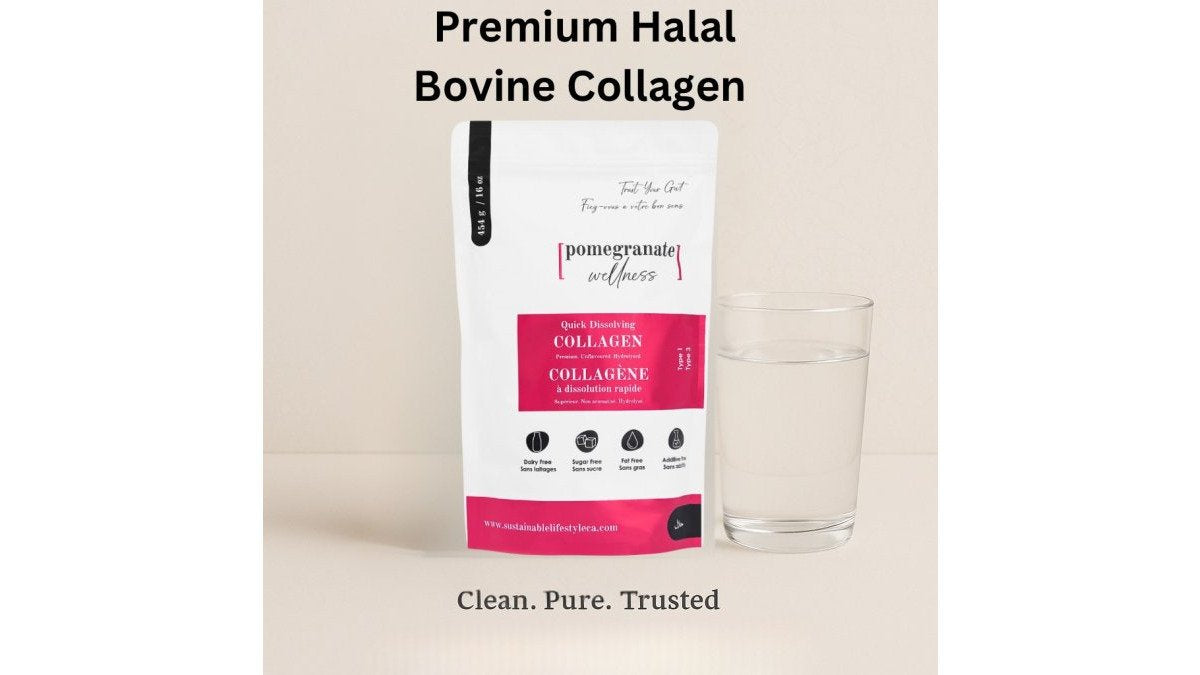
Table of Contents
- What to Check Before You Buy Pure Bovine Collagen Online
- How to Use Unflavored Collagen Powder in Your Daily Routine
- Collagen Supplement Side Effects: What to Expect
- Grass-Fed Sourcing and Sustainability in Collagen Production
- Comparing Collagen Options: What You Get at Each Price Point
- How Collagen Fits With Other Supplements and Medications
- Frequently Asked Questions
Last Updated: October 2, 2026
What to Check Before You Buy Pure Bovine Collagen Online
When you buy pure bovine collagen online, the label is your only real protection. Bovine collagen is a protein supplement made from cattle connective tissue, processed into peptides your body can absorb. It supports skin elasticity, joint comfort, and gut wellness, but quality varies wildly between products. Labels hide more than they reveal.
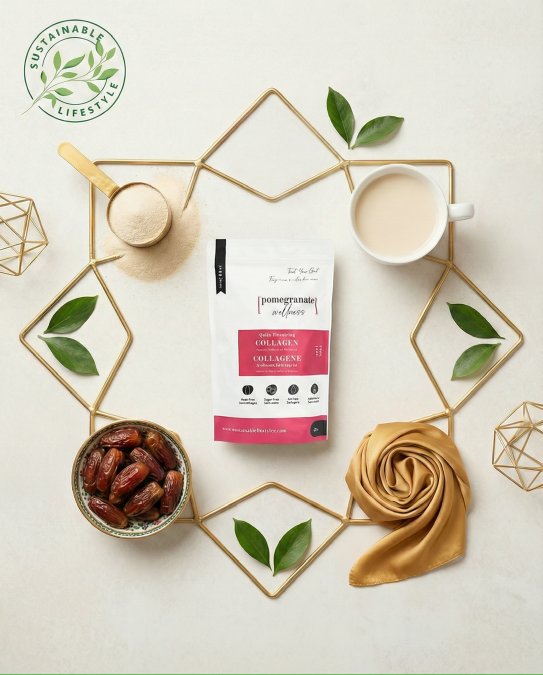
Label Basics: Type I and III, Hydrolyzed Peptides, and Serving Size
Hydrolyzed collagen peptides are collagen proteins broken into smaller chains so the body can absorb them more efficiently. Look for two things first: type and form.
- Type I and III collagen covers skin, hair, tendons, and bone. This is what bovine collagen delivers best.
- Hydrolyzed peptides means the protein is pre-broken for better bioavailability. Non-hydrolyzed collagen absorbs poorly.
- Serving size and protein content tell you what you actually get per scoop. A 10g serving with 9g protein beats a 20g serving with 8g protein.
Halal-Certified vs. Halal-Claimed
A "Halal" label on a package means nothing without a certifying body behind it. Certification requires an independent auditor to verify sourcing, slaughter method, and processing facilities.
How to Use Unflavored Collagen Powder in Your Daily Routine
Unflavored collagen powder is the easiest supplement to build into a routine because it disappears into almost anything. No taste, no smell, no texture change. One scoop, stir, done.
Here is how most people work it in:
- Morning coffee or tea: Stir one scoop into a hot drink. It dissolves without clumping.
- Water or smoothies: Works in cold liquids too. No grit, no aftertaste.
- Soups and baking: Heat does not break down the peptides, so it holds up in cooked recipes.
- Timing: Consistency matters more than the hour. Same time daily beats perfect timing.
Pro Tip
Mix your scoop into the first drink you make every morning. Anchoring a new supplement to an existing habit is the single biggest predictor of whether you stick with it past month one.
Collagen Supplement Side Effects: What to Expect
Collagen supplement side effects are usually mild and short-lived. Most people notice nothing at all. When reactions do occur, they cluster into three categories: digestive adjustment, protein load, and source-specific sensitivity.
Why Reactions Happen at All
Collagen is a protein, and hydrolyzed collagen peptides are short chains of amino acids, mostly glycine, proline, and hydroxyproline. When you introduce a new protein source, the gut microbiome and digestive enzymes need a few days to adapt. That adjustment period, not the collagen itself, is what produces most early complaints.
Common Reactions and What They Usually Mean
- Bloating or fullness: Most common in the first three to five days. Usually resolves once the gut adapts.
- Mild digestive discomfort: Often tied to taking a full scoop on an empty stomach. Splitting the dose or taking it with a meal typically fixes it.
- Loose stools: Rare, and usually a sign the starting dose was too high. Halving the scoop for a week is the standard fix.
- Headache: Occasionally reported, usually in people who also increased total protein intake at the same time. Check whether anything else in your routine changed.
- Skin breakouts: Uncommon, but reported by some users in the first two weeks. Usually settles; if it persists past a month, stop and reassess.
Who Should Be More Careful
- Beef allergy: Bovine collagen is derived from cattle connective tissue. Anyone with a confirmed beef allergy should avoid it entirely and consider marine or eggshell membrane collagen instead.
- Histamine sensitivity: Some people react to collagen peptides with flushing or headache. If you know you are histamine-sensitive, start with a very small dose.
- Pregnancy and breastfeeding: Collagen is generally considered food-safe, but there is limited clinical data on high-dose supplementation during pregnancy. Talk to your healthcare provider first.
- Kidney conditions: A high-protein supplement may not be appropriate if you have been advised to restrict protein. Confirm with your doctor.
- Prescription medications: See the interactions section below for timing guidance.
How to Start Without Triggering a Reaction
A staged ramp is the simplest way to avoid the adjustment period entirely:
- Week one: Half a scoop daily, taken with food.
- Week two: Full scoop daily, still with food.
- Week three onward: Full scoop at whatever time of day fits your routine. Consistency matters more than timing.
Watch Out
Do not push through ongoing digestive symptoms hoping they will resolve. A two-week adjustment window is normal; anything beyond that is a signal to stop and get advice.
What Side Effects Are Not
A few claims circulate online that are not supported by the evidence. Collagen does not cause kidney damage in healthy adults at typical supplemental doses. It does not interfere with collagen your body produces on its own, the body does not downregulate endogenous collagen production in response to dietary collagen. And it does not cause weight gain; at roughly 35 to 40 calories per 10g scoop of pure unflavored powder, the caloric impact is negligible.
Grass-Fed Sourcing and Sustainability in Collagen Production
Sourcing decides quality more than any marketing claim on the front of the bag. Grass-fed, pasture-raised cattle produce collagen from animals raised on their natural diet, and the resulting amino acid profile tends to be more consistent.
Ask three questions of any brand:
- Where are the cattle raised?
- Is the facility independently inspected?
- Can the brand show a certificate, not just a claim?
Watch Out
A bag that says "grass-fed" but names no farm, no country of origin, and no certifier is a marketing label, not a sourcing claim. If a brand cannot answer basic traceability questions, treat the claim as unverified.
Comparing Collagen Options: What You Get at Each Price Point
Most buying guides compare collagen on price per tub. That is the wrong metric. What actually separates a good product from a cheap one is bioavailability, how much of what you swallow your body can actually use, and that depends on three things: the delivery format, the degree of hydrolysis, and the purity of the formula.
Value Upgrade: Unflavoured Halal →
Bioavailability by Delivery Format
This is the gap almost every competitor skips. The format you choose changes how much collagen reaches your bloodstream.
- Powder: The highest practical bioavailability for a daily routine. Hydrolyzed peptides in powder form are already broken into short chains, and dissolving them in liquid pre-starts absorption. You also control the dose precisely, which matters because clinical research on collagen typically uses 10g to 15g per day, a dose that is awkward to hit with capsules.
- Capsules: Convenient, but limited by volume. A typical capsule holds 500mg to 1g of powder. Hitting a 10g daily dose means swallowing 10 to 20 capsules. Capsules also dissolve more slowly, delaying absorption. Best for travelers or people who cannot tolerate the taste of anything, though a truly unflavored, odorless powder sidesteps that objection entirely.
- Liquid collagen: Often marketed as "faster absorbing." In practice, liquid formats frequently contain added water, flavoring, preservatives, or sweeteners, which dilutes the actual collagen per serving. Read the label for grams of collagen, not milliliters of liquid.
- Gummies: The lowest collagen density per unit and usually the highest sugar content. Fine as a treat, poor as a serious daily supplement.
Hydrolyzed vs. Non-Hydrolyzed
Hydrolyzed collagen has been enzymatically broken into peptides small enough to survive digestion and enter the bloodstream. Non-hydrolyzed collagen, sometimes sold as "native" or "undenatured", is a longer-chain protein that your body must break down first, and absorption is less efficient. If a label does not say hydrolyzed, assume it is not.
What to Actually Compare on the Label
Ignore the front of the bag. Compare these five things:
- Grams of collagen per serving. Not total scoop weight. A 20g scoop that delivers 8g of collagen is worse than a 10g scoop that delivers 9g.
- Hydrolysis status. Look for "hydrolyzed collagen peptides" or "collagen peptides."
- Type. Type I and III is the standard bovine profile and covers skin, hair, joints, and bone.
- Additives. Pure collagen has one ingredient. Flavors, sweeteners, anti-caking agents, and maltodextrin are all filler.
- Certification. A named certifying body with a verifiable certificate number, not a printed word.
Sourcing: Grass-Fed vs. Conventional
Grass-fed, pasture-raised cattle are raised on their natural diet, and the resulting collagen tends to have a more consistent amino acid profile. Pasture-based operations also generally use less feed input and support soil health compared with feedlot systems, a real consideration for buyers who care about environmental impact alongside product quality.
Watch Out
"Grass-fed" without a named farm, country of origin, and certifier is unverifiable. Treat it as decoration until the brand can show documentation.
Dietary Suitability
Pure bovine collagen peptides are naturally free from gluten, dairy, soy, sugar, and artificial preservatives. That makes them suitable for most dietary patterns, including gluten-free, dairy-free, and low-sugar diets. If you follow a Halal diet, look for a Halal-certified product where the certifier is named and the certificate can be verified, not a product that simply prints the word.
The Trade-Off You Are Actually Making
Certified, traceable, single-ingredient collagen costs more per gram than a generic flavored tub. The gap buys you four things: verifiable certification, traceable sourcing, no filler ingredients, and a formula you can take without changing the taste of your coffee, tea, smoothie, or water. Whether that gap is worth it depends on whether those four things are requirements or nice-to-haves for you.
How Collagen Fits With Other Supplements and Medications
Collagen plays well with most supplements, but a few combinations deserve attention. This is the gap most buying guides skip.
- Vitamin C: Pairs well. Vitamin C supports collagen synthesis in the body, so many people take them together.
- Protein powder: No conflict, but watch total protein intake if you are tracking macros.
- Blood thinners and thyroid medication: Timing can matter. Separate collagen from these medications by a few hours and confirm with a pharmacist.
- Calcium and iron: Collagen does not block absorption, but taking everything at once can upset sensitive stomachs.
Frequently Asked Questions
What should I look for when buying pure bovine collagen online?
Check four things: the collagen type (Type I and III are most common for skin, hair, and joint support), whether it is hydrolyzed for better absorption, the sourcing (grass-fed, pasture-raised cattle), and third-party testing or certification. If Halal compliance matters to you, look for an explicit Halal certification rather than a general claim. Also confirm the serving size and total servings per pouch so you can compare cost per day, not just sticker price.
Does unflavored bovine collagen change the taste of drinks?
A properly hydrolyzed, unflavored collagen powder should be odorless and dissolve without changing the taste of water, coffee, tea, or smoothies. Some lower-quality powders leave a faint protein aftertaste or clump at the bottom of the glass. If you notice either, try stirring longer or blending the powder into a warm liquid first. A clean-label product with no added flavoring or sweeteners is the easiest way to avoid unwanted taste changes.
What are the common side effects of taking collagen supplements?
Most people tolerate collagen powder well. Some report mild digestive discomfort such as bloating or a feeling of fullness, especially in the first week or when starting at a high dose. If you have sensitive digestion, begin with half a serving and increase gradually. Collagen is a protein, so anyone with a known allergy to bovine products should avoid it. If you take prescription medication or have a medical condition, speak with your healthcare provider before adding any supplement.
How long does it take to see results from bovine collagen?
Timelines vary by person and by what you are supporting. Some people notice improvements in skin hydration within four to eight weeks of consistent daily use. Hair and nail changes typically take longer, often three to six months, because of natural growth cycles. Joint comfort may improve within a few weeks for some users. Consistency matters more than dose size, so a daily routine you can maintain is more useful than occasional large servings.