Cart
0

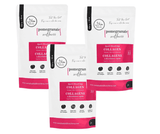

Table of Contents
- What Determines How Long for Collagen Results
- The Collagen Supplementation Timeline: What to Expect by Week and Month
- Collagen Benefits for Skin Elasticity and Texture
- Oral vs. Topical Collagen: Which Delivers Faster Results
- How Age, Lifestyle, and UV Damage Affect Your Results
- How to Measure Progress: Metrics That Matter
- Building a Daily Routine That Supports Collagen Synthesis
- Conclusion
- Frequently Asked Questions
Last Updated: September 30, 2026
What Determines How Long for Collagen Results
Most people quit collagen too early. That's the single biggest reason they never see results. How long for collagen results depends on three things: how you take it, how consistently you take it, and what your body is working with.

Collagen is the most abundant protein in your body. It holds skin together, cushions joints, and lines your gut. Your natural supply starts dropping in your mid-twenties, and it keeps falling.
The timeline for visible change runs roughly 8 to 12 weeks for skin and joints. Hair and nails take longer, often 3 to 6 months.
Sustainable Lifestyle, a Halal-certified collagen brand, often addresses the question: how long until this actually works?
The Collagen Supplementation Timeline: What to Expect by Week and Month
The collagen supplementation timeline breaks into four phases. Each one builds on the last, so skipping ahead doesn't work.
Key Takeaway
The 8-12 week mark is the first real checkpoint. If nothing has changed by week 12, look at dosage, consistency, and lifestyle factors before giving up.
Collagen Benefits for Skin Elasticity and Texture
Skin elasticity is the ability of skin to stretch and snap back. Collagen fibers provide that spring. When collagen density drops, skin sags and fine lines deepen.
Oral vs. Topical Collagen: Which Delivers Faster Results
Topical collagen delivers faster surface results. Oral collagen delivers deeper, longer-lasting ones. That is the short version. The longer version is about molecule size, absorption, and what each route can actually reach.
Why topical collagen cannot rebuild the dermis
Collagen molecules in creams and serums are large, often in the 300,000 Dalton range. The epidermal barrier only allows molecules under roughly 500 Daltons to pass through. That means intact collagen sits on the surface. It can hydrate, smooth, and temporarily plump the skin, but it does not enter the dermis and does not become new structural collagen. What you see in the first days to two weeks is surface hydration, not collagen rebuilding.
How oral collagen reaches the dermis
Oral supplementation works through a different path. Hydrolyzed collagen peptides are small enough to survive digestion and enter the bloodstream. From there, they reach the dermis and act as signaling molecules, triggering fibroblasts to produce new collagen and elastin. The peptides are not literally deposited as collagen; they tell the body to build more.
| Approach | First Results | Mechanism | Best For | Limitation |
|---|---|---|---|---|
| Topical | Days to 2 weeks | Surface hydration and signaling | Surface hydration, texture, fine lines | Cannot reach the dermal layer |
| Oral | 8-12 weeks | Peptide signaling to fibroblasts | Skin firmness, joints, hair, gut | Takes consistency and time |
| Both together | 4-8 weeks | Combined surface and structural support | Full-spectrum support | Higher routine load |
Bioavailability: why form matters
Hydrolyzed peptides absorb better than whole collagen. Powder forms generally offer more flexibility on dose than capsules, and they mix into any hot or cold beverage without changing taste. For anyone building a daily habit, that matters more than the delivery format on a label.
The practical trade-off
Topical gives you a fast visual win, which helps with motivation. Oral gives you structural change, which is what most people actually want. The strongest approach combines both: a topical product for surface hydration and an oral supplement for dermal rebuilding. If you can only do one, oral is the route that addresses the underlying collagen density.
Pro Tip
If you start both at the same time, expect surface improvements in the first two weeks and structural changes around week 8. Tracking both separately keeps you from crediting the wrong product.
How Age, Lifestyle, and UV Damage Affect Your Results
Age is the biggest variable, but it is not a simple count of birthdays. What matters is your existing collagen density, your cumulative UV exposure, and how fast your fibroblasts still respond to peptide signaling.
Here is the pattern most practitioners see:
| Age band | Typical first visible change | Typical full effect |
|---|---|---|
| 20s-30s | 6-8 weeks | 3 months |
| 30s-40s | 8-12 weeks | 4 months |
| 40s-50s | 10-14 weeks | 5-6 months |
| 50s+ | 12-16 weeks | 6 months or longer |
The biological mechanism behind the delay
Collagen synthesis is not a single event. It runs through a cycle: peptide absorption, fibroblast stimulation, procollagen assembly, cross-linking, and finally integration into the dermal matrix. Each stage takes time, and the whole cycle is what produces the 8-12 week window for skin and the 3-6 month window for hair and joints. This is why nothing visible happens in weeks 1-4. The body is not ignoring the supplement.
Lifestyle inhibitors that slow or negate results
These are the habits that work directly against collagen synthesis:
- Smoking and vaping. Nicotine constricts blood vessels, reducing oxygen and nutrient delivery to skin. It also triggers matrix metalloproteinases, enzymes that break down existing collagen faster than you can rebuild it.
- High sugar and refined carbs. Glycation binds sugar molecules to collagen fibers, making them stiff and brittle. Glycated collagen is harder for the body to repair and shows up as sagging and dullness.
- Poor sleep. Most tissue remodeling happens during deep sleep, when growth hormone peaks. Chronic short sleep blunts that repair window.
- Chronic stress. Sustained cortisol elevation suppresses fibroblast activity and slows wound-healing pathways that overlap with collagen synthesis.
- Excess alcohol. Alcohol dehydrates skin and depletes vitamin C and zinc, both required cofactors for collagen formation.
- Blue light and pollution. Both generate free radicals that trigger oxidative stress in the dermis, degrading collagen over time.
UV damage: the largest single factor
Photoaging accounts for most visible skin aging, well beyond natural collagen depletion. UVA penetrates the dermis and damages collagen directly; UVB drives surface damage and inflammation. Daily broad-spectrum sunscreen is the single highest-leverage habit for anyone taking collagen, because it protects the collagen you already have while the supplement builds new.
Ultimate Value Bundle – 2 x 16oz (454g) →
Watch Out
Skipping sunscreen while taking collagen is like filling a bucket with a hole in it. UV exposure degrades collagen faster than most supplements can replace it, and no dose of oral collagen outruns unprotected sun exposure.
Synergistic ingredients that accelerate results
Collagen does not work alone. Pair it with:
- Vitamin C. Required for the hydroxylation steps in collagen synthesis. Without it, the body cannot assemble stable collagen fibers.
- Hyaluronic acid. Supports skin hydration, which makes early texture improvements more visible.
- Zinc and copper. Both are cofactors in collagen cross-linking and elastin formation.
- Retinoids (topical). Increase fibroblast activity and collagen production in the dermis over time.
The takeaway: age sets your baseline, but the daily choices above decide whether you land at the fast end or the slow end of every timeline in this article.
How to Measure Progress: Metrics That Matter
Most people measure collagen results by feel. That's unreliable. A baseline assessment makes progress visible.
Start with these measurements before you begin:
- Skin hydration, using a simple pinch test on the back of the hand
- Skin firmness, checked on the cheek and jawline
- Joint comfort, rated 1-10 after your usual activity
- Nail strength, noting how often nails chip or peel
- Hair shedding, counting strands in the shower drain
Pro Tip
Photograph your face in indirect daylight, no makeup, same spot, same time. Side-by-side comparisons at 12 weeks reveal changes that daily mirror checks hide.
Building a Daily Routine That Supports Collagen Synthesis
A daily routine beats a perfect one you abandon. The goal is a habit you can keep for six months.
The core routine:
- Take 10-20 grams of collagen peptides daily, mixed into any hot or cold drink
- Add vitamin C, which the body needs for collagen synthesis
- Apply sunscreen every morning
- Get 7-8 hours of sleep for overnight tissue remodeling
- Strength train 2-3 times weekly to support joint and tissue health
Synergistic ingredients that help:
- Vitamin C from citrus, peppers, or a supplement
- Hyaluronic acid, which supports skin hydration
- Zinc and copper, both involved in collagen formation
Lifestyle habits to cut back:
- Smoking and vaping
- Sugary drinks and refined carbs
- Late nights and chronic stress
Conclusion
The hardest part of collagen isn't starting. It's staying with it past week six, when nothing looks different yet.
Add to Cart and start your 12-week checkpoint today.
Frequently Asked Questions
What are the first signs that collagen is working?
Most people notice smoother skin texture and better hydration first, often within 4 to 8 weeks of daily use. Fine lines may start to soften, and nails can feel stronger. Joint comfort typically takes longer, around 8 to 12 weeks. These early changes reflect improved skin hydration and the beginning of fibroblast stimulation in the dermal layer. Keeping a simple log of how your skin feels each week helps you spot subtle shifts before they become obvious in the mirror.
How long does it take to see skin improvements from collagen?
Visible skin improvements usually appear between 8 and 12 weeks of consistent daily supplementation. Collagen density in the dermal layer builds gradually, so skin firmness and elasticity improve slowly rather than overnight. Some people see earlier changes in skin hydration within 4 weeks. Factors like age, UV damage, and baseline collagen depletion affect your pace. A 10g daily serving taken consistently gives your body the amino acids it needs to support collagen synthesis over time.
What factors influence how quickly collagen works?
Several factors affect your collagen supplementation timeline: your age (collagen production declines naturally), lifestyle habits like smoking and high sugar intake that accelerate collagen degradation, UV damage from sun exposure, and how consistently you take your supplement. Skin hydration levels and overall diet also play a role. People who combine daily collagen with a balanced diet, adequate water intake, and sun protection often see visible improvement sooner than those who rely on the supplement alone.
Is consistency the key to seeing results with bovine collagen?
Yes. Collagen supplementation works through accumulation. Missing days slows the building of collagen density in your skin and joints. Most studies showing visible improvement involve daily use for at least 8 to 12 weeks. Taking your collagen at the same time each day, whether in your morning coffee or evening tea, helps build the habit. An unflavored, odorless powder that dissolves without changing the taste of your drink makes daily consistency easier to maintain.
Statements regarding dietary supplements have not been evaluated by regulatory health authorities and are not intended to diagnose, treat, cure, or prevent any disease or health condition.