Cart
0
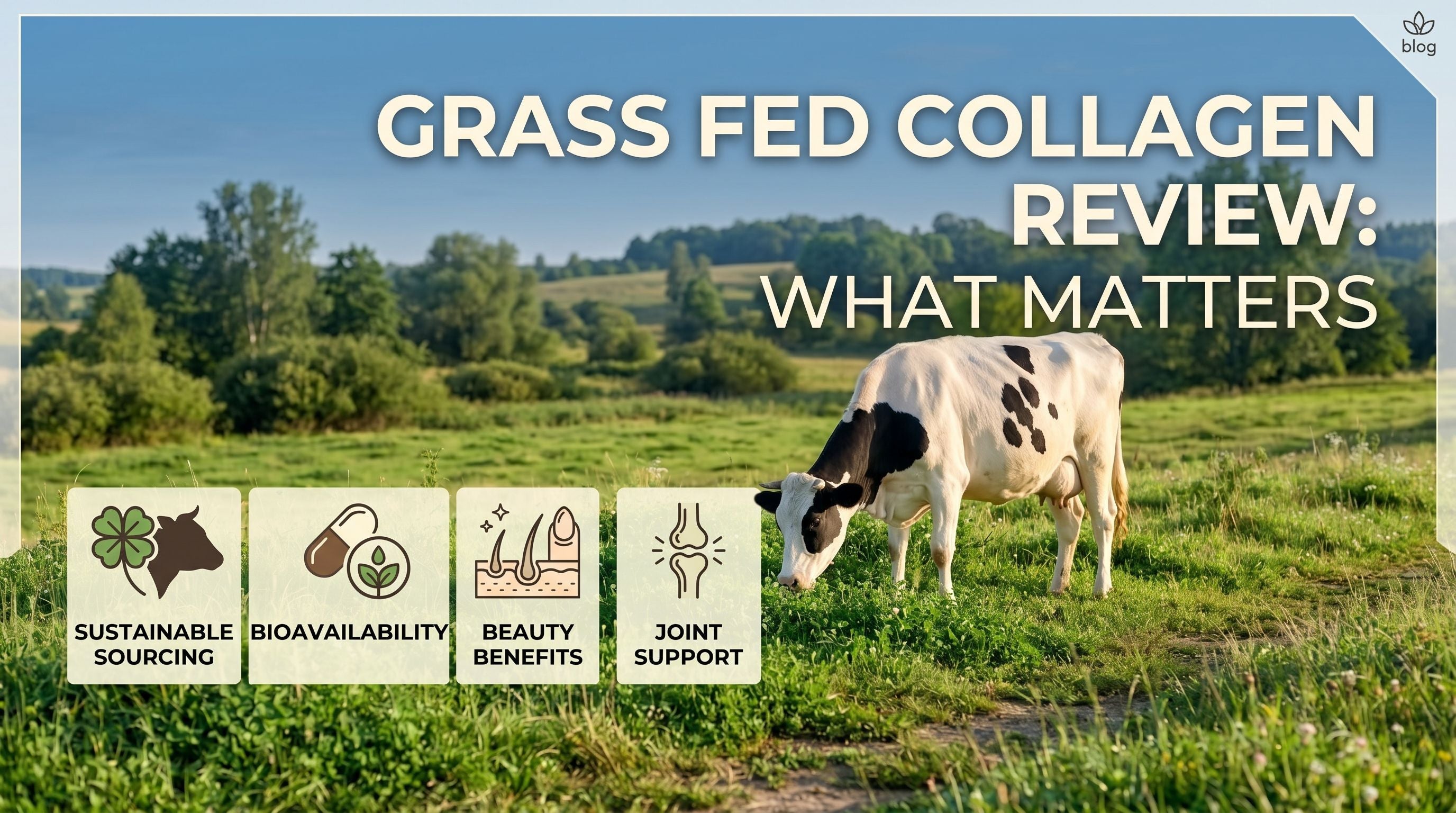
Table of Contents
- What Makes Grass Fed Collagen Different?
- The Science of Absorption: Bioavailability and Collagen Synthesis
- Collagen for Skin Elasticity and Hair Growth
- Supporting Joint Mobility and Gut Wellness
- How Long Does It Take for Collagen to Work?
- How to Use Unflavoured Collagen Powder
- How to Choose a Quality Grass Fed Collagen Powder
- Frequently Asked Questions
Last Updated: September 23, 2026
What Makes Grass Fed Collagen Different?
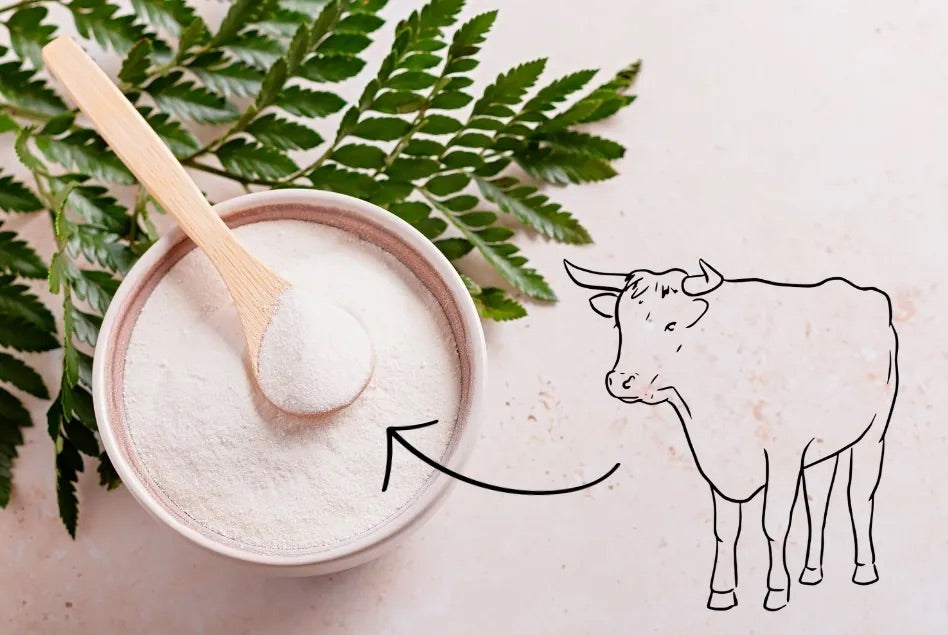
Grass-fed collagen is a bovine collagen supplement sourced from cattle raised on pasture rather than in feedlots. This difference significantly impacts its composition. This guide from Sustainable Lifestyle breaks down the sourcing, absorption, and dosage questions that determine if a collagen powder is a valuable addition to your routine.
Here's the core distinction: the animal's diet dictates the final product. Pasture-raised cattle consume grass, forage, and other natural field elements. In contrast, feedlot cattle are primarily fed grain, and these operations often use routine antibiotics and added hormones to promote rapid growth in confined spaces. These inputs can carry through to the final product.
A common oversight is assuming "collagen is collagen" and making purchasing decisions based solely on price. While feedlot collagen still contains essential amino acids, it may also contain a residue profile you did not intend to consume, and its supply chain might lack transparency.
The Nutritional Profile of Pasture-Raised Collagen
Both grass-fed and conventional bovine collagen provide the same fundamental amino acids: glycine, proline, and hydroxyproline. This trio is crucial for building connective tissues, making collagen supplementation beneficial for joints, skin, and the gut lining.
The key differences lie beyond these core amino acids:
- Fatty acid profile. Pasture-raised beef generally contains a more favourable omega-3 fatty acid profile compared to grain-finished beef, although the quantities in a collagen powder are typically small.
- Hormone and antibiotic exposure. Sourcing from grass-fed, hormone-free, and antibiotic-free cattle eliminates a category of potential inputs.
- Traceability. A pasture-raised supply chain offers greater ease of auditing from the farm to the finished powder.
- Type I and type III collagen. Bovine hide and bone are rich sources of both types, which are essential for skin elasticity and joint comfort.
Many guides overlook that the amino acid content shows minimal variation between the two. The primary argument for grass-fed collagen rests on its sourcing and purity, not a drastically different amino acid profile.
The Science of Absorption: Bioavailability and Collagen Synthesis
Bioavailability refers to the proportion of a nutrient that your body successfully absorbs and utilizes. Hydrolyzed collagen peptides are specifically engineered to enhance this process. Hydrolysis breaks down the long collagen protein chains into smaller peptide fragments, typically ranging from 2 to 10 kilodaltons. These smaller peptides are more resistant to digestion than intact collagen.
Once absorbed, these peptides act as signaling molecules that stimulate fibroblasts to increase collagen synthesis, while simultaneously providing glycine and proline as essential building blocks.
Pro Tip
Before committing to a full purchase, test a scoop in cold water. Properly hydrolyzed collagen should dissolve quickly, appearing clear with no film on the surface. If it clumps at the bottom, the peptide chains are likely longer than indicated.
Collagen for Skin Elasticity and Hair Growth
Collagen is most frequently sought for its benefits to skin elasticity and hair growth, and the underlying mechanism is well-understood. Skin elasticity relies on the dermal collagen matrix maintaining its structure. Similarly, hair and nail strength are dependent on keratin, which requires the same amino acids supplied by collagen.
Supporting Joint Mobility and Gut Wellness
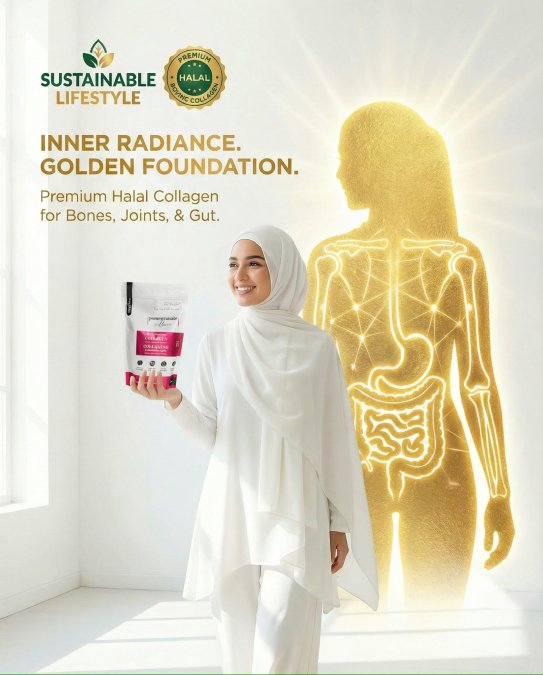
Collagen's glycine content plays a vital role in supporting joint mobility and gut wellness. Glycine is an amino acid recognized for its contribution to connective tissue repair and the maintenance of the digestive tract's mucosal lining.
Watch Out
Avoid introducing a new collagen powder simultaneously with other new supplements, such as a probiotic, fiber supplement, or multivitamin. If digestive upset occurs, it will be difficult to pinpoint the cause. Introduce new products one at a time, with at least two weeks between each addition.
How Long Does It Take for Collagen to Work?
Expect to notice initial improvements in nail strength and skin hydration within 4 to 8 weeks. Hair and joint comfort may show changes in 3 to 6 months, with gut support benefits becoming apparent in the interim. These timelines are approximate and can vary based on individual factors.
| Goal | First Noticeable Change | Full Effect |
|---|---|---|
| Nail strength | 4-6 weeks | 3 months |
| Skin hydration and elasticity | 6-8 weeks | 6 months |
| Hair thickness and regrowth | 3-4 months | 6-12 months |
| Joint comfort and mobility | 8-12 weeks | 6 months |
| Gut lining support | 4-8 weeks | Ongoing |
How to Use Unflavoured Collagen Powder
Unflavoured collagen powder offers maximum versatility as it seamlessly integrates into your existing beverages. Its neutral taste and odour mean it won't alter the flavour of your preferred drinks, allowing for effortless incorporation into your daily routine.
Effective usage tips:
- Establish a consistent anchor. Choose a daily beverage like coffee, tea, or a morning smoothie.
- Add and stir. Measure one scoop into your chosen liquid and stir for approximately 10 seconds. A blender is not necessary.
- Consider temperature. While hot drinks are suitable, prolonged exposure to boiling liquid is not recommended and can degrade the peptides.
- Embrace the unflavoured nature. This allows you to add it to soups, yogurt, or baked goods without affecting their original taste.
- Maintain daily consistency. Regular intake is more critical than the specific timing.
Key Takeaway
The most effective collagen routine is one that aligns with an established habit. If you drink coffee each morning, that can serve as your consistent delivery method, requiring no new rituals.
How to Choose a Quality Grass Fed Collagen Powder
Selecting a quality grass-fed collagen powder involves evaluating four key verifiable aspects: sourcing, certification, formulation, and testing transparency. Other claims on the label are often marketing. This guide explains how to verify each critical component.
How to Read a Certificate of Analysis
- Verify the batch or lot number. A Certificate of Analysis (COA) must be linked to a specific lot number to be relevant to the product you are purchasing.
- Confirm the testing lab's identity and accreditation. The lab should be independent of the brand and clearly identifiable. A COA presented on the brand's own letterhead indicates a lack of third-party verification.
- Check the testing date. An outdated COA, such as one from several years ago, provides no information about the current batch you are considering.
- Examine heavy metal results. Look for specific numerical values (parts per million or parts per billion) alongside the established limits, rather than just a 'pass' indicator.
- Review the microbiological panel. Ensure Salmonella and E. coli are listed as absent. The total plate count should fall within the brand's specified limits.
Watch Out
Distinguish between 'third-party tested' and 'third-party certified.' Testing is a single batch laboratory assessment, whereas certification involves ongoing audits by a recognized body. Both are important but represent different levels of assurance, and some brands may use the terms interchangeably.
Best For
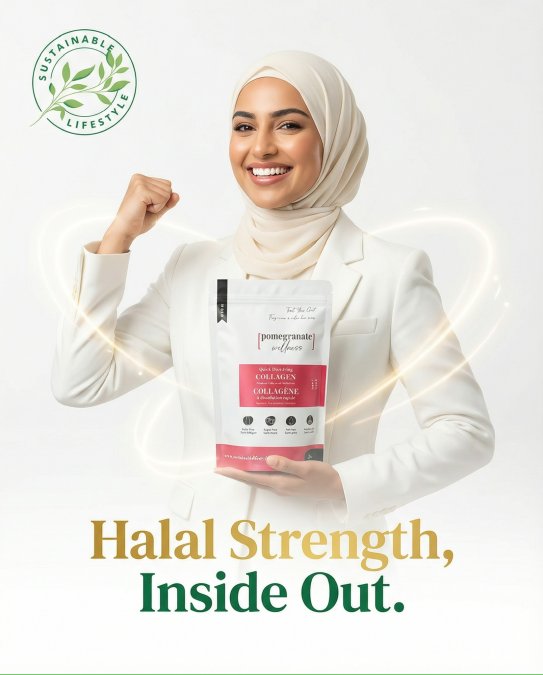
Muslim households seeking a single, clean-label collagen that is Halal-certified, unflavoured, and easily incorporated into coffee, tea, or smoothies without altering their taste.
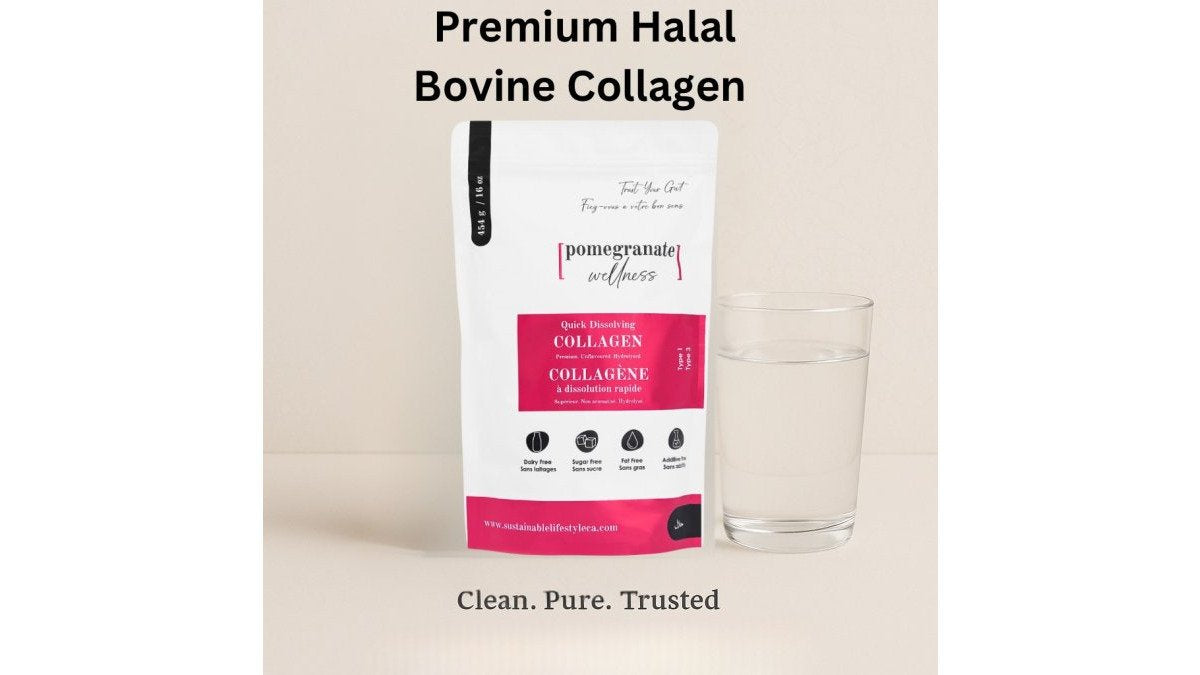
The brand's bovine collagen is Halal-certified, sourced from grass-fed cattle, and is completely unflavoured and odorless. It dissolves instantly into any hot or cold beverage without affecting the taste. The product is gluten-free, dairy-free, soy-free, sugar-free, and preservative-free. It is manufactured domestically, eliminating duties or border fees on shipments. The company is family-owned, operating since 2018, and was founded by a former dentist. It is trusted by over 3,000 Muslims across the country.
Frequently Asked Questions
Is grass-fed collagen better for you?
Grass-fed collagen is derived from cattle raised on pasture, typically resulting in a cleaner product with a superior amino acid profile. It is free from hormones and antibiotics and is richer in nutrients like omega-3 fatty acids. For those seeking a pure, unflavoured, and Halal-certified option, grass-fed bovine collagen offers a high-quality source that supports skin, joint, and gut health without additives.
What are the first signs that collagen is working?
The initial benefits of collagen supplementation often manifest in hair and nails, typically within 4 to 8 weeks. You might observe increased nail strength and reduced hair shedding. Improvements in skin elasticity, such as a smoother texture and diminished fine lines, usually become noticeable after 8 to 12 weeks of consistent use. For joint comfort, results may take 3 to 6 months. Individual responses can vary based on dosage, lifestyle, and personal factors.
What is the healthiest form of collagen to take?
The healthiest form is hydrolyzed collagen peptide powder sourced from grass-fed, pasture-raised bovine. Hydrolyzed collagen is broken down into smaller peptides for enhanced absorption. Opt for a product that is unflavoured, odorless, and free from artificial additives, gluten, dairy, and sugar. A Halal-certified option ensures ethical sourcing and purity, making it suitable for daily consumption in any beverage.
What should you not mix with collagen powder?
Avoid mixing collagen powder with liquids exceeding 90°C (194°F), as high heat can degrade the protein structure. While generally well-tolerated, some individuals with sensitive digestion may experience discomfort when combining collagen with highly acidic juices like orange juice. For optimal results, incorporate unflavoured collagen into coffee, tea, smoothies, or soups after they have cooled slightly. It dissolves instantly without altering the taste.
How does Halal-certified collagen differ from standard bovine collagen?
Halal-certified collagen guarantees that the entire production process, from cattle sourcing to final processing, adheres to Islamic dietary laws. This includes specific requirements for slaughter and regular facility audits. Standard bovine collagen may not meet these ethical and religious standards. For Muslim consumers, choosing Halal-certified grass-fed collagen provides assurance of ethical sourcing and purity without compromising product quality.
Collagen supplementation yields lasting benefits only with consistent use, and many individuals discontinue use before experiencing results. Sustainable Lifestyle addresses this challenge with a Halal-certified, grass-fed bovine collagen that is entirely unflavoured and odorless. It dissolves instantly in any hot or cold beverage and contains no gluten, dairy, soy, sugar, or preservatives. Begin your collagen journey with Sustainable Lifestyle and establish a routine you can maintain long-term.