Cart
0
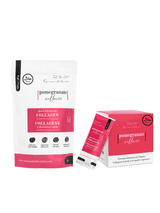

Table of Contents
- What Canadian-Made Actually Means for Collagen Supplements
- How to Choose a Collagen Supplement: Key Criteria
- Collagen Supplement Sourcing: Traceability and Transparency
- Clean-Label Collagen Powder: What to Look For
- Collagen Supplement Side Effects and Safety Considerations
- Real Benefits and Realistic Expectations
- Canadian-Made vs. Imported: The Practical Difference
- Frequently Asked Questions
Last Updated: October 7, 2026
What Canadian-Made Actually Means for Collagen Supplements
The "Canadian-made" label signals more than geography: the product was manufactured under specific regulatory oversight, with sourcing and quality standards that differ from imported alternatives. For consumers seeking Halal-certified bovine collagen, understanding what that label guarantees, and what it doesn't, is the first step toward an informed choice.
Canadian manufacturing operates under Health Canada, which regulates dietary supplements as natural and non-prescription health products. This framework requires Good Manufacturing Practices (GMP) and detailed records of ingredient sourcing, production, and quality testing.
"Canadian-made" typically means the final product was manufactured in Canada, though not every ingredient necessarily originated here. Many producers source bovine material from grass-fed cattle raised domestically, then process and package the peptides in-country.
For Halal-certified products, Canadian manufacturing adds assurance. Halal certification requires documented chain-of-custody from animal to finished product, and keeping that process within one country simplifies verification. A Halal-certified bovine collagen produced in Canada can be tracked from pasture to pouch, reducing the complexity of ingredients crossing multiple borders.
How to Choose a Collagen Supplement: Key Criteria
Selecting the right collagen supplement means evaluating four interconnected factors: collagen type, bovine source, processing method, and manufacturer transparency. Together, these determine both quality and the likelihood the product delivers the benefits you're seeking.
Start by identifying what you need the collagen to support. Type I collagen is the most abundant form in skin, hair, and nails, making it the primary choice for appearance and structural integrity. Type III works alongside Type I in skin and also appears in blood vessels and organs.
The source matters as much as the type. Grass-fed bovine collagen comes from cattle raised on pasture rather than grain-fed in confined operations. Grass-fed animals produce collagen with a different amino acid profile, reflecting a less inflammatory diet overall.
Processing method determines how readily your body absorbs the collagen. Hydrolyzed collagen (collagen peptides) has been broken into smaller molecular units through enzymatic hydrolysis, so it dissolves instantly in hot or cold beverages without clumping or altering taste. Non-hydrolyzed collagen requires cooking or heating to break down, making it less convenient for daily use.
| Selection Criteria | What to Look For | Why It Matters |
|---|---|---|
| Collagen Type | Type I and Type III | Supports skin, hair, nails, and structural tissues |
| Source | Grass-fed bovine | Better amino acid profile and fewer inflammatory compounds |
| Processing | Hydrolyzed peptides | Instant dissolution, easy absorption, no taste change |
| Certification | Halal-certified | Ensures compliance with Islamic dietary laws and chain-of-custody verification |
| Manufacturing | Canadian-made | Regulatory oversight, supply chain transparency, easier traceability |
Bovine Collagen vs. Marine Collagen
Bovine collagen comes from cattle; marine collagen from fish skin and scales. Both are valid, but they differ in composition. Bovine contains higher concentrations of Type I and Type III, making it preferred for skin, hair, and joint support. Marine tends to be higher in Type I alone, which some prefer for skin-focused routines, but it offers less support for joints and connective tissue.
The sustainability argument often favors marine collagen, but that's more nuanced than marketing suggests: responsibly sourced bovine collagen from grass-fed herds can be more sustainable than marine collagen from overfished waters. For consumers prioritizing Halal certification, bovine is the clearer choice, since marine sources add sourcing and certification complexity.
Cost typically favors bovine collagen, which is why it dominates the market. Marine commands a premium, and unless you have a specific reason to choose it, such as a documented sensitivity to bovine products, bovine offers better value and broader applicability.
Type I and Type III Collagen: What the Difference Means
Type I collagen makes up roughly 90% of the collagen in human skin, hair, and nails, providing structural support and elasticity. Type III comprises about 10% of skin collagen and works synergistically with Type I to maintain firmness and resilience.
The practical difference: supplements with only Type I may support skin appearance but miss Type III's complementary benefits for tissue integrity. Products labeled "Type I and Type III collagen peptides" deliver both, which is why multi-type formulations are considered more comprehensive. Type II collagen (found in cartilage) would be more targeted for joint and gut support, but bovine supplements focus on Types I and III because they address the broadest range of concerns.
Collagen Supplement Sourcing: Traceability and Transparency

Traceability is where Canadian-made collagen supplements distinguish themselves. When a manufacturer can document where the cattle were raised, how they were fed, when they were processed, and which facility produced the final powder, you have a supply chain you can actually verify.
Ask manufacturers directly: Where were the cattle raised? What was their diet? Which facility processed the collagen? How is it tested for purity and potency? Transparent companies give specific answers, naming regions, confirming grass-fed pasture diets, and citing third-party laboratory testing.
Canadian manufacturers under Health Canada oversight must maintain detailed supply chain records, even if they don't publish every detail.
Halal certification adds another layer of traceability. A Halal-certified product has been audited by an independent certifying body verifying the entire production process, from animal sourcing through final packaging.
Clean-Label Collagen Powder: What to Look For
A clean-label collagen supplement contains collagen peptides and nothing else: no fillers, sweeteners, artificial flavors, or thickeners. The ingredient list should read simply "Hydrolyzed Bovine Collagen Peptides" or "100% Hydrolyzed Bovine Collagen."
Purity matters for three reasons. Additives can trigger digestive sensitivity in people with compromised gut function, defeating the purpose if you're taking collagen for gut health. Sweeteners and flavors mask the actual quality of the collagen; if a product needs flavor to be palatable, it may be lower quality.
Check labels for additives to avoid: maltodextrin, silicon dioxide, magnesium stearate, artificial sweeteners, or fruit flavors. A product labeled unflavoured and odorless should dissolve instantly into hot coffee, cold water, or soup without changing the taste. If it doesn't, either the collagen is lower quality or additives are present.
Hybrid Lifestyle Kit – 16oz (454g) Pouch + 20x10g Sachets →
Canadian manufacturers marketing clean-label products are subject to Health Canada's labeling requirements, which prohibit misleading claims. A product claiming to be "pure" or "unflavoured" must meet those standards, an incentive for honest labeling you don't necessarily get with imported products.
Collagen Supplement Side Effects and Safety Considerations
Collagen supplements are generally well-tolerated but not risk-free for everyone. The most common side effect is mild digestive discomfort, bloating, constipation, or loose stools, typically from introducing a new protein source too quickly. Starting with a smaller serving (5-10 grams) and increasing over a week or two minimizes this risk.
People with shellfish or fish allergies should verify their collagen source is bovine, not marine; bovine carries no shellfish risk. Those with beef allergies, a rare condition, should avoid bovine collagen entirely.
Certain medications interact with high protein intake. If you take blood thinners or have kidney disease, consult your healthcare provider before adding a daily collagen supplement, since excessive protein can strain already compromised kidneys.
Pregnancy and postpartum are times many consider collagen, particularly for hair loss and skin changes. Collagen itself isn't contraindicated in pregnancy, but any new supplement should be discussed with your healthcare provider first. Postpartum, it can be part of a recovery routine, though not a standalone solution for hair loss or skin changes.
Watch Out
If you have a diagnosed kidney condition, take blood thinners, or have a beef allergy, consult your healthcare provider before starting collagen supplementation. Collagen is a protein source, and individual tolerance varies based on digestive health and existing medical conditions.
Real Benefits and Realistic Expectations
Collagen supplementation has genuine benefits, but they take time and aren't universal. Expecting visible skin improvement within two weeks is unrealistic; expecting none after three months suggests either the product isn't working for you or your expectations need recalibration.
Skin elasticity and hydration typically improve over 8-12 weeks of consistent daily supplementation. Hair and nail cycles are longer; hair grows about 1.5 centimeters per month, so meaningful changes take 3-4 months minimum. Joint comfort can improve sooner, sometimes within 4-6 weeks, because collagen directly supports cartilage and connective tissue.
The variability is real. Some notice dramatic improvements in skin texture and hair growth; others see modest changes or none. Genetics, diet, sleep quality, sun exposure, and age all influence results.
Gut health improvements, better digestion, reduced bloating, and improved regularity often appear within 2-4 weeks because collagen supports the intestinal lining directly. Joint mobility can improve within 4-8 weeks if discomfort relates to collagen deficiency rather than structural damage or other inflammation.
Key Takeaway
Collagen supplements work best as part of a consistent daily routine over 8-12 weeks. Results vary based on age, overall health, diet quality, and the specific outcome you're targeting. Patience and consistency matter more than the brand you choose.
Canadian-Made vs. Imported: The Practical Difference
The practical difference between Canadian-made and imported collagen comes down to three factors: regulatory oversight, supply chain transparency, and recourse if something goes wrong.
Canadian-made products are manufactured under Health Canada's framework, which requires GMP standards, detailed records, and periodic inspections. If a manufacturer makes a false claim or produces a contaminated product, Health Canada can take enforcement action.
Imported collagen may be excellent quality, but it was produced under a different country's standards.
Cost is often cited as a reason to choose imported collagen, and some imported products are cheaper. But the difference often reflects lower sourcing standards, less rigorous testing, or simpler manufacturing, not just economies of scale.
For Halal-certified collagen specifically, Canadian manufacturing offers a significant advantage: a Halal-certified product made in Canada can be audited and verified within a single regulatory and geographic framework.
Best For
Canadian-made collagen supplements are best for consumers who prioritize transparency, regulatory oversight, and verified Halal certification. They're ideal if you want to know exactly where your collagen comes from and have recourse if something goes wrong. They're worth the premium if supply chain integrity matters to you.
The Sustainable Lifestyle Hybrid Lifestyle Kit combines one large 16oz (454g) resealable pouch with 20 single-serve 10g sachets, 65 total servings of clean, type 1 and type 3 unflavoured, Halal-certified collagen from 100% grass-fed bovine. Your home routine covered, plus travel-ready sachets for when you're on the go. This odourless powder dissolves quickly without clumping in water, morning coffee, tea, smoothies, soups, or baking recipes.

Choosing Canadian-made collagen means prioritizing supply chain transparency, regulatory accountability, and verified Halal certification over convenience or cost savings.
Frequently Asked Questions
What does Canadian-made mean for a collagen supplement?
Canadian-made means the collagen supplement is manufactured and processed in Canada, subject to Health Canada oversight and quality standards. It ensures the product meets rigorous domestic manufacturing practices and allows for direct accountability. For collagen supplements, this typically means the bovine source is verified, the hydrolyzed collagen peptides are processed domestically, and the finished powder is packaged and quality-tested in Canada. This differs from imported collagen, where manufacturing occurs overseas and quality oversight depends on the foreign manufacturer's standards and your supplier's verification practices.
How can you tell where a collagen supplement is actually made?
Check the product label for a clear statement of country of manufacture, not just country of origin for the raw ingredient. Legitimate Canadian-made collagen supplements display the manufacturing facility location and often include batch numbers for traceability. Ask the brand directly for third-party testing results, GMP-certified facility documentation, and proof of grass-fed sourcing. Halal-certified bovine collagen should show Halal certification from a recognized certifying body. Avoid products that list only ingredient origin without specifying where the collagen peptides were actually processed and packaged.
Can collagen supplements cause side effects?
Most people tolerate hydrolyzed bovine collagen peptides well, as they are highly digestible. Potential side effects are rare but can include mild digestive discomfort, bloating, or heartburn in sensitive individuals. Some people experience a slight aftertaste or feel fuller after consuming collagen powder. Those with shellfish or fish allergies should verify marine collagen sources, though bovine collagen carries no shellfish risk. If you have digestive conditions like irritable bowel syndrome or are pregnant, consult a healthcare provider before starting any supplement. Start with a smaller serving to assess tolerance.
Is Canadian-made collagen really better than imported options?
Canadian-made collagen offers distinct advantages: stronger regulatory oversight by Health Canada, transparent sourcing of grass-fed bovine, direct accountability from the manufacturer, and no international shipping delays or border complications. Canadian facilities operate under strict GMP standards and quality control. Imported collagen can be high-quality, but verification is more difficult and relies on the importer's due diligence. For customers prioritizing Halal certification, Canadian-made collagen from Halal-certified manufacturers ensures the entire supply chain meets Islamic dietary requirements without relying on overseas verification.