Cart
0
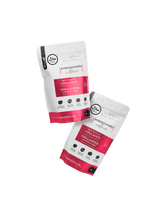
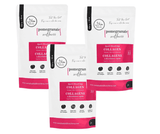
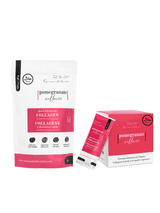

A collagen routine should not create questions about what is in your glass, where it came from, or whether it fits your values. When comparing bovine collagen versus marine collagen, the best choice is not automatically the most expensive option or the one with the most dramatic marketing. It is the one you can use consistently, trust completely, and feel good about making part of your daily wellness routine.
For many people focused on hair, skin, nails, and everyday nutritional support, collagen peptides are an easy addition to coffee, tea, smoothies, oatmeal, or water. But source matters. Bovine and marine collagen differ in their origin, collagen types, dietary suitability, flavor profile, price, and certification questions. Here is how to make a clear, practical choice.
Bovine Collagen Versus Marine: The Core Difference
Bovine collagen comes from cows, usually from the hide or bones. High-quality bovine collagen is hydrolyzed into collagen peptides, meaning the protein has been broken into smaller pieces that dissolve easily and are easier for the body to use. It is commonly rich in Type I and Type III collagen.
Marine collagen comes from fish, often fish skin or scales, and is typically associated with Type I collagen. Like bovine collagen, it is usually sold as hydrolyzed peptides in powder or capsule form.
Type I collagen is the most abundant collagen in the body and is found in skin, hair, nails, bones, and connective tissue. Type III collagen is also an important structural protein, particularly in skin and blood vessels. That is why bovine collagen is often chosen as a well-rounded option for people building a beauty-from-within and daily wellness habit.
The source alone does not determine quality. A clean formula, appropriate testing, transparent sourcing, and regular use matter far more than a trendy label.
Quick Comparison: Bovine or Marine?
| Factor | Bovine Collagen | Marine Collagen |
|---|---|---|
| Primary source | Cattle hide or bones | Fish skin or scales |
| Common collagen types | Type I and Type III | Primarily Type I |
| Halal considerations | Can be halal when properly certified | May be halal, but sourcing and processing still need verification |
| Best for | Daily whole-body support, skin, hair, nails, and value | People who prefer a fish-derived source |
| Flavor and smell | Usually neutral when unflavored and well-made | Can have a noticeable fishy taste or smell |
| Cost per serving | Often more budget-friendly | Often priced higher |
| Allergy concern | Avoid if you have a beef allergy | Avoid if you have a fish or shellfish allergy |
This table offers a starting point, not a universal verdict. A marine product may suit someone who does not consume bovine ingredients. A halal-certified bovine collagen is often the simpler fit for Muslim consumers who want reliable certification, a neutral daily powder, and better value per serving.
Why Halal Certification Changes the Decision
For Muslim consumers, “bovine” does not automatically mean halal. The animal source, slaughter process, handling, processing aids, and manufacturing controls all matter. A vague claim such as “grass-fed” speaks to animal feeding practices, not halal compliance.
That is why clear halal certification should be a non-negotiable trust signal when choosing bovine collagen. It provides greater assurance that the product aligns with Islamic dietary requirements rather than asking customers to investigate every step of the supply chain themselves.
Marine collagen can appear straightforward because fish is generally permissible, but that does not eliminate the need for transparency. Added ingredients, capsules, flavor systems, shared facilities, and processing practices may still matter. If halal alignment is central to your routine, look for explicit certification rather than assumptions based on the source.
Sustainable Lifestyle focuses on halal-certified bovine collagen because clean wellness should support both personal health goals and faith-based confidence. You should never have to choose between the two.
Is Marine Collagen Better Absorbed?
Marine collagen is often marketed as having a smaller peptide size and therefore superior absorption. This claim is commonly repeated, but it can oversimplify the science. Hydrolyzed collagen peptides from both bovine and marine sources are designed to be digestible, and both can provide amino acids used by the body to support its own collagen production.
Your body does not simply send collagen powder directly to your face, hair, or joints. It digests the peptides and uses those building blocks where they are needed. Results can also be influenced by your overall protein intake, vitamin C intake, sleep, stress levels, sun exposure, age, and consistency.
For that reason, choosing a collagen you can take every day is more useful than paying extra for a theoretical advantage that does not fit your budget or preferences. If marine collagen’s taste, price, or fish source makes you skip it, it is unlikely to outperform a high-quality bovine collagen that becomes an easy part of your morning routine.
Hair, Skin, and Nails: What to Expect
Collagen is not a miracle shortcut, and honest wellness brands should not present it as one. Hair shedding can be related to stress, hormones, iron status, thyroid concerns, postpartum changes, medications, and other factors that deserve professional attention when needed. Skin texture and nail strength are also shaped by many daily habits.
Still, collagen peptides can be a practical protein-based addition for people who want to support their beauty routine from within. Type I collagen is especially relevant to skin structure, while the Type I and III profile in bovine collagen gives it broad appeal for skin, hair, nails, and connective-tissue support.
Give your routine time. Many people choose to use collagen consistently for at least several weeks before assessing whether it fits their goals. Take it alongside a balanced diet, stay hydrated, and include vitamin C-rich foods such as berries, citrus, peppers, or leafy greens, since vitamin C plays a role in collagen formation.
Taste, Mixing, and Everyday Convenience
A supplement only works in real life if it is easy to take. Unflavored bovine collagen has a major practical advantage here: a good-quality powder should blend into hot or cold drinks without adding sweetness, dairy, gluten, or a strong aftertaste.
Marine collagen can be a good option for people committed to a fish-derived source, but its odor and flavor are common barriers. Some brands cover this with sweeteners, artificial flavors, or extra ingredients. That may be fine for some shoppers, but it does not suit everyone looking for a minimal, clean-label formula.
A plain bovine collagen powder gives you more control. Add it to coffee before work, a protein smoothie after the gym, soup at lunch, or tea in the evening. Travel-friendly sachets can make it easier to stay consistent during busy days, family visits, or trips.
Value Matters More Than the Sticker Price
Marine collagen often costs more per serving, partly because of sourcing and processing. That does not make it inferior or superior by default. It simply means you should compare products fairly.
Check the serving size, grams of collagen per serving, number of servings per container, ingredient list, certification, and price per serving. A lower-priced tub is not necessarily better value if it provides fewer grams of collagen or contains fillers. On the other hand, a premium price is not proof of better quality if the brand cannot clearly explain what you are paying for.
For a daily supplement, value means clean ingredients, meaningful serving sizes, trusted certification, and a format you can afford to repurchase. Consistency is part of the value equation.
Who Should Choose Bovine Collagen?
Bovine collagen is often the strongest fit if you want Type I and III collagen, a neutral unflavored powder, a more affordable daily option, and halal certification you can verify. It is particularly practical for adults building a simple routine around skin health, hair goals, nail support, and overall nutritional care.
Choose marine collagen if you avoid bovine products and are comfortable with a fish-derived supplement. Just be sure to check for fish allergies, unwanted flavors or additives, and the same sourcing and certification details you would expect from any wellness product.
Avoid collagen entirely if you have an allergy to its source. If you are pregnant, nursing, managing a health condition, or taking medication, speak with a qualified healthcare professional before adding a new supplement.
The right collagen is the one that meets your standards before it reaches your cup: clearly sourced, thoughtfully made, compatible with your diet, and simple enough to use tomorrow morning. Choose that kind of confidence, then give your routine the consistency it deserves.