Cart
0
Beyond Faith: The Universal Benefits of Choosing Halal Products
For decades, the term "Halal" was viewed almost exclusively through a religious lens—a set of dietary laws strictly for Muslims. If you didn't practice Islam, you likely walked past the Halal label without a second thought, assuming it wasn't relevant to you.
Today, that narrative is shifting rapidly.
In an era where consumers are increasingly obsessed with where their food comes from, how animals are treated, and what chemicals are lurking in their products, Halal has emerged as a global benchmark for quality, safety, and ethics. It is no longer just a religious obligation; it has become a lifestyle choice for millions of non-Muslims who prioritize clean living.
From farm to fork—and increasingly, from lab to lipstick—Halal certification imposes a rigorous set of standards that often exceed conventional regulatory requirements. But what exactly makes these products different? And why should an average consumer, regardless of faith, consider making the switch?
In this deep dive, we explore the comprehensive benefits of Halal products, unpacking how this ancient code of ethics aligns perfectly with the modern demand for conscious, healthy, and humane consumption.
1. The Purity Protocol: Uncompromising Hygiene and Safety
At its core, the word Halal simply means "permissible" in Arabic. But the flip side of that coin is Toyyiban, which means "wholesome, pure, and good." In the context of production, these two concepts are inseparable. A product cannot be truly Halal if it is harmful, unsanitary, or contaminated.
The Clean Chain of Custody
One of the most significant advantages of Halal certified products is the strict traceability required. For a product to be certified, the entire supply chain—from the sourcing of raw materials to manufacturing, packaging, and logistics—must be free from "najis" (impurities).
- No Cross-Contamination: Equipment used for Halal products must be scrupulously cleaned and cannot be used for non-Halal items (like pork or alcohol) without a rigorous purification process.
- Strict Sanitation: The emphasis on cleanliness means that Halal processing facilities often maintain higher hygiene standards to avoid any risk of contamination. For the consumer, this translates to a lower risk of foodborne illnesses and a cleaner final product.
The Alcohol-Free Advantage
Halal standards strictly prohibit the use of intoxicating alcohol (ethanol) in food and often in cosmetics.
- In Food: This ensures that products are free from hidden alcohol-based additives or solvents often used in flavorings.
- In Cosmetics: "Halal beauty" has exploded in popularity because it guarantees products are free from harsh alcohols that can dry out and irritate the skin. For consumers with sensitive skin or those seeking gentler formulations, Halal skincare is a hidden gem.
2. Ethical Animal Welfare: A Moral Approach to Meat
In the conventional industrial meat complex, efficiency often trumps humanity. Animals are frequently raised in cramped conditions, fed unnatural diets, and slaughtered in mechanized processes that prioritize speed over welfare.
The Halal method of slaughter (Zhabihah) is built on a framework of mercy and respect for the animal. While often misunderstood, the strict protocols are designed to minimize suffering and ensure the animal is treated with dignity.
The Rights of the Animal
Halal is not just about the moment of slaughter; it encompasses the animal's entire life.
- Wholesome Diet: Animals intended for Halal meat must be fed a natural, vegetarian diet. They cannot be fed animal by-products, hormones, or filth. This results in cleaner meat free from the "mad cow" risks associated with unsafe feeds.
- Humane Treatment: Animals must be treated well during their lives. They cannot be abused, mistreated, or caused undue stress.
- The Slaughter Process: The act itself must be performed swiftly with a sharp blade to sever the major arteries, cutting off blood supply to the brain instantly to minimize pain. Crucially, animals cannot witness the slaughter of other animals, reducing psychological stress and the release of stress hormones like cortisol into the meat.
The Health Impact of "Stress-Free" Meat
When an animal is stressed or terrified before death, its body releases glycogen and lactic acid, which can toughen the meat and alter its pH level. By mandating a calm and swift process, Halal meat often retains a better texture, taste, and freshness. For the conscious carnivore, it offers a way to consume meat that aligns with values of compassion.
3. "You Are What You Eat": The Health Implications
The old adage rings true: the quality of fuel you put into your body dictates your health. Halal dietary laws are essentially a preventative health code designed to protect the body from harmful substances.
Blood Drainage: The Key to Purity
A unique requirement of Halal slaughter is the complete drainage of blood from the carcass.
- Why it matters: Blood is a perfect medium for bacteria and toxins. By thoroughly draining the blood, the meat stays fresher for longer and has a significantly lower bacterial load than conventional meat where blood may remain trapped.
- Purity: This results in a cleaner, more hygienic meat product that is less prone to spoilage.
Prohibition of Harmful Ingredients
Halal certification is a rigorous filter against harmful additives.
- No Pork or Pork By-Products: Pigs are known to harbor parasites and diseases that can be transmitted to humans. Avoiding pork eliminates these specific risks.
- No Carnivorous Animals: The consumption of birds of prey or carnivorous animals is forbidden. This is scientifically sound, as toxins and heavy metals tend to bioaccumulate up the food chain (a process called biomagnification). By sticking to herbivorous animals, Halal diets minimize the intake of these concentrated environmental toxins.
4. The Rise of Halal Beauty and Wellness
The benefits of the Halal philosophy extend well beyond the kitchen. The global cosmetics and personal care industry is notorious for using obscure, animal-derived ingredients.
- Collagen & Keratin: Often sourced from pig fat or hooves in conventional products.
- Carmine: A common red pigment made from crushed beetles.
- Stearic Acid: Often derived from animal fat.
For a consumer who wants to know exactly what they are putting on their face, Halal certification provides transparency.
- Cruelty-Free Alignment: While not identical, there is a huge overlap between Halal and cruelty-free values. Halal beauty forbids ingredients derived from animals that were harmed or killed solely for cosmetic harvesting.
- Traceability: Every ingredient must be traced back to its source. If a cream claims to be Halal, you can be certain it contains no hidden pork fats, canine derivatives, or insects. This transparency is a luxury in an otherwise opaque beauty industry.
5. Economic Justice and Global Standards
Choosing Halal also supports a system of economic fairness. The principles of Islamic finance and trade—which underpin the broader Halal economy—prohibit deceptive practices, usury (exploitative interest), and investing in harmful industries (like gambling or alcohol).
When you buy from a certified Halal brand, you are often supporting businesses that are held to higher standards of operational ethics. The certification process itself is rigorous and audited, forcing manufacturers to be accountable for their supply chains.
A Universal Seal of Quality
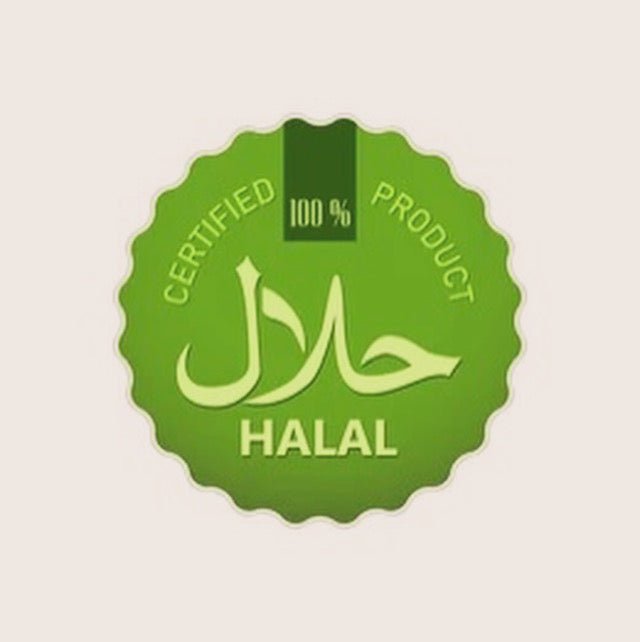
Just as the "Organic" label signals pesticide-free produce, the "Halal" logo has evolved into a global symbol of quality assurance. It tells the consumer:
- This product was made in a clean, sanitized facility.
- The ingredients are traceable and safe.
- The production process was ethical.
For this reason, major global brands—from Nestlé to diverse pharmaceutical companies—are voluntarily seeking Halal certification, not just to serve Muslims, but to signal excellence to the global market.
Conclusion: A Conscious Choice for a Better Life
The decision to choose Halal products is no longer just a matter of theology; it is a matter of biology, ethics, and quality.
In a world filled with processed foods, vague labels, and compromised supply chains, the Halal standard offers a clear, transparent alternative. It champions the welfare of animals, the purity of ingredients, and the health of the consumer.
Whether you are looking for cleaner meat, safer skincare, or simply a more ethical way to consume, the Halal label serves as a trusted guide. It invites everyone to partake in a lifestyle that values purity, mindfulness, and respect for the natural world—values that are, universally, good for us all.
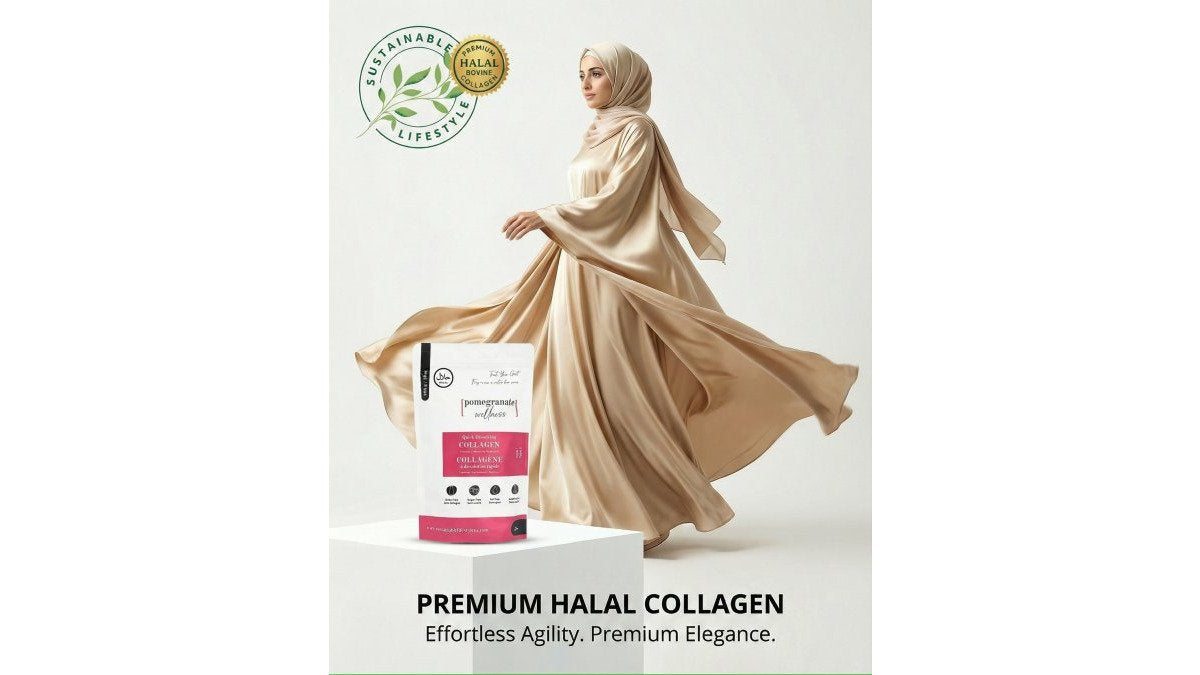
This halal collagen is available online with fast shipping across canada, including Nova Scotia, with shipping to Halifax and other cities.