Cart
0
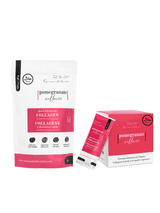
A supplement label can look clean and still leave the biggest question unanswered: Is it truly halal? For Muslims building a beauty, energy, or daily nutrition routine, this muslim wellness supplement guide starts where generic wellness advice often stops - with the source, certification, and integrity behind every serving.
The goal is not to fill your cabinet with powders, capsules, and promises. It is to choose a small number of products that fit your health priorities, your routine, and your faith with no uncertainty around hidden ingredients or questionable sourcing.
What Makes a Supplement Muslim-Friendly?
A Muslim-friendly supplement is more than a product marketed with a halal word on the front label. It should offer clarity on the ingredients, how they are processed, and whether a credible halal certification applies to the finished product.
This matters especially for collagen. Collagen is commonly sourced from bovine, marine, chicken, or porcine materials. If a collagen powder simply says “collagen peptides,” that does not tell you whether the source is permissible, whether the animal was processed according to halal standards, or whether the facility handles non-halal materials.
Look for halal certification that is clearly presented, along with a direct statement of the collagen source. For many shoppers, halal-certified bovine collagen is a practical choice because it supports a familiar daily powder routine while providing certainty around sourcing.
Clean formulation matters, too. A product may be halal but still contain added sugar, artificial flavors, unnecessary gums, dairy, or fillers that do not serve your goals. The best everyday option is often straightforward: halal-certified collagen from a disclosed source, with no ingredients you did not intend to take.
Muslim Wellness Supplement Guide: Start With Your Goal
Supplements work best when they support a specific routine rather than become a collection of impulse purchases. Before comparing brands, decide what you want your supplement to help support.
For hair, skin, and nails, collagen is a popular foundation. Collagen peptides provide protein and amino acids that are naturally present in the body’s connective tissues. Some people notice improvements in skin hydration or nail strength with consistent use, while others may find the changes subtle. Results depend on diet, age, stress, sleep, genetics, and how regularly you use the product.
For general nutritional support, a clean protein-based supplement can be useful when meals are rushed or protein intake is inconsistent. It should complement real food, not replace it. A balanced plate with protein, fiber-rich carbohydrates, healthy fats, fruits, and vegetables remains the base of a sustainable wellness routine.
If you are pregnant, breastfeeding, managing a medical condition, taking medication, or choosing supplements for a child, speak with a qualified healthcare professional first. “Natural” does not automatically mean appropriate for every person.
How to Read a Halal Collagen Label
The front of a package is designed to catch attention. The back label is where you make the decision. A strong halal collagen product should make it easy to answer a few practical questions.
| What to Check | Why It Matters |
|---|---|
| Halal certification | Gives reassurance that sourcing and processing meet halal requirements. |
| Bovine source disclosure | Confirms what the collagen comes from instead of relying on vague wording. |
| Ingredient list | Helps you avoid sugar, flavors, fillers, dairy, gluten, or additives you do not want. |
| Serving size and collagen amount | Lets you compare real value instead of comparing package size alone. |
| Testing and quality standards | Adds confidence that the product is made with care and consistency. |
Be cautious with proprietary blends that do not disclose individual amounts. They can make it difficult to understand what you are actually getting per serving. Also consider whether flavored options add sweeteners, calories, or ingredients that do not fit your preferences. Unflavored collagen is often the most flexible choice because it can disappear into coffee, tea, smoothies, oatmeal, soups, or water.
Why Convenience Determines Consistency
The most thoughtfully sourced supplement will not help if it stays unopened in the pantry. Daily wellness needs to fit real life: early school mornings, work commutes, travel, Ramadan schedules, family responsibilities, and the moments when a complicated routine is the first thing to go.
A larger pouch is often the better value for home use. It can make a daily serving feel simple and economical, especially when collagen is part of a shared household routine. Single-serve sachets cost more per serving in many cases, but they solve a different problem. They are easy to keep in a desk drawer, gym bag, suitcase, or carry-on so your routine can travel with you.
There is no single right format. Choose a pouch if price per serving is your priority. Choose sachets if convenience helps you stay consistent. Many people benefit from both: a home pouch for everyday use and sachets for days away from home.
Build a Routine You Will Actually Keep
Collagen is not a quick fix, and it does not need a complicated protocol. Pick one daily cue you already have and attach your serving to it. Morning coffee is an easy option for people who prefer a warm drink. A smoothie works well for breakfast routines. If you dislike taking powders early, stir unflavored collagen into soup, tea, or a post-dinner drink instead.
Give the routine time. Consistent use over several weeks is more useful than taking a product sporadically and expecting immediate visible changes. Take a simple photo of your hairline, nails, or skin at the start if appearance is your main goal, then reassess later under similar lighting. This is more reliable than judging progress from day to day.
It also helps to support collagen with the basics that influence how you look and feel: enough protein, vitamin C-rich foods, hydration, regular sleep, and protection from excessive sun exposure. A powder can support a healthy routine, but it cannot compensate for every gap in it.
Value Is More Than the Sticker Price
A low-priced tub is not always the better deal, particularly when the label is unclear or the serving amount is small. Compare the cost per serving, the amount of collagen per serving, and the quality assurances included with the product.
For halal shoppers, value also includes confidence. Paying for a product with transparent sourcing and halal certification can prevent the frustrating cycle of buying a mainstream supplement, questioning it later, and starting over. That peace of mind has practical value because it makes your wellness habit easier to maintain.
At Sustainable Lifestyle, the focus is on making that choice straightforward: halal-certified, grass-fed bovine collagen with a clean, unflavored formula and no sugar, dairy, gluten, GMOs, or unnecessary fillers. It is designed for people who want daily nutritional support without compromising on ingredient standards or faith alignment.
Questions Worth Asking Before You Buy
Is every bovine collagen halal?
No. “Bovine” only identifies the animal source. It does not confirm halal slaughter, processing, certification, or facility practices. Look for clear halal certification rather than making assumptions from the word bovine alone.
Is marine collagen automatically halal?
Marine collagen may be suitable depending on the fish source and processing, but you should still review the full label and certification. It can also be less appealing for people who prefer a neutral taste, have fish allergies, or want a more cost-effective daily option.
Can I mix collagen into hot drinks?
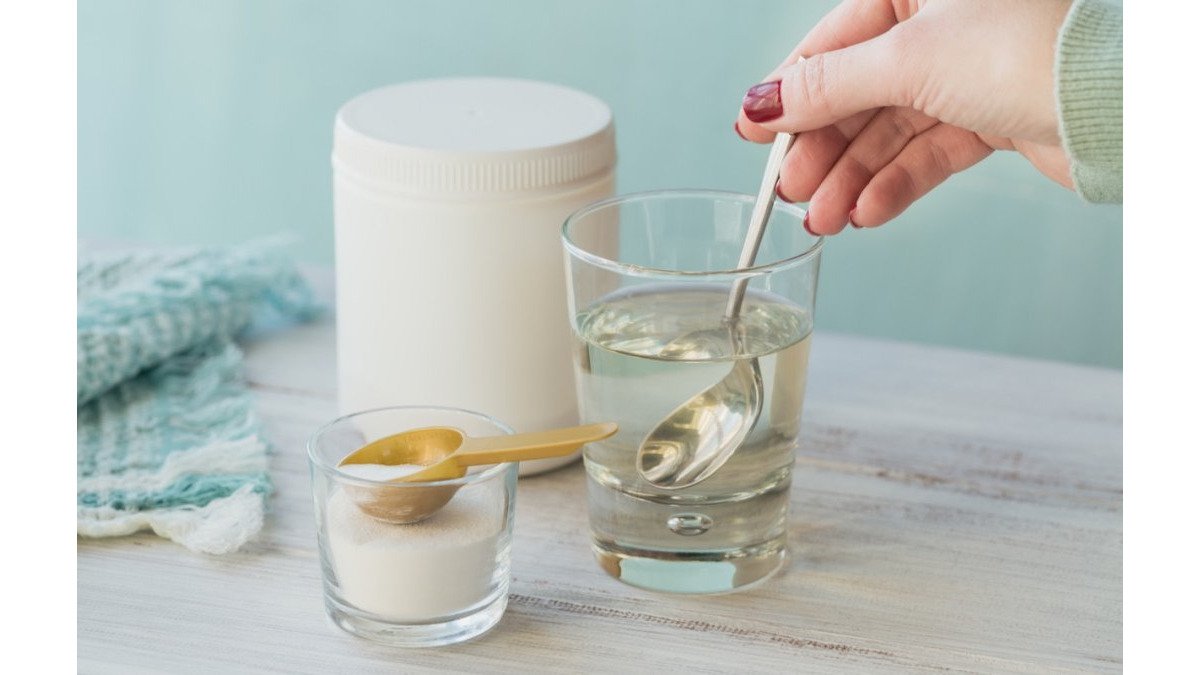
Most collagen peptide powders are designed to dissolve in hot or cold beverages. Stir well, add the powder gradually, and choose an unflavored formula if you want it to blend into your usual coffee or tea without changing the taste.
How many supplements do I need?
Usually fewer than social media suggests. Start with a well-chosen foundational product that fits a genuine need, use it consistently, and only add another supplement when there is a clear reason to do so.
Your wellness routine should feel like a source of reassurance, not another set of confusing decisions. Choose products you can verify, use in minutes, and feel fully comfortable taking every day.