Cart
0
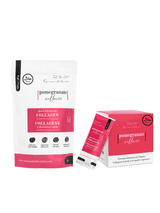

A skincare routine can look perfect on the bathroom counter and still miss a key part of skin health: what supports your body from within. Beef collagen for skin is a practical option for people who want to support hydration, elasticity, and a smoother-looking complexion with a simple daily drink. For Muslims, however, the source matters just as much as the benefit. A collagen powder is only a confident choice when its bovine source and halal status are clear.
What Beef Collagen Can Support for Skin
Collagen is a structural protein found naturally in skin, connective tissue, bones, and muscles. It helps give skin its firm, supple feel. Your body produces collagen on its own, but production gradually declines with age. Sun exposure, smoking, poor sleep, stress, and low overall protein intake can also work against the skin's natural support system.
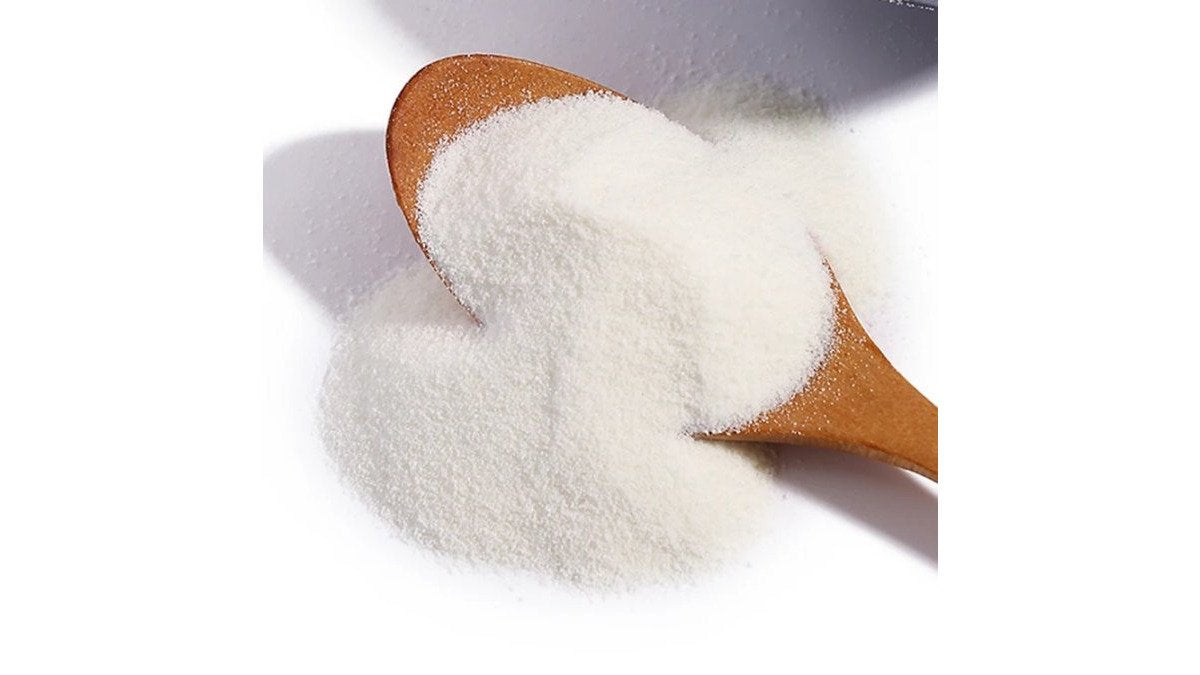
Hydrolyzed beef collagen, also called bovine collagen peptides, has been broken into smaller peptides so it dissolves easily and can be digested efficiently. Once consumed, those peptides provide amino acids, including glycine, proline, and hydroxyproline, that the body can use as part of normal collagen production and other protein-building processes.
Research on collagen peptides suggests they may support skin hydration, elasticity, and the appearance of fine lines over time. That does not mean a scoop of collagen can replace sunscreen, erase wrinkles, or treat a skin condition. Results vary based on age, diet, lifestyle, dosage, and consistency. The more realistic expectation is steady support for a healthy skin routine, not an overnight transformation.
Why Halal Certification Matters in Beef Collagen for Skin
“Bovine” simply means the collagen comes from cattle. It does not automatically confirm that the product meets halal requirements. The source, processing, handling, and certification all matter. For anyone building a faith-aligned wellness routine, vague ingredient language should not be enough.
A halal-certified bovine collagen product gives you a clearer standard to rely on. Look for transparent labeling that identifies the collagen source, confirms halal certification, and avoids unnecessary ingredients that do not serve your routine. This is especially useful when collagen powders are often marketed with beauty claims but provide little detail about sourcing.
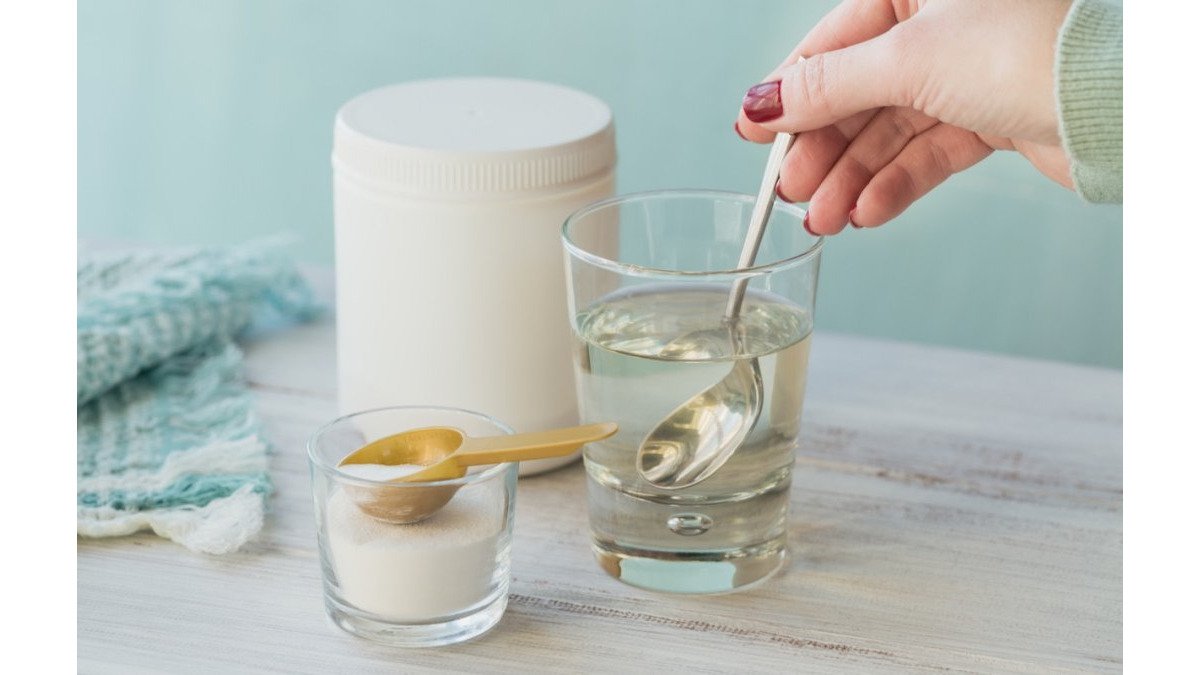
A clean, unflavored formula also gives you more control. It can fit into coffee, tea, smoothies, oatmeal, yogurt, soups, or water without adding sugar, artificial flavors, dairy, or a long list of fillers. For many households, that simplicity is not a compromise. It is the point.
What to Look for in a Daily Collagen Powder
Not every collagen product is built for the same priorities. Some focus on flavors and sweeteners, while others package a small amount of collagen inside a long list of added ingredients. If your goal is a dependable daily supplement, the label should make the decision easier.
| What to check | Why it matters |
| --- | --- |
| Halal certification | Provides confidence that the collagen aligns with halal dietary requirements. |
| Hydrolyzed bovine collagen peptides | Mixes easily and is the form commonly used in collagen supplement research. |
| Grass-fed, GMO-free sourcing | Supports a cleaner sourcing preference for many wellness shoppers. |
| Unflavored, no added sugar | Makes it easier to use every day without changing the taste of your food or drinks. |
| Third-party testing and clear labeling | Adds a layer of accountability beyond front-label marketing. |
| Cost per serving | Helps you compare real value, not just pouch size or promotional pricing. |
The best product is not necessarily the one with the loudest beauty promise. It is the one you will actually use consistently, that fits your dietary needs, and that gives you a clear answer when you ask where the collagen comes from.
How Much Collagen Should You Take?
Many collagen peptide studies use daily amounts ranging from about 2.5 to 10 grams. A serving around 5 to 10 grams is common in powders designed for everyday use. Follow the serving instructions on your chosen product rather than assuming more is always better.
Consistency matters more than timing. Take collagen in the morning coffee you never skip, blend it into a smoothie after a workout, or stir it into a warm evening drink. There is no single “best” hour for collagen. The best time is the time that becomes part of your routine.
If you are new to collagen, start with one daily serving and give it time. Many people assess how a supplement fits their routine after eight to twelve weeks, not after a few days. Take note of how regularly you use it, how your skin feels, and whether the product is easy to keep on hand. Travel-friendly sachets can make a real difference when busy schedules are usually what break good habits.
Build a Skin Routine That Does More Than One Thing
Collagen works best as one layer of a broader approach to skin health. Think of it as nutritional support, not a replacement for the basics. Daily sun protection remains one of the most meaningful ways to protect skin from premature visible aging. Adequate sleep, hydration, fruits and vegetables, and enough total protein also matter.
Vitamin C deserves special attention because it is involved in the body's own collagen formation. You do not need a complicated supplement stack to support this. Citrus fruit, berries, peppers, broccoli, and many other everyday foods can contribute. Pairing collagen with a balanced breakfast that includes vitamin C-rich foods is a simple habit, not a strict rule.
It also helps to be honest about what is affecting your skin. Persistent acne, eczema flares, rashes, sudden hair shedding, or significant changes in skin texture deserve individualized advice from a qualified healthcare professional. Collagen is not a treatment for medical conditions, and it should not delay proper care.
Common Questions Before You Start
Is beef collagen better than marine collagen for skin?
It depends on your priorities. Both bovine and marine collagen provide collagen peptides, and both are used in skin-focused supplements. Beef collagen is often preferred by people looking for a halal-certified option from a trusted bovine source, a neutral unflavored powder, and strong value per serving. Marine collagen may suit people who prefer a fish-derived source, but it is not automatically halal and is often more expensive. Certification and transparent sourcing matter more than broad claims about one source being universally superior.
Can I take collagen if I already eat enough protein?
Yes, many people do. Collagen is not meant to replace complete dietary protein from foods such as meat, fish, eggs, dairy, beans, or lentils. It is a convenient way to add specific collagen-derived amino acids to an already balanced routine. If you struggle to meet your total protein needs, improving your regular meals should come first.
Is unflavored collagen hard to drink?
Quality unflavored collagen peptides are designed to blend with minimal taste and texture. They generally dissolve best in warm liquids, but can also work in cold drinks with a shaker or blender. Start with a drink you already enjoy, so the habit feels easy rather than forced.
Who should check with a healthcare professional first?
If you are pregnant, breastfeeding, managing a medical condition, following a medically prescribed diet, or taking medication, it is sensible to speak with a healthcare professional before adding a new supplement. Anyone with a beef allergy should avoid bovine collagen.
Choose Purity You Can Use Every Day
Skin support does not need to be complicated, and it should never require you to compromise on halal standards. Choose collagen with a clearly identified bovine source, credible halal certification, and a clean formula you can mix into real life. Sustainable Lifestyle's halal-certified, grass-fed bovine collagen is made for that kind of routine: straightforward, unflavored, and easy to carry from home to work to travel.
The most helpful next step is simple: choose a collagen you trust, use it consistently alongside healthy skin habits, and let your routine prove whether it earns a permanent place in your day.