Cart
0
Hair shedding gets your attention fast. You notice more strands on your brush, more breakage at the ends, and hair that suddenly looks thinner than it used to. If you want support that fits both your wellness goals and your faith, halal collagen for hair growth is often one of the first supplements that comes up. The real question is not whether collagen sounds promising. It is whether the right halal collagen can realistically support healthier hair over time.
What halal collagen for hair growth actually does
Collagen is a structural protein made up of amino acids your body uses in many tissues, including skin and the connective structures that support healthy hair. Collagen itself is not a magic hair-growth switch. It does not force hair to grow overnight, and it does not replace a poor diet, hormonal balance, or proper scalp care.
What it can do is support the building blocks your body relies on. Many collagen powders provide amino acids such as glycine, proline, and hydroxyproline. Those are better known for skin and connective tissue support, but they also fit into a broader beauty-from-within routine that may help hair look stronger, less brittle, and more resilient over time.
For Muslim consumers, the halal part matters just as much as the collagen part. A collagen supplement is only useful if you can take it with confidence. That means clear sourcing, halal certification, and no uncertainty around hidden ingredients, flavor systems, or processing methods.
Why halal status matters more than most brands admit
A lot of collagen on the market is vague where it should be specific. Brands may say bovine collagen without clearly explaining whether it is halal-certified, how it is sourced, or whether the full product is free from non-halal additives. For a Muslim customer, that is not a small detail. It is the decision.
Halal collagen for hair growth should give you certainty at every level: the collagen source, the manufacturing standards, and the final formula. Clean-label matters too. If you are taking collagen daily, you do not want unnecessary sugars, fillers, dairy, or artificial extras turning a simple supplement into something harder to trust.
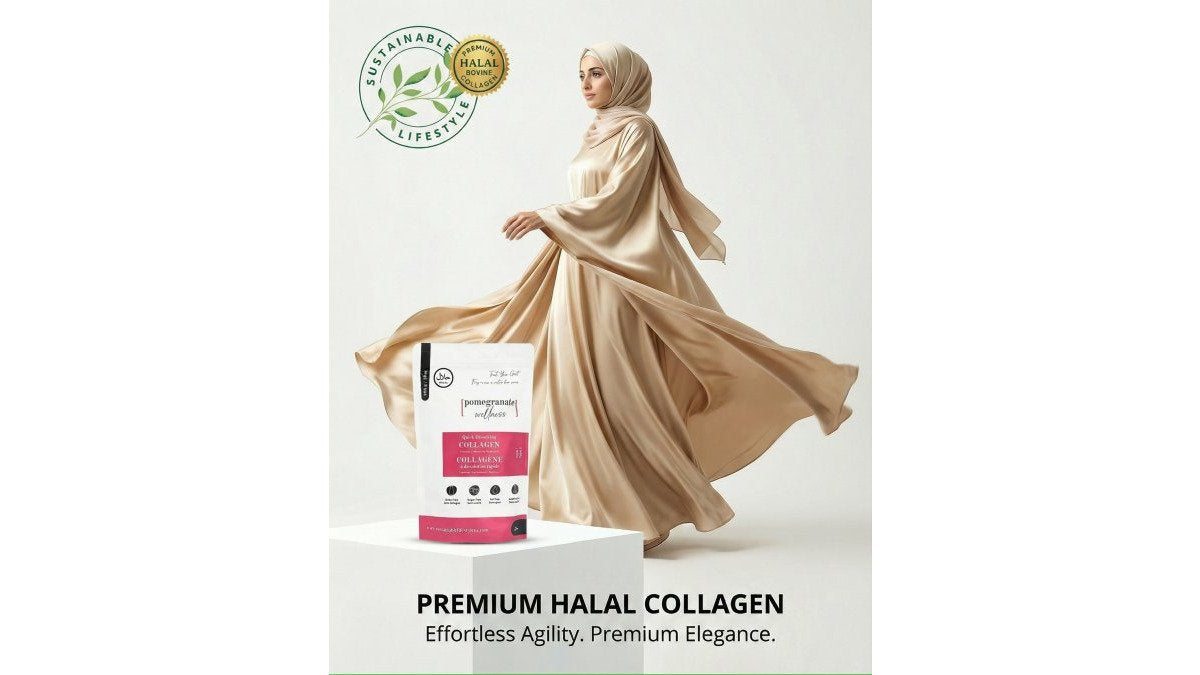
This is where a halal-certified bovine collagen powder can stand apart from mainstream options. It gives you a practical daily supplement that aligns with religious values without asking you to compromise on quality, convenience, or ingredient standards.
Can collagen really help hair grow?
The honest answer is that it depends on why your hair is struggling.
If your shedding is tied to stress, postpartum changes, low protein intake, or general nutritional gaps, collagen may be a useful part of your routine. If your hair feels weak, snaps easily, or looks dull, consistent collagen use may support better hair quality as new growth comes in. Many people are really looking for thicker-looking, stronger-feeling hair, and that is where collagen tends to fit better than dramatic growth claims.
If hair loss is being driven by thyroid issues, iron deficiency, scalp inflammation, medications, or hormonal conditions, collagen alone is unlikely to solve it. In those cases, a supplement can still support overall nutrition, but it should not be treated as the only answer.
That trade-off matters. Good brands should be honest about it. Halal collagen for hair growth makes the most sense when you want steady nutritional support, not when you expect a miracle in two weeks.
What to look for in a halal collagen product
Not all collagen products are built the same. For hair support, quality and consistency matter more than flashy packaging.
First, look for halal-certified bovine collagen rather than a product that simply claims to be suitable. Certification adds reassurance that the sourcing and production have been checked properly. Second, choose hydrolyzed collagen peptides. These are broken down for easier mixing and everyday use, which makes consistency much easier.
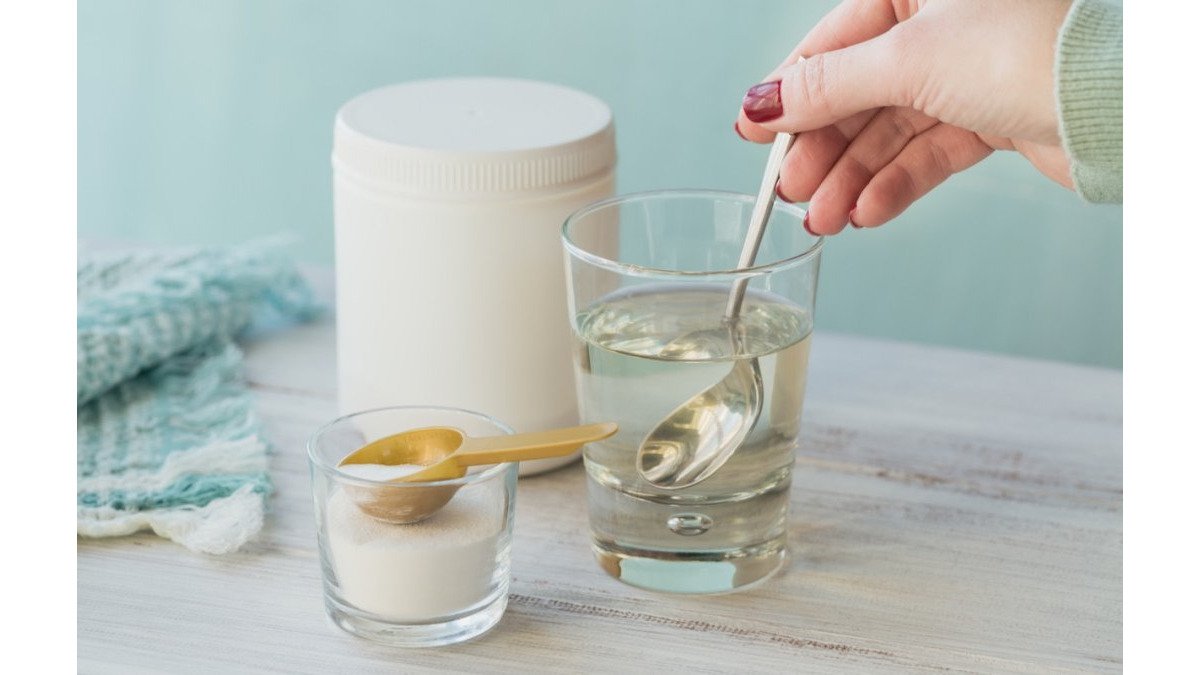
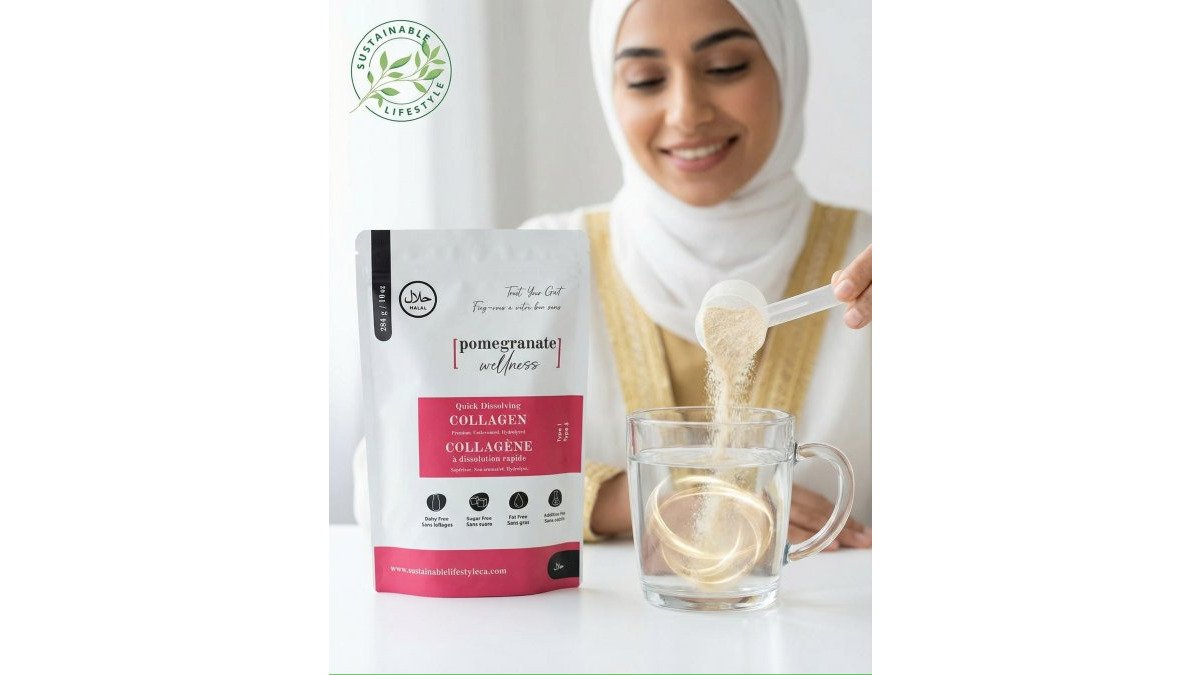
Third, keep the formula clean. Unflavored collagen with no sugar, no gluten, no dairy, and no fillers gives you more flexibility and fewer questions. You can add it to coffee, tea, smoothies, or water without turning your routine into a chore. Fourth, think about value per serving. Hair support is not about one scoop taken once. You need a product you can afford to use daily.
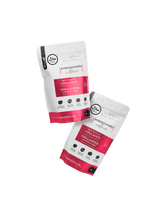
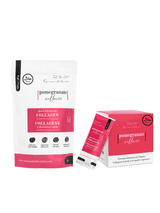
Convenience matters too. A larger pouch works well at home, while single-serve sachets are useful for work, travel, or keeping in your bag. The easier it is to use every day, the more likely you are to stay with it long enough to notice a difference.
How long does halal collagen for hair growth take to show results?
This is where expectations need to stay realistic. Hair grows slowly, and supplements work on that same timeline.
Most people will not notice meaningful hair-related changes in a week or two. A more reasonable window is eight to twelve weeks of consistent use, with some people taking longer. You may notice less breakage or improved texture before you notice visible fullness. That is normal. Hair health often improves quietly before it becomes obvious.
Consistency matters more than taking a large amount occasionally. A daily serving that fits into your routine is usually the better approach. If your collagen powder mixes easily and does not taste unpleasant, staying consistent becomes much simpler.
Why clean ingredients matter for daily use
If you are using collagen for hair growth, this is not a once-in-a-while supplement. It is part of your daily routine. That is why ingredient purity matters so much.
A clean halal collagen formula removes common friction points. No added sugar means it fits more easily into a wellness routine. No dairy or gluten helps people with dietary restrictions avoid unnecessary stress. No fillers means you are paying for collagen, not bulk ingredients. Grass-fed and GMO-free sourcing can also matter for customers who care about better standards, not just better marketing.
For many Muslim shoppers, trust comes from this full picture. Halal certification is essential, but so is transparency around what is not included. Purity is not just a label. It is what makes a supplement feel safe enough to use every day.
Collagen vs other hair supplements
A lot of hair supplements focus on biotin, multivitamins, or beauty blends. Those may be useful, but they are not always as clean or as clearly sourced as they should be. Some include a long list of ingredients without showing why each one is there. Others rely on sweeteners, gummies, or flavor systems that complicate halal confidence.
Collagen is simpler. It is not trying to be everything at once. It gives your body protein-based support that can fit alongside a balanced diet and other essentials. That simplicity is part of the appeal.
Still, collagen is not automatically better for everyone. If your hair issues are connected to a vitamin deficiency, you may need targeted nutrition beyond collagen. If your protein intake is already strong and your hair concerns are mostly hormonal, results may be slower or more modest. The best approach is practical, not emotional. Choose a product that solves a real gap in your routine.
Who halal collagen for hair growth is best for
This kind of supplement tends to be a strong fit for Muslim women and men who want faith-aligned wellness support without second-guessing the label. It also makes sense for people trying to support hair strength, skin health, and daily protein intake with one simple product.
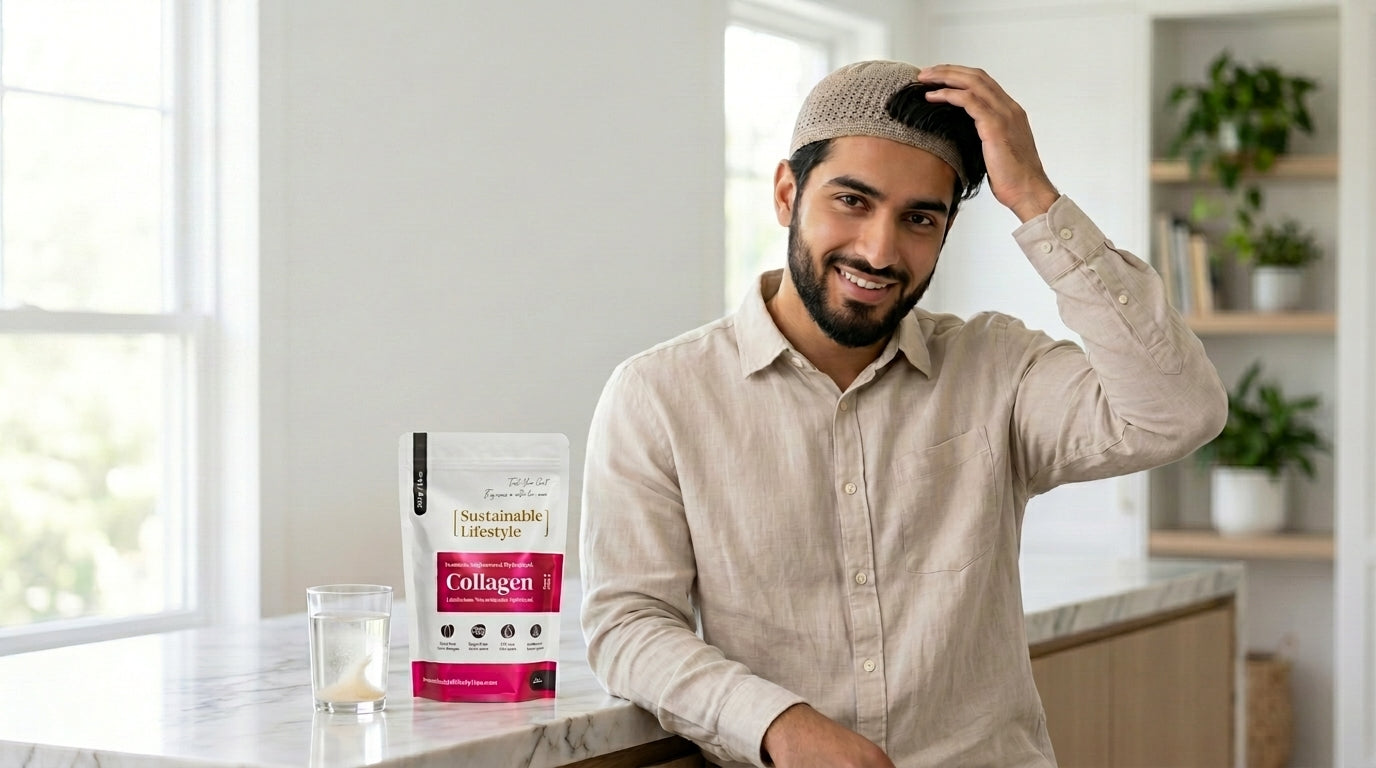
It is especially appealing if you want an unflavored supplement you can add to hot or cold drinks, if you care about clean ingredients, or if you have felt overlooked by mainstream collagen brands that do not prioritize halal needs. A brand like Sustainable Lifestyle speaks directly to that gap by offering halal-certified bovine collagen built around purity, convenience, and everyday value.
A better way to judge whether it is worth buying
Do not judge halal collagen for hair growth by the most dramatic before-and-after photo you see online. Judge it by whether the product is clearly halal-certified, clean enough for daily use, easy to mix, reasonably priced per serving, and realistic about results.
If a collagen product gives you confidence in its sourcing and fits naturally into your day, it has a much better chance of becoming a routine that actually lasts. And with hair support, that is what matters. The best supplement is not the one with the loudest claim. It is the one you trust enough to use consistently.
If you have been putting off collagen because you did not want to compromise on halal standards, that hesitation makes sense. The right product should make your routine easier, not more uncertain. When faith, purity, and practical wellness all line up, daily support for healthier-looking hair becomes a much simpler choice.