Cart
0
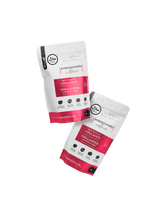
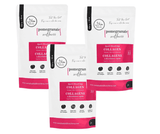
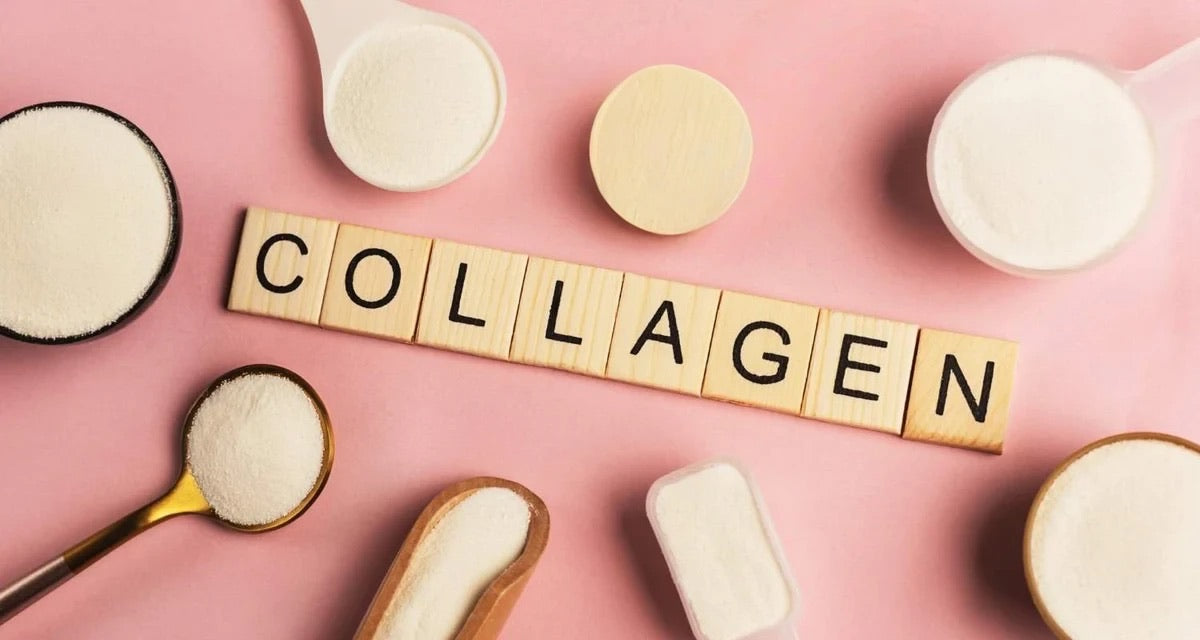
You can’t tell which collagen is halal by the front label alone. A tub can say clean, grass-fed, or pasture-raised and still leave out the one detail that matters most for Muslim buyers - whether the collagen is actually halal-certified and sourced in a halal-compliant way.
That’s the real issue with collagen shopping. Collagen is often marketed as a beauty or wellness staple, but for Muslims, it also has to meet a clear religious standard. If the animal source, processing, or certification is unclear, the product does not offer peace of mind, no matter how popular the brand is.
Which collagen is halal?
Halal collagen is collagen sourced from animals that are permissible in Islam and processed according to halal requirements. In practice, the most reliable option is halal-certified bovine collagen from properly slaughtered cattle. Marine collagen can also be halal, depending on sourcing and how the rest of the formula is made, but it still needs ingredient transparency.
Porcine collagen is not halal. That part is straightforward. The confusion usually happens with bovine collagen, because not all beef collagen is automatically halal. Beef is only halal when the sourcing and slaughter method meet Islamic requirements. If a brand does not clearly confirm that, the product may be beef-based, but it is not necessarily halal.
This is why certification matters so much. A halal logo from a recognized certifier gives buyers a stronger level of trust than vague terms like suitable for many diets or made from premium bovine peptides. Those phrases may sound reassuring, but they do not answer the halal question.
What makes collagen halal or non-halal?
The first factor is the source. Collagen usually comes from bovine, marine, chicken, or porcine sources. For Muslim consumers, porcine collagen is immediately excluded. Bovine collagen can be halal, and marine collagen often can be as well, but neither should be assumed halal without proof.
The second factor is slaughter and handling. If the collagen comes from cattle, the animal must be slaughtered in a halal-compliant way. Beyond that, manufacturing also matters. Cross-contamination, non-halal additives, flavor systems, or capsules can all affect whether the finished product remains halal.
The third factor is the full ingredient list. Many collagen powders look simple, but flavored versions may include sweeteners, natural flavors, creamers, or other ingredients that deserve a closer look. The cleaner the formula, the easier it is to evaluate. An unflavored collagen powder with one active ingredient is usually easier to verify than a beauty blend with a long ingredient panel.
The easiest way to answer which collagen is halal
If you want the shortest path to a confident decision, look for three things at once: a halal certification mark, a clearly stated animal source, and a simple ingredient list. When all three are present, the guesswork drops fast.
A halal-certified bovine collagen powder is often the most practical choice for daily use. It tends to be neutral in taste, easy to mix into coffee or smoothies, and widely used for skin, hair, nails, joints, and overall protein support. For buyers who want a faith-aligned routine without overthinking every scoop, this format checks a lot of boxes.
That does not mean every halal buyer must choose bovine over marine. Marine collagen may appeal to people who prefer fish-derived products or want a different collagen source. But marine collagen often comes at a higher price per serving, and the halal status still needs to be verified at the product level, not assumed from the fact that it comes from fish.
Labels that sound good but don’t confirm halal
This is where many shoppers get misled. Terms like grass-fed, non-GMO, hormone-free, pasture-raised, or third-party tested can all be positive quality signals. They speak to sourcing, purity, or production standards. But none of them means halal on its own.
Grass-fed bovine collagen is a good example. It may suggest a cleaner, more premium source, which many health-conscious shoppers prefer. But grass-fed is not a religious certification. A product can be grass-fed and still not be halal-certified.
The same applies to clean-label claims. Sugar-free, dairy-free, gluten-free, and no fillers are useful for people with dietary preferences or sensitivities. They support a cleaner supplement routine. Still, they do not answer whether the collagen itself is halal.
That distinction matters because Muslim consumers are not just buying for wellness results. They are buying for alignment between health goals and religious values. Both need to be clear.
Why halal-certified bovine collagen is often the strongest fit
For many Muslim adults, halal-certified bovine collagen offers the most straightforward combination of trust, effectiveness, and value. It supports common goals like stronger hair, healthier-looking skin, and daily nutritional support, while also fitting into simple routines at home or on the go.
Bovine collagen is also one of the most familiar collagen formats on the market. It mixes easily, tends to be versatile in hot and cold drinks, and is often available in unflavored options without unnecessary extras. That matters when you want a supplement you will actually use every day.
Price is another practical factor. Marine collagen can be appealing, but bovine collagen often delivers a better cost per serving. For shoppers building a consistent routine, especially for long-term skin or hair goals, that value matters. Consistency usually matters more than chasing trends.
For that reason, many Muslim buyers look for halal-certified bovine collagen that is also unflavored, grass-fed, and free from fillers, sugar, dairy, and gluten. It keeps the product simple, usable, and easier to trust.
How to shop smarter when comparing collagen brands
When comparing brands, do not stop at the headline claim. Look at what the brand is willing to state clearly. Does it say halal-certified, or does it just avoid the topic? Does it identify the collagen source plainly? Does the formula contain one ingredient or a long list of add-ons?
A trustworthy brand should make these details easy to find. Muslim buyers should not have to search through fine print or contact customer service just to confirm whether a product is halal. Clear labeling is part of trust.
It also helps to check whether the brand understands the needs of halal consumers or simply treats halal as an afterthought. There is a difference between a product that happens to qualify and a product designed for buyers who actively care about halal integrity. That difference often shows up in transparency, certification, and overall customer confidence.
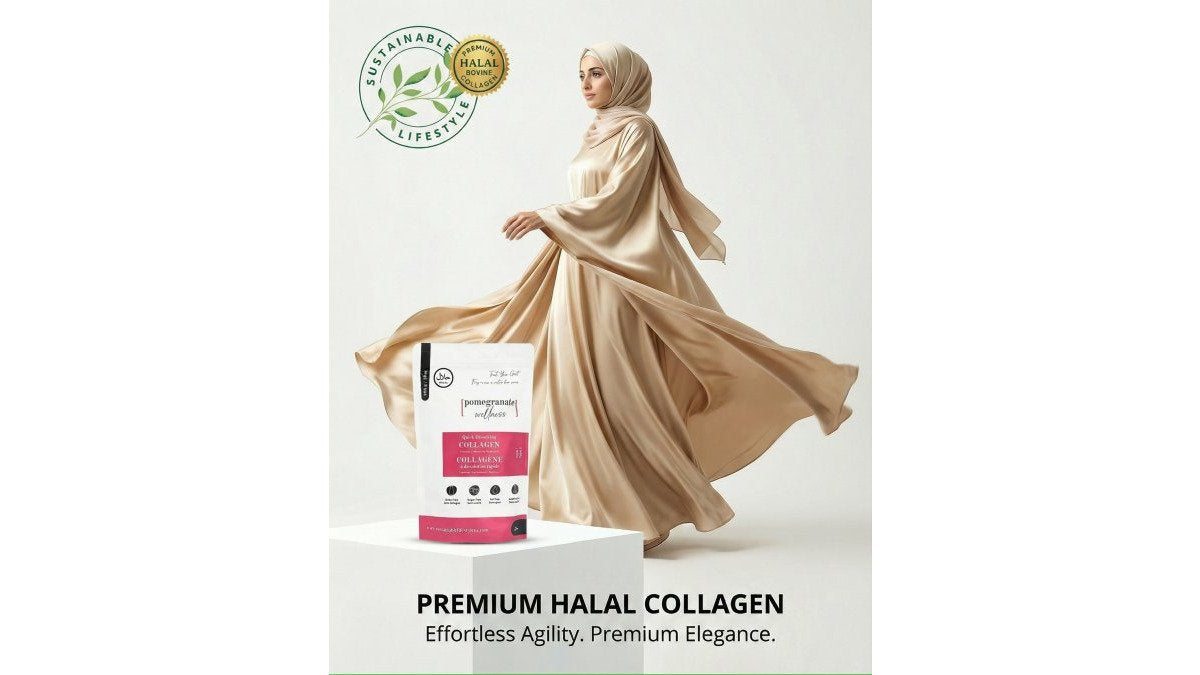
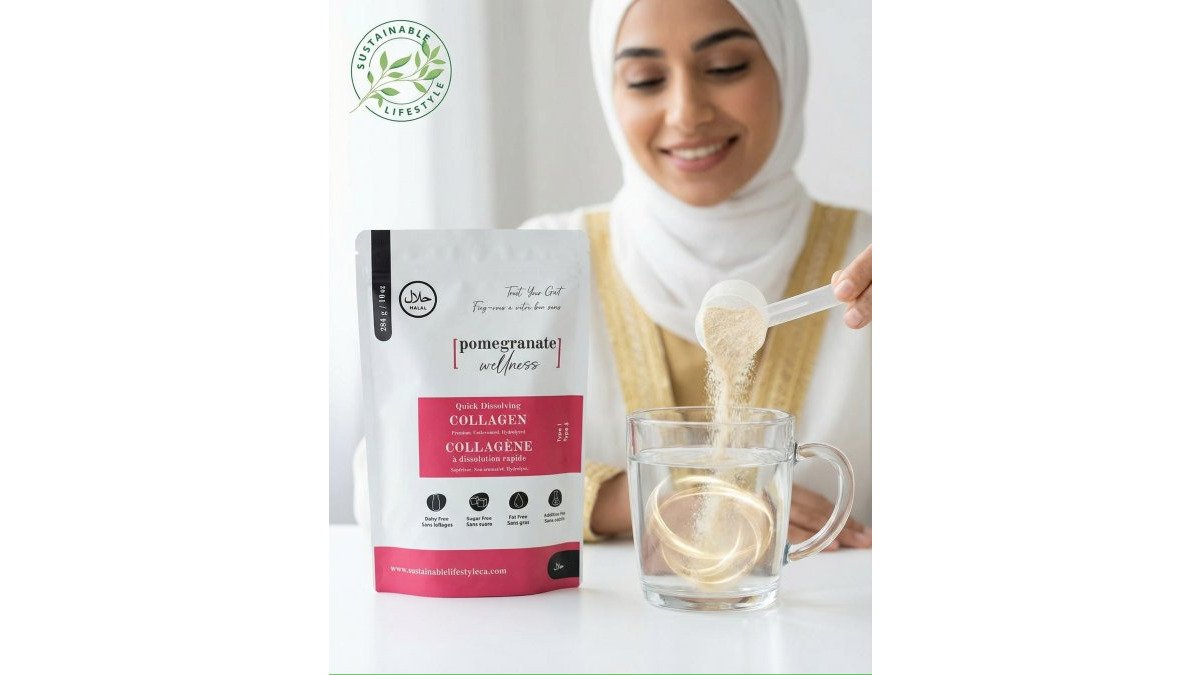
For example, a Muslim-owned wellness brand that leads with halal certification and clean formulation is usually speaking directly to a gap many shoppers have felt for years. Sustainable Lifestyle is part of that shift - offering halal-certified bovine collagen for consumers who want purity, convenience, and confidence in one daily product.
Which collagen is halal for hair and skin goals?
If your main focus is hair growth support, skin health, or a beauty-from-within routine, the halal question does not change - but your product preferences might. Most people in this category want a collagen they can use daily without flavor fatigue or extra sugar.
That is why unflavored halal-certified bovine collagen is such a practical option. It can fit into coffee, tea, smoothies, or water without turning your routine into a chore. If a supplement is hard to use consistently, even a strong formula becomes less useful.
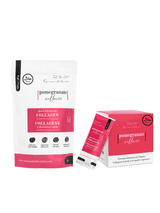
Sachets can also make a difference for busy routines. If you travel often, keep collagen at work, or want a no-measurement option, individually packed servings are more convenient than a large tub alone. Convenience is not a minor feature. It often determines whether a supplement becomes part of your day or gets forgotten in the cabinet.
A simple rule for choosing with confidence
If you are still asking which collagen is halal, use this rule: never assume, always verify. Choose collagen that states the source, carries halal certification, and keeps the ingredient list clean and easy to understand.
That approach protects you from vague marketing and helps you buy once, not second-guess later. The best collagen for a Muslim consumer is not just the one that promises beauty benefits. It is the one that supports your hair, skin, and daily wellness while fully respecting your standards.
When a product gives you both visible benefits and peace of mind, sticking with your routine becomes much easier.