Cart
0
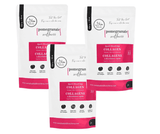
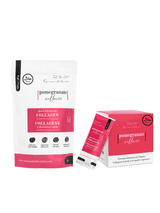
A scoop of collagen should not leave you questioning the source, the ingredients, or whether it fits your faith. This guide to grass fed collagen is for people who want a clean, halal-conscious way to support hair, skin, and daily nutrition without sugar, dairy, gluten, or unnecessary fillers.
For many Muslim consumers, collagen is not simply another beauty supplement. It is an animal-derived product, which makes certification, sourcing, and manufacturing standards central to the decision. The right collagen routine should feel simple: a trusted powder, a daily drink, and confidence in what you are putting into your body.
What Grass Fed Collagen Actually Means
Collagen is a protein naturally found in connective tissues such as skin, bones, cartilage, and tendons. Bovine collagen is made from cattle and is commonly used in powders because it provides collagen peptides that dissolve easily in hot or cold liquids.
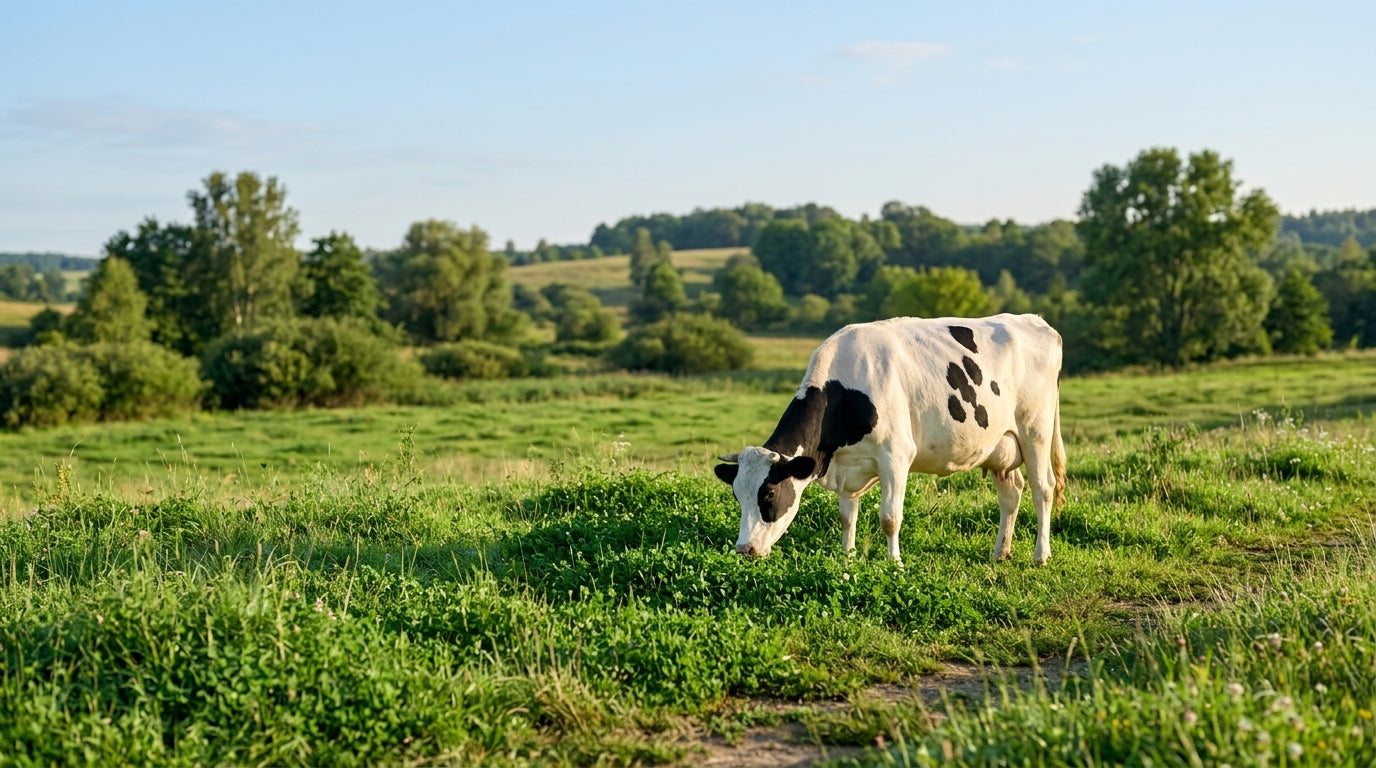
The term grass fed generally means the cattle were raised on a grass-based diet rather than being fed only grain. For shoppers seeking a more considered animal source, that can be a meaningful standard. Still, grass fed does not automatically mean halal, GMO-free, third-party tested, or free from additives. Each claim should stand on its own.
Most bovine collagen powders are hydrolyzed. This means the collagen protein has been broken into smaller peptides, making it easy to mix into coffee, tea, smoothies, oatmeal, or water. You do not need a complicated wellness routine to use it consistently.
Why collagen type matters
Bovine collagen naturally contains mostly Type I and Type III collagen. Type I is associated with skin, hair, nails, bones, and connective tissue, while Type III is found in skin, muscles, and blood vessels. That is why bovine collagen is a popular choice for people building beauty-from-within habits alongside everyday nutritional support.
Collagen is still a protein supplement, not a shortcut or a replacement for balanced meals. Results can depend on your overall protein intake, sleep, hydration, age, stress level, and how consistently you use the product. The best approach is realistic: choose a clean product you can take every day and give your routine time.
A Guide to Grass Fed Collagen and Halal Confidence
When collagen comes from an animal source, halal certification deserves more attention than a vague statement about “natural” ingredients. A halal-certified collagen product has been reviewed against halal requirements, including how the bovine material is sourced and processed. Look for clear halal certification on the finished product, not just a general claim that the collagen comes from beef.
This distinction matters because mainstream collagen brands may use bovine ingredients without offering halal certification. Others may provide limited sourcing details, use flavor systems with extra ingredients, or rely on claims that do not address the full manufacturing process.
A high-quality halal collagen should make its standards easy to understand. You should be able to identify the collagen source, see whether it is hydrolyzed bovine collagen, confirm the halal certification, and check the full ingredient list without hunting through vague marketing language.
Clean-label formulas are especially helpful for daily use. An unflavored collagen powder with no added sugar, dairy, gluten, artificial flavors, or fillers gives you more control over your routine. It can fit easily into a protein shake in the morning, a cup of tea in the afternoon, or a family smoothie without changing the flavor.
How to Choose a Grass Fed Collagen Powder
The label is where a good decision begins. Rather than choosing based on a trendy package or a dramatic before-and-after promise, focus on the standards that affect your everyday use.
| What to check | Why it matters |
| --- | --- |
| Halal certification | Gives Muslim consumers confidence that the product aligns with religious dietary requirements. |
| Grass-fed bovine source | Helps confirm the type of animal source used for the collagen. |
| Hydrolyzed collagen peptides | Supports easy mixing and convenient daily use. |
| Minimal ingredients | Helps you avoid unnecessary sugar, flavors, fillers, dairy, and gluten. |
| Third-party testing | Adds another layer of reassurance around quality and purity. |
| Price per serving | Shows the real value beyond the size of the container or sale price. |
Unflavored collagen is often the most flexible choice. Flavored powders may be convenient, but they can add sweeteners, flavorings, or ingredients you do not need. If you enjoy variety, it depends on your preferences. But if purity and versatility are your priorities, a single-ingredient or minimal-ingredient powder is hard to beat.
Also consider how you will actually use it. A larger pouch may offer stronger value per serving for an at-home routine, while individually portioned sachets can make consistency easier during travel, busy workdays, or visits with family. The best format is the one that prevents your supplement from sitting unopened in the cupboard.
How to Make Collagen Part of Your Routine
Consistency matters more than perfection. Start by choosing one daily moment that already exists in your schedule. Adding collagen to your morning coffee, tea, smoothie, or breakfast can be easier than trying to remember a separate wellness task later in the day.
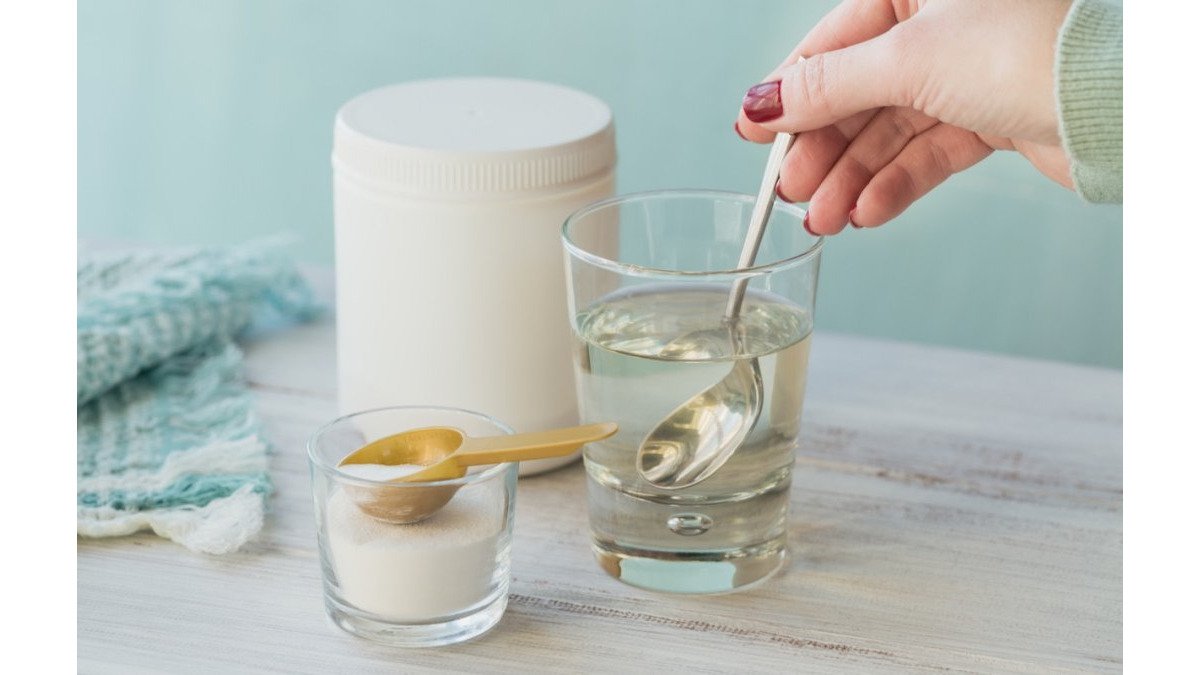
Because hydrolyzed collagen is unflavored, it works well in both hot and cold drinks. Stir it into warm liquids gradually to help it dissolve, or blend it into smoothies for a smooth texture. Many people also add it to yogurt, oatmeal, soups, or baking recipes, though drinks tend to be the simplest option.
If you are new to collagen, follow the serving directions on the package and build the habit before worrying about elaborate recipes. A daily serving taken consistently is usually more useful than taking extra amounts occasionally. Keep the pouch where you make breakfast, or carry sachets in your bag so your routine travels with you.
For hair and skin goals, patience is part of the process. Your body continuously renews tissues, and visible changes are rarely immediate. Support your routine with adequate water, protein-rich meals, fruits and vegetables, and a healthy sleep schedule. Collagen can complement these habits, but it cannot replace them.
Who May Want to Use Bovine Collagen?
Grass-fed bovine collagen may be a strong fit for adults who want a straightforward source of collagen peptides and care about halal compliance, ingredient purity, and convenience. It is especially relevant for people focused on maintaining healthy-looking skin, supporting hair and nail routines, or increasing daily protein intake in a simple way.
It may not be suitable for everyone. Anyone with a beef allergy should avoid bovine collagen. If you are pregnant, nursing, managing a medical condition, or taking medication, speak with a qualified healthcare professional before adding a new supplement. And if you follow a vegetarian or vegan diet, bovine collagen will not match your dietary needs.
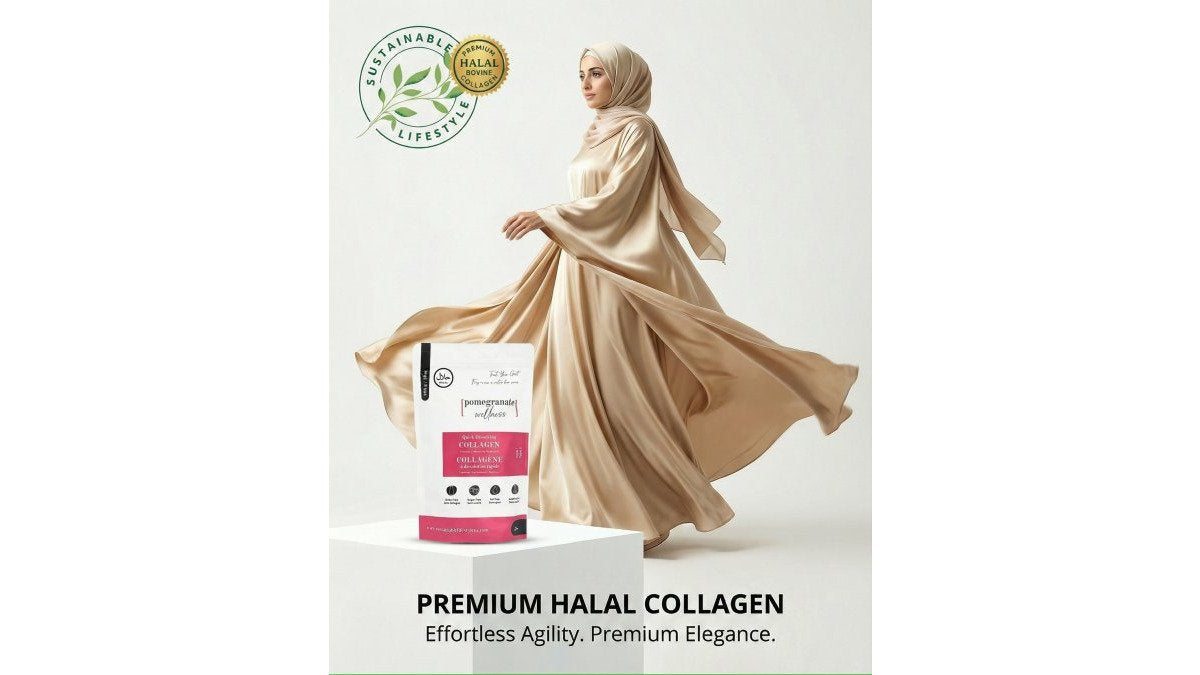
A halal lifestyle should not require compromises on quality, flavor flexibility, or value. Sustainable Lifestyle was built around that belief, offering halal-certified, grass-fed bovine collagen in clean, unflavored formats designed for real daily routines.
Choose collagen with the same care you bring to the rest of your wellness habits. When the source is clear, the certification is visible, and the formula is clean, one simple scoop can become a routine you feel good about keeping.