Cart
0

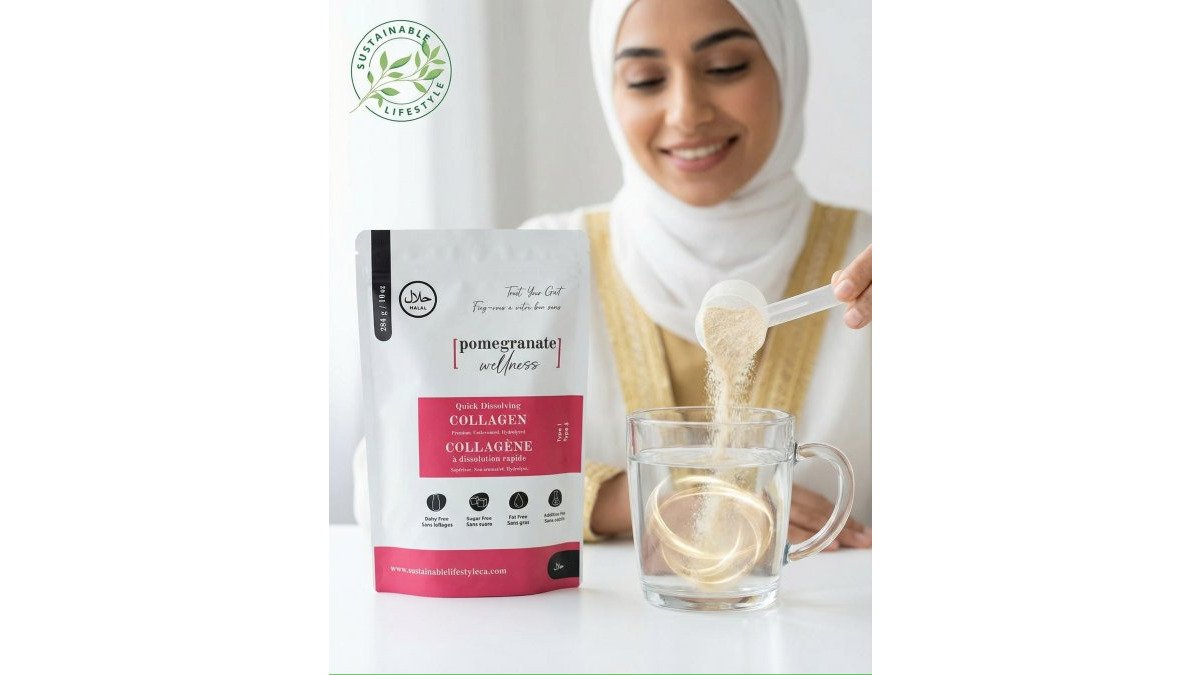
If your ponytail feels thinner than it used to, you are not imagining the frustration. Many people asking does collagen help hair thickness are really asking two things at once: can collagen support healthier hair growth, and can it make hair look and feel fuller over time?
The honest answer is yes, potentially - but not in the exaggerated way social media often suggests. Collagen is not a magic fix for every type of hair thinning. What it can do is support the building blocks your body uses for hair structure, scalp health, and overall protein intake. For the right person, that can make a noticeable difference.
Does collagen help hair thickness or just hair growth?
Hair thickness is a little more complicated than simple growth. Some people have fewer hairs growing at once. Others have strands that have become finer, weaker, or more prone to breakage. Those are different problems, and collagen may help more with some than others.
Collagen is a protein rich in amino acids such as glycine, proline, and hydroxyproline. Your body uses amino acids to build proteins, including keratin, which is the main structural protein in hair. Collagen does not turn directly into hair, but it can help supply some of the raw materials your body needs.
That matters because thicker-looking hair is often the result of several small improvements happening together. You may have less breakage, stronger strands, better scalp support, and improved overall nutrition. In that sense, collagen can support hair thickness indirectly, even if it is not a direct hair growth drug.
How collagen may support fuller-looking hair
The biggest reason collagen gets attention in hair routines is its protein content. Hair is made mostly of protein, and when your diet is inconsistent or low in quality protein, hair can suffer. Some people notice more shedding, weaker strands, or slower recovery after stress, dieting, postpartum changes, or illness.
A clean collagen supplement can help fill that gap. It is not a complete protein, so it should not replace balanced meals, but it can be a practical daily add-on. For people who struggle to eat enough protein in the morning, mixing unflavored collagen into coffee, tea, or smoothies is an easy habit that supports consistency.
Collagen may also help by supporting skin health, and that includes the scalp. A healthier scalp environment can help hair look better and feel stronger. This is one reason some people report that their hair seems less brittle after several weeks or months of collagen use.
There is also the issue of breakage. Not all thinning is caused by reduced growth from the root. Sometimes hair looks thinner because it snaps easily, especially if it is dry, chemically treated, heat-styled, or naturally fragile. If collagen helps support stronger hair structure over time, the result may be better length retention and a fuller overall appearance.
What collagen cannot do
This is where nuance matters. If hair thinning is caused by hormones, thyroid issues, iron deficiency, scalp inflammation, genetics, or a medical condition, collagen alone is unlikely to solve it. It may still be a helpful part of a broader routine, but it is not a substitute for medical evaluation.
It also will not change your natural follicle count. If you are expecting collagen to create brand-new hair follicles or dramatically alter your genetic hair density, that is not a realistic expectation.
Results also depend on what your body actually needs. If your diet is already rich in protein and your hair thinning has nothing to do with nutritional support or breakage, the effect may be subtle. That does not mean collagen is ineffective. It means the benefit is usually strongest when there is a real gap to fill.
What the research really suggests
Research on collagen and hair thickness specifically is still limited. There is stronger evidence around collagen supporting skin elasticity, hydration, and connective tissue health than there is around direct hair thickening.
Still, that does not make the hair question irrelevant. Hair health is tied to overall nutrition, protein status, and skin support. Collagen fits into that bigger picture. Many users report improvements in nail strength, skin texture, and hair feel after consistent use, especially over 8 to 12 weeks.
Anecdotal results are common, but they should be interpreted carefully. Better hair outcomes from collagen may come from improved protein intake, consistency in self-care, and using a supplement that is easy to take daily. The practical takeaway is simple: collagen can support conditions that favor healthier-looking hair, but it is not a guaranteed standalone fix for every case of thinning.
Who is most likely to notice a difference?
People who tend to see the most benefit are often those with fragile, breakage-prone hair, inconsistent protein intake, postpartum shedding recovery, or beauty routines that put stress on the hair shaft. If your hair feels weaker, drier, or thinner from breakage rather than true bald patches, collagen may be more relevant.
Women interested in beauty-from-within support often choose collagen because it serves more than one goal at a time. Instead of buying separate products for hair, skin, and nails, one clean supplement can fit into a simple daily routine. That convenience matters, because consistency matters.
People who care about ingredient standards also tend to be more satisfied when the product itself is clean and straightforward. Halal certification, third-party testing, and a formula without sugar, dairy, gluten, or fillers are not small details. They are part of what makes a supplement feel trustworthy enough to take every day.
Choosing the right collagen for hair support
If you are taking collagen for hair thickness, the formula matters almost as much as the habit. Look for hydrolyzed collagen peptides, which are broken down for easier mixing and use. Bovine collagen is a common choice because it is rich in types I and III collagen, which are often associated with skin, hair, and connective tissue support.
Purity matters too. A collagen powder loaded with flavors, sweeteners, or unnecessary additives may be less appealing for daily use and less aligned with a clean wellness routine. Many people prefer unflavored collagen they can add to coffee, tea, oats, or smoothies without changing taste.
For Muslim consumers, halal certification is essential, not optional. If a collagen brand is vague about sourcing or certification, that uncertainty can undermine trust right away. This is one reason brands such as Sustainable Lifestyle resonate with customers looking for collagen that supports wellness goals without compromising religious standards.
How long does it take to see results?
Most people need patience here. Hair grows slowly, and visible changes in thickness or fullness usually take time. If collagen is going to help, you are more likely to notice changes after 8 to 12 weeks of consistent use, and sometimes longer.
The first signs may not be dramatic. You might notice less hair on your brush, strands that feel less dry, or hair that appears a little fuller because it is breaking less. These smaller changes often come before anything more visible.
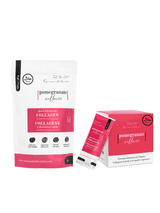
Taking collagen occasionally is unlikely to do much. Daily use is what gives your body a steady supply of amino acids over time. This is why convenience matters. Powders at home and travel sachets on busy days can make a real difference in consistency.
How to think about collagen realistically
A smart way to approach collagen is to see it as support, not a promise. It supports protein intake. It supports a healthier beauty routine. It may support stronger-feeling hair and better retention. But it works best when the basics are also in place - enough total protein, good sleep, stress management, and attention to any underlying health issues.
That realistic mindset tends to lead to better outcomes and fewer disappointments. You are not looking for hype. You are looking for a clean, practical supplement that fits your daily life and may help your hair look healthier over time.
So, does collagen help hair thickness? For many people, yes - especially when thinning is tied to breakage, weak strands, or nutritional gaps. The change may be gradual, and it may not solve every cause of hair loss, but it can be a worthwhile part of a consistent routine built on quality, purity, and patience.
If you want fuller-looking hair, the best next step is not chasing louder claims. It is choosing a collagen you trust enough to use every day and giving your body enough time to respond.